Your home’s electrical system probably isn’t something you think about very often. It works quietly in the background, powering lights, appliances, heating and cooling equipment, chargers, and countless other devices. But as homes become more dependent on technology, older electrical systems can struggle to keep up. For homeowners considering electrical support in Emmaus, PA, the right upgrades can improve both everyday convenience and electrical safety.
A smart electrical upgrade isn’t necessarily about adding the latest gadget. In many cases, it’s about making sure the home’s wiring, outlets, lighting, and electrical panel are equipped for the way the property is actually being used.
Start With the Electrical Panel
The electrical panel is the central point where electricity enters and is distributed throughout your home. If the panel is outdated or doesn’t provide enough capacity, adding more appliances and technology can put unnecessary strain on the system.
Older homes may have electrical panels that were designed for a very different level of household demand. Today’s homes can have multiple televisions, computers, kitchen appliances, air conditioning systems, electric vehicles, and other high-demand equipment operating throughout the day.
An electrical inspection can help determine whether the existing panel is suitable for the home’s current needs. In some situations, an upgrade may provide additional capacity and improve the overall reliability of the electrical system.
Upgrade Outlets Where You Need Them
A surprising amount of modern electrical convenience comes down to having enough outlets in the right places.
When a room doesn’t have sufficient outlets, homeowners may rely heavily on extension cords and power strips. While these can be useful in appropriate situations, they aren’t a substitute for properly installed permanent outlets.
Adding outlets in frequently used areas can make the home easier to use while reducing the need for tangled cords. This can be particularly helpful in home offices, kitchens, bedrooms, entertainment areas, and garages.
Consider modern outlet features
Some outlet upgrades can also add useful functionality without requiring major changes to the home.
- USB charging outlets can provide convenient charging for phones, tablets, and other devices without occupying a standard receptacle.
- GFCI protection can help protect against electrical shock in areas where electricity may come into contact with moisture, such as kitchens, bathrooms, garages, and outdoor locations.
- AFCI protection can help reduce certain electrical fire risks by detecting potentially dangerous arcing conditions in applicable circuits.
The appropriate protection depends on the location and the electrical configuration of the home.
Make Lighting More Efficient
Lighting is another area where a relatively simple electrical upgrade can change how a home feels and functions.
LED lighting generally uses less energy than traditional incandescent bulbs and can provide a long service life. Replacing older fixtures or bulbs with efficient alternatives can help reduce energy consumption while giving homeowners more control over lighting.
Smart switches and dimmers can add another layer of convenience. Instead of relying entirely on basic wall switches, homeowners can control lighting levels and, with compatible systems, create schedules or operate lights remotely.
However, smart lighting doesn’t have to mean turning your entire house into a connected system. A few carefully chosen upgrades in high-use areas may be enough to make a noticeable difference.
Improve Electrical Safety in Older Homes
Convenience is useful, but safety should come first when considering electrical improvements.
Older wiring, damaged outlets, loose connections, and overloaded circuits can create risks that aren’t always visible. Warning signs such as flickering lights, buzzing outlets, warm switches, frequent breaker trips, or a burning odor should never be treated as normal.
If you notice any of these changes, stop using the affected equipment or circuit when appropriate and have the issue evaluated by a qualified electrician.
Signs your electrical system deserves attention
Some electrical problems develop gradually rather than failing suddenly. Pay attention if you notice:
- Lights that flicker when appliances switch on.
- Breakers that trip repeatedly without an obvious reason.
- Outlets that feel warm or show signs of discoloration.
- Sparks, buzzing, or crackling sounds from electrical fixtures.
- A frequent need for extension cords or power strips.
These symptoms can have different causes, so they shouldn’t be used to diagnose a specific fault on their own.
Prepare Your Home for Modern Appliances
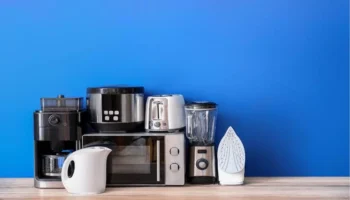
Electrical demand can change significantly when you add major appliances. An electric range, heat pump, hot tub, workshop equipment, or electric vehicle charger may require dedicated electrical capacity.
Before installing high-demand equipment, it’s worth determining whether your existing electrical system can safely support it.
Simply adding a new appliance to an already heavily loaded circuit isn’t a good long-term solution. A professional can assess the panel, wiring, circuit capacity, and installation requirements before the equipment is connected.
Planning ahead can also help prevent inconvenient electrical upgrades after an appliance has already been purchased.
Don’t Forget Outdoor Electrical Needs
Outdoor spaces increasingly function as extensions of the home. Lighting, security cameras, entertainment equipment, landscaping features, and outdoor kitchens can all require reliable electrical connections.
Outdoor electrical installations need to be designed with weather exposure in mind. Appropriate equipment and protection are important because moisture can create additional electrical hazards.
Rather than running indoor extension cords through doors or windows, consider having permanent outdoor outlets installed where they’re actually needed.
Build a Smarter System Gradually
You don’t have to upgrade your entire electrical system at once. In fact, approaching improvements in stages can make it easier to focus on the areas that matter most.
Start with safety concerns and outdated components. From there, consider improvements that address everyday frustrations, such as inadequate outlets, poor lighting, or insufficient capacity for new appliances.
This approach allows homeowners to improve the electrical system according to their actual needs rather than spending money on features that may provide little practical benefit.
A Safer, More Efficient Home Starts With the Basics
Smart electrical upgrades aren’t only about technology. They are about creating an electrical system that matches the way your household lives today.
An upgraded panel can provide appropriate capacity, additional outlets can reduce dependence on extension cords, modern lighting can improve efficiency, and proper electrical protection can help address important safety concerns.
Before making significant changes, have the existing system evaluated. Understanding its condition and capacity makes it much easier to decide which upgrades are worthwhile.
Conclusion
A home’s electrical system needs to evolve as household needs change. New appliances, connected devices, home offices, outdoor equipment, and charging needs can all increase electrical demand over time.
The best upgrades are those that solve real problems while improving safety, reliability, and everyday convenience. Whether you’re updating an older electrical panel, adding outlets, improving lighting, or preparing for a high-demand appliance, professional planning can help ensure the work is appropriate for your home’s existing system.
====================================================