close

March 2026

HVAC Contractor

What Homeowners Should Know Before Installing a Geothermal HVAC System

Heating and cooling systems are a major part of any home’s comfort and energy use. As energy costs rise and homeowners look for more efficient options, geothermal HVAC systems have become a popular alternative. They offer consistent performance, lower operating costs, and a smaller environmental footprint compared to traditional systems.

However, geothermal systems are not a one-size-fits-all solution. Before making the switch, it’s important to understand how they work, what installation involves, and whether your property is a good fit. This guide breaks down everything you need to know in clear, practical terms.

How Geothermal HVAC Systems Work

Geothermal HVAC systems use the stable temperature below the earth’s surface to heat and cool your home. Instead of generating heat, they transfer it.

The Basic Process

  • In winter, the system pulls heat from the ground and moves it indoors
  • In summer, it removes heat from your home and transfers it back into the ground
  • A network of underground pipes, called a loop system, circulates fluid to manage this exchange

Because underground temperatures remain relatively constant year-round, geothermal systems operate more efficiently than standard furnaces or air conditioners.

Key Benefits of Geothermal Systems

Geothermal HVAC systems offer several advantages that make them appealing for long-term home improvement.

Energy Efficiency and Cost Savings

They use significantly less electricity than conventional systems. Over time, this can lead to noticeable savings on utility bills.

Consistent Indoor Comfort

Unlike traditional systems that cycle on and off, geothermal systems provide steady heating and cooling. This helps maintain even temperatures throughout your home.

Environmentally Friendly

Geothermal systems reduce greenhouse gas emissions and rely on renewable energy from the earth. This makes them a more sustainable choice for environmentally conscious homeowners.

After considering these benefits-energy efficiency, consistent comfort, and long-term savings-many homeowners explore options like geothermal HVAC services in Hillsboro, OH to better understand installation requirements and system suitability.

Installation Requirements and Considerations

Installing a geothermal system is more complex than replacing a standard HVAC unit. It requires planning, space, and proper site evaluation.

Property and Land Requirements

  • Sufficient space for underground loops
  • Soil conditions suitable for excavation or drilling
  • Accessibility for installation equipment

Types of Loop Systems

  • Horizontal loops: Installed in shallow trenches, ideal for larger properties
  • Vertical loops: Drilled deep into the ground, suitable for smaller lots
  • Pond loops: Used when a water body is available nearby

Each option has its own cost and installation method, depending on your property layout.

Upfront Costs vs Long-Term Value

One of the biggest concerns homeowners have is the initial investment. Geothermal systems typically cost more upfront than traditional HVAC systems.

Why the Initial Cost Is Higher

  • Excavation or drilling for ground loops
  • Specialized equipment and installation
  • System design tailored to your property

Long-Term Financial Benefits

  • Lower monthly energy bills
  • Reduced maintenance costs
  • Potential tax credits or incentives

Over time, many homeowners find that the savings offset the initial expense, making geothermal a worthwhile investment.

Maintenance and System Lifespan

Geothermal systems are known for their durability and low maintenance needs.

What Maintenance Looks Like

  • Regular filter changes
  • Periodic system inspections
  • Checking loop system performance

Expected Lifespan

  • Indoor components: 20-25 years
  • Ground loop system: 50 years or more

Because most of the system is protected underground, it experiences less wear and tear compared to traditional outdoor units.

Is a Geothermal System Right for Your Home?

Not every home is an ideal candidate for geothermal HVAC. Several factors determine whether it’s the right fit.

Consider These Factors

  • Available land or drilling access
  • Budget for upfront installation
  • Long-term plans for the property
  • Local climate and energy costs

Homeowners who plan to stay in their property long-term often benefit the most, as they can fully realize the energy savings over time.

For those evaluating their options, learning more about geothermal HVAC services in Hillsboro, OH can help clarify site requirements, system design, and expected performance based on local conditions.

Common Misconceptions About Geothermal HVAC

Despite its growing popularity, geothermal technology is often misunderstood.

“It Only Works in Certain Climates”

Geothermal systems work in a wide range of climates because they rely on stable underground temperatures, not outdoor air conditions.

“It’s Too Complicated to Maintain”

In reality, geothermal systems require less maintenance than many traditional HVAC systems.

“It’s Only for New Homes”

While easier to install during construction, geothermal systems can also be retrofitted into existing homes with proper planning.

Understanding these points can help homeowners make a more informed decision.

Final Thoughts

Geothermal HVAC systems offer a reliable, energy-efficient way to heat and cool your home. While the upfront investment and installation process require careful consideration, the long-term benefits-lower energy costs, consistent comfort, and environmental sustainability-make them an attractive option for many homeowners.

By understanding how these systems work and evaluating your property’s suitability, you can decide whether geothermal is the right choice for your home. With proper planning and expert guidance, it can be a smart investment that pays off for decades.

read more
Home

Spalling Concrete Repair: Causes, Risks, and Repair Methods

Spalling concrete repair is a critical maintenance discipline that every building owner in Singapore should understand. Concrete may appear permanent, but it is a material under constant siege – from moisture, atmospheric gases, thermal stress, and the relentless chemistry of corrosion. When its protective layers fail, the consequences range from unsightly facades to genuine structural danger.

The Primary Causes of Concrete Spalling

Concrete spalling does not occur in isolation. It is the visible outcome of processes that have been at work for years, sometimes decades, within the structure. Understanding these causes is essential for both effective repair and long-term prevention.

Corrosion

Reinforcement corrosion remains the leading cause. Steel reinforcement bars embedded in concrete are normally protected by the high alkalinity of the surrounding cement matrix. When this alkalinity is reduced through carbonation or when chlorides penetrate the concrete cover, the steel begins to corrode. Rust occupies up to six times the volume of the original steel, generating enormous internal pressure that cracks and eventually expels the concrete cover.

Carbonation

Carbonation is a natural process in which carbon dioxide from the atmosphere reacts with calcium hydroxide in the concrete, forming calcium carbonate. This reaction progressively neutralises the concrete’s alkalinity, advancing inward from the surface at a rate that depends on concrete quality, cover depth, and environmental conditions. In Singapore’s warm, humid climate, carbonation rates are significant.

Chloride

Chloride ingress accelerates corrosion independently of carbonation. Buildings near the coast, structures exposed to swimming pool water, and car parks where de-icing chemicals are tracked in are all vulnerable. Chlorides can initiate pitting corrosion even when the concrete remains alkaline.

Poor Construction Quality

Poor construction quality compounds these mechanisms. Insufficient concrete cover over reinforcement, inadequate compaction during casting, high water-to-cement ratios, and premature formwork removal all reduce the concrete’s ability to resist deterioration. Many buildings constructed during Singapore’s rapid development decades are now showing the consequences of these shortcuts.

Thermal and Structural Stress

Thermal and structural stress also plays a role. Daily temperature changes cause concrete elements to expand and contract, particularly exposed roof slabs and facades facing west. Over time, this cycling fatigues the material and opens micro-cracks that admit water.

The Risks of Leaving Spalling Unrepaired

The risks of deferred concrete restoration fall into three categories, each more serious than the last.

Safety Hazards

Safety hazards are the most immediate concern. Loose concrete fragments falling from height can injure or kill pedestrians, residents, and workers below. In Singapore, several serious incidents have prompted regulatory authorities to mandate periodic facade inspections for older buildings. Mr Ahmad Firdaus, a facilities management consultant based in Jurong, recalls the urgency such events create. “A piece of concrete the size of a dinner plate fell from a seventh-floor balcony soffit onto a walkway,” he recounts. “Nobody was hurt, but it could easily have been fatal. The management corporation authorised emergency repairs within forty-eight hours.”

Structural Compromise

Structural compromise develops as corrosion progresses. Loss of reinforcement cross-section reduces the load-bearing capacity of beams, columns, and slabs. In severe cases, this can affect the structural integrity of the building, requiring not just patch repairs but major structural strengthening works.

Financial Escalation

Financial escalation is the third risk. Concrete deterioration is progressive. A small spall that might cost a few hundred dollars to repair today can expand into a project costing tens of thousands within a few years if moisture continues to reach corroding reinforcement. Early intervention is always the more economical path.

Established Repair Methods

The approach to structural repair depends on the extent and severity of the damage. Several proven methods are available, each suited to different conditions.

Patch Repair

Patch repair is the most common method for localised spalling. It involves removing all damaged and contaminated concrete, cleaning and treating the exposed reinforcement, and filling the cavity with a polymer-modified repair mortar. When properly executed, patch repairs restore both the protective cover and the visual appearance of the concrete element.

Sprayed Concrete Repair

Sprayed concrete repair is used for larger areas where hand application would be impractical. A cementitious or polymer-modified mortar is sprayed onto the prepared surface at high velocity, achieving good compaction and bond strength. This method is efficient for building facade repair projects involving extensive soffit or wall areas.

Cathodic Protection

Cathodic protection addresses the root cause of corrosion rather than its symptoms. By applying a small electrical current through an anode system installed on the concrete surface, cathodic protection suppresses the electrochemical reactions that drive steel corrosion. This approach is particularly valuable for structures where chloride contamination is widespread and conventional patch repair alone would not prevent recurrence.

Re-allalisation

Re-alkalisation is a non-destructive technique that reverses carbonation by temporarily applying an alkaline solution and electrical current to the concrete surface. The process restores the high pH environment around the reinforcement, re-establishing the passive protection that carbonation had destroyed.

Protective Coatings

Protective coatings form the final layer of defence. Anti-carbonation coatings, hydrophobic impregnations, and elastomeric systems are applied to the concrete surface after repairs are complete. These coatings slow the rate of future deterioration by limiting the ingress of moisture, carbon dioxide, and chlorides.

Prevention as a Repair Strategy

The most effective spalling concrete repair strategy incorporates prevention. Applying protective coatings to sound concrete before deterioration begins, maintaining waterproofing systems to prevent water ingress, and conducting regular condition surveys to catch early signs of distress all contribute to extending the interval between major repair cycles.

A Matter of Craft and Commitment

Concrete repair is work that rewards precision and punishes haste. Every step – from diagnosis through preparation, treatment, and protection – must be executed with care and documented thoroughly. For building owners in Singapore, understanding the causes, risks, and repair methods empowers better decisions. And those decisions, guided by professional spalling concrete repair expertise, determine whether a building ages gracefully or falls into costly decline.

read more
Landscaping

Tree Trimming: What’s Included in a Professional Service?

When it comes to keeping your property safe, beautiful, and thriving, few things make as big of an impact as regular tree maintenance. Tree trimming is more than just cutting off a few branches-it’s a vital part of tree health, property safety, and landscape aesthetics. But if you’ve ever wondered what’s actually included in a professional tree trimming service, this guide will walk you through everything you can expect from a certified tree care company.

Why Tree Trimming Matters

Trees play an important role in your yard’s ecosystem-they provide shade, improve air quality, and enhance curb appeal. However, without regular trimming, trees can grow unevenly, become diseased, or even pose hazards during storms. Professional trimming ensures your trees stay strong, safe, and visually balanced all year round.

What’s Included in a Professional Tree Trimming Service

A professional tree trimming service typically goes far beyond the simple act of pruning branches. It’s a detailed, safety-driven process performed by certified arborists or trained technicians. Here’s what a complete service usually includes:

1. Initial Tree Assessment

Every trimming job begins with a thorough inspection. The arborist examines the tree’s overall health, looking for signs of disease, decay, or pest infestations. They’ll also evaluate the tree’s structure-checking for deadwood, crossing branches, or limbs that threaten property lines or power lines. This step ensures that only the right branches are removed for safety and longevity.

2. Safety Planning and Site Preparation

Tree trimming involves working at heights and using specialized equipment. Professionals take safety seriously-they’ll secure the area, set up equipment like harnesses and ropes, and plan how to safely lower large limbs to prevent property damage. Homeowners often underestimate how dangerous DIY trimming can be, which is why expert handling is key.

3. Selective Branch Pruning

This is the main step most people think of. Certified arborists will carefully remove dead, diseased, or overgrown branches. The focus is to promote healthy growth patterns, increase sunlight penetration, and prevent overcrowding in the canopy. Depending on your tree’s type and condition, they may use one or more pruning techniques:

  • Crown Thinning: Removes select branches to allow better airflow and light penetration.
  • Crown Raising: Trims lower branches to clear space for walkways, vehicles, or visibility.
  • Crown Reduction: Reduces the tree’s overall size to relieve stress and maintain its shape.
  • Deadwood Removal: Eliminates weak or dying limbs to prevent breakage or decay.

4. Cleanup and Debris Removal

Once trimming is complete, professionals don’t just leave the mess behind. They’ll remove branches, leaves, and debris from your property, often chipping them into mulch or hauling them away. A tidy cleanup is part of what makes a professional service truly worth it.

5. Final Health and Safety Check

After trimming, arborists will re-inspect the tree to ensure it’s balanced and stable. They might offer maintenance recommendations or suggest future trimming intervals to keep your trees in top shape year-round.

The Benefits of Hiring Professionals

While it might seem tempting to grab a saw and do the job yourself, tree trimming requires training, precision, and safety awareness. Hiring experts ensures:

  • Enhanced Tree Health: Proper cuts help trees heal faster and reduce the risk of disease.
  • Improved Safety: Professionals know how to handle high-risk limbs near power lines or rooftops.
  • Better Aesthetics: They shape trees to complement your landscape design.
  • Liability Protection: Reputable companies are insured, so you’re covered if accidents happen.

How Often Should You Trim Your Trees?

Most trees benefit from trimming every 1-3 years, depending on their species, age, and growth rate. Fast-growing trees may need annual attention, while mature ones can go longer between trims. Seasonal timing also matters-winter or early spring is often ideal because trees are dormant and healing is quicker.

Choosing the Right Tree Service Company

When hiring a professional, look for companies with certified arborists, proper licensing, insurance coverage, and positive reviews. Ask about their equipment, safety practices, and whether cleanup is included in the quote. A reputable company like Tri-County Tree Service provides transparent pricing and ensures every job is handled with care, safety, and respect for your property.

Final Thoughts

Tree trimming isn’t just about making your yard look nice-it’s about maintaining healthy, structurally sound trees that add long-term value to your home. From precise pruning to thorough cleanup, a professional tree trimming service takes care of everything, leaving you with a safer and more beautiful landscape.

If you’re ready to give your trees the care they deserve, contact Tri-County Tree Service today for expert trimming and maintenance you can trust. With over three generations of experience serving Central Florida communities, they’ll help your trees thrive safely and beautifully for years to come.

This post was written by a professional at Tri-County Tree Service LLC. At https://tri-countytrees.com/, we take pride in keeping Tampa Bay’s trees healthy and properties safe. Locally owned and operated, we offer expert tree removal, pruning, stump grinding, emergency tree service and 24/7 storm cleanup. Our certified arborists are dedicated to quality, safety, and reliability-delivering professional results every time. Fully licensed and insured, we’re the trusted choice for homeowners and businesses who value honest service and lasting care for their trees.

read more
HVAC Contractor

AC Repairs for Frozen Coils

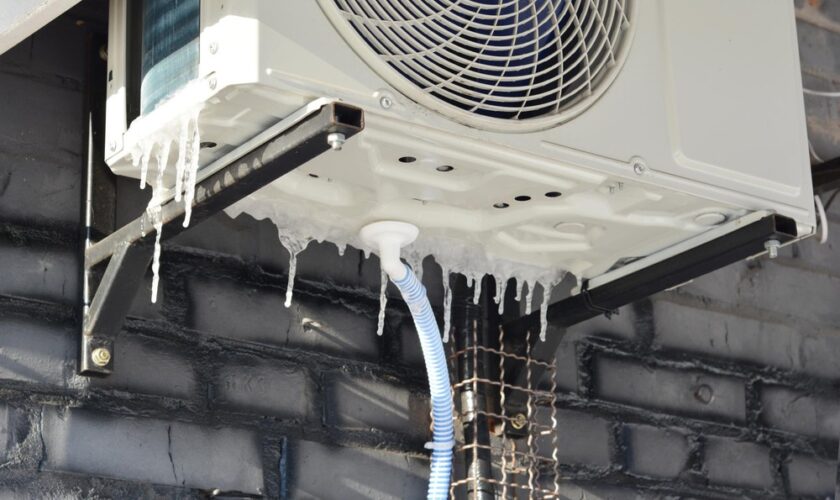
If your air conditioner suddenly stops cooling and you notice ice buildup inside the unit, you may be dealing with frozen evaporator coils. AC repairs for frozen coils are common, especially during peak summer months when systems run continuously.

While ice on your AC may seem harmless, it’s actually a sign that something is restricting airflow or affecting refrigerant levels. Left untreated, frozen coils can lead to serious damage-including compressor failure.

Here’s what causes frozen coils and how professionals fix the issue.

What Are Evaporator Coils?

Evaporator coils are located inside your indoor air handler. Their job is to:

  • Absorb heat from indoor air
  • Transfer heat outside
  • Cool and dehumidify your home

When airflow is restricted or refrigerant is low, the coils become too cold and moisture in the air freezes on contact-creating ice buildup.

Signs Your AC Coils Are Frozen

Common warning signs include:

  • Warm air blowing from vents
  • Weak airflow
  • Visible ice on refrigerant lines
  • Water pooling near the unit after thawing
  • AC running constantly

If you see ice, turn off the system immediately to prevent further damage.

Why Do AC Coils Freeze?

Frozen coils are usually caused by one of these issues:

1. Dirty Air Filter

Restricted airflow prevents warm air from reaching the coils, causing temperatures to drop too low.

2. Low Refrigerant Levels

Leaks reduce system pressure, lowering coil temperature and leading to ice formation.

3. Blocked or Closed Vents

Closed supply vents reduce airflow through the system.

4. Dirty Evaporator Coils

Dust buildup insulates the coils and interferes with heat absorption.

5. Drainage Problems

Clogged condensate lines can contribute to moisture-related issues.

In humid climates like Florida, Texas, and Arizona, long cooling cycles increase the likelihood of airflow-related problems.

What to Do If Your AC Coils Freeze

If you suspect frozen coils:

  1. Turn off the AC system
  2. Switch the fan to “On” to help thaw the ice
  3. Replace the air filter
  4. Ensure all vents are open
  5. Call a licensed HVAC professional

Never chip away ice manually-this can damage delicate coil fins.

How Professionals Handle Frozen Coil Repairs

Professional AC repairs for frozen coils typically include:

  • Complete system inspection
  • Refrigerant pressure testing
  • Leak detection (if necessary)
  • Coil cleaning
  • Airflow assessment
  • Drain line clearing
  • Electrical system checks

Technicians identify and fix the root cause-not just the ice itself.

How Much Do Frozen Coil Repairs Cost?

Costs vary depending on the underlying issue:

  • Air filter replacement: $20-$50
  • Coil cleaning: $150-$400
  • Refrigerant recharge: $200-$800
  • Leak repair: $400-$1,500

If compressor damage occurs due to prolonged freezing, repair costs can exceed $1,000-$2,500.

Can Frozen Coils Damage Your AC?

Yes. Running your AC while frozen can cause:

  • Compressor overheating
  • Motor damage
  • System shutdown
  • Water damage from thawing

Addressing the issue early prevents expensive AC repairs later.

Preventing Frozen Coils

Regular maintenance reduces the risk of frozen coils. To prevent problems:

  • Change filters every 1-3 months
  • Schedule annual tune-ups
  • Keep vents open and unblocked
  • Monitor refrigerant levels
  • Clean coils regularly

Routine care keeps airflow steady and temperatures balanced.

When Replacement May Be Needed

If your system is:

Replacement may be more cost-effective than ongoing repairs.

Final Thoughts

AC repairs for frozen coils should never be ignored. Ice buildup is a symptom of a deeper issue-usually airflow restriction or refrigerant imbalance. Acting quickly protects your compressor, restores cooling efficiency, and prevents costly breakdowns.

If you notice ice on your system, turn it off and schedule a professional inspection. Prompt diagnosis and proper repair will keep your cooling system running safely and efficiently all season long.

This post was written by a professional at Air Mavericks Heating & Cooling. Air Mavericks Heating & Cooling provides expert AC repair, installation, and maintenance in Largo, FL. Searching for ac companies near you, hvac repair near you, or hvac installation near you? Our licensed techs deliver fast, honest, and reliable HVAC service.

read more
Flooring

How to Maintain Marble Countertops in Pennsylvania’s Climate

Marble countertops are prized for their elegance, soft veining, and timeless appeal-but maintaining them properly requires a clear understanding of both the material and the environment. In Pennsylvania, where homeowners experience humid summers, cold winters, and fluctuating indoor conditions, marble care needs a slightly more thoughtful approach. Knowing how to maintain marble countertops in Pennsylvania’s climate will help preserve their beauty and performance for years to come.

Homeowners across Metro Philadelphia and surrounding areas often work with trusted local professionals like Cosmos Marble & Granite, a family-owned and operated company with more than 30 years of experience fabricating and installing natural stone countertops. Below are expert-backed maintenance tips tailored specifically to Pennsylvania homes.

Why Pennsylvania’s Climate Affects Marble

Marble is a natural, porous stone. While it’s durable, it reacts to moisture, temperature changes, and household use. Pennsylvania’s climate presents a few unique challenges:

  • Humidity in summer can increase moisture absorption if marble is not properly sealed
  • Dry indoor air in winter can affect sealant longevity
  • Temperature fluctuations may impact stone and sealers over time

Proper sealing, cleaning, and daily habits are essential to keeping marble countertops looking their best year-round.

1. Seal Marble Regularly-Especially in Humid Months

Sealing is the most important step in marble maintenance. A high-quality stone sealer helps protect marble from moisture, stains, and spills-common concerns in Pennsylvania kitchens and bathrooms.

Best practices:

  • Seal marble at installation
  • Re-seal every 6-12 months, depending on use
  • Test the surface by placing a few drops of water-if it darkens quickly, it’s time to reseal

Professional fabricators often apply an initial sealer and guide long-term sealing schedules.

2. Clean Daily With pH-Neutral Products

Marble is sensitive to acidic and abrasive cleaners. In Pennsylvania homes, where kitchens are used heavily year-round, daily cleaning should be gentle but consistent.

Use:

  • Warm water
  • Mild dish soap
  • pH-neutral stone cleaners

Avoid:

  • Vinegar or lemon-based cleaners
  • Bleach or ammonia
  • Abrasive pads or powders

Wipe spills immediately-especially wine, coffee, citrus, or tomato-based foods-to prevent staining and etching.

3. Manage Etching From Acidic Foods

Etching occurs when acidic substances dull the marble’s surface, leaving light marks. This is common on kitchen countertops, especially in homes that cook frequently.

To minimize etching:

  • Use cutting boards and trays
  • Avoid placing citrus fruits directly on marble
  • Consider a honed finish, which hides etches better than polished marble

While etching doesn’t weaken the stone, professional polishing can restore the surface if needed.

4. Control Moisture in Bathrooms and Kitchens

Pennsylvania’s seasonal humidity makes moisture control especially important. In bathrooms and kitchens, excess moisture can penetrate unsealed or worn marble surfaces.

Helpful habits include:

  • Running exhaust fans during cooking and showers
  • Wiping countertops dry after use
  • Avoiding standing water near seams or sinks

These small steps significantly extend the life of both the stone and its sealant.

5. Use Trivets and Mats for Temperature Protection

While marble handles moderate heat well, sudden temperature changes can stress the stone. In winter months-when countertops may be cooler-placing very hot cookware directly on marble is not recommended.

Always use:

  • Trivets for hot pans
  • Mats under small appliances
  • Coasters under glasses

This protects against thermal shock and surface damage.

6. Schedule Professional Maintenance When Needed

Over time, even well-maintained marble may develop dull spots, scratches, or etching. Professional stone restoration services can:

  • Re-polish or hone the surface
  • Remove etches
  • Restore shine and uniformity

Working with experienced local fabricators ensures repairs are done correctly without damaging the stone.

7. Choose the Right Finish for Your Lifestyle

Finish selection plays a big role in maintenance. Pennsylvania homeowners often choose between:

  • Polished marble – Elegant and glossy, but it shows etches more easily
  • Honed marble – Matte finish that hides wear and is easier to maintain

During the design phase, professionals help homeowners select finishes that balance beauty with practicality.

Final Thoughts

Learning how to maintain marble countertops in Pennsylvania’s climate is key to protecting your investment. With regular sealing, gentle cleaning, moisture control, and mindful daily habits, marble can remain stunning for decades-even through Pennsylvania’s seasonal changes.

Partnering with trusted local experts like Cosmos Marble & Granite ensures you receive not only expertly fabricated and installed marble countertops, but also professional guidance on long-term care. Their decades of experience and customer-first approach help Pennsylvania homeowners enjoy the timeless beauty of marble without unnecessary stress.

If you’re considering marble or already have it in your home, following these maintenance tips-and consulting with professionals when needed-will keep your countertops looking elegant year after year.

This post was written by a professional at Cosmos Marble & Granite. Cosmos Marble & Granite is a family-owned countertop company with 30+ years of experience serving Abington, PA. We specialize in marble countertops Abington PA, offering timeless stone solutions for kitchens, bathrooms, and commercial projects. As a leading choice for countertop installation near you, our team delivers precise cuts, minimal seams, and exceptional finishes. Homeowners looking for kitchen countertop installers near you or a reliable marble contractor near you choose Cosmos for quality, speed, and craftsmanship. We proudly serve metro Philadelphia, New Jersey, New York, and Maryland with premium stone solutions built to last.

read more
Flooring

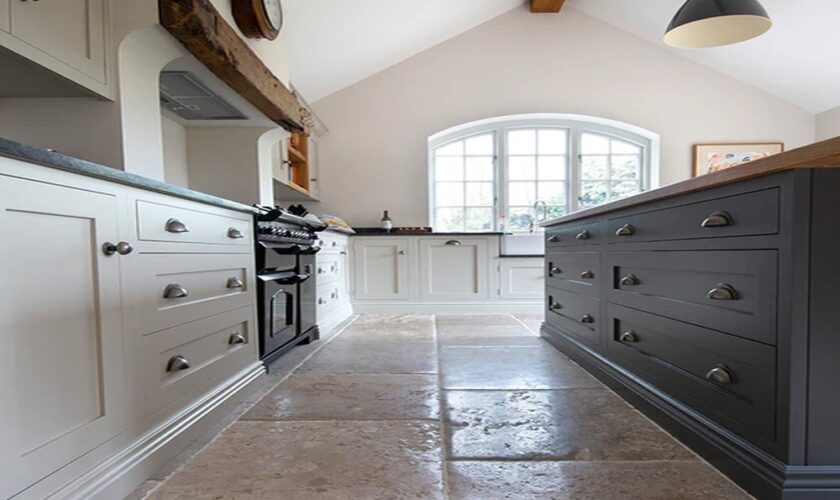
Best Tile Flooring for Kitchens: Durable, Stylish, and Built for Everyday Life

When it comes to choosing the best tile flooring for kitchens, homeowners need a solution that balances durability, water resistance, style, and ease of maintenance. The kitchen is one of the most heavily used spaces in any home-prone to spills, dropped cookware, foot traffic, and temperature changes-so flooring choices matter more here than almost anywhere else.

Tile flooring remains one of the most popular and practical kitchen flooring options in the U.S., offering long-term performance with endless design flexibility. Below, we break down the best tile flooring options for kitchens, what makes each one stand out, and how to choose the right tile for your space.

Why Tile Flooring Is Ideal for Kitchens

Tile flooring checks nearly every box for kitchen performance:

  • Water and stain resistance for spills and splashes
  • Exceptional durability against foot traffic and heavy appliances
  • Easy maintenance with simple sweeping and mopping
  • Design versatility, from modern to rustic styles
  • Heat resistance, making it ideal near stoves and ovens

With proper installation and quality materials, tile flooring can last decades-making it a smart long-term investment for homeowners.

1. Porcelain Tile: The Best Overall Choice

Porcelain tile is widely considered the best tile flooring for kitchens due to its strength and low porosity. Fired at higher temperatures than ceramic tile, porcelain is denser, harder, and more resistant to moisture.

Benefits of Porcelain Tile:

  • Highly resistant to water and stains
  • Extremely durable for high-traffic kitchens
  • Available in matte, textured, and polished finishes
  • Can mimic wood, stone, or concrete

Porcelain is ideal for busy households, open-concept kitchens, and homes with pets or kids.

2. Ceramic Tile: Affordable and Stylish

Ceramic tile is a classic kitchen flooring option that offers excellent value. While slightly less dense than porcelain, it still performs well in kitchens when properly installed and sealed.

Why Homeowners Choose Ceramic Tile:

  • More budget-friendly than porcelain
  • Wide variety of colors, shapes, and patterns
  • Easy to clean and maintain
  • Lightweight and versatile

Ceramic tile works especially well in smaller kitchens, condos, or remodels where style and cost efficiency are top priorities.

3. Natural Stone Tile: Timeless and High-End

For homeowners seeking luxury, natural stone tiles-such as slate, travertine, marble, and granite-offer unmatched beauty. Each stone tile is unique, adding character and value to the kitchen.

Pros of Natural Stone Tile:

  • Elegant, one-of-a-kind appearance
  • Adds resale value
  • Works well in upscale or traditional kitchens

Considerations:

  • Requires sealing and ongoing maintenance
  • More expensive than ceramic or porcelain
  • Some stones can be slippery if polished

Stone tile is best suited for homeowners who prioritize aesthetics and are comfortable with a bit more upkeep.

4. Wood-Look Tile: Style Without the Worry

Wood-look tile combines the warmth of hardwood with the durability of tile, making it a top trend in modern kitchen design.

Why Wood-Look Tile Is Popular:

  • Waterproof and scratch-resistant
  • No warping or swelling like real wood
  • Works with farmhouse, transitional, and modern styles
  • Compatible with radiant floor heating

This option is perfect for homeowners who love the look of wood but need kitchen-friendly performance.

5. Patterned and Textured Tile for Safety and Style

Textured and patterned tiles are increasingly popular in kitchens-not just for aesthetics, but for safety. Slip-resistant finishes help reduce accidents, especially in homes with kids or seniors.

Popular design choices include:

  • Hexagon tiles
  • Herringbone and chevron patterns
  • Encaustic-style designs
  • Matte and anti-slip finishes

These tiles add visual interest while improving traction in wet areas.

How to Choose the Right Tile for Your Kitchen

When selecting the best tile flooring for kitchens, consider these key factors:

  • Slip resistance (look for textured or matte finishes)
  • Durability rating for heavy foot traffic
  • Maintenance requirements
  • Overall kitchen design and color scheme
  • Professional installation quality

Even the best tile won’t perform well without proper installation, subfloor preparation, and grout selection.

Final Thoughts

Choosing the best tile flooring for kitchens comes down to balancing performance, style, and long-term value. Porcelain tile leads the pack for durability, ceramic offers affordability and variety, natural stone brings elegance, and wood-look tile delivers warmth without risk.

No matter which option you choose, quality materials and expert installation make all the difference. With the right tile flooring, your kitchen can stay beautiful, functional, and worry-free for years to come-no matter how busy life gets.

This post was written by a professional at Bradley’s Flooring & Tile. Welcome to Bradley’s Flooring & Tile, your trusted local flooring Raleigh NC installation company in Apex, NC. Family-owned and operated since 1997, we specialize in professional hardwood, carpet, tile, and luxury vinyl flooring installations, along with expert hardwood floor refinishing. Our team takes pride in delivering quality craftsmanship, honest guidance, and dependable service on every project. With deep roots in the Apex community, we’re honored when homeowners trust us to transform their spaces. We proudly serve Apex, Cary, Raleigh, Holly Springs, Fuquay-Varina, and Garner. Whether you’re updating one room or your entire home, Bradley’s Flooring & Tile is committed to making the process smooth, reliable, and done right the first time.

read more
Plumbing

Signs You Need a Water Filtration System

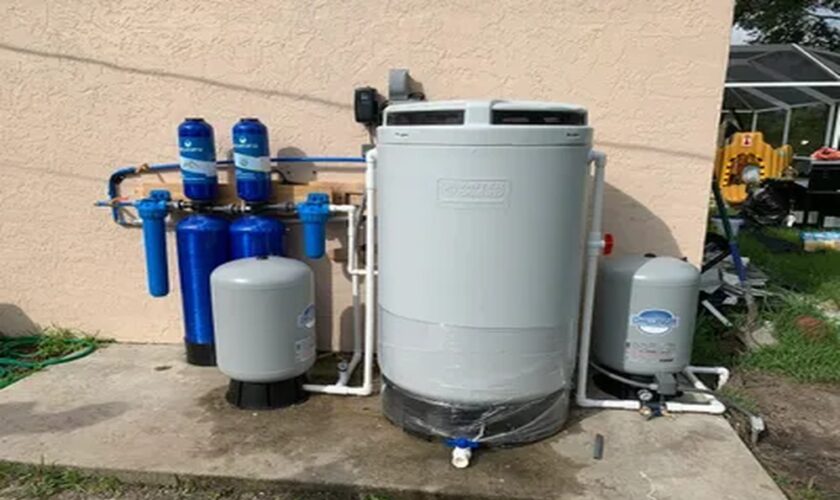
Clean water is something most homeowners assume they already have. After all, if it looks clear and doesn’t smell bad, it must be safe-right? Not necessarily. Many common water issues are invisible, tasteless, and odorless, yet they can affect your health, plumbing, appliances, and overall quality of life. Understanding the signs you need a water filtration system can help you protect your home and family before small issues turn into costly problems.

If you live in Tampa Bay or surrounding areas, water quality can vary significantly depending on whether your home uses municipal supply or well water. That’s why working with a trusted expert like One Green Filter ensures you get a solution tailored specifically to your home-not a generic system that may not address your actual concerns.

Below are the most common warning signs that indicate it may be time to install a professional water filtration system.

1. Your Water Has an Unpleasant Taste or Odor

One of the most obvious signs you need a water filtration system is when your tap water tastes metallic, bitter, or salty. You might also notice a chlorine smell or a rotten egg odor.

  • Chlorine taste often comes from municipal water treatment.
  • Metallic taste may indicate iron, copper, or other minerals.
  • Sulfur smell (rotten egg odor) is commonly linked to hydrogen sulfide.

While some of these contaminants are not immediately dangerous, they significantly affect your drinking and cooking experience. A whole-home or under-sink filtration system can remove unwanted chemicals and impurities, improving both taste and smell.

2. Cloudy or Discolored Water

Clear water should look just that-clear. If your water appears cloudy, milky, brownish, or yellow, this may indicate sediment, rust, or other dissolved particles.

Discoloration can result from:

  • Aging pipes
  • High iron content
  • Sediment buildup
  • Corrosion in plumbing systems

This is one of the more visible signs you need a water filtration system, especially if the issue persists after running the tap for a few minutes. A professionally installed filtration system can effectively remove sediment and protect your plumbing.

3. Scale Buildup on Faucets and Appliances

Have you noticed white, chalky residue on your faucets, showerheads, or inside your kettle? That buildup is caused by hard water minerals like calcium and magnesium.

Hard water can lead to:

  • Reduced appliance efficiency
  • Clogged pipes
  • Higher energy bills
  • Shortened lifespan of dishwashers and water heaters

While a water softener specifically targets hardness, many homeowners choose a combined softening and filtration solution for complete protection. If you’re constantly cleaning mineral buildup, that’s a clear sign your water needs treatment.

4. Dry Skin, Hair Issues, or Irritation

Your water doesn’t just affect what you drink-it affects what touches your skin every day. Hard water and chemical contaminants can cause:

  • Dry, itchy skin
  • Brittle hair
  • Faded laundry
  • Soap that doesn’t lather properly

If your skin feels tight after showering or your hair looks dull no matter what products you use, your water could be the culprit. A home water filtration system can dramatically improve your bathing experience and overall comfort.

5. Frequent Plumbing Repairs

If you’re regularly calling a plumber for pipe issues, leaks, or appliance repairs, poor water quality might be the root cause. Minerals, sediment, and contaminants can gradually damage plumbing systems from the inside.

Installing a filtration system helps:

  • Extend the life of pipes
  • Reduce corrosion
  • Protect water-using appliances
  • Minimize maintenance costs

Preventative investment today can save you thousands in future repair expenses.

6. You Rely Heavily on Bottled Water

If your family constantly buys bottled water because you don’t trust your tap water, that’s one of the biggest signs you need a water filtration system.

Bottled water is:

  • Expensive over time
  • Environmentally harmful due to plastic waste
  • Inconvenient to store and transport

One Green Filter was founded with the mission to help families eliminate single-use plastic bottle waste while enjoying safer, cleaner water directly from the tap. A properly installed filtration system gives you confidence in every glass without the ongoing cost.

7. You Use Well Water

Well water is not treated by a municipal system, meaning it can contain bacteria, sediment, iron, sulfur, and other contaminants. Regular testing is essential.

If your home runs on well water, installing a customized water filtration system is not optional-it’s critical. Professional water testing ensures your system targets exactly what’s present in your supply.

Why Professional Water Testing Matters

Many homeowners try DIY filtration solutions like pitcher filters or store-bought faucet attachments. While these may provide minimal improvement, they rarely address the full scope of water issues.

At One Green Filter, every solution begins with comprehensive water testing. This ensures your system is designed specifically for your water chemistry. Whether you need whole-home filtration, reverse osmosis, water softening, or a combination system, the right setup makes all the difference.

The Benefits of Installing a Water Filtration System

Once installed, a high-quality system provides:

  • Cleaner, better-tasting water
  • Healthier skin and hair
  • Longer-lasting appliances
  • Lower plumbing maintenance costs
  • Reduced plastic waste
  • Peace of mind

Homeowners often say they notice the difference immediately-from smoother showers to brighter laundry and improved coffee flavor.

Final Thoughts

Recognizing the signs you need a water filtration system can help you take action before water quality impacts your health, plumbing, or daily comfort. If you’re noticing unpleasant tastes, mineral buildup, skin irritation, or simply spending too much on bottled water, it’s time to explore your options.

For homeowners in Tampa Bay, One Green Filter provides customized residential, commercial, and office water solutions designed to deliver exceptionally clean and soft water. With expert installation, premium components, and a commitment to eco-friendly practices, they make it easy to enjoy safe, reliable water throughout your entire home.

Don’t wait for water problems to worsen-get your water tested and discover the difference professional filtration can make.

This post was written by a professional at OneGreenFilter – Water Purification Experts. At OneGreenFilter – Water Purification Experts, we provide healthy, great-tasting water for Bay Area families through expert residential water filtration. Established in 2017, we focus on doing three things right: selling the right system, installing it properly, and maintaining it long-term. Our services include whole-home water filtration, water softeners, and reverse osmosis systems designed for your home’s specific water needs. We’re locally owned, sustainability-focused, and trusted for our 5-star service. Enjoy free water testing, professional installation, and long-term peace of mind. Click here to learn more!

read more
Roofing

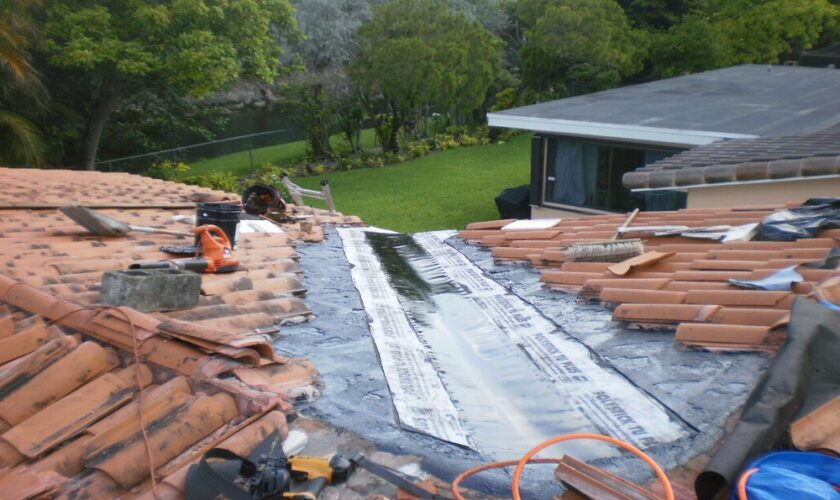
Roof Repair for Commercial Buildings in St. Petersburg

Commercial roofs play a critical role in protecting businesses, employees, equipment, and inventory. In a coastal city like St. Petersburg, Florida, commercial buildings face unique roofing challenges caused by intense sun, humidity, storms, and occasional hurricanes. Over time, these conditions can cause wear and tear that leads to leaks, structural damage, and costly interruptions to business operations. That’s why timely roof repair for commercial buildings in St. Petersburg is essential for property owners and facility managers who want to protect their investments and keep their operations running smoothly.

Companies like Old Time Roofing have spent decades helping local businesses maintain strong and reliable roofing systems. With professional inspections, accurate assessments, and skilled repair services, commercial property owners can extend the life of their roofs and avoid expensive replacements.

Why Commercial Roof Repair Matters

Commercial roofing systems are typically larger and more complex than residential roofs. Many commercial properties use materials such as flat roofing membranes, modified bitumen, metal roofing, or built-up roofing systems. When even a small problem appears-like a puncture, crack, or drainage issue-it can quickly escalate into a larger structural concern.

Ignoring early warning signs can lead to:

  • Water intrusion that damages ceilings, insulation, and electrical systems
  • Mold and mildew growth inside the building
  • Increased energy costs due to insulation problems
  • Business disruptions caused by interior leaks or repairs

Prompt roof repair for commercial buildings in St. Petersburg helps prevent these issues while protecting both the building structure and the people inside.

Common Commercial Roofing Problems in St. Petersburg

Because of Florida’s coastal climate, commercial roofs in St. Petersburg are exposed to environmental factors that accelerate deterioration. Understanding the most common issues helps property owners know when to call a professional roofing contractor.

Storm and Wind Damage

Strong winds and tropical storms can loosen roofing materials, damage flashing, and create openings that allow water to enter the building. Even minor storm damage can become a serious issue if it is not repaired quickly.

Roof Leaks

Leaks are one of the most common problems affecting commercial roofs. They often occur around seams, vents, skylights, or flashing. A professional roofing inspection can locate the source and prevent additional interior damage.

Ponding Water on Flat Roofs

Many commercial buildings have flat or low-slope roofing systems. Poor drainage can cause water to collect on the roof surface, weakening roofing materials and increasing the risk of leaks.

Aging Roofing Materials

Over time, roofing membranes and protective coatings naturally break down from UV exposure and weather conditions. Older roofs often require regular maintenance and repairs to maintain performance.

Signs Your Commercial Roof Needs Repair

Knowing when to schedule professional repairs can save property owners thousands of dollars in potential damage. Some of the most common warning signs include:

  • Water stains on ceilings or interior walls
  • Visible cracks, punctures, or tears on the roof surface
  • Loose flashing or damaged roof edges
  • Increased energy bills due to insulation issues
  • Standing water after rainstorms

If you notice any of these issues, scheduling an inspection from a professional roofing company like Old Time Roofing can help determine the best repair solution.

Benefits of Professional Commercial Roof Repair

Attempting to fix roofing issues without professional experience can lead to further damage and safety risks. Hiring experienced roofing professionals ensures the job is done correctly and efficiently.

Some key benefits of professional commercial roof repair include:

Accurate Problem Diagnosis

Experienced contractors understand how different commercial roofing systems function and can quickly identify the root cause of roofing problems.

Long-Term Cost Savings

Addressing small issues early prevents major structural damage that could require a full roof replacement.

Improved Energy Efficiency

Proper roof repairs restore insulation performance and reduce heating and cooling costs.

Business Continuity

Professional roofing teams work efficiently to minimize disruptions to business operations.

Why Local Experience Matters

When it comes to roof repair for commercial buildings in St. Petersburg, local experience is extremely valuable. Contractors who understand the region’s climate, building codes, and common roofing systems are better equipped to provide long-lasting repair solutions.

Old Time Roofing, based in St. Petersburg, Florida, has served the Pinellas County community since 1978. With more than 100 years of combined experience, the company has built a reputation for quality workmanship and dependable roofing services for both residential and commercial properties.

As a Master Elite Weather Stopper GAF Roofing Contractor and double award winner of Best Steep-Slope Contractor from GAF, Old Time Roofing is trusted throughout the community for delivering reliable roofing solutions backed by strong warranties.

Preventative Maintenance for Commercial Roofs

Regular maintenance is one of the best ways to reduce the need for major repairs. Scheduling professional roof inspections at least once or twice per year helps identify small problems before they grow into costly issues.

Preventative maintenance typically includes:

  • Inspecting roofing membranes and seams
  • Checking flashing, vents, and drainage systems
  • Clearing debris and improving roof drainage
  • Repairing minor cracks or punctures

This proactive approach extends the lifespan of commercial roofing systems while protecting the building’s structure and interior.

Protect Your Commercial Property with Expert Roofing Services

Your commercial roof is one of the most important components of your building. When problems arise, addressing them quickly with professional repair services helps prevent costly damage and business interruptions.

For reliable roof repair for commercial buildings in St. Petersburg, working with a trusted local contractor makes all the difference. With decades of experience, award-winning certifications, and a strong commitment to customer satisfaction, Old Time Roofing continues to help businesses throughout Pinellas County keep their properties protected.

If your commercial roof shows signs of damage or aging, scheduling a professional inspection today can help ensure your building remains safe, efficient, and ready to support your business for years to come.

This post was written by Ted Williams! Ted is the owner of A Old Time Roofing which is the premier roofing contractors St Petersburg FL Contractor! Ted is a Master Elite Weather Stopper GAF Roofing Contractor, a double award winner of Best Steep-Slope Contractor from GAF and achiever of Master Elite Consumer Protection Excellence from GAF. He has been serving the Pinellas County area since 1978. Old Time Roofing has a tradition of quality workmanship, servicing residential and commercial properties.

read more
Security

How Permanent Outdoor Lights Improve Home Security and Visibility

Outdoor lighting provides safety for every homeowner. Dark yards often hide many hidden dangers. You want to see your paths clearly. Now, permanent systems offer a great solution. These lights stay on your house always. You do not need to remove them. This modern technology changes how people view security. The lights glow brightly throughout the entire night. But they also look very beautiful. You can enjoy peace of mind today.

Enhancing Perimeter Safety and Control

Security starts with good visibility around the house. Burglars often look for dark homes to target. Sometimes, simple shadows provide a perfect hiding spot. But bright lights remove those dark areas easily. This makes your property a very difficult target. Now, smart systems allow for remote light control. You can change settings from your phone fast. So, the house looks occupied even during trips. This constant light deters most unwanted visitors quickly.

Improving Path Visibility for Every Guest

Walking in the dark can be quite dangerous. You might trip over a small rock. Uneven ground often causes many painful falls. But permanent lighting illuminates every single step clearly. This helps guests find the front door safely. Now, you can highlight every walkway with ease. Good visibility prevents accidents on your private property. So, your family stays safe during late nights. These lights guide people along the right paths. You will never worry about a dark porch.

Increasing Neighborhood Awareness and Visual Appeal

A well-lit home stands out in the street. Neighbors can see your property from their windows. Sometimes, this communal visibility stops a crime early. But the lights also add a stunning look. You can find the best outdoor permanent lights for your home style. These fixtures blend into the roofline very smoothly. Now, the house looks elegant and also very safe. Utah Holiday Lighting helps you choose the right colors. So, the lights match your unique home design. This adds value to the entire local neighborhood.

Long Term Value and Simple Maintenance

Traditional lights often break after one single season. You must climb tall ladders to fix them. But permanent systems use very durable LED bulbs. These bulbs last for many thousands of hours. Now, you save money on frequent bulb replacements. The tough housing protects against rain and snow. So, the lights remain functional in harsh weather. You do not have to store messy wires. This saves a lot of time and effort. Utah Holiday Lighting ensures the installation is done right. You enjoy a bright home for many years.

Conclusion

Permanent lights are a smart home investment. They provide safety and style in one package. You can protect your family with better visibility. The dark corners will finally disappear for good. Now, your home can shine every single night. These systems are easy to use every day. So, you get security without any extra work. You deserve a home that feels truly safe.

read more
Real Estate

Midtown Bay Home Investment Potential in a Prestigious District

Property investment sounds simple when people talk about it casually. Buy in a good district, wait, and expect the value story to take care of itself. Real decisions are never that neat. Buyers eventually start asking whether the home will remain attractive, whether the location really supports demand, and whether the unit makes sense for actual living. That is where Midtown Bay gets serious attention in Singapore. It is not only a name in a central district. It is a property that has to keep making sense after the launch mood disappears.

Prestige matters, though practicality matters even more

A prestigious district always helps with first impressions. That part is obvious enough. Still, investors usually need more than a nice address on paper. They need a location that supports routine convenience, tenant appeal, and future buyer interest without needing a long explanation every time. Midtown Bay fits that discussion because the value is easier to understand when the location already connects strongly with work, transport, and city activity. Prestige opens the door, but practical relevance usually keeps the interest alive.

Central living often supports a clearer demand story.

In Singapore, buyers and tenants often respond to convenience faster than people expect. Shorter travel time, easier food options, and direct city access all shape the way a property feels in daily life. That is one reason Midtown Bay keeps coming up in investment conversations. A home in a well-connected area usually has a clearer audience. People can imagine living there without much effort. That clarity helps investors because demand feels less abstract and more tied to everyday life.

A good investment still needs a unit that people would choose.

Some buyers focus so hard on district reputation that they forget the home itself still has to work. Layout, light, room flow, and general comfort all matter later, especially when the property needs to appeal to real occupants. Midtown Bay deserves attention on that level, too. A central address helps, yes, but a home that feels awkward inside can weaken the whole investment case. Strong property decisions usually happen when location and livability support each other instead of competing.

Comparisons help investors sharpen their logic.

Nobody sensible reviews one project in isolation. Comparison helps remove the emotional fog. A buyer considering Midtown Bay may also look at Cape Royale, even though the residential setting and lifestyle pattern are clearly different. That difference is useful. Cape Royale may suit a different kind of prestige preference, while Midtown Bay often feels more tied to direct city access and central routine convenience. Looking at both can help investors decide whether they are buying for urban relevance or a different premium atmosphere.

Premium districts do not always need larger units.

This is where some investors adjust their thinking. In a central part of Singapore, oversized space is not always the strongest selling point. A well-planned, smaller unit can feel more attractive than a larger one that wastes floor area or feels clumsy in layout. Midtown Bay often fits investors who understand this tradeoff already. They are usually thinking about audience fit, modern living patterns, and whether the unit feels practical enough to stay desirable later. Efficient design can support a stronger long-term appeal than size alone.

Long-term value usually follows relevance, not noise.

Launch excitement fades. Marketing language fades, too. What stays behind is whether the property still feels useful, current, and easy to understand for future buyers or tenants. Midtown Bay benefits from that kind of thinking because central convenience tends to keep its appeal in Singapore. Even when investors compare it with Cape Royale, the final decision often comes back to relevance. Which property fits the right audience more clearly? Which one supports daily life more naturally? Those questions usually matter most in the end.

Conclusion

Investment potential in a prestigious district should be judged by more than image alone. Midtown Bay stands out because it combines central convenience, modern livability, and a location story that remains easy for buyers and tenants to understand in Singapore. Some investors may still compare it with Cape Royale, and that can be a smart move because the contrast often shows whether they prefer direct urban demand or a different premium residential setting. In the end, stronger property choices usually come from practical relevance, usable design, and long-term audience fit. Review the fundamentals carefully, compare the options honestly, and speak with a qualified property professional before making your next investment decision.

read more
1 2
Page 1 of 2