Spalling concrete repair is a critical maintenance discipline that every building owner in Singapore should understand. Concrete may appear permanent, but it is a material under constant siege – from moisture, atmospheric gases, thermal stress, and the relentless chemistry of corrosion. When its protective layers fail, the consequences range from unsightly facades to genuine structural danger.
The Primary Causes of Concrete Spalling
Concrete spalling does not occur in isolation. It is the visible outcome of processes that have been at work for years, sometimes decades, within the structure. Understanding these causes is essential for both effective repair and long-term prevention.
Corrosion
Reinforcement corrosion remains the leading cause. Steel reinforcement bars embedded in concrete are normally protected by the high alkalinity of the surrounding cement matrix. When this alkalinity is reduced through carbonation or when chlorides penetrate the concrete cover, the steel begins to corrode. Rust occupies up to six times the volume of the original steel, generating enormous internal pressure that cracks and eventually expels the concrete cover.
Carbonation
Carbonation is a natural process in which carbon dioxide from the atmosphere reacts with calcium hydroxide in the concrete, forming calcium carbonate. This reaction progressively neutralises the concrete’s alkalinity, advancing inward from the surface at a rate that depends on concrete quality, cover depth, and environmental conditions. In Singapore’s warm, humid climate, carbonation rates are significant.
Chloride
Chloride ingress accelerates corrosion independently of carbonation. Buildings near the coast, structures exposed to swimming pool water, and car parks where de-icing chemicals are tracked in are all vulnerable. Chlorides can initiate pitting corrosion even when the concrete remains alkaline.
Poor Construction Quality
Poor construction quality compounds these mechanisms. Insufficient concrete cover over reinforcement, inadequate compaction during casting, high water-to-cement ratios, and premature formwork removal all reduce the concrete’s ability to resist deterioration. Many buildings constructed during Singapore’s rapid development decades are now showing the consequences of these shortcuts.
Thermal and Structural Stress
Thermal and structural stress also plays a role. Daily temperature changes cause concrete elements to expand and contract, particularly exposed roof slabs and facades facing west. Over time, this cycling fatigues the material and opens micro-cracks that admit water.
The Risks of Leaving Spalling Unrepaired
The risks of deferred concrete restoration fall into three categories, each more serious than the last.
Safety Hazards
Safety hazards are the most immediate concern. Loose concrete fragments falling from height can injure or kill pedestrians, residents, and workers below. In Singapore, several serious incidents have prompted regulatory authorities to mandate periodic facade inspections for older buildings. Mr Ahmad Firdaus, a facilities management consultant based in Jurong, recalls the urgency such events create. “A piece of concrete the size of a dinner plate fell from a seventh-floor balcony soffit onto a walkway,” he recounts. “Nobody was hurt, but it could easily have been fatal. The management corporation authorised emergency repairs within forty-eight hours.”
Structural Compromise
Structural compromise develops as corrosion progresses. Loss of reinforcement cross-section reduces the load-bearing capacity of beams, columns, and slabs. In severe cases, this can affect the structural integrity of the building, requiring not just patch repairs but major structural strengthening works.
Financial Escalation
Financial escalation is the third risk. Concrete deterioration is progressive. A small spall that might cost a few hundred dollars to repair today can expand into a project costing tens of thousands within a few years if moisture continues to reach corroding reinforcement. Early intervention is always the more economical path.
Established Repair Methods
The approach to structural repair depends on the extent and severity of the damage. Several proven methods are available, each suited to different conditions.
Patch Repair
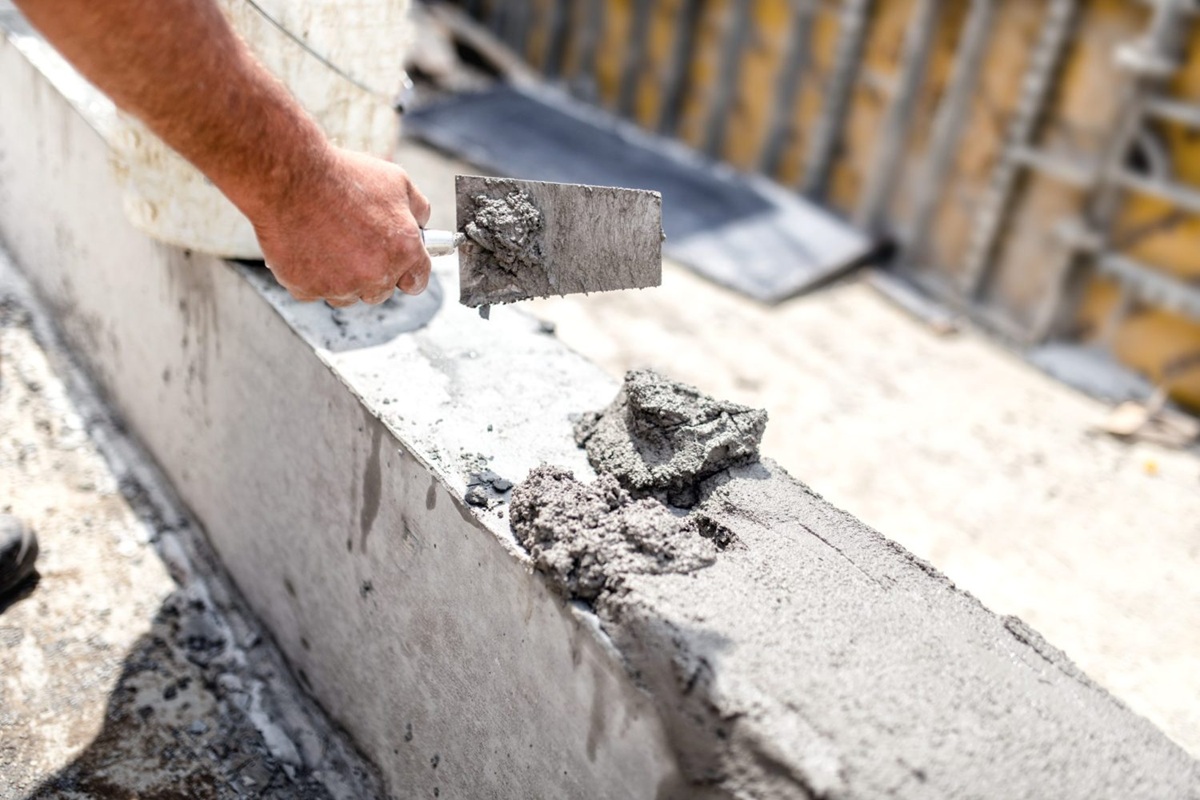
Patch repair is the most common method for localised spalling. It involves removing all damaged and contaminated concrete, cleaning and treating the exposed reinforcement, and filling the cavity with a polymer-modified repair mortar. When properly executed, patch repairs restore both the protective cover and the visual appearance of the concrete element.
Sprayed Concrete Repair
Sprayed concrete repair is used for larger areas where hand application would be impractical. A cementitious or polymer-modified mortar is sprayed onto the prepared surface at high velocity, achieving good compaction and bond strength. This method is efficient for building facade repair projects involving extensive soffit or wall areas.
Cathodic Protection
Cathodic protection addresses the root cause of corrosion rather than its symptoms. By applying a small electrical current through an anode system installed on the concrete surface, cathodic protection suppresses the electrochemical reactions that drive steel corrosion. This approach is particularly valuable for structures where chloride contamination is widespread and conventional patch repair alone would not prevent recurrence.
Re-allalisation
Re-alkalisation is a non-destructive technique that reverses carbonation by temporarily applying an alkaline solution and electrical current to the concrete surface. The process restores the high pH environment around the reinforcement, re-establishing the passive protection that carbonation had destroyed.
Protective Coatings
Protective coatings form the final layer of defence. Anti-carbonation coatings, hydrophobic impregnations, and elastomeric systems are applied to the concrete surface after repairs are complete. These coatings slow the rate of future deterioration by limiting the ingress of moisture, carbon dioxide, and chlorides.
Prevention as a Repair Strategy
The most effective spalling concrete repair strategy incorporates prevention. Applying protective coatings to sound concrete before deterioration begins, maintaining waterproofing systems to prevent water ingress, and conducting regular condition surveys to catch early signs of distress all contribute to extending the interval between major repair cycles.
A Matter of Craft and Commitment
Concrete repair is work that rewards precision and punishes haste. Every step – from diagnosis through preparation, treatment, and protection – must be executed with care and documented thoroughly. For building owners in Singapore, understanding the causes, risks, and repair methods empowers better decisions. And those decisions, guided by professional spalling concrete repair expertise, determine whether a building ages gracefully or falls into costly decline.