close

Clare Louise

HVAC

Single-Stage, Two-Stage or Modulating: What Each Furnace Costs to Own in Calgary

When a furnace replacement quote arrives, the stage of the burner is often the line that separates a lower price from a higher one. Single-stage, two-stage and modulating furnaces all heat the house, and in Canada they all have to meet the same high efficiency floor, so the difference is not about whether the furnace is efficient. It is about how the furnace behaves on the many days that are cold but not extreme, which in Calgary is most of the heating season. Looking at the cost of ownership over fifteen years or more, rather than the installed price alone, makes the choice a lot clearer, and so does talking it through with a local installer who quotes all three furnace types.

What the Three Types Do

A single-stage furnace has one setting, which is full output. Whenever the thermostat calls for heat, the burners fire at their maximum and run until the house is warm, then shut off completely. A two-stage furnace adds a lower setting and uses it for most calls, switching to full output only when the house needs it, such as on a cold night or when you raise the thermostat in the morning. A modulating furnace goes further and adjusts its output in small steps across a wide range, so it can run long, gentle cycles that match the heat the house is losing at that moment.

Federal efficiency regulations require most residential gas furnaces made since July 2019 for the Canadian market to reach at least 95 percent AFUE. That means all three types on a Calgary quote are condensing, high-efficiency furnaces that vent through plastic pipe, and the efficiency rating alone will not separate them by much.

Why Calgary Weather Matters Here

Heating systems in Calgary are sized for an outdoor design temperature of about -30 C, a level the city reaches on only a few days in a typical winter. Most heating hours are spent somewhere well above that, and chinooks regularly bring stretches of mild weather in the middle of January. On those days a single-stage furnace sized for -30 C has far more capacity than the house needs, so it runs short, hot bursts and cycles often. A two-stage or modulating furnace spends those hours at a lower output with longer, steadier runs, which is where the comfort difference comes from.

Installed Price

A new furnace installed in Calgary typically lands between $5,000 and $8,000, depending on the model, the venting and the house. Where a particular quote falls within that range depends on the equipment and the details of the job, and modulating furnaces are often paired with a variable-speed ECM blower and a compatible thermostat, which are worth seeing as their own lines on the quote. When you compare furnace replacement options for Calgary homes, ask each contractor to quote the same house with two different furnace types, so the difference in equipment is visible separately from the labour, venting and permit.

Running Costs

Because all three types share a similar efficiency rating, the gas savings between them are usually modest rather than dramatic. The blower makes some difference too, although less than it once did. Since 2019 new furnaces have also had to meet a federal fan energy standard, so most now use an efficient ECM-type motor, and modulating and many two-stage models go a step further with a fully variable-speed blower that can run at a very low speed, which adds up if you run the fan continuously for air circulation or filtration. Longer, lower cycles also mean fewer starts, which puts less wear on the igniter and the inducer motor over the life of the furnace.

Be cautious with any quote that promises a specific percentage saving on your gas bill from staging alone. The real result depends on the house, the thermostat habits and the old furnace being replaced, and a contractor cannot guarantee it in advance.

Repair Costs Over Time

More sophisticated furnaces have more sophisticated parts, and that shows up when something fails out of warranty. In Calgary, a blower motor typically costs $600 to $1,500 to replace, with ECM motors toward the upper end, and control boards typically run $500 to $1,200. Modulating furnaces often use communicating controls, and their gas valves are more involved than those on a single-stage unit, so a repair late in the furnace’s life tends to cost more.

Warranty terms narrow that gap considerably during the first decade. Major manufacturers commonly offer a 10-year parts warranty once the furnace is registered, and some installers offer extended labour coverage tied to annual maintenance. Before choosing a modulating unit, ask how registration is handled and what the labour warranty covers, since those two answers decide who pays for a failed board in year six.

Comfort and Noise

Many owners who move from single-stage to two-stage or modulating describe the change mainly in terms of comfort. Long, low cycles keep the temperature closer to the setpoint, reduce the blast of hot air at the start of each cycle, and help upstairs bedrooms in two-storey homes stay closer to the main floor. The furnace also runs more quietly at low output, which matters if the furnace room sits next to a basement bedroom or office.

Calgary Air Heating and Cooling Ltd Contact Information

Address

Phone

+1 (403) 720-0003

Hours of operation

7 a.m. to 11 p.m. (including weekends)

https://calgaryair.ca/furnace-replacement-calgary/

Get Directions

Which One Makes Sense for Your House

A single-stage furnace is a reasonable choice for a smaller, simple home, a rental, or a house you plan to sell within a few years, since it keeps the upfront cost down and the parts are straightforward. Two-stage furnaces suit many detached Calgary homes, offering a noticeable comfort gain over a single-stage unit. Modulating furnaces suit larger or two-storey homes with comfort complaints, or owners planning to stay long enough to benefit from the quieter, steadier operation. Whichever you choose, insist on a proper heat loss calculation, because a correctly sized single-stage furnace will often outperform an oversized modulating one.
read more
Roofing

Pairing Solar Panels With a Standing Seam Steel Roof

Every few weeks, somewhere in Chittenden County, a crew climbs onto a perfectly good solar array and starts unbolting it. The panels are fine. The shingles under them are worn out, and a new roof can’t go on until the array comes off. Installers call this a detach and reset, and the bill often runs into the thousands, on top of the reroof itself.

That situation comes from two clocks running at different speeds on the same roof. Asphalt shingles in this climate tend to last twenty to twenty-five years. Solar panels usually carry warranties of twenty-five to thirty years and often keep producing after that. Put a new array on a ten-year-old shingle roof and you’ve almost guaranteed that the array will have to come off at least once.

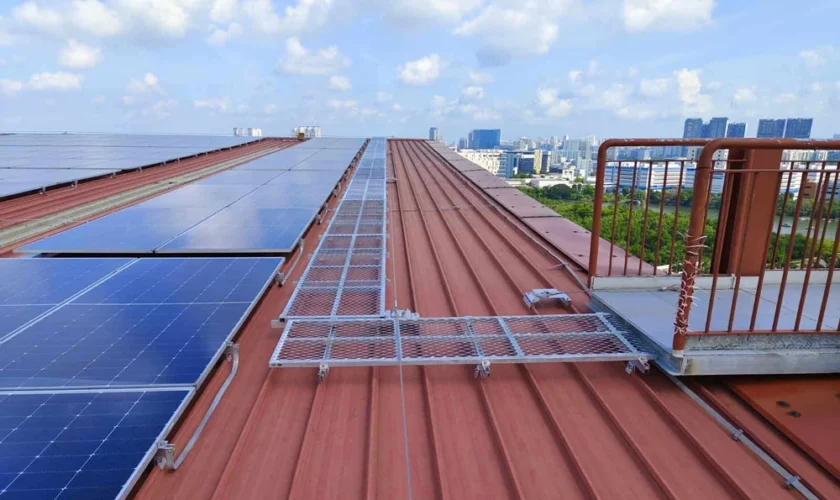
Steel changes that timing, and it’s a big reason so many homeowners now ask about panels and metal together. People looking into South Burlington standing seam metal roofing can speak with crews that are certified on Drexel and Englert metal systems, assign a project manager to each job and have spent more than two decades roofing homes across Vermont. That combination is worth having when two trades share a roof. A well-installed standing seam roof can last forty years or more, which means the first array may come and go while the roof stays put.

The Seam Is Already a Mounting Rail

On a shingle roof, solar racking is fastened through the roofing into the rafters. Every one of those lag bolts is a hole that depends on flashing and sealant to stay dry for decades. A typical residential array can have dozens of them.

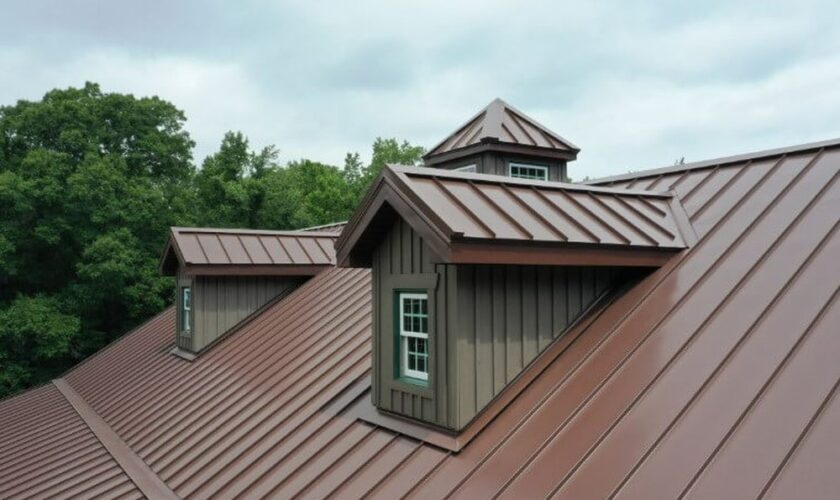
Standing seam works differently. Each panel joins its neighbor at a raised rib, and solar clamps grip that rib directly. Set screws press against the seam without piercing it, so the roof surface underneath the array has no holes at all. Rails or module brackets attach to the clamps, and the panels sit on top. There is no flashing to age and no sealant to dry out, and nothing is fastened down through the roof.

Clamp manufacturers test their hardware against specific seam shapes and publish which profiles each clamp fits. That’s why the profile chosen at the start matters so much later.

Not Every Seam Grips the Same Way

“Standing seam” covers several panel designs, and they don’t all behave alike under a clamp, a snow load or a strong wind off the lake. The three most common on homes are listed here.

  • Mechanically seamed panels are crimped closed on the roof with a seaming tool, in a single or double fold. A double lock is the strongest option against wind uplift and heavy snow, and it gives clamps a very secure grip.
  • Snap-lock panels click together by hand with no seaming tool. They go on faster and cost less, and they hold clamps well when the hardware is matched to the profile.
  • Nail strip panels are screwed through a flange along one edge, and the next panel hides those screws. They’re the most economical, but they allow less room for expansion, so they’re usually limited to shorter runs like porches and sheds.

Seam height plays a role too. A taller rib, around an inch and a half to two inches, keeps the joint higher above melting snow and slush and gives a clamp more to hold.

Gauge, Coating and the Long Promise

The thickness of the steel is given as a gauge, and a lower number means heavier metal. Most residential standing seam uses 24 or 26 gauge. The heavier 24 gauge resists the waviness installers call oil canning and better handles foot traffic from a solar crew.

The protection is in the layers. Most quality panels start with a steel core coated in an aluminum and zinc alloy, then get a painted finish on top. PVDF finishes, often sold under the Kynar 500 name, resist chalking and fading much longer than cheaper polyester paints. Finish warranties on these systems often run thirty to forty years. That is the number to compare against the panel warranty when deciding whether the roof will outlast the array.

Snow Behaves Differently Under Glass and Steel

Glass and painted steel are both slick, and a Vermont winter makes that matter. Snow that slides off an array can take the snow on the metal below it with it, and the whole load comes off the eave at once. Above a front door, a deck stair or a driveway, that’s a real hazard.

The fix uses the same seams as the solar mounts. Snow guards and snow fence clamp onto the ribs without piercing the roof, usually placed below the array and over any spot where people walk or park. Placement should be planned with the solar layout, not added after the first February.

Metal also gets hotter in summer sun than shingles do, so the underlayment beneath it should be a high-temperature synthetic rated for metal. Older felt can soften and stick in that heat. Steel does help with ice dams, because meltwater runs off a smooth surface instead of creeping under shingle tabs. Attic insulation and air sealing still decide how much melting happens to begin with.

Planning the Roof Around the Array

Once a roof will host solar, the best layout decisions happen on paper before any metal is ordered. A few small details make a big difference.

Plumbing vents, bath fans and chimneys interrupt the long open runs that panels need. A good crew will consider rerouting or combining vent pipes away from the sunniest plane before the new roof goes on. Fire code setbacks along ridges and edges reduce how much of the roof can hold panels, so the roofer and solar designer should share drawings early. Wiring paths, conduit entry and grounding of the metal roof and racking all need agreement between both trades.

New construction in South Burlington adds another factor. The city requires new buildings to set aside part of the roof as a solar-ready zone. A standing seam roof suits that zone well, because it can stay unused for years and accept an array later without a single new hole.

Doing Both Jobs in One Season

The U.S. Department of Energy notes in its step-by-step guide for homeowners going solar that putting panels up at the same time as a roof replacement can often save money. In practice that means a coordinated handoff. The roofer finishes the steel, the solar crew follows within weeks, and both are working from the same plan.

Warranties are where people get caught. Ask the roofer which clamp brands and models it approves for its panels, and get that approval in writing. Some metal warranties exclude damage from attachments the roofer never signed off on. The solar contract should also say who is responsible if a seam is damaged during racking.

A Roof That Outlives Its First Array

The real difference comes years down the road. When the first panels are eventually retired, a shingle roof would be due for replacement again. A steel roof with properly clamped seams is usually still sound and can take a second, more efficient array on the same ribs. In a city that is steadily adding solar to its rooftops, a roof designed to last through more than one generation of panels is the sensible place to start.

read more
Roofing

How Attic Ventilation Protects Your Roof

Most homeowners think about a roof as shingles, flashing, and gutters, the parts you can see from the driveway. But a roof is really a system, and one of its most important parts sits out of sight in the attic. Airflow through that space controls heat and moisture, and both of those have a direct effect on how long your roof lasts. A roof with poor ventilation can age years ahead of schedule, even when the shingles are good quality and the installation was done well. Here is what is happening above your ceiling and what you can do about it.

Why the attic matters to the roof

The attic is the buffer between your living space and the outdoors. In summer, the sun heats the roof surface, and that heat passes into the attic. In winter, warm air from the house rises into the same space and carries moisture with it. If that heat and moisture have nowhere to go, they build up under the roof deck.

Over time, trapped heat can bake shingles from underneath, causing them to curl, crack, or lose their protective granules early. Trapped moisture can lead to damp insulation, stained ceilings, mold growth, and rot in the wood framing. None of this shows up quickly, which is why many people only find out when a repair has become a replacement.

Ventilation and insulation work as a team

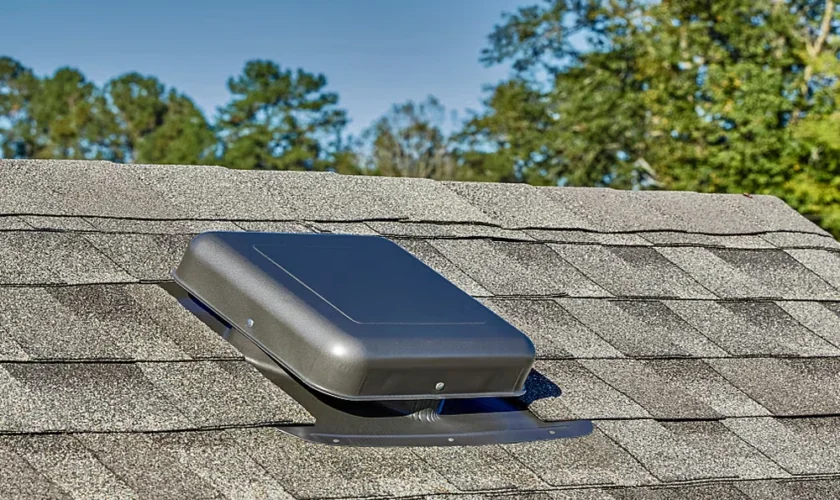
Good ventilation depends on a simple idea: fresh air enters low, near the eaves, and warm air leaves high, near the ridge. ENERGY STAR explains in its guide to attic ventilation that in summer a well vented attic moves superheated air outdoors, which protects roof shingles and removes moisture. The same guide warns about a very common mistake: insulation pushed into the eaves can block soffit vents and cut off the airflow the attic needs. Rafter vents, sometimes called baffles, keep a clear channel open above the insulation.

This is why adding insulation without thinking about ventilation can backfire. More insulation helps keep conditioned air inside the house, but if it smothers the vents, you trade one problem for another.

Know the signs of a ventilation problem

You do not need to climb onto the roof to spot warning signs. Look for these:

  • Shingles that are curling, cracking, or losing granules faster than neighboring homes with similar roofs
  • Frost, damp patches, or a musty smell in the attic during cold months
  • Ice dams along the eaves after snow, which can force water under shingles
  • Rooms below the attic that are hard to cool in summer
  • Rusted nails or dark stains on the underside of the roof deck
  • Energy bills that keep rising with no change in your habits

Any one of these can have other causes, so treat them as clues rather than a diagnosis.

Get a professional to read the whole roof

Ventilation problems are tricky because they involve airflow, insulation levels, roof design, and the condition of the materials all at once. A contractor such as Quality Roofing & Construction Inc can inspect the roof surface and the attic together, check whether vents are open and balanced, and explain whether you need a minor adjustment or a larger repair. Ask for photos of anything they find, and ask them to point out exactly where the problems are so you can see them for yourself.

A good inspection looks at more than leaks. It covers flashing around chimneys and vents, the condition of the sealant, the state of the gutters, and whether the roof deck feels solid underfoot. Written findings give you something to compare against other quotes and something to refer back to later.

Avoid the common ventilation mistakes

A few errors show up again and again. Mixing different types of vents on the same roof, such as adding a powered fan on top of a ridge vent, can disrupt airflow instead of improving it. Covering soffit vents during a paint job or insulation project cuts off the intake side. Bathroom and kitchen fans that vent into the attic instead of outdoors dump moisture exactly where you least want it.

Another mistake is treating the symptom. Replacing damaged shingles without finding out why they failed means the new ones may fail the same way. Whenever damage shows up, ask what caused it, not just how to patch it.

Build a simple seasonal routine

Roof care does not need to be complicated. In spring and fall, walk around the house and look at the roof from the ground with binoculars if you have them. Check for missing or lifted shingles, sagging lines, and debris in the valleys. Clean the gutters so water can drain freely, and trim branches that rub against or overhang the roof.

Once a year, look into the attic with a flashlight. You are checking for daylight where it should not be, wet insulation, stains, and blocked vents. After any major storm with hail or high winds, look again, since damage is often easier to repair when found early.

Decide between repair and replacement carefully

Not every aging roof needs a full replacement. Isolated damage, a few lifted shingles, or a failed seal around a vent can often be repaired. But widespread curling, repeated leaks, or a roof near the end of its expected lifespan usually points toward replacement. When you compare options, ask what materials are proposed, how ventilation will be handled in the new design, what the warranty covers, and who is responsible if hidden damage turns up once the old layer comes off.

Final thoughts

A roof lasts longest when it is treated as a system that includes the attic. Keep air moving from the eaves to the ridge, keep insulation away from the vents, and keep an eye out for the early signs of heat and moisture damage. Schedule inspections before problems grow, and ask direct questions about ventilation whenever repairs or replacements are on the table. A little attention to what you cannot see from the street can add years to the roof you can.

read more
Gardener

Best 10 Apple Tree Suppliers for Winter Storage in Britain

Picture the fruit bowl in January. The orchard is bare, the last picking day is months behind, and a few sound apples are coming out of store. Buying a tree for that moment requires a different comparison from choosing the first crisp apple of summer. For British gardeners, winter storage begins with the cultivar and the place where it can ripen.

Work backwards from the intended eating season. Some apples are picked in autumn and improve after a period in storage. Others are best used quickly, however late their name may sound. A variety also needs enough growing season to mature properly before it enters the store. A cool garden cannot be corrected afterwards by keeping under-ripe fruit for longer.

The supplier’s tree form still matters. Fruit will eventually need picking without bruising, and a manageable crown can make careful harvesting easier. The useful offer combines a suitable keeper with a rootstock and shape that fit the garden, followed by storage the household can actually provide.

Comparing trees for the later fruit bowl

The selection uses apple offers with a documented reason for considering the fruit for winter use. CRJ Fruit Trees begins with Sturmer Pippin; alternatives introduce Winston, heritage keepers and other late-use apples, with different forms and ordering routes.

Picking time, eating season and keeping quality are treated as separate details. Supplier descriptions establish the offers, while RHS storage guidance supplies the practical context. This is an editorial buying comparison, not a trial of fruit stored from competing nurseries. Stated months are indications under suitable conditions, and uncertain or inconsistent durations are not converted into fixed promises.

1. CRJ Fruit Trees

Sturmer Pippin is a relevant choice for British gardeners preparing to buy apple trees specifically for fruit that can be used well beyond the autumn harvest. The offer pairs its keeping reputation with an important site qualification: it needs a warm, favourable position to mature properly.

That qualification belongs at the beginning of the decision. The January apple depends on an adequate autumn first. A sheltered, sunny site in a suitable area gives Sturmer a stronger case than a cold garden where the growing season already challenges late varieties.

The tree should then be chosen in a form that makes sound fruit practical to harvest. Apples intended for keeping need handling carefully; fruit damaged while being reached or dropped from a high branch is a poor starting point for a long store. The available rootstock should be matched to the garden and the owner’s management.

Sturmer leads this guide because the offer directly addresses long keeping while exposing the growing condition on which that aim depends. It is a purposeful purchase for the right site, with storage potential understood as something to realise through ripening, picking and care.

2. Adam’s Apples

By January, the question is no longer when the apples were picked but which are ready to eat. Adam’s Apples describes Winston as becoming sweeter in storage. That makes it relevant to a household willing to let some of the harvest develop after picking, sampling the fruit as the weeks pass.

Choosing it is a commitment to that later use. The tree may be planted years before a worthwhile crop is ready to store, so the intended eating season deserves thought now. The nursery’s young material allows an accessible framework to be developed from the beginning, with the rootstock matched to the ground. Winston’s place in the shortlist comes from the change in its fruit after harvest, and this nursery provides a route to establishing it at that early stage.

3. Keepers Nursery

The same long-keeping cultivar can begin in a different nursery. Keepers lists Sturmer Pippin among its late-season apples, with young-tree options for the planting season. Once Sturmer has been judged suitable for the garden, the choice turns to the rootstock, the structure to develop and the available plant.

The site judgement should travel with the name. A warmer wall or a favourable position can help a late cultivar finish its season; changing suppliers cannot supply warmth to the garden. Keepers is therefore most useful after that decision has been made. Its young tree can be shaped for convenient picking, so future sound fruit is part of the plan from the first branches. It offers another practical route to Sturmer, with the same ripening requirement carried intact into the order.

4. Bernwode Fruit Trees

November to March is the use season Bernwode gives Winter Colman. Winter Majetin is described as keeping into May. These older apples extend the question beyond the familiar nursery names and may interest an orchard owner who wants to investigate a particular heritage keeper.

The dates invite investigation, not a promise. They depend on ripe fruit reaching a suitable store. The nursery should be approached about the actual cultivar-rootstock combination and its fit for the new garden.

There is a further journey before the future harvest: the tree itself must be collected. Bernwode supplies container-grown material and no longer delivers. That makes this a purposeful choice when the old variety matters enough to organise its collection and, if necessary, wait for propagation. The unusually late use season is a reason to explore the tree, while the practical details decide whether it belongs in this planting.

5. Victoriana Nursery Gardens

Winston on MM106, supplied in a container, is Victoriana’s defined starting point. The nursery describes the cultivar as a keeper. Its eventual role can therefore be pictured quite plainly: a substantial garden apple, fruit picked carefully in autumn, some of it retained for later use.

The MM106 tree needs enough ground to develop that crop accessibly. The container makes a particular delivery and handling arrangement possible; after planting, the crown will extend well beyond the small tree received. This offer is useful where Winston has already been chosen and a potted start is preferred. It is a different purchase from Bernwode’s heritage material or a cordon intended for a narrow boundary. Its value rests on this specific cultivar, growing scale and supplied form, all serving the same later fruit bowl.

6. Ornamental Trees

Little Pax is the new name to investigate at Ornamental Trees. It is offered on MM106 in a 12-litre pot and described as suitable for winter keeping. Those facts establish a relevant alternative to Sturmer and Winston without requiring an exact last month of use.

A grower might start with a modest aim: sound Little Pax fruit available after the autumn picking season, observed in the store as experience with the cultivar develops. The order still needs a suitable place for its MM106 crown. Choosing a manageable position will matter when fruit has to be reached and handled without bruising. Ornamental Trees supplies a specified potted tree for that plan. The storage description opens the possibility; the garden and the household’s actual keeping conditions determine how far it can be realised.

7. Orange Pippin Trees

Winter Gem looks attractive for a small supported planting because Orange Pippin offers an M9 cordon. Its fruit can be reached along a narrow framework, which is useful when careful picking matters.

The keeping claim needs a closer reading. The prose says several months; the characteristics table says one to two months. The longer statement cannot be selected simply because it better suits a late-winter ambition.

This leaves a narrower, still useful role: an accessible tree to investigate for early-winter fruit. A household content with that period may find the cordon more relevant than a larger tree promising a longer season. A gardener determined to fill the bowl much later should clarify the cultivar’s keeping expectation or consider another keeper. The actual offer remains worthwhile, with the uncertainty allowed to shape the choice.

8. R.V. Roger

Winston at R.V. Roger has a stated January-to-April use season and a choice of structures, including bush, cordon and fan. Here the months of eating can be connected directly to the way the fruit will be grown and picked.

A fan against suitable support can bring the crop into reach; a bush provides another framework in open ground. Neither improves keeping merely by its name. The advantage is the opportunity to select sound fruit carefully from a tree the owner can manage. The rootstock must support that intended size.

The use season describes potential under appropriate conditions, so the store should still be inspected and fruit eaten according to its state. R.V. Roger’s contribution is a late-use cultivar in several actual forms, enabling harvest access and winter eating to be planned together.

9. Pomona Fruits

October to January is a shorter target, and sometimes the more useful one. Pomona gives that use season for Falstaff within its M26 maiden range for espalier training. The eventual tree can provide fruit through the first part of winter, while its accessible horizontal framework helps with careful picking.

This is a patient project. The framework begins as young material, and successive tiers must be developed before the intended wall of apples exists. That may suit a household whose storage ambition is similarly practical: learn to keep a sound part of the crop, use it over the following months and adjust as the tree matures. Pomona’s offer brings cultivar, described season and training purpose together. It serves that achievable early-winter role without needing a claim about fruit lasting deep into spring.

10. Walcot Organic Nursery

Walcot places Sturmer Pippin and Winston among the very late apples it grows. Seen beside earlier nursery varieties, they can complete a sequence: fruit to use promptly at the start of the harvest, then apples deliberately reserved for later.

The young-tree offer makes this a planting decision rather than a shopping list of fruit. The owner chooses the rootstocks and develops the trees that will supply each part of the sequence. A suitable late keeper earns its ground through the months it can add to the household’s use, provided the local autumn lets it mature. Walcot is relevant when several nursery-grown apples are being assembled for that wider purpose. The final order should specify the actual combinations available, keeping the picking season and the intended eating season distinct.

Return to January with a realistic store

A suitable cultivar is only the beginning. Select sound, mature fruit, handle it gently and keep it in appropriate cool, frost-free conditions. Inspect the store regularly and remove deteriorating apples promptly. A quoted keeping season cannot compensate for bruising or unsuitable storage.

The tree choice should match the ambition. Fruit for the first part of winter may justify a different apple from fruit intended for much later use. A cold site may call for reconsidering the latest ripeners. Work backwards from the month that matters, through the available store and the autumn conditions, to the tree that can realistically serve them.

Source note: Official apple descriptions and tree-form offers support the comparisons of keeping cultivars. RHS harvesting and storage guidance informs the distinction between picking, eating season and successful keeping at home.

read more
Kitchen

Modern White Kitchens: Bright, Elegant and Built for Everyday Living

Modern white kitchens have long been associated with clean lines, bright spaces and timeless appeal. Yet today’s white kitchen designs are far more varied than the plain, clinical schemes people often imagine. With the right combination of materials, lighting, texture and layout, a white kitchen can feel warm, layered, contemporary and highly personal.

For many homeowners, white provides the perfect starting point. It reflects natural light, works with almost every style of property and creates a calm foundation that can be dressed up or pared back depending on the desired look. Whether you prefer a sleek handleless kitchen, a soft matt finish, a modern shaker style or a white and wood combination, the beauty of white is its flexibility.

If you are gathering ideas for modern white kitchens or exploring broader inspiration for light kitchens, it is worth thinking beyond colour alone. The most successful white kitchens are carefully planned around contrast, proportion, practicality and atmosphere.

Why White Kitchens Remain So Popular
White kitchens continue to be a strong choice because they offer both visual freshness and long-term versatility. Unlike some bolder colours, white is unlikely to feel tied to a short-lived trend. It can be adapted over time through new wall colours, lighting, stools, accessories, artwork or flooring, without needing to replace the main kitchen furniture.

White also works beautifully in a wide range of homes. In a modern extension, it can enhance rooflights, large glazing and open-plan architecture. In a period property, it can bring a sense of lightness while allowing original features to stand out. In smaller rooms, it can help the space feel more open and less crowded.

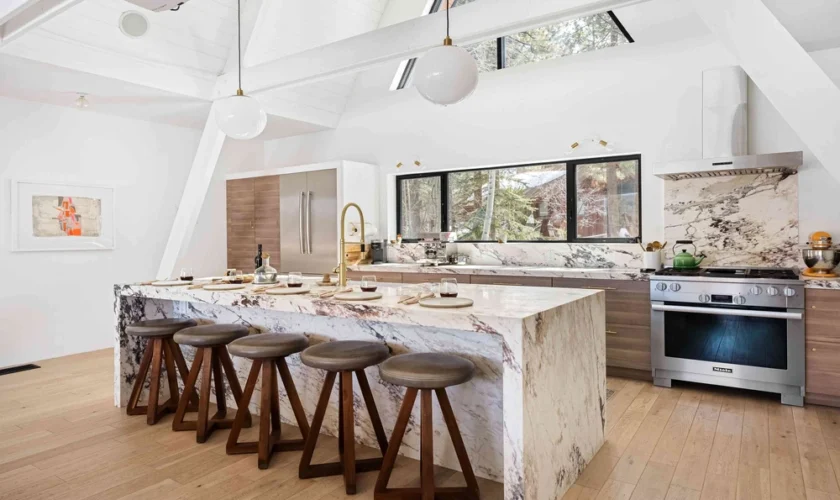
However, a modern white kitchen should not feel flat. The key is to introduce depth through different surfaces and finishes. This might include a warm white cabinet door, a stone-effect worktop, a textured splashback, wood shelving, brushed brass handles or dark accents for definition. These details prevent the design from feeling too stark.

Choosing the Right Shade of White
White is not a single colour. There are bright whites, soft whites, warm whites, cool whites, chalky tones, ivory shades and subtle off-whites. The right choice will depend on the room, the amount of natural light and the materials used elsewhere in the scheme.

A bright white kitchen can look crisp and architectural, especially in a contemporary space with plenty of daylight. However, in a north-facing room or a home with limited natural light, a brilliant white may feel too cold. In these situations, a softer white, porcelain tone or warm neutral can be more comfortable to live with.

Warm whites pair particularly well with wood, stone, ceramic finishes and brushed metal. Cooler whites can suit minimalist spaces, monochrome schemes and modern handleless cabinetry. Before committing, it is always worth viewing samples in the room itself, as the same shade can look very different depending on light, flooring and wall colour.

Matt, Gloss or Textured White?
The finish of a white kitchen has a major impact on the final result. Gloss white kitchens were once extremely popular because they reflected light and created a polished, modern look. They can still work well in the right setting, especially where a sleek and reflective finish is desired.

Matt white kitchens have become increasingly popular for homeowners who want a softer, more understated appearance. A matt finish reduces glare and often feels more refined. It works well with handleless doors, slab cabinets, shaker styles and contemporary open-plan layouts.

Textured white finishes can add even more interest. Subtle grain effects, ceramic-inspired surfaces, fluted details or lightly structured doors can give the design depth while keeping the overall look calm. This is especially useful in larger kitchens, where plain white cabinetry may otherwise feel too simple.

Pairing White with Wood
White and wood is one of the most effective combinations for a modern kitchen. White keeps the space bright and open, while wood adds warmth, grain and natural texture. Together, they create a balanced look that feels clean but not cold.

Wood can be introduced in several ways. A white kitchen with a wood island can create a strong focal point. Wood wall units or shelving can soften a run of tall white cabinetry. A wood breakfast bar can make an island feel more inviting. Even smaller touches, such as open shelving, display recesses or internal cabinet detailing, can help the design feel more layered.

Light oak is ideal for a relaxed, Scandinavian-inspired look, while walnut brings a richer and more luxurious feel. Mid-tone wood can work particularly well in family kitchens because it adds warmth without overpowering the space.

Adding Contrast with Dark Accents
A modern white kitchen often benefits from contrast. Without it, the room can lack structure. Dark accents help define the design and give the eye somewhere to rest.

Black, charcoal, graphite or bronze can be introduced through handles, taps, pendant lights, appliances, bar stools, framed glass cabinets or shelving. These details can make a white kitchen feel sharper and more contemporary without making the room dark.

For a softer approach, consider warm metallics such as brushed brass, aged bronze or champagne-toned finishes. These work especially well with warm white cabinetry, pale stone worktops and natural wood details. They add elegance without creating too much contrast.

Worktops and Splashbacks for White Kitchens
The worktop is one of the most important choices in a white kitchen. It has to be practical, but it also plays a major role in the overall appearance of the room.

A pale stone-effect worktop can create a seamless, elegant look. Marble-inspired surfaces with subtle veining can add sophistication, while concrete-effect finishes create a more industrial feel. For a stronger contrast, darker worktops can give the kitchen definition and make white cabinetry stand out.

Splashbacks also offer an opportunity to add character. A white kitchen can be paired with handmade-look tiles, glass, stone, porcelain, ceramic slabs or a full-height worktop splashback. Texture is often more effective than strong colour, especially if the aim is to keep the space calm and timeless.

Planning the Layout Carefully
A white kitchen may look simple, but the layout still needs careful thought. The best kitchens are designed around how the space is used every day. Cooking, preparation, storage, cleaning and seating all need to be considered.

In an open-plan room, white cabinetry can help the kitchen blend naturally with the surrounding living space. Tall white units can create a clean architectural backdrop, while an island can provide contrast, storage and a social gathering point.

In a smaller kitchen, white can make the room feel more spacious, but storage must be planned intelligently. Deep drawers, tall larders, integrated bins, corner solutions and appliance garages can all help keep worktops clear. A clutter-free white kitchen will always feel more elegant and functional.

Lighting Makes All the Difference
Lighting is particularly important in a white kitchen because it affects how the colour appears. Poor lighting can make white cabinetry feel dull or cold, while well-planned lighting can bring warmth, depth and atmosphere.

Natural light should be considered first. Large windows, rooflights and glazed doors can make a white kitchen feel bright and uplifting throughout the day. Artificial lighting should then be layered to support different tasks and moods.

Task lighting is needed for preparation areas, cooking zones and sinks. Ambient lighting helps soften the room in the evening. Feature lighting, such as pendants over an island or discreet lighting inside display cabinets, can add personality and warmth.

Keeping a White Kitchen Practical
Some homeowners worry that a white kitchen may be difficult to maintain, but this depends on the materials chosen. High-quality cabinet finishes, durable worktops and easy-clean splashbacks can make a white kitchen perfectly practical for family life.

Matt finishes may show marks differently from gloss finishes, so it is worth comparing samples and asking about maintenance before deciding. Worktops should be chosen with daily use in mind, especially if the kitchen is used heavily for cooking, entertaining or family routines.

Practical design details can also make a big difference. Integrated bins, well-planned storage, wipeable surfaces and sensible appliance placement all help the kitchen stay tidy and easy to use.

Making a White Kitchen Feel Personal
The best modern white kitchens are not plain or predictable. They feel personal because the details have been carefully chosen. This might include a statement island, a warm wood accent, a textured tile, a favourite handle finish or a beautifully lit display area.

Colour can also be introduced in subtle ways. Soft green walls, warm neutral flooring, natural stone, decorative lighting or upholstered stools can all change the mood of the room without taking away from the brightness of the white cabinetry.

A white kitchen gives you a flexible foundation, but the finishing touches are what make it feel like home.

Final Thoughts
Modern white kitchens remain popular because they are bright, adaptable and timeless. They can suit contemporary extensions, traditional homes, compact spaces and large open-plan rooms. However, the most successful designs are not simply white from top to bottom. They use texture, contrast, lighting and materials to create a kitchen that feels balanced and welcoming.

By choosing the right shade of white, pairing it with complementary finishes and planning the layout carefully, homeowners can create a kitchen that looks elegant and works beautifully for everyday life. Whether the final design is sleek and minimal or soft and layered, a modern white kitchen offers a versatile foundation that can remain stylish for many years.

read more
Home

Designing Bar Spaces That Adapt to Different Crowd Sizes and Occasions

A bar is never the same. It may be quiet and relaxed in the morning or early afternoon. It can transform into a lively, active space with activity and discussions by evening. It is this constant change that makes bar design so interesting – and challenging.

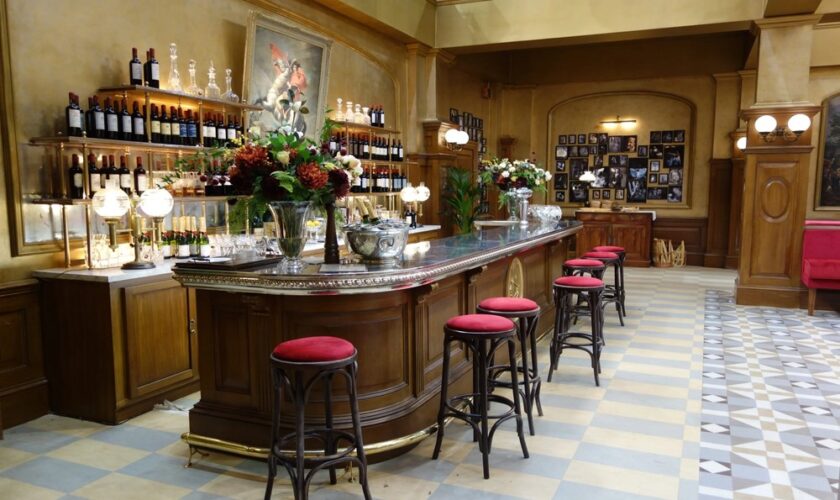
In order to cope with this transition effectively, the space needs to be designed to be flexible. The furniture is a big part of that, particularly the tables. If selected appropriately, they will help to keep the bar comfortable, orderly and balanced in appearance, even during peak hours.

A bar needs to adapt to change on a regular basis.

A bar should be able to handle a lot of different situations in one day as opposed to a fixed environment such as an office or a home. This could be a couple having a quiet drink one moment, and a group of people celebrating a special occasion the next.

When the layout is too tight, the space becomes uncomfortable very easily during “peak hours”. It can be difficult for both the customer and staff to move around between tables. That is why flexibility wasn’t an option, it was a must have!

A good layout will allow the space to adapt itself as needs evolve.

How adaptability is important in furniture choice.

Furniture is more than just decoration in the hustle and bustle of a hospitality setting. It has to be able to improve movement, speed of service, and comfort to the customers. This is even more crucial in bars where the amount of individuals could vary over a few minutes.

If the tables are too large, they may not make the most efficient use of space during quiet time. Very small tables will be cramped when traffic is heavy. The aim is to achieve a balance in a range of situations.

That’s where it’s crucial to have the right kind of versatile bar tables. They are an ideal option for bar owners who want to make the perfect layout changes without losing comfort or style. Rather than set up a single structure, the space is flexible and responsive.

Space planning is the influencing factor

The layout of tables in a bar can have a significant impact on the atmosphere within the establishment. Placing tables too near each other can cause the patrons to feel cramped or to be disturbed by other conversations that are close by. They will appear too distant if they are separated too far, and will lack in engagement.

Appropriate spacing makes an area comfortable and private, yet energetic. It also allows staff to move around easily and increases service speed and minimises delays.

Just a simple adjustment in the room’s arrangement can alter the ambiance of the room throughout the day.

The movement of a seat is as important as its seating.

The one thing that’s often missed in bar design is the flow of movement. There should be clear walkways for customers and employees to pass through the area.

Without taking into account the flow, tables will create areas of congestion around the bar counter, entrances, or service areas. This not only slows down operations, but customer comfort will also be impacted.

A well-planned layout makes it easy for people to move about without feeling constrained or hurried. This is even more crucial when it comes to peak time when every second counts.

Social energy and personal space.

Bars are social areas, but not all customers want to be social. Some people may join in groups, others in a corner.

Good design of a table aids in achieving this balance. The bigger the table, the more group energy it carries, the smaller the table the more private it will be. If used together, the bar becomes a more welcoming place.

This equilibrium is the reason why customers are persuaded to stay longer and come back more regularly.

Flextime boosts flexibility, streamlines daily operations.

Flexibility means more than just customer comfort to a business. It also makes it easier for staff to work more efficiently.

Tables that are easy to rearrange make cleaning up quicker, sitting up easier and space available for various events or peak hours. This helps to minimise stress on the busiest shifts and enhances service quality.

A flexible layout also enables owners to try out new configurations over time, according to actual customer behaviour.

The atmosphere is still defined by design.

While function is key, design is also an integral component of bar interiors. Visually appealing and cohesive spaces are naturally appealing to customers.

The atmosphere is created by using table materials, shapes and finishes. Wood can add a soothing, inviting touch, whereas metal and darker hues can offer a sleeker, more upscale appearance.

In the case of design & function, the space is comfortable and memorable.

Designing a place which changes over time

The best bars are not ‘set’. They change daily and adjust to various kinds of customers. This flexibility is key to their long-term success.

Furniture has been a key element of this change. It helps to utilize the same space for various functions without substantial modifications or redesign.

Whether it’s a quiet or packed bar, a well-planned layout creates an appropriate atmosphere at all times.

Bringing everything together

Making a bar that can accommodate different numbers of people is more than just filling the space with tables and chairs. It’s concerned with designing a system that operates efficiently in a constantly shifting environment. From layout to furniture style, everything you choose will have an impact on the performance of the space.

If performed properly, it is a natural, efficient and pleasant bar for any hour of the day.

Companies that get this will typically depend on well-designed furniture solutions. Furniture businesses, like Cafe Furniture Company, offer business level alternatives that can be as versatile and long-lasting as in an actual hospitality setting. They have a range of furniture that uses to help bars and cafes to adapt easily, while maintaining a strong and recognizable identity. For more information, visit Cafe Furniture Company.

read more
Construction

Budgeting Smart: Cost Factors to Consider When Building in Utah

Building a dream home requires careful financial planning. Many people underestimate the total investment for a new property. You must look at every detail before starting. Costs in the Beehive State fluctuate based on location. Now is the time to evaluate your specific needs. Selecting the right land is the very first step. Sometimes the site preparation costs more than expected. Local regulations also play a massive role in your budget. The process demands patience and clear financial goals. Utah custom homes represent a significant but rewarding long-term investment. Working with Root Builders ensures a professional approach to your project. Proper preparation will help you avoid common fiscal traps.

Finding the Right Plot of Land

The price of land varies greatly across the state. Urban lots usually command a much higher price tag. Rural areas offer more space for less money. But you must consider the cost of utilities. Bringing power to a remote site is expensive. The soil quality affects the foundation work significantly.

Sometimes rocky terrain requires heavy machinery for excavation. Now you should check for any hidden easements. These legal restrictions might limit your building footprint. Root Builders can help evaluate a lot before purchase. This step prevents expensive surprises during the early phases. The location determines the future value of your residence.

Understanding Local Permit and Impact Fees

Every city has different rules for new construction. You must pay various fees to the local government. These impact fees fund public infrastructure and services. The costs can add up to thousands of dollars. Sometimes school district fees are also part of the bill. Now you must account for specialized building permits. Water connection fees are often quite high in Utah. You should research these costs for your specific city. The budget must include these non-negotiable legal expenses. Planning for permits early saves a lot of stress. Clear communication with officials helps the process move faster. Root Builders understands the local requirements for modern construction.

Labor Costs and Skilled Trade Services

Quality craftsmanship requires a significant financial commitment. Skilled labor is in high demand across the region. You must hire reliable contractors for every specialized task. Electricians and plumbers charge rates based on their expertise. The complexity of the design influences the total hours.

But rushing the work leads to expensive future repairs. Now you should look for teams with great reputations. Experienced workers finish tasks with much higher precision. The timeline of the build affects the labor budget. Sometimes delays happen due to unpredictable mountain weather patterns. You must maintain a contingency fund for labor overruns. Professional management keeps the project moving on schedule.

read more
Roofing

Roof Repair for Commercial Buildings in St. Petersburg

Commercial roofs play a critical role in protecting businesses, employees, equipment, and inventory. In a coastal city like St. Petersburg, Florida, commercial buildings face unique roofing challenges caused by intense sun, humidity, storms, and occasional hurricanes. Over time, these conditions can cause wear and tear that leads to leaks, structural damage, and costly interruptions to business operations. That’s why timely roof repair for commercial buildings in St. Petersburg is essential for property owners and facility managers who want to protect their investments and keep their operations running smoothly.

Companies like Old Time Roofing have spent decades helping local businesses maintain strong and reliable roofing systems. With professional inspections, accurate assessments, and skilled repair services, commercial property owners can extend the life of their roofs and avoid expensive replacements.

Why Commercial Roof Repair Matters

Commercial roofing systems are typically larger and more complex than residential roofs. Many commercial properties use materials such as flat roofing membranes, modified bitumen, metal roofing, or built-up roofing systems. When even a small problem appears-like a puncture, crack, or drainage issue-it can quickly escalate into a larger structural concern.

Ignoring early warning signs can lead to:

  • Water intrusion that damages ceilings, insulation, and electrical systems
  • Mold and mildew growth inside the building
  • Increased energy costs due to insulation problems
  • Business disruptions caused by interior leaks or repairs

Prompt roof repair for commercial buildings in St. Petersburg helps prevent these issues while protecting both the building structure and the people inside.

Common Commercial Roofing Problems in St. Petersburg

Because of Florida’s coastal climate, commercial roofs in St. Petersburg are exposed to environmental factors that accelerate deterioration. Understanding the most common issues helps property owners know when to call a professional roofing contractor.

Storm and Wind Damage

Strong winds and tropical storms can loosen roofing materials, damage flashing, and create openings that allow water to enter the building. Even minor storm damage can become a serious issue if it is not repaired quickly.

Roof Leaks

Leaks are one of the most common problems affecting commercial roofs. They often occur around seams, vents, skylights, or flashing. A professional roofing inspection can locate the source and prevent additional interior damage.

Ponding Water on Flat Roofs

Many commercial buildings have flat or low-slope roofing systems. Poor drainage can cause water to collect on the roof surface, weakening roofing materials and increasing the risk of leaks.

Aging Roofing Materials

Over time, roofing membranes and protective coatings naturally break down from UV exposure and weather conditions. Older roofs often require regular maintenance and repairs to maintain performance.

Signs Your Commercial Roof Needs Repair

Knowing when to schedule professional repairs can save property owners thousands of dollars in potential damage. Some of the most common warning signs include:

  • Water stains on ceilings or interior walls
  • Visible cracks, punctures, or tears on the roof surface
  • Loose flashing or damaged roof edges
  • Increased energy bills due to insulation issues
  • Standing water after rainstorms

If you notice any of these issues, scheduling an inspection from a professional roofing company like Old Time Roofing can help determine the best repair solution.

Benefits of Professional Commercial Roof Repair

Attempting to fix roofing issues without professional experience can lead to further damage and safety risks. Hiring experienced roofing professionals ensures the job is done correctly and efficiently.

Some key benefits of professional commercial roof repair include:

Accurate Problem Diagnosis

Experienced contractors understand how different commercial roofing systems function and can quickly identify the root cause of roofing problems.

Long-Term Cost Savings

Addressing small issues early prevents major structural damage that could require a full roof replacement.

Improved Energy Efficiency

Proper roof repairs restore insulation performance and reduce heating and cooling costs.

Business Continuity

Professional roofing teams work efficiently to minimize disruptions to business operations.

Why Local Experience Matters

When it comes to roof repair for commercial buildings in St. Petersburg, local experience is extremely valuable. Contractors who understand the region’s climate, building codes, and common roofing systems are better equipped to provide long-lasting repair solutions.

Old Time Roofing, based in St. Petersburg, Florida, has served the Pinellas County community since 1978. With more than 100 years of combined experience, the company has built a reputation for quality workmanship and dependable roofing services for both residential and commercial properties.

As a Master Elite Weather Stopper GAF Roofing Contractor and double award winner of Best Steep-Slope Contractor from GAF, Old Time Roofing is trusted throughout the community for delivering reliable roofing solutions backed by strong warranties.

Preventative Maintenance for Commercial Roofs

Regular maintenance is one of the best ways to reduce the need for major repairs. Scheduling professional roof inspections at least once or twice per year helps identify small problems before they grow into costly issues.

Preventative maintenance typically includes:

  • Inspecting roofing membranes and seams
  • Checking flashing, vents, and drainage systems
  • Clearing debris and improving roof drainage
  • Repairing minor cracks or punctures

This proactive approach extends the lifespan of commercial roofing systems while protecting the building’s structure and interior.

Protect Your Commercial Property with Expert Roofing Services

Your commercial roof is one of the most important components of your building. When problems arise, addressing them quickly with professional repair services helps prevent costly damage and business interruptions.

For reliable roof repair for commercial buildings in St. Petersburg, working with a trusted local contractor makes all the difference. With decades of experience, award-winning certifications, and a strong commitment to customer satisfaction, Old Time Roofing continues to help businesses throughout Pinellas County keep their properties protected.

If your commercial roof shows signs of damage or aging, scheduling a professional inspection today can help ensure your building remains safe, efficient, and ready to support your business for years to come.

This post was written by Ted Williams! Ted is the owner of A Old Time Roofing which is the premier roofing contractors St Petersburg FL Contractor! Ted is a Master Elite Weather Stopper GAF Roofing Contractor, a double award winner of Best Steep-Slope Contractor from GAF and achiever of Master Elite Consumer Protection Excellence from GAF. He has been serving the Pinellas County area since 1978. Old Time Roofing has a tradition of quality workmanship, servicing residential and commercial properties.

read more
Roofing

Upgrade Your Home with Metal Roofing Installation in FL

When it comes to protecting your home while enhancing its curb appeal, few upgrades are as impactful as a metal roof. Homeowners in Florida are increasingly turning to metal roofing installation for its unmatched durability, modern aesthetics, and long-term value. At Roofing.Co, we specialize in transforming ordinary homes into resilient, stylish spaces that stand up to Florida’s unique weather challenges.

Metal roofs aren’t just about looks-they’re a smart investment. Unlike traditional asphalt shingles, metal roofing can withstand high winds, heavy rains, and even the occasional hurricane, all of which are common in Florida. With a professional metal roofing installation, you can enjoy peace of mind knowing your home is protected for decades. Additionally, metal roofs reflect sunlight, helping reduce cooling costs during the hot summer months-a feature that truly pays off in the Sunshine State.

Beyond durability, metal roofing offers a wide range of design options. From sleek standing seam panels to classic metal shingles, there’s a style to complement every home. Whether you’re modernizing your beachside property in Miami or adding charm to a suburban home in Orlando, Roofing.Co ensures your metal roofing installation not only functions flawlessly but also elevates your home’s aesthetic.

The process of upgrading your roof doesn’t have to be overwhelming. Our experienced team at Roofing.Co guides you from consultation to completion, helping you select materials, colors, and styles that match both your home and your budget. Plus, our expert installation guarantees proper sealing and finishing, which prevents leaks and maximizes the lifespan of your new roof.

In Florida, where weather and wear are constant concerns, investing in a high-quality metal roofing installation is a decision you won’t regret. With Roofing.Co, you get more than just a roof-you gain a durable, energy-efficient, and visually stunning upgrade that enhances the comfort, safety, and value of your home.

Upgrade your home today and experience the benefits of metal roofing. Contact Roofing.Co to schedule your consultation and take the first step toward a stronger, smarter, and more beautiful home.

This article was written by a roofing professional at Roofing.co. At Roofing.co, we’re determined to be the only one you need to hire when looking for Metal Roofing in St. Petersburg FL. We take a modern, professional approach to the roofing business in order to ensure our customers in St. Petersburg and the Central Florida region have the best possible experience whenever they choose us.

read more
Home

Why Upholstery Protectors Are Essential for Long-Lasting Furniture

Furniture plays an important role in shaping the comfort and style of a home. Sofas, armchairs, and upholstered seating pieces often become central gathering spots where families relax, entertain guests, or spend time together. Because these items are used daily, they are naturally exposed to spills, dust, stains, and general wear. Upholstery protectors provide an effective solution to preserve furniture and extend its lifespan while maintaining its appearance.

Protecting Furniture from Everyday Wear

One of the biggest reasons upholstery protectors are valuable is their ability to defend furniture against everyday wear and tear. Upholstered furniture is frequently exposed to friction, body oils, dirt, and accidental spills. Over time, these factors can cause fabrics to fade, weaken, or develop stubborn stains.

Upholstery protectors create a barrier on the fabric surface that helps prevent liquids and contaminants from penetrating deeply into the fibers. Instead of soaking into the material, spills often remain on the surface long enough to be wiped away. This protective layer helps reduce long-term damage and keeps furniture looking fresh and well-maintained.

Preventing Stains and Spills from Causing Permanent Damage

Accidental spills are inevitable in most households. Whether it is a cup of coffee, juice, or food crumbs, upholstery can easily become stained if not properly protected. Once a stain penetrates the fabric fibers, removing it completely can be difficult and sometimes impossible.

Upholstery protectors help prevent these situations by repelling liquids and making cleaning easier. When a spill occurs, the protective layer slows down absorption, giving homeowners valuable time to clean the area before permanent damage occurs. Many homeowners rely on solutions offered by a trusted Fabric protection company to apply protective treatments that help maintain the original look of upholstered furniture.

Maintaining the Appearance of Furniture

Furniture often represents a significant investment, especially when high-quality fabrics or custom designs are involved. Over time, even well-made upholstery can begin to look dull or worn if not properly maintained.

Using upholstery protectors helps preserve the original color, texture, and quality of the fabric. By reducing the impact of dirt, spills, and everyday use, protective treatments help maintain the visual appeal of sofas, chairs, and other upholstered pieces. This means furniture can continue to look attractive and stylish for many years.

Simplifying Furniture Cleaning and Maintenance

Another advantage of upholstery protectors is that they make routine cleaning much easier. Without protection, dust and dirt particles can settle deep into fabric fibers, making them harder to remove with standard cleaning methods.

Protective treatments help keep contaminants closer to the surface, allowing regular vacuuming or light cleaning to remove them more effectively. This means you won’t have to deep clean as often or pay as much for expensive professional repair services.

In homes with children or pets, upholstery protectors can be especially helpful. They reduce the stress associated with accidental messes and make it easier to keep living spaces clean and welcoming.

Extending the Lifespan of Upholstered Furniture

One of the most important benefits of upholstery protection is its ability to extend the life of furniture. When fabric is regularly exposed to spills, stains, and abrasive particles, the fibers gradually weaken and deteriorate. This can lead to tearing, discoloration, or permanent damage.

Upholstery protectors help prevent this type of deterioration by shielding the material from harmful elements. By maintaining the strength and integrity of the fabric, protective treatments ensure that furniture remains comfortable and durable for a longer period.

As a result, homeowners can avoid premature replacement of furniture and enjoy better long-term value from their investment.

Supporting a Cleaner and Healthier Living Space

Upholstery can easily collect dust, allergens, and small particles that accumulate over time. Without proper protection and maintenance, these contaminants can affect indoor air quality and contribute to an unhealthy living environment.

Protective treatments make it easier to clean and maintain upholstered furniture, helping reduce the buildup of dust and allergens. This contributes to a cleaner and more comfortable home environment for families and guests alike.

Conclusion

Upholstery protectors provide an effective way to preserve the beauty, comfort, and durability of furniture. By preventing stains, reducing wear, and simplifying cleaning, they help maintain the condition of sofas, chairs, and other upholstered items. Investing in protective treatments allows homeowners to protect their furniture investment while keeping their living spaces attractive and well-maintained for years to come.

read more
1 2 3 … 8
Page 1 of 8