close

Clare Louise

Home improvement

Why do real estate developers use aerial surveys before site acquisition?

Site acquisition decisions carry consequences across the development timeline. Condition issues discovered after a purchase closes create delays, redesign requirements, and budget revisions that a pre-acquisition assessment could have surfaced before commitments were made. Aerial survey programs have become a standard component of developer checks precisely because they surface site and structural information at a stage when that information still influences the decision.

Diagnostics inform acquisitions

drone thermal imaging for building diagnostics gives development teams condition data on existing structures within a prospective acquisition site. This is before demolition, renovation, or adaptive reuse planning begins. Thermal sensor passes across rooftops and facades to identify moisture retention, insulation failure, and thermal bridging within existing building stock. That data feeds directly into structural assessments, renovation scope estimates, and infrastructure evaluation processes that determine whether a site’s existing conditions align with the development program planned for it.

Existing structures on development sites are assessed for retention value, demolition complexity, or adaptive reuse potential as part of acquisition analysis. Aerial thermal and visual imaging produces condition documentation across all structures within a site boundary within a single mobilization. This gives development teams a consolidated asset condition picture before committing to a purchase price or development program.

Ground conditions assessed

Aerial surveys cover site conditions beyond the building envelope that affect development feasibility directly. Drainage performance across the site, surface condition of existing hardstanding, boundary structure integrity, and vegetation distribution all appear within aerial imaging data. To assess earthwork requirements, infrastructure connections, and site preparation scope before acquisition, developers need this information. A development program needs to account for drainage issues, vegetation encroachment, and boundary complications.

Topographic data collected through LiDAR sensor passes during aerial surveys produces detailed elevation models of the site. Ground survey methods cannot match these models in terms of resolution and time unless they coordinate access with the models. Pre-acquisition survey timelines are highly compressed for large sites with varied topography.

Planning decisions supported

Aerial survey data support acquisition planning and regulatory assessment. The outputs produced during pre-acquisition surveys carry forward into planning applications, environmental assessments, and structural reports without duplicate data collection. Specific deliverables that development teams carry from pre-acquisition aerial surveys into subsequent project stages include:

  • Georeferenced site orthomosaics that provide accurate base mapping for planning drawings and site layout development
  • Thermal condition reports on existing structures that inform demolition or retention assessments within planning applications
  • Elevation models supporting drainage design, cut and fill calculations, and civil engineering scope assessments
  • Boundary and site perimeter documentation supporting land registry verification and title plan confirmation
  • Facade and roof condition imagery providing structural assessment teams with pre-inspection data before detailed surveys begin

Development programs absorb the consequences of site conditions that pre-acquisition assessment did not surface. Aerial surveys conducted before contract exchange give development teams condition information at the stage where it carries the most practical value. Identifying thermal anomalies in an existing structure before acquisition prevents remediation costs post-purchase. A drainage pattern identified across the site before planning begins influences infrastructure design at a stage where redesign carries no program consequence.

Aerial survey programs sit at the pre-acquisition stage because condition data produces its highest return within a development process. Their information guides acquisition decisions, development programs, plans, and construction budgets. This is precisely the position development teams need reliable site intelligence to occupy.

read more
Roofing

Roof Leak Repair: Why the Leak Isn’t Always Where You See Water

Seeing water drip from your ceiling can be alarming. Many homeowners assume the leak is directly above the spot where the water appears. In reality, roof leaks often start in a completely different area. Understanding how leaks travel helps explain why professional inspection is so important.

Water Travels Before It Drips

Water does not always fall straight down. Once it enters your roof, it can move along rafters, beams, or insulation. Gravity pulls water to the lowest point, which may be several feet away from the actual leak. This is why the visible water damage inside your home can be misleading.

Common Hidden Leak Sources

Roof leaks often begin in places that are hard to see, such as:

  • Damaged or missing shingles
  • Cracked flashing around chimneys or vents
  • Skylights with worn seals
  • Roof valleys where water collects
  • Nail holes or aging underlayment

Even a small gap can let water in. Over time, that water spreads and shows up far from the original problem.

Why Attics Matter

Attics play a big role in finding leaks. Water may soak insulation first, then slowly drip onto ceilings or walls. This delay makes it harder to trace the leak without proper inspection. Roofers often check attics for wet spots, stains, or mold to locate the real source.

Weather Can Change Leak Paths

Wind and heavy rain can push water sideways under shingles. During storms, water may enter from angles you would not expect. This is another reason why the leak spot inside your home may not match the damage on the roof.

DIY Fixes Often Miss the Real Problem

Many homeowners try to patch the area where they see water inside. Unfortunately, this rarely solves the issue. Covering stains or sealing random spots on the roof may hide symptoms, but the real leak continues. This can lead to mold growth, wood rot, and higher repair costs later.

Why Professional Inspections Matter

Roofers use experience and tools to track leaks correctly. They inspect the roof surface, flashing, attic, and drainage paths. Finding the true source allows repairs that actually stop the leak instead of delaying the problem.

RoofElite Finds the Real Source

At RoofElite, we know roof leaks are not always where the water shows up. We take the time to trace leaks back to their true source and repair them the right way. By using careful inspections and quality materials, we help homeowners stop leaks for good, protect their homes, and avoid costly damage in the future.

This post was written by a professional at RoofElite. RoofElite is one of the top metal roof companies near you, proudly serving Central Florida with fully licensed and insured service. As licensed roofers near you, we specialize in metal, shingle, tile, and flat roofing. Known for exceptional craftsmanship and lasting results, we’re among the best roofers near you for installation, repairs, and more. Trust RoofElite for durable, high-quality roofing solutions.

read more
Home improvement

The Functional and Aesthetic Advantages of Techo-Bloc Pavers

Outdoor spaces have evolved into essential living areas, and the right hardscape materials can make them more durable, inviting, and easy to maintain. Techo-Bloc pavers stand out for homeowners and designers seeking premium performance without compromising beauty. Whether you’re upgrading a driveway, planning a patio, or laying a new walkway, their engineered systems balance strength, drainage, and style. If you’re comparing options at a local Stone Center or researching design palettes, you’ll find that these pavers offer a refined mix of practicality and curb appeal. As you read, you’ll see how the Advantages Of Techo-Bloc Pavers extend from their internal structure to the finishes you notice every day.

How Engineered Pavers Improve Strength and Long-Term Durability

Engineered concrete pavers are designed to distribute loads, resist cracking, and maintain a stable surface for decades. Techo-Bloc enhances these fundamentals with high-density mixes and precision molds that produce consistent shapes and tight joints. The interlock between units, especially when paired with polymeric joint sand and robust edge restraints, creates a surface that resists shifting under vehicular or foot traffic. Because each unit is individually set, localized movement from soil settlement is far less likely to telegraph into full-slab cracks. Over time, the surface can be maintained or selectively lifted for repairs—an approach that extends the system’s lifecycle and reinforces long-term durability.

Core mechanisms of strength

  • Dense concrete matrices that reduce absorption and boost surface hardness.
  • Spacer bars and chamfers that maintain even joint lines and limit chipping.
  • Interlocking geometry that spreads loads laterally, minimizing point stress.
  • Freeze–thaw resilience, aided by proper base construction and drainage.
  • Edge restraints that lock the field in place and prevent lateral creep.

This performance isn’t accidental; it’s the result of carefully balanced aggregate gradations, low water–cement ratios, and surface “face mixes” that concentrate the most durable materials where wear occurs. Consistent thickness helps control lippage and creates even bearing on the bedding layer, critical for long-term stability. When combined with an open-graded base for drainage or a traditional dense-graded base, the pavers adapt to site conditions and climate zones. Contractors appreciate that replacements are straightforward should a utility repair be necessary, and homeowners value that a single damaged unit won’t compromise the entire pavement. The result is a hardscape system optimized for structural reliability without giving up design latitude.

Advanced Weather-Resistant Features That Protect Outdoor Surfaces

Climate treats exterior materials like a stress test: water infiltration, ultraviolet exposure, freeze–thaw cycles, and de-icing salts all work to degrade lesser surfaces. Techo-Bloc pavers counter this with dense top layers and finely tuned concrete technology that keeps moisture out and resists surface abrasion. The smooth or textured faces are engineered to stand up to snow shovels, foot traffic, and grit carried by tires without rapid wear. Hydrophobic additives and low porosity help limit staining, while joint sands are formulated to deter weed growth and washout. The result is a resilient surface that retains its function and look across seasons.

Guarding against freeze-thaw and salts

Cold climates amplify the threats of freeze–thaw expansion and de-icing chemicals. Techo-Bloc’s tight surface structure and precise jointing lessen water intrusion, reducing the amount of moisture that can expand within the system. When drainage is designed correctly—via slope, base selection, and outfalls—meltwater is evacuated quickly, further protecting the pavement. For winter maintenance, using paver-compatible de-icing products mitigates risk; a number of factory-applied or post-install sealers can add extra protection, especially in high-traffic or commercial areas. In coastal regions, resistance to salt exposure helps surfaces avoid spalling, preserving both safety and aesthetics.

Beyond cold-weather performance, these pavers hold up under direct sun and sudden downpours. Abrasion-resistant faces limit micro-scratches that can dull color, while consistent textures reduce the risk of slippery film buildup after storms. Where heavy rains are common, installers can specify drainage joints or permeable assemblies to move water through and away from the surface. Proper maintenance—periodic cleaning, joint sand checks, and spot sealing—keeps the system working as designed with minimal effort. That combination of engineered protection and simple care practices makes weather less of a wildcard for your hardscape.

Design Flexibility for Modern Driveways, Patios, and Walkways

A well-designed hardscape blends function with form, and paver systems excel because they offer both. Techo-Bloc collections come in a spectrum of textures—from crisp contemporary lines to richly variegated stone looks—so you can match architecture or create contrast. Colorways range from cool charcoals to warm earth tones, enabling subtle transitions between house, garden, and outdoor rooms. Multi-piece modules let designers scale patterns across large driveways while preserving human-scale detail on patios and walkways. When you’re exploring options at a Stone Center, you can compare finishes under natural light and see how textures read at different viewing distances.

Patterns and layout efficiencies

  • Herringbone for high interlock and classic visual rhythm in driveways.
  • Running bond for clean lines that elongate narrow walkways.
  • Basketweave or modular ashlar for patios where pattern variety adds interest.
  • Borders and inlays to frame spaces, delineate edges, or guide foot traffic.

Design flexibility extends well beyond pattern. Coordinated slabs, coping, wall systems, and steps allow you to build a cohesive outdoor environment with consistent materials. Modular sizing reduces cutting and speeds installation, which is especially helpful around curves, planters, and outdoor kitchens. Slip-resistant textures support safe movement in all weather, and thickness options accommodate both pedestrian and vehicle loads. The Advantages Of Techo-Bloc Pavers become evident as aesthetic choices align with practical needs—fewer cuts, faster layout, and a refined finish that ties the entire project together.

Color-Lock Technology and Techniques That Prevent Fading Over Time

Color is not just a first impression; it’s part of how an outdoor space ages. Techo-Bloc uses high-performance pigments and face-layer manufacturing to keep color at the surface where it’s seen and protected. Densified top layers minimize micro-pitting, which reduces the shadowing that can make pavements appear dull. UV-stable pigments limit bleaching from sun exposure, while abrasion resistance slows the kind of surface wear that can expose lighter aggregates beneath. Together, these details help pavers retain vibrancy across years of seasonal changes and daily use.

Maintenance habits that preserve vibrancy

Long-term color depends on both technology and upkeep. Routine rinsing removes dust and organic matter that can mask hues, and gentle detergent cleans help prevent stain-setting. Polymeric sand stabilizes joints and keeps the profile crisp, which enhances perceived color clarity at edges and borders. Where sealers are used, choosing breathable, non-gloss options avoids trapping moisture while deepening tone subtly; periodic reapplication keeps protection consistent. Simple precautions—placing grills on mats, cleaning leaf tannins promptly, and avoiding harsh acids—go a long way toward preserving a fresh look.

A thoughtful landscape plan also considers light and shade patterns throughout the day. Cool-toned pavers can brighten shaded courtyards, while warmer blends complement sun-drenched terraces without glare. Using borders in slightly darker hues adds contrast that makes main fields appear richer, a visual trick that extends color life in high-traffic areas. With smart selection and care, you preserve the design intent well after the project’s first season, reinforcing the sense that your space is maintained and welcoming.

How Permeable Paver Options Support Better Drainage in 2025

Stormwater management has moved from back-of-mind to a central design challenge, especially in neighborhoods experiencing heavier rain events. Permeable interlocking concrete pavement (PICP) addresses runoff by allowing water to flow between pavers, through open-graded aggregates, and into the soil or a managed outlet. Techo-Bloc’s permeable options pair structural integrity with joint openings sized for infiltration, so you don’t sacrifice durability for drainage. By storing water temporarily in the base and releasing it slowly, these systems reduce peak flows, protect foundations, and alleviate overloaded municipal infrastructure. In 2025, as local codes evolve, permeable assemblies are increasingly a straightforward way to satisfy regulations while improving the site experience.

Practical benefits beyond drainage

  • Less surface ponding and splashback against siding or doors.
  • Reduced winter icing because water moves below the surface quickly.
  • Lower hydrostatic pressure on adjacent hardscape and landscape areas.
  • Potential credits for low-impact development or green building programs.
  • Opportunities for on-site reuse via cisterns connected to underdrains.

Permeable pavers also enhance daily usability. With voids at the joints rather than across the field, the surface remains comfortable for walking, dining, and driving. Maintenance involves simple vacuuming or pressure rinsing to clear joint aggregates, plus periodic top-ups where needed. Because the system is modular, sections can be accessed and restored after utility work without visible patches. Over the long run, the combination of environmental performance and adaptable maintenance helps safeguard both the landscape and your budget.

Installation Precision Through Consistent Dimensions and Modular Sizing

Precision makes an installer’s work faster and the finished surface more refined. Techo-Bloc pavers are manufactured to tight tolerances, which means uniform dimensions, predictable joint gaps, and minimal lippage. Spacer bars assist in aligning units quickly, while chamfered edges protect corners during compaction and use. Consistent thickness ensures that plate compaction leaves a flat, even plane, an essential feature for ADA-friendly walkways and smooth transitions. When each pallet matches the last, crews spend less time sorting and more time laying, which shortens project timelines without shortcuts.

Reducing waste and rework on site

Modular sizing unlocks efficient layouts and fewer cuts, especially when projects blend straight runs with gentle curves. Multi-piece sets come packaged for pattern continuity, helping installers maintain bond lines as they move across the field. Clear labeling and coordinated accessory pieces—caps, steps, and edges—reduce guesswork and create consistent reveals at every interface. For contractors, these efficiencies translate to less rework and tighter cost control; for homeowners, they elevate the finished look with cleaner lines and more deliberate transitions. The Advantages Of Techo-Bloc Pavers show up here as time saved, waste reduced, and details sharpened.

Even small efficiencies pay dividends on complex sites. Tight spaces near pools or outdoor kitchens benefit from thin-cut options and compatible slabs that align with elevations. Precast corners and radius pieces eliminate piecemeal cuts that can wander or weaken edges. Together, these choices support a professional result that feels tailored to the space, not forced to fit it, and they help projects stay on schedule—even when weather compresses the installation window.

Why Techo-Bloc Pavers Remain a Top Choice for Contemporary Landscapes

Today’s landscapes must perform at many levels: they need to handle heavy use, channel water responsibly, and look polished from the curb to the back fence. Techo-Bloc pavers meet these demands with engineered strength, advanced weathering resistance, and broad design compatibility. From driveways that must support turning vehicles to patios where comfort and traction matter, the material balances durability with human-scale texture. Coordinated collections make it simple to plan cohesive hardscapes that feel intentional rather than piecemeal. For shopping, a visit to a Stone Center can help you compare textures, see color nuances, and match selections to your site conditions.

Choosing the right collection for your project

Start by clarifying performance requirements—vehicular or pedestrian—then match thickness and texture accordingly. For contemporary architecture, large-format slabs with minimal joints emphasize clean lines, while tumbled stones soften traditional settings. Where shade and moisture persist, consider more aggressive textures for traction; in sunny courtyards, lighter hues reduce heat gain and glare. If stormwater is a concern, incorporate permeable fields or bands that double as design accents while managing runoff. As you weigh options, the Advantages Of Techo-Bloc Pavers become a practical checklist: strength, weather resilience, design range, and installation efficiency that all reinforce long-term value.

What ultimately sets these pavers apart is how well the details support everyday life. Color retention keeps spaces lively through seasons, while modular sizing and consistent tolerances make future updates straightforward. The systems-based approach—walls, steps, coping, and slabs—lets you scale the look from entry walk to backyard retreat without visual compromise. For homeowners and pros alike, guidance from experienced suppliers such as Stone Center can streamline selection and ensure that product capabilities match project goals. In the end, you get a landscape that endures, performs, and looks the part from day one onward.

read more
Home

5 Key Details to Understand Before Hiring a 24-Hour Plumber

No one enjoys dealing with a burst pipe at midnight or a leaking tap that refuses to stop dripping. Plumbing problems have a way of striking when least expected. That’s why having access to a 24-hour plumber in Singapore can make all the difference between a small inconvenience and a costly repair. Before you pick up the phone during an emergency, there are a few important things to keep in mind. Let’s explore what every homeowner should know before hiring one.

1. Check Their Availability and Response Time

It sounds obvious, but many assume that every plumber claiming 24-hour service will arrive immediately. In reality, response time varies depending on distance, workload, and time of night. A true 24-hour plumber should be reachable at any hour and able to confirm when they can arrive. Always ask for a clear estimated arrival window before agreeing to service.

Equally vital is knowing how they handle after-hours pricing. Some charge call-out fees during late-night hours or on public holidays. It’s wise to ask about all charges upfront, especially if the plumbing issue can wait until morning. A bit of clarity saves you from surprise bills later.

2. Prioritise Experience with Emergency Repairs

Emergency plumbing isn’t just about turning a wrench. It requires calm under pressure, diagnostic skill, and experience dealing with high-stress situations. Whether it’s a broken water heater, burst pipe, or overflowing toilet, you’ll want someone who’s handled similar situations many times before.

Ask how long they’ve been working in Singapore and whether they’ve managed plumbing systems similar to yours, especially in HDB or condominium units. Some older buildings use piping layouts that need specialised handling. Reliable plumbers will also carry a wide range of tools and spare parts to fix problems on the spot, rather than scheduling a second visit.

3. Understand the Value of Water Leak Detection

Plumbing emergencies usually don’t appear out of nowhere. Tiny leaks, when left unnoticed, can cause major problems later. This is where water leak detection in Singapore becomes invaluable. Professional plumbers can use specialised equipment to locate leaks behind walls, under tiles, or even beneath concrete floors, before the damage spreads.

If you’ve been noticing higher water bills, damp spots, or that odd sound of running water when no tap is on, get an inspection. Early water leak detection helps protect your property’s structure and saves you money on repairs. Many 24-hour plumbers offer this as part of their service, making it worth discussing even during non-emergency visits.

4. Verify Their Credentials and Transparency

It’s easy to panic during a plumbing crisis, but take a moment to check credentials before letting anyone start work. A licensed plumber ensures the job is done safely and complies with local standards. You can also request an itemised quote before any repair begins.

Transparency matters. A trustworthy plumber will explain what went wrong, outline your options, and help you decide on a solution that fits your budget. Avoid those who rush to replace large parts without clear justification. Clear communication from the start sets the tone for better service throughout.

5. Build a Long-Term Plumbing Contract

Once you find someone dependable, don’t treat them as a one-time call. Building a relationship with a 24-hour plumber means you’ll have a go-to expert familiar with your system. They’ll know your home’s layout, previous issues, and preferred fixtures, making future repairs quicker and smoother.

Schedule periodic checks to maintain your pipes and fixtures. Many homeowners in Singapore wait until problems escalate, only to face bigger expenses later. Consistent care, combined with proactive water leak detection in Singapore, ensures your plumbing system runs efficiently for years.

Conclusion

Emergencies can happen at the least convenient times, but preparation can make them far less stressful. Understanding how a 24-hour plumber in Singapore operates, checking their credentials, and learning about water leak detection give you a clear advantage. With a trusted contact ready, you’ll be able to handle sudden leaks or bursts with confidence and minimal disruption to your home.

Contact QB Plumbing to book an expert emergency plumbing or schedule a water leak inspection today.

read more
Home

Why Professional Electrical Installation Service Matters in Singapore

Electrical systems power daily life in Singapore, from homes to high-rise offices. Installing these systems correctly isn’t optional. Poorly done wiring causes breakdowns, downtime, and hazards. Many property owners risk safety and long-term costs by skipping licensed professionals. Hiring a qualified electrician in Singapore makes a difference right from installation. Safe, compliant systems begin with the right service—and they must get done properly the first time.

Ensuring Safety in Electrical Systems

Electrical systems in homes and commercial spaces operate under strict safety requirements. Faulty wiring, poor installation, or the use of substandard components often leads to accidents such as short circuits, electrical shocks, and fire hazards. Professional electrical installation service reduces these risks by applying industry knowledge and approved practices.

A qualified electrician in Singapore adheres to safety codes and regulations when installing new wiring, sockets, or appliances. Each step, from choosing cables to final testing, involves precision. Proper installation prevents overheating, tripping of circuit breakers, and voltage fluctuations that disrupt daily activities.

Many building owners attempt to save costs by engaging unlicensed individuals. While it may look cheaper initially, the long-term consequences become expensive when repairs or replacements are required. Professional work ensures stability and reduces the risks of unexpected failures. Reliable systems allow residents and business owners to use power safely without second-guessing performance.

Compliance with Local Regulations

Singapore enforces strict rules on electrical works, covering residential, commercial, and industrial properties. Licensed professionals stay updated with standards set by the Energy Market Authority (EMA). A homeowner or business operator engaging unqualified help risks penalties, invalid insurance claims, and potential legal complications.

Electrical installation service provided by trained electricians ensures compliance from the start. Installation plans, load capacity calculations, and approvals are handled with accuracy. Each circuit and connection follows codes designed to protect people and property.

Engaging a certified electrician in Singapore eliminates uncertainties about inspections or approvals. Compliance also fosters confidence in the system’s durability. Whether fitting lighting in offices or wiring equipment in a warehouse, licensed electricians maintain high standards. In contrast, shortcuts by unlicensed workers often result in costly rework and downtime.

Reliability and Long-Term Efficiency

Reliable electrical systems contribute to daily convenience, business productivity, and energy efficiency. Professional installation ensures connections are secure, circuits are balanced, and devices receive a consistent supply. Poorly executed work frequently results in flickering lights, frequent power trips, or high utility bills.

A licensed electrician in Singapore applies knowledge of load management, circuit design, and component placement. This practice prevents overloading and extends the life span of appliances. Energy-efficient systems also support sustainability goals by reducing wastage.

Regular performance checks and maintenance after installation help maintain optimal function. Clients benefit from reduced repair costs and peace of mind knowing that every device operates on a stable network. A properly installed system supports long-term efficiency while lowering risks of unexpected failures.

Value for Residential and Commercial Spaces

Every property relies on dependable electricity. In homes, residents expect lighting, cooling, and appliances to function without interruption. In commercial spaces, electrical systems drive daily operations, from computers to machinery. An interruption disrupts productivity and sometimes leads to financial loss.

Professional electrical installation service addresses these challenges directly. Electricians tailor solutions based on property requirements, taking into account usage levels and future expansion. A business with heavy equipment demands a different design compared to a residential flat. Professionals analyse these needs and recommend suitable configurations.

For homeowners, a trusted electrician in Singapore ensures that renovations or upgrades are completed without compromising safety. For businesses, proper installation supports smooth operations while meeting compliance standards. Investing in professional service enhances comfort, productivity, and system reliability.

Avoiding Hidden Costs and Risks

Cutting costs during installation usually results in more expenses later. Faulty wiring, incompatible parts, and unsafe practices create problems that require extensive repairs. Sometimes, property owners face damage to appliances or structural issues caused by electrical faults.

Professional service minimises such risks. Licensed electricians test every circuit, ensure grounding is correct, and confirm insulation is secure. Proper work during installation saves money by reducing repair frequency and prolonging system life. Hidden costs linked to poor workmanship are avoided.

A qualified electrician in Singapore also provides warranties or service guarantees. This reassurance protects property owners and ensures accountability. Choosing professional service is not only about initial work but about securing long-term performance with reduced financial risk.

Conclusion

Professional electrical installation service in Singapore provides safety, compliance, reliability, and cost savings. From residential homes to commercial facilities, every property benefits from expert handling. Attempting to cut corners only increases risks and expenses. Engaging a licensed electrician ensures systems operate smoothly, efficiently, and within regulations.

Contact 81 Electrical for reliable electrician services in Singapore. Get expert support that keeps your property safe and efficient.

read more
Home

Maximizing Airflow with Louver, Casement, and Sliding Windows

Sliding Windows

Windows do more than just allow us to see the world outside—they also play a key role in improving indoor air quality and maintaining a comfortable living space. Natural ventilation is essential for removing stale air and introducing fresh air into your home, and choosing the right type of window is critical for maximizing airflow. In this blog, we’ll explore how louver, casement, and sliding windows help with ventilation, with a special focus on casement windows and their incredible advantages.

The Importance of Maximizing Airflow

Proper airflow is vital for:

Improved Indoor Air Quality: It helps remove pollutants, odors, and humidity from your space.

Energy Savings: Reducing reliance on fans and air conditioners saves energy and lowers your utility bills.

Comfort: Natural ventilation keeps your home cool and prevents it from feeling stuffy.

Choosing windows that allow for maximum airflow can help achieve all of these benefits—plus improve the overall ambiance of your home.

Casement Windows for Maximum Airflow

What Are Casement Windows?

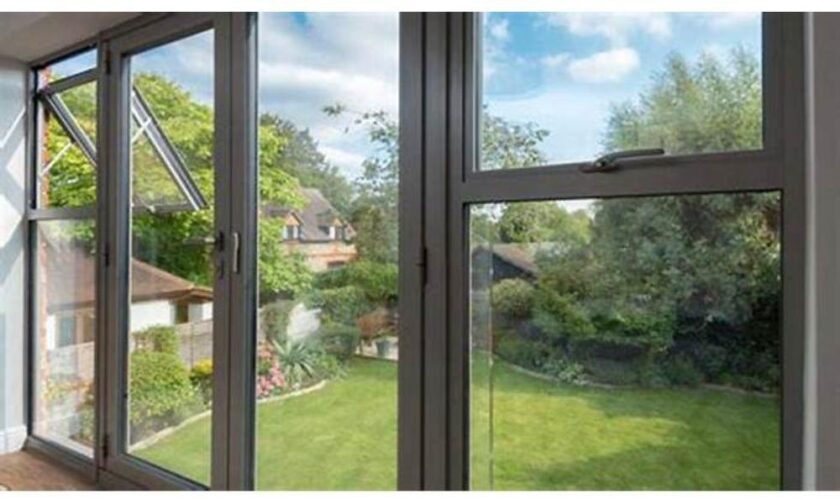
Aluminum casement windows are hinged at the sides and swing outward or inward like doors. Unlike fixed windows, casement windows can fully open, giving you control over how much air flows into your home. Their simple design and functionality make them a timeless favorite for homeowners looking to improve ventilation.

Why Casement Windows Are Ideal for Airflow

  1. Wide Opening for Maximum Ventilation:

Casement windows offer unobstructed openings, as the entire sash swings outward. This allows for more air to move through compared to other window types, such as sliding or double-hung windows, which only partially open. Whether you want a gentle breeze or a strong cross-ventilation, casement windows deliver.

  1. Improved Directional Airflow:

With casement windows, air can be directed into your space depending on the direction the window opens. For example, when opened outward, the sash can catch breezes and funnel them inside, even if the wind is blowing at an angle. This feature makes casement windows particularly effective in areas with inconsistent wind patterns.

  1. Tight Sealing When Closed:

Not only do casement windows excel at airflow when open, but they also seal tightly when closed, preventing drafts and air leakage. This keeps your home energy-efficient and ensures optimal ventilation when needed—on your terms.

Best Applications for Casement Windows

Kitchens: Ideal for removing cooking odors and excess humidity quickly.

Living Rooms: Maximize airflow in spaces where you spend the most time.

Bathrooms: Prevent moisture buildup and ensure fresh air circulates.

Small Rooms: Casement windows are space-efficient and can provide excellent ventilation in compact areas.

Comparing Other Window Types: Louver and Sliding Windows

Louver Windows

Louver windows feature horizontal glass or metal slats that tilt open to allow airflow. These windows are great for providing consistent ventilation, even during rain, as the angled slats prevent water from entering. However, the airflow is somewhat restricted because the slats don’t open fully. Unlike casement windows, louver windows are better for areas that need gentle airflow rather than significant ventilation.

Sliding Windows

Aluminum sliding window operate by gliding horizontally along a track. They are space-saving and easy to operate, but only half of the window area opens at any given time, limiting airflow compared to casement windows. Sliding windows are ideal for smaller rooms or spaces where you want moderate ventilation but don’t need a strong breeze.

Why Casement Windows are the Best Choice for Maximizing Airflow

When it comes to ventilation efficiency, casement windows stand out for their versatility and ability to provide strong, controlled airflow. Their wide-opening design ensures maximum airflow, while their ability to direct breezes into your home adds an extra layer of functionality. Compared to louver and sliding windows, casement windows offer a better combination of ventilation and energy efficiency—making them perfect for almost any room in your home.

Tips for Choosing Casement Windows

To make the most out of casement windows, keep the following points in mind:

Placement: Install casement windows in areas with strong breezes to improve natural ventilation.

Size: Bigger windows allow greater airflow, but ensure the size complements the room’s layout.

Material: Opt for durable and airtight frames like uPVC, wood, or aluminum to enhance energy efficiency.

Screens: Add insect screens to keep bugs out without compromising airflow.

Whether you’re building a new home, renovating, or simply improving ventilation, choosing the right windows is crucial. Casement windows are an excellent choice for maximizing airflow due to their wide opening, directional airflow capabilities, and effective sealing. By strategically placing casement windows in your home, you can enjoy fresh air circulation, better indoor comfort, and long-term energy savings

read more
Home

Why Regular Tree Service Is Essential for a Healthy Landscape

One of the most useful properties of a landscape is trees. They are shade-producing, air-purifying, and beauty-enhancing. But trees, like any other section of your property, need regular care and maintenance to remain healthy and strong. That’s why it is important to have regular tree service. Professional tree care takes the form of trimming and pruning, disease prevention, and safety checks in order to make sure that your landscape is not dangerous, dull, or dark.

This is why it is important to invest in regular tree service in order to preserve a healthy and beautiful outside environment.

1.      Promotes Healthy Tree Growth

The primary advantage of routine tree service is that it helps enhance the overall well-being of your trees. As time elapses, the branches may be overgrown/diseased and prevent access of sunlight and nutrients to others in the tree. With professional pruning and trimming, the dead or weak branches are cut off, and healthy growth is promoted.

Consistent maintenance is also important in making young trees gain a good structure and shape. Experts help the trees to grow more uniformly, and they are better placed to combat the wind, storms, and other environmental pressures.

2.      Prevents Tree Diseases and Pest Infestations

Trees, like humans, are prone to diseases and infestations unless they are well taken care of. The dead or decaying branches tend to transmit diseases, and pests like beetles and borers can do a lot of damage. Frequent issues with the trees are identified early before they become serious.

A licensed arborist would be able to diagnose a disease, administer the appropriate remedies, and protect the propagation of pests to other trees in your yard. Preventive care can preserve your trees, as well as prevent damage to your whole landscape at an expensive cost.

3.      Enhances the Aesthetic Appeal of Your Property

The tree is a beautiful addition to your landscape and is well-maintained. But trees do not appear trim and proper unless they are trimmed. Regular trimming and shaping enhance the aesthetic value of your property so that it will appear more presentable and friendly.

However, regular tree trimming with professional tree services maintain your landscape and makes it look good all year round, whether you have your residential yard or a commercial location. This not only enhances the curb appeal, but it may also raise the value of your property.

4.      Improves Safety Around Your Property

Bushy branches and poor limbs may bring serious safety hazards, particularly in storms or high winds. Even falling branches can destroy roofs, cars, and power lines—or even hurt. It is to avoid such accidents that regular tree service is employed to spot and remove dangerous branches before they pose a problem.

The tree experts will also analyze the security of your trees, whether they are leaning over or their roots appear to be damaged. Regular checkups and regular maintenance minimize the possible risks, and your family and property are secure. Therefore, if you want to preserve the natural beauty and health of your landscape, don’t wait until problems arise.

read more
Home

Alleviate Water Damage Fast: Toronto’s Essential Rental Guide

The Water Damage Nightmare

Excess water in your home or office can be devastating. Whether it’s due to a leaky roof, a broken pipe, flooding, or high humidity, water damage can ruin your belongings and even compromise the structural integrity of your building. Apart from visible damage – swollen woodwork, peeling paint, and mold – moisture can seep into walls, floors, and furnishings, leading to expensive repairs if left untreated.

Turn a Disaster into a Manageable Reclamation with Dri-Eaz

That’s where the Dri-Eaz portable air movers / fans come in. When you’re dealing with water damage, time is of the essence. You need a solution that’s efficient and accessible. These fans are designed to dry spaces fast, using high-velocity air circulation to speed up the evaporation process and thus mitigate damage. A popular water damage fan rental in Toronto is the Dri-Eaz Sahara Pro X3 Turbodryer. This fan sets the industry standard for high-velocity air movers due to its ability to run at lower amp so you can use more units per circuit, its forward, focused airstream for effective drying power, and its rugged and stackable design for easy transport and storage. It’s the heavy-hitter that will get your space dry, fast. Unforeseen water damage can strike at any time, but you can fight back with power and convenience by renting the right equipment. Don’t allow water damage to saturate your life with stress and financial worry. Equip yourself with DryingEquipment.ca solutions and turn the tide against water damage, restoring safety, functionality, and comfort to your space. Remember, it’s not about the mishap, it’s about how swiftly and effectively you react. So, get ahead of the flood with DryingEquipment.ca’s range of products and rental services. It’s your beacon in the storm, helping turn potential disasters into manageable situations.

read more
Home

Aircon Water Leaks: 7 Common Causes and What to Look Out For

A puddle under your aircon unit is never a good sign. While water is a by-product of cooling, it shouldn’t be dripping out like a leaking tap. If you’ve noticed a leak and are scratching your head, you’re not alone. Plenty of homeowners in Singapore deal with this watery dilemma. Before you call for aircon repair in Singapore, it helps to know what might be going on behind the panels.

1. The Drain Line Is Clogged

Your aircon pulls moisture from the air. That moisture drains through a pipe. But when dirt, dust, or algae block the way, the water backs up. With nowhere else to go, it spills out into your room. This is one of the most common causes of aircon leaks, and thankfully, it’s a relatively simple fix if caught early. Most air conditioning repair services include drain line cleaning in their standard servicing packages.

2. The Filter Is Too Dirty

Air filters trap dust and debris, keeping your indoor air clean. But when they’re not cleaned or replaced regularly, they choke the airflow. That can cause the coils to freeze. When the ice melts, guess what? Water starts dripping. Regular filter checks can help you avoid this domino effect, and many providers of aircon repair in Singapore offer cleaning as part of their maintenance bundles.

3. The Refrigerant Level Is Low

Refrigerant keeps your aircon cool. When levels drop too low, the evaporator coils can freeze. It might seem ironic, but ice inside your unit is never a good sign. Once it thaws, you get excess water that your system isn’t designed to handle. Low refrigerant often points to a leak in the system, so professional inspection is key. Reliable air conditioning repair services will check and recharge the refrigerant while sealing any leaks.

4. The Drain Pan Is Cracked or Rusted

The drain pan collects water from the cooling process before it’s drained out. But if it’s old, rusted, or cracked, water escapes. It’s a sneaky issue because many people don’t think to inspect the pan. A damaged drain pan usually calls for a replacement, something that most services that offer aircon repair in Singapore can sort out during a home visit.

5. The Unit Was Installed Poorly

Sometimes the problem starts right from day one. If the unit isn’t level, or the drainage pipe is incorrectly fitted, you’ll have leakage issues before long. This tends to happen more with rushed or budget installations. In Singapore’s climate, even a slight installation error can turn your sleek aircon into a dripping mess. Choosing reliable air conditioning repair services ensures that installation faults are corrected properly.

ALSO READ: Why is My Aircon Leaking Water? Expert Tips for Quick Fixes

6. The Coils Are Dirty

Evaporator coils need to stay clean to do their job. When dust or grime builds up, it blocks the flow of air and creates temperature imbalances. This can lead to frozen coils and, eventually, water dripping out as they thaw. The fix? A proper clean, usually included in a detailed servicing. If you’re booking aircon repair in Singapore, ask if coil cleaning is included.

7. High Humidity and Poor Ventilation

Singapore’s sticky climate doesn’t help. High humidity means your aircon works harder to condense moisture, and if the ventilation isn’t great, that moisture can collect faster than your unit can drain it. The result? Leaks. Good airflow and regular upkeep can make a big difference. Some air conditioning repair services also offer advice on optimising your space for better ventilation.

Don’t Let a Leak Ruin Your Chill

Water dripping from your aircon is a problem that shouldn’t be ignored. Left unchecked, it can damage your walls, ceilings, or even electronics nearby. Understanding the root causes can help you catch the problem early. Whether it’s a clogged drain, a frozen coil, or a rusty pan, the fix usually starts with a proper check-up.

Professional help goes a long way. If your aircon has turned into a mini fountain, it’s time to call the experts. Contact Newway Air Conditioning to schedule an inspection and keep your cool, minus the puddles.

read more
Home

What Are the Pros and Cons of Marble Countertops?

Marble countertops have long been associated with luxury, elegance, and timeless appeal. Whether you’re planning a kitchen remodel or upgrading your bathroom vanity, marble can make a bold design statement. But is it the right choice for your home? Like any surface material, marble comes with both advantages and limitations that are important to consider before making a decision.

Top-tier providers like Casa Granite marble countertops offer a wide range of marble selections along with guidance on how to care for them—making it easier to understand what this material brings to your home.


Pros of Marble Countertops

1. Aesthetic Beauty and Unique Veining

One of marble’s strongest selling points is its visual impact. Each slab of marble features unique veining and color patterns, giving your countertops a one-of-a-kind appearance. No two pieces are the same, making it a natural choice for homeowners looking for a luxurious, customized look.

Marble also offers a softer, luminous quality not found in granite or quartz, thanks to the way it reflects light. This can brighten up kitchens and bathrooms, creating a more open, airy feel.


2. Cool Surface Ideal for Baking

Marble remains naturally cool to the touch, making it perfect for bakers and chefs. Its temperature-stable surface is ideal for working with dough, pastry, chocolate, or other temperature-sensitive ingredients. Many professional kitchens incorporate marble for this very reason.


3. Wide Range of Color Options

While white marble (like Carrara and Calacatta) is most well-known, marble is also available in shades of gray, green, pink, black, and brown. This variety allows homeowners to match their countertop choice with different cabinetry, flooring, and wall colors.


4. Adds Real Estate Value

Because of its timeless appearance and upscale reputation, marble countertops can significantly enhance the perceived value of your home. Buyers often associate marble with craftsmanship and quality, making it an attractive feature in real estate listings.


Cons of Marble Countertops

1. Susceptibility to Stains and Etching

Marble is a porous stone composed primarily of calcium carbonate. This makes it highly sensitive to acidic substances such as lemon juice, vinegar, wine, and even tomato sauce. Spills can leave behind dull spots known as etching.

While sealing marble helps reduce staining, it doesn’t completely prevent etching. This can be frustrating for homeowners who prefer low-maintenance surfaces.


2. Requires Regular Maintenance

Unlike quartz or granite, marble requires more care to maintain its appearance. It should be sealed once or twice a year, and any spills should be cleaned up immediately. Harsh chemicals and abrasive cleaners can damage the surface, so a pH-neutral cleaner is recommended.

If you’re not committed to regular upkeep, marble might not be the most practical option for high-traffic kitchens.


3. Softer and More Prone to Scratches

Marble is softer than granite or quartz, meaning it’s more likely to scratch or chip from heavy kitchen tools or dropped objects. Cutting directly on marble is also not advised—it can leave permanent marks and dull your knives.

Using cutting boards, trivets, and gentle cleaning practices is essential to protect the integrity of the stone.


4. Cost Considerations

While not the most expensive stone on the market, high-quality marble is still a premium material. The cost of the stone, fabrication, and installation can add up quickly, especially if you’re covering a large area.

Budget-conscious homeowners may need to consider whether marble fits their financial plan or if another material might be more cost-effective.


Conclusion

Marble countertops bring undeniable elegance and a timeless feel to any space. They’re a favorite among designers and homeowners for good reason—but they also require thoughtful care and maintenance. Understanding the strengths and weaknesses of marble can help you make a confident decision.

read more
1 2 3 4 … 8
Page 2 of 8