close

Robert Peterson

Real Estate

How to Decide If an Executive Condominium Fits Your Long-Term Housing Goals

When it comes time to purchase a home, it’s a purchase that is frequently linked with plans that go beyond the current. Although a lot of customers make a purchase based on their present needs, the best purchases are made based on what life might be like 5-10 years in the future. While an Executive Condominium may be the right choice for many households, careful consideration and research are required to determine if it is the right choice for your long-term housing needs.

Rather than the question of whether a development is attractive now, it’s more helpful to find out if it will be able to meet your needs as your situation changes. This attitude helps customers to decide on a product rather than an emotional purchase.

Think About Your Future Lifestyle

Things do not happen as they have been planned, and things do not remain tranquil for long. Careers change, families grow, and priorities change with time. A house that’s right for you now should also be right for you later on.

Take some time to contemplate your plans before starting to compare different plans. Think about the changes in the way you work, live and travel or what the family may need in the future. It can be easier to spot developments that will be useful in the long term than in the short term with the help of planning.

Evaluate the Neighborhood Carefully

Having a good residential experience is more than just the property. Once you’re settled into the neighborhood, it becomes a part of your daily routine and is well worth exploring in detail.

When purchasing Solano Grand, purchasers have the time to educate themselves about the Bukit Panjang neighborhood and its various facilities, services, green spaces and transport options. A broader view of the larger surroundings gives a better reality check on life. As well as your choice of home, the location of the home can have an impact on how comfortable you are in the neighborhood.

Consider Everyday Practicality

Certain characteristics of the property may seem great on paper, but in reality don’t affect everyday use. Some might appear to be straightforward in the beginning, but they’re beneficial on a daily basis.

Oftentimes, ease of access to public transportation, functional layouts, amenities, and comfortable community spaces are more important than initial appearance.

When considering a home, it’s helpful to think about how you’re going to use it to distinguish between those features that you’ll need and those that you don’t.

Compare Developments Without Rushing

A great deal of buyers conduct a few visits before they decide on an Executive Condominium project. When it comes to the differences, it’s important to take time and compare each one objectively so that important differences will become clear.

Don’t memorize; make a simple comparison according to your own priorities. Take into consideration aspects like accessibility, the quality of the neighborhood, nearby amenities, and future suitability. When you’re considering Wynwood Grand, you may consider the development itself, as well as the Woodlands neighborhood, to decide if it’s a good location for your long-term housing plans.

Focus on the Bigger Picture

The present condition of the property should not be a single factor in deciding its ownership. A holistic assessment encompasses lifestyle, convenience, financial planning and flexibility for the future.

The big picture enables the buyer to make choices without relying on the immediate impression or trends. The most ideal home is frequently the one that effortlessly offers assistance in everyday life without causing any problems later. When one thinks carefully, their confidence is generally increased throughout the entire buying process.

Conclusion

When selecting an Executive Condominium, you will need to plan and have realistic expectations for your long-term housing needs. Those who consider lifestyle and neighborhood are better informed when they’re considering a purchase. Both Solano Grand and Wynwood Grand speak to the importance of location and day-to-day functionality, and future needs and the residential environment, respectively. It’s possible to make your home ownership experience more rewarding by looking to the future.

read more
Home improvement

Central Air vs. Ductless Cooling: Which Is Better for Your Home? 

Choosing the right cooling system is one of the most important decisions homeowners make when upgrading or replacing their HVAC equipment. While traditional central air conditioning has been the standard for decades, ductless mini-split systems have grown in popularity thanks to their flexibility and energy efficiency.

The best option depends on your home’s layout, your budget, and your comfort goals. Whether you’re building a new home, renovating an older property, or replacing an outdated unit, understanding the differences between these two cooling solutions can help you make an informed choice. Homeowners researching central air conditioners Flemingsburg, KY often compare these systems to determine which one offers the best long-term value for their specific needs.

How Central Air Conditioning Works

A central air conditioning system cools your entire home using a network of ducts. The system includes an outdoor condenser, an indoor evaporator coil, and a blower that circulates cooled air through vents located in each room.

This setup is ideal for homes that already have ductwork installed. Once the thermostat reaches the desired temperature, the system distributes cool air evenly throughout the house, maintaining consistent indoor comfort.

Because central air cools the entire home at once, it provides a seamless experience with minimal temperature differences between rooms.

Understanding Ductless Mini-Split Systems

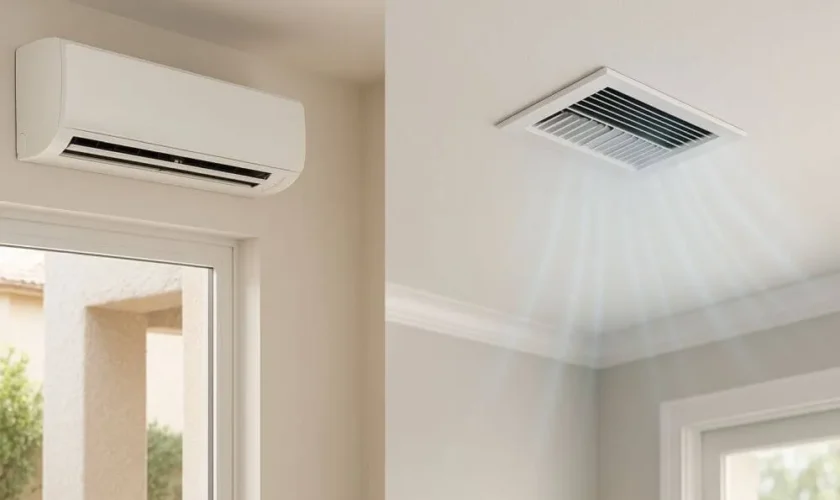
Ductless mini-split systems consist of an outdoor compressor connected to one or more indoor air-handling units. Instead of using ducts, refrigerant lines connect the outdoor and indoor components.

Each indoor unit operates independently, allowing homeowners to control the temperature in individual rooms or zones. This flexibility makes ductless systems especially attractive for homes without existing ductwork, room additions, garages, and converted basements.

Installation is generally less invasive than adding a full duct system since only a small opening is required for the refrigerant lines.

Installation Considerations

One of the biggest differences between these cooling options is installation.

Central Air

Installing central air is relatively straightforward if your home already has ducts in good condition. However, homes without existing ductwork may require significant remodeling to install air distribution channels, increasing both labor and material costs.

Ductless Systems

Mini-splits are much easier to install in homes without ducts. Indoor units can be mounted on walls, ceilings, or floors, making them adaptable to many different spaces.

If you’re adding cooling to a single room or an older home where installing ducts would be difficult, ductless systems often provide a practical solution.

Energy Efficiency

Energy efficiency is a major factor when comparing cooling systems.

Central Air Efficiency

Modern central air conditioners are far more efficient than older models, especially those with higher Seasonal Energy Efficiency Ratio (SEER2) ratings. However, ductwork can reduce overall efficiency if leaks or poor insulation allow cooled air to escape.

Properly sealed and maintained ducts help minimize these energy losses.

Ductless Efficiency

Ductless systems eliminate duct-related energy losses altogether. They also allow homeowners to cool only occupied rooms instead of the entire house, reducing unnecessary energy use.

Many mini-splits also feature inverter technology, which adjusts compressor speed based on cooling demand instead of constantly turning on and off. This can result in lower electricity consumption and improved indoor comfort.

Comfort and Temperature Control

Comfort goes beyond simply lowering the indoor temperature.

Central air systems provide consistent cooling throughout the home with a single thermostat. This works well for families who prefer maintaining one comfortable temperature across all rooms.

Ductless systems offer individualized climate control. Each indoor unit has its own thermostat, allowing different family members to customize temperatures in separate rooms.

This zoning capability is especially useful in larger households where personal comfort preferences vary.

Appearance and Space Requirements

Aesthetics can also influence your decision.

Central air systems remain largely hidden from view. The indoor components are concealed within walls, ceilings, and utility areas, while only supply vents are visible.

Ductless units, on the other hand, are mounted inside living spaces. Although modern designs are more compact and attractive than earlier models, some homeowners prefer the nearly invisible appearance of central air.

Outdoor space requirements are similar for both systems since each uses an exterior condenser unit.

Maintenance Needs

Both systems require routine maintenance to perform efficiently and extend equipment lifespan.

For central air systems, homeowners should:

  • Replace air filters regularly.
  • Keep outdoor units free of debris.
  • Schedule annual professional inspections.
  • Have ductwork inspected periodically for leaks.

Ductless systems also require regular filter cleaning and professional servicing. Because each indoor unit contains its own filter, homes with multiple zones may require more frequent cleaning.

Routine maintenance helps preserve efficiency and prevents unnecessary wear on either type of system.

Cost Comparison

Initial installation costs vary depending on the home.

Central air is often more affordable when existing ductwork is already in place. However, adding ducts to a home can substantially increase installation expenses.

Ductless systems usually have a lower installation cost for homes without ducts but may become more expensive if multiple indoor units are needed to cool an entire house.

Long-term operating costs depend on system efficiency, home insulation, local climate, and how frequently the system is used.

Which System Is Right for Your Home?

There is no universal answer because every home has unique requirements.

Central air may be the better choice if:

  • Your home already has ductwork.
  • You want consistent whole-home cooling.
  • You prefer equipment hidden behind walls and ceilings.
  • You plan to cool every room equally.

A ductless system may be a better fit if:

  • Your home lacks ductwork.
  • You’re cooling only certain rooms.
  • You want independent temperature control.
  • You’re adding climate control to an addition or converted space.

Many homeowners even combine both technologies, using central air for the main living areas and ductless units for additions, bonus rooms, or detached buildings.

Final Thoughts

Both central air conditioning and ductless mini-split systems offer dependable, efficient cooling when properly selected and maintained. The right choice depends on your home’s design, your budget, and how you use each living space.

Before making a decision, consider installation costs, long-term energy savings, maintenance requirements, and your family’s comfort preferences. Consulting with a qualified HVAC professional can help evaluate your home’s layout and recommend the solution that delivers the best balance of efficiency, performance, and value. By carefully weighing the advantages of each system, you’ll be better prepared to invest in a cooling solution that keeps your home comfortable for many summers to come.

read more
Flooring

Why Commercial Floors Fail Faster Than Most Business Owners Expect

Commercial Floors Fail Faster

Many commercial floors don’t wear out because the flooring material was poor. They fail because the installation process didn’t match the demands of a busy commercial environment.

In offices, retail stores, restaurants, medical facilities, and other commercial buildings around Tampa, flooring experiences constant foot traffic, rolling equipment, furniture movement, moisture, and daily cleaning. Even a high-quality flooring product can develop problems early if the concrete slab, moisture conditions, or subfloor preparation are overlooked before installation.

Business owners often focus on choosing durable flooring materials while underestimating what happens underneath the finished floor. In reality, the foundation of the installation has a major impact on how well the floor performs over the years.

Why Commercial Flooring Requires a Different Approach

Commercial projects typically involve much heavier daily use than residential homes. That means every stage of installation becomes more important.

Some of the most common reasons commercial flooring develops problems include:

  • uneven concrete slabs;
  • hidden moisture within the concrete;
  • improper surface preparation;
  • movement or cracking in the slab;
  • incorrect adhesive selection;
  • rushed installation schedules.

These issues may not become visible immediately. Instead, businesses often begin noticing loose flooring, hollow sounds, curling edges, cracked tile, lifting vinyl, or premature wear months after installation.

Proper planning before installation helps reduce these risks and protects the investment made in new flooring.

Expert Insight

One pattern experienced flooring contractors frequently see is that flooring failures often begin long before the first tile or plank is installed. Concrete that appears smooth may still contain moisture, surface contaminants, old adhesive residue, or minor elevation changes that eventually affect the finished floor. Spending additional time evaluating the slab at the beginning of the project usually saves significantly more time and money than repairing failed commercial flooring later.

Why Proper Installation Protects Your Business Investment

Every day a commercial floor remains in service, it experiences thousands of small impacts. Employees walk across it, customers move furniture, delivery carts roll through hallways, and cleaning crews use water and commercial cleaning products. Unlike residential flooring, commercial flooring must perform consistently under constant pressure.

That’s why successful commercial flooring projects begin long before installation day. Evaluating the concrete slab, correcting uneven areas, checking moisture levels, and selecting materials appropriate for the environment all contribute to a longer-lasting result.

For example, a medical office requires flooring that supports hygiene and frequent cleaning, while a restaurant may need materials that withstand moisture, grease, and heavy foot traffic. Retail stores often prioritize durability combined with appearance, while office spaces require flooring that remains stable beneath rolling office chairs and everyday employee traffic.

Although every business has different needs, careful preparation remains one of the most important factors behind a successful installation.

What Many Business Owners Overlook

When businesses compare flooring estimates, the lowest price can sometimes exclude critical preparation work. Surface grinding, moisture mitigation, crack repair, floor leveling, or removal of previous flooring systems may not always be included in a basic quote.

Skipping these steps can create hidden problems that appear months later. Replacing damaged commercial flooring often costs considerably more than investing in proper preparation during the original installation.

Choosing experienced professionals who understand commercial flooring systems helps reduce the likelihood of unexpected repairs and business interruptions.

Frequently Asked Questions

How long does commercial flooring typically last?

The lifespan depends on the flooring material, daily traffic, maintenance, and—most importantly—the quality of the original installation and floor preparation.

Is moisture testing important before installation?

Yes. Moisture inside a concrete slab can affect adhesives and many flooring products. Identifying potential moisture issues before installation helps prevent future flooring failures.

Can uneven concrete affect new flooring?

Absolutely. Even small variations in the slab can impact the finished surface, leading to premature wear, movement, cracked tile, or adhesive failure over time.

How to Choose the Right Commercial Flooring System

No single flooring product is ideal for every commercial space. The right solution depends on how the building is used, the level of daily traffic, maintenance expectations, and the condition of the existing concrete slab.

For example, office environments often benefit from flooring systems that provide durability while maintaining a professional appearance for employees and visitors. Retail stores may prioritize surfaces that resist scratches from shopping carts and frequent customer traffic. Restaurants typically require materials that can tolerate moisture, spills, and repeated cleaning without compromising performance. Medical and healthcare facilities often focus on hygienic, easy-to-maintain flooring that supports a clean environment.

Another important consideration is future maintenance. Selecting a flooring system that is easy to repair or maintain can significantly reduce long-term operating costs for business owners. In many cases, spending more time evaluating the building’s conditions before installation leads to fewer service interruptions and greater overall value throughout the life of the floor.

Rather than selecting flooring based solely on appearance or initial cost, experienced contractors evaluate the complete environment before recommending a flooring solution. This approach helps businesses choose materials that not only look professional on opening day but also continue performing well after years of daily use.

Commercial Flooring Is More Than Just Choosing a Material

One of the biggest misconceptions about commercial flooring is that success depends primarily on the flooring product itself. In reality, every commercial installation is a system where the concrete slab, moisture conditions, surface preparation, installation methods, and flooring material all work together.

Businesses planning renovations often compare products based on appearance or price alone, but long-term performance usually depends on how well the entire installation process is managed. Proper planning helps reduce unnecessary repairs, extend the life of the flooring, and minimize disruptions to daily operations.

Whether the project involves an office, restaurant, retail space, medical facility, or condominium common area, selecting an experienced contractor who understands commercial environments can make a significant difference in the finished result.

As Tampa continues to grow with new businesses, office renovations, and commercial developments, investing in professional installation practices has become increasingly important for companies looking for durable, low-maintenance flooring solutions that perform reliably for years.

Businesses considering new flooring can learn more about commercial flooring installation in Tampa and the installation methods that help create long-lasting commercial floors designed for Florida’s demanding climate and high-traffic environments.

Final Thoughts

Commercial flooring is a long-term investment in the safety, appearance, and functionality of a business. While attractive flooring materials are important, the quality of the installation often determines how well that investment performs for years to come.

Businesses planning renovations or new construction can benefit from working with professionals who understand every stage of the process—from slab evaluation and moisture control to final installation. Learn more about commercial flooring installation in Tampa to better understand the planning and installation methods that help commercial flooring perform reliably in demanding business environments.

read more
Home improvement

Essential Floating Dock Accessories for Homeowners

A floating dock already makes life near the water more useful. It gives you a place to board a boat, launch a kayak, swim, fish, or sit quietly at the end of the day. But a dock does not have to stay plain. With the right accessories, it can become safer, easier to use, and more comfortable for daily waterfront living.

The best upgrades are not always the biggest ones. Sometimes a simple ladder, better lighting, or a few protective bumpers can make the dock feel more complete. A good accessory should solve a real problem. It should make the dock easier to use, protect your boat, or help your family and guests feel safer around the water.

Below are some smart floating dock accessories worth considering.

Dock Ladders for Easier Water Access

A dock ladder is one of the most useful upgrades for a floating dock. If people swim from your dock, a ladder is not really optional. It gives swimmers a safer and easier way to get in and out of the water.

Retractable and flip-up dock ladders are popular because they can be lifted out of the water when not in use. That helps reduce algae growth, rust, and wear. It also keeps the ladder from staying wet all the time, which can help it last longer.

For deeper water, an angled ladder or extended ladder can make climbing much easier. Straight ladders work fine in some places, but they can feel harder to use, especially for kids, older adults, or anyone carrying gear. Wide steps and slip-resistant treads are also worth looking for because wet feet and smooth metal are not always a great mix.

A ladder may seem like a small thing, but it changes how usable your dock feels.

Dock Bumpers and Fenders for Better Protection

If you keep a boat near your floating dock, bumpers and fenders are very important. Boats move with waves, wind, and current. Even light movement can cause rubbing, dents, or scratches over time.

Dock bumpers act like cushions between the boat and the dock. They help absorb impact when the boat touches the dock during docking or while tied up. Corner bumpers are helpful too, especially in tight spaces where the boat may come in at an angle.

Fenders can also be attached to the boat for added protection. Together, bumpers and fenders help reduce damage and make docking less stressful. This is especially helpful if several people use the dock or if the water gets rough at times.

A floating dock moves more than a fixed dock, so protection matters. Small impacts can add up over time.

Solar Dock Lights for Safety and Visibility

Dock lighting is another smart upgrade. A dock can be hard to see at night, especially around steps, edges, cleats, or the gangway. Solar dock lights help make the area safer without needing complicated wiring.

Solar lights charge during the day and turn on at night. This makes them simple to install and easy to maintain. They can be placed along the dock edges, near the entrance, around seating areas, or close to boat tie-up points.

Motion-activated lights are useful for security and quick visibility. Soft pathway lights can make the dock easier to walk on after sunset. LED strip lights can give the dock a cleaner and more modern look, but they should still be installed in a way that does not create glare.

Good lighting is not only about appearance. It helps prevent trips, missed steps, and docking mistakes.

Dock Cleats and Tie-Up Systems

Cleats are small, but they do a big job. They help secure boats, kayaks, paddleboards, and other watercraft. Strong cleats make tying off easier and safer.

Flip-up cleats are a good choice for floating docks because they stay flat when not being used. This helps prevent people from tripping over them. Adjustable cleats can also be useful if different boat sizes use the same dock.

For areas with more waves or current, a better tie-up system may be needed. Mooring whips, dock lines, and shock-absorbing systems help reduce pulling and sudden movement. This can protect both the boat and the dock hardware.

The right tie-up system depends on your water conditions and how you use the dock. A calm pond and a busy waterfront do not need the same setup.

Storage Boxes for Gear and Supplies

Waterfront gear can pile up fast. Ropes, life jackets, towels, fishing tools, paddles, cleaning supplies, and boat items all need a place to go. A waterproof storage box keeps these items organized and protected.

Storage boxes are especially helpful for families. Instead of carrying everything back and forth from the house, you can keep common items close to the dock. Look for storage that is weather-resistant, sturdy, and easy to open.

Some storage benches can do two jobs at once. They provide seating and space for gear. That is useful if your dock is smaller and you want to save room.

A clean dock is also a safer dock. Loose ropes, tools, and life jackets can become tripping hazards if they are left scattered around.

Comfortable Seating and Shade

A floating dock is not only for boats. Many people use it as a place to relax. Adding seating can turn the dock into a more enjoyable outdoor space.

Built-in benches, folding chairs, dock stools, or storage seating can make the area more inviting. If the dock gets a lot of sun, shade is worth considering too. A small canopy, umbrella, or removable shade structure can make the dock more comfortable during hot days.

Comfort upgrades do not need to be fancy. Even a simple bench and a shaded spot can make the dock feel like a place where people want to spend time.

Kayak, Paddleboard, and PWC Launches

If you use kayaks, paddleboards, or personal watercraft, a launch system can make a big difference. These accessories help you get in and out of the water with less effort.

A kayak launch gives you a stable place to sit while entering or exiting the kayak. Paddleboard racks help keep boards off the dock surface and out of the way. PWC ports make it easier to store small watercraft without tying them directly to the dock.

These upgrades are helpful because they reduce clutter and make water activities smoother.

Final Thoughts

The right floating dock accessories can make your dock safer, cleaner, and more enjoyable. Some upgrades protect your boat. Others improve comfort, storage, lighting, or water access. The best choices depend on how you use your dock every day.

Start with the basics first. Think about safety, access, protection, and storage. After that, add comfort features that fit your lifestyle. With thoughtful upgrades, a floating dock can become more than a place to step onto the water. It can become one of the most useful and relaxing parts of your waterfront property.

This post was written by a professional at Supreme Marine Floating Docks. https://supremefloatingdocks.com/ is dedicated to providing top-quality floating docks and marine accessories that combine durability, innovation, and superior performance. While we are a new brand, our team brings over 50 years of combined industry experience, making us a trusted name in the marine world. We are passionate about designing and delivering products that meet the highest standards, ensuring reliability and longevity in all marine environments. Whether for residential, commercial, or recreational use, our docks are crafted with precision and care, setting a new benchmark in the industry. At Supreme Marine, we don’t just build docks-we create lasting solutions.

read more
Real Estate

Amberwood at Holland Showfla details and condo insights buyers should check carefully

Walking into the Amberwood at Holland Showfla feels different from seeing polished marketing visuals online. The space looks straightforward, not overly staged, which can help buyers focus on layout instead of decoration. Some people expect something more dramatic, but instead they see a setup that reflects practical living conditions more clearly.

Layout flow and how space is actually used

Inside Amberwood at Holland Condo, the arrangement of rooms allows easier movement without forcing tight transitions between spaces. Living areas connect in a way that feels usable rather than compressed, especially compared to many newer developments in Singapore. This becomes easier to notice during a slow walkthrough instead of a quick visit.

Interior condition and what may vary across units

The finish seen in the Amberwood at Holland Showfla does not represent every unit available in the development. It is possible that some of the units have been recently renovated, and some may still contain older fittings and surfaces. Customers need to inspect several units and not think that the entire property is in the same condition.

Kitchen and storage without unnecessary complexity

Kitchens at Amberwood at Holland Condo approach a more basic and utilitarian design style. Storage facilities are readily available, and layouts do not have overly complicated systems that may be impractical. This may fit customers with a taste of simple installation that does not need frequent modifications or repairs.

Light, ventilation, and how they shift over time

The lighting in the Amberwood at Holland Showfla may be different according to the time of day and the direction the unit is turned. The morning visits can be brighter in their interiors, and the evening visits can be less intense and direct. Airflow also plays a role, so checking ventilation during the visit can provide useful insight.

Surrounding area influence beyond the unit itself

The environment around Amberwood at Holland Condo contributes to its overall appeal for many buyers. Being in the Holland area means access to food options, daily essentials, and transport links without long travel times. The buyers are expected to take time to visit the neighbours to know about the level of noise and the overall activity patterns.

Conclusion with grounded advice and next steps

All of this put together, the Amberwood at Holland Showfla would be a helpful resource when it comes to layout and space utilisation, but not all units are represented there. Amberwood at Holland Condo has various conditions of units, and it is relevant to compare the various conditions of the units. Buyers are supposed to undergo a row of viewings, look at the extent of renovation and investigate the area before making their final decision. Talk to real estate agents, read existing listings, and make your decision based on actual observations. The next thing to do is to arrange the visits and collect as much information as possible, and then proceed.

read more
Home improvement

Why Temporary Surface Protection Film is Essential for Home Renovations

Home renovation projects bring excitement, transformation, and increased property value-but they also introduce significant risks to existing surfaces.

From dust and debris to paint spills and tool impacts, even a small project can cause costly and irreversible damage.

This is where temporary surface protection film becomes not just useful, but essential.

Protecting Surfaces from Physical Damage

During renovations, high foot traffic, heavy equipment movement, and material handling can easily scratch, dent, or chip floors, countertops, and walls. Hardwood floors can be gouged, tiles can crack, and delicate surfaces like marble or glass can suffer permanent marks.

Temporary surface protection film acts as a durable barrier between these vulnerable surfaces and construction activities. Designed with strong yet removable adhesives, these films stay securely in place throughout the project, absorbing impacts and preventing direct contact with harmful elements. Once the work is complete, the film can be removed easily without residue or harm to the original surface.

Preventing Paint, Dust, and Chemical Contamination

Renovation work often generates large amounts of dust, paint splatters, adhesives, and other contaminants. These substances can settle on surfaces and be difficult to remove, especially from porous or textured materials.

Protection films create a sealed layer that blocks dust infiltration and prevents spills from reaching the surface beneath. It becomes even more essential when dealing with high-end surfaces like natural stone, stainless steel, and finished wood. By keeping surfaces clean during the process, these films significantly reduce the need for intensive post-construction cleaning.

Reducing Cleaning Time and Costs

Post-renovation cleanup can be both time-consuming and expensive. Without proper protection, homeowners or contractors may need to invest in professional cleaning services, specialized chemicals, or even repair damaged areas.

Using temporary surface protection film simplifies cleanup dramatically. Rather than dealing with stubborn stains or debris, workers can simply peel away the film to reveal a clean, intact surface. This not only saves time but also reduces labor costs and minimizes the risk of accidental damage during cleaning.

Enhancing Safety on the Job Site

Safety is a critical concern during any renovation project. Slippery floors, scattered debris, and unstable surfaces can increase the risk of accidents for both workers and occupants.

Many protection films are designed with anti-slip properties, providing better traction and reducing the likelihood of slips and falls. Additionally, by containing dust and debris, they help maintain a cleaner and more organized workspace, further contributing to a safer working environment.

Preserving Aesthetic Value and Property Investment

Renovations are often undertaken to improve the appearance and value of a home. Ironically, without proper protection, the renovation process itself can undermine these goals by damaging existing finishes.

Temporary surface protection films help maintain surfaces in flawless condition throughout the entire project. Whether it’s newly installed flooring or existing fixtures that need to be preserved, these films help maintain the overall aesthetic integrity of the space. This is especially important in high-end renovations, where even minor imperfections can affect the final result.

Versatility Across Multiple Applications

One of the key advantages of temporary surface protection film is its versatility. It is suitable for a variety of surfaces, including hardwood floors, tiles, carpets, glass, countertops, cabinets, and appliances.

Different types of films are available to suit specific needs-such as heavy-duty floor protection, blue glass protective films, or breathable films for moisture-sensitive materials. This flexibility makes it an indispensable solution for projects of all sizes, from small home upgrades to large-scale remodeling.

A Small Investment with Big Returns

Compared to the potential costs of repairs, replacements, and extended cleaning, temporary surface protection film is a highly cost-effective solution. It requires minimal installation effort but delivers substantial benefits in terms of damage prevention, efficiency, and peace of mind.

read more
Renovations

Factors To Consider When Hiring Home Remodeling Contractors

An addition is a major home renovation project. It expands the finished living area of an existing residence. Most homeowners wish to expand at some point.

Sometimes, a larger kitchen or bathroom and an extra bedroom are desired by homeowners. The ones who claim their property is sufficient. Home extensions are useful in this situation.

There are various basic types of property expansions. This is to satisfy homeowners’ demands for living space, affordability, and design. They can be costly, full-size traditional additions.

Those that need excavation, footings, additional siding, and roofing. Or they can be low-cost additions to an attic or basement.

Before beginning the house or kitchen remodeling Katy Tx project. Several crucial decisions must be made at the appropriate moment. Additionally, these choices have the potential to ease this difficult process greatly.

Take caution when selecting a home remodeling contractor in Houston.

One of the most important aspects of any renovation project is selecting the builder. This is a process in and of itself that requires extreme caution.

Making notes and writing that could assist us in staying focused on our real demands. That is the greatest method to finish this process.

Before selecting a Houston home renovation contractor. We should ask our friends and relatives. Those who have had comparable experiences in the neighborhood can provide recommendations.

We have to make a short list of builders. And have direct conversations with them after the study is finished. You can always locate local offices online.


Examining their portfolio to find examples that resemble our remodeling project is the next step. Verifying the appropriate licenses required to function in Houston is also crucial.

Making Sensible Financial Plans

One of the most crucial parts of any renovation job is creating the budget. The first thing we need to prioritize is deciding where to devote and not to.

However, we must remember that merely making a list is insufficient. To avoid overpaying during the project, we must also adhere to the budget.

In addition to all of the expenses. We need to maintain a reserve account for unforeseen expenses. Visit https://www.realtor.com/living/one-room-renos/kitchen-renovation-cost-breakdown-houston-tx/ to learn more.

Why do we require a reserve fund for house remodeling? The solution is quite straightforward. When it relates to remodeling projects. We can’t always predict everything.

There may be unanticipated mishaps and surprises lurking behind the wall. Those that could drive up expenses.

Selecting The Appropriate Design

Many Houston home remodeling designers will tell us one thing. The original house’s architecture should be complemented by the style of our new addition. It doesn’t have to match exactly. But rather than attempting to outdo the current house in terms of ornamentation. It should enhance it.

However, there are ways to visually connect the old and new. Thus, producing a unique space that improves the existing. Even if we don’t particularly like some aspects of the current house’s architecture.

This is where using the expertise of a design specialist can be quite beneficial. In line with our preferences for the aesthetic of the existing house. Also, the style and mood we want to create in the space.

Article image

Architects and designers can help create additions that fit with the existing structure. While still being unique and having spaces that are most beneficial to our family and us.

Decide whether to remain in the construction area or to leave it.

This is one of the most important choices we ought to make when constructing a home addition. It is whether we want to live in our home or not during construction.

Much of this relies on the building’s size, timeline, and order. But individual comfort levels and attitudes toward living in a work zone are just as important.

Some individuals find it appropriate to live in the residence while construction is underway. But others do not find it comfortable.

Select Local

It’s usually preferable to search locally for contractors. This entails locating a local employee. You already know who can assist you if you live in the area.

If you’re not close to Houston, contact your local friends and relatives. Ask for recommendations of companies that specialize in the work you need done.

Verify the contractor’s insurance and license.

Avoid playing the blame game! Verify that your contractor has protection in case something goes wrong. Make sure the builder is licensed in your area.

This will prevent a fraudulent builder from entering your property. Stealing all of your money and leaving you with a disorganized remodel can be avoided.

Releases of Liens

Understand your state’s lien laws and regulations – check out this article for added info! If you choose a dubious contractor who fails to pay his suppliers or staff. You prefer not to be held accountable.

Obtain receipts and lien releases from each person who works on your house. Being cautious is preferable to being regretful.

Conclusion

For every type of house remodeling job, every choice is equally crucial. Every step of the process, from selecting the builders to the conclusion. This calls for careful thought.

Renovating a property can indeed be challenging. However, every homeowner can make it a valuable experience. This is achieved by making the appropriate choices and carrying out all of the plans correctly.

read more
Home

Filtration Efficacy Benchmarks: How RO Systems Combat Emerging Contaminants

Clean water supports life and daily health. Many regions now face new water risks. PFAS and microplastics are growing threats. These contaminants spread through many water sources. They are hard to detect and remove. So advanced filtration gains more focus. The need for safer water keeps rising. Among many options, reverse osmosis water systems provide strong purification results.

Understanding Emerging Contaminants

PFAS are synthetic chemical compounds. These chemicals resist heat and natural breakdown. They remain stable in soil and water. This stability causes long term environmental presence. Human exposure can happen through drinking water. Health concerns link to long exposure levels. Microplastics are small plastic particles. They come from broken plastic waste. They also enter water through daily use products. Now these particles appear in rivers and oceans. Many sources contribute to this pollution. The size makes removal very difficult. So, these contaminants challenge modern treatment methods.

Filtration Challenges in Modern Systems

Conventional systems use basic filtration techniques. These include sand filters and chemical treatment. They remove many visible impurities well. But they struggle with tiny contaminants. PFAS molecules are very small and mobile. Microplastics vary in shape and density widely. Some particles pass through standard filters easily. This reduces overall treatment effectiveness. The design of filtration systems matters greatly. Pressure levels and material quality affect results. Without advanced design, removal rates remain low. So modern challenges need better technology solutions.

How RO Technology Works

Reverse osmosis uses a special membrane filter. This membrane allows only water molecules to pass. Contaminants stay behind during the process. Pressure forces water through the membrane layer. The pores are extremely small in size. These pores block dissolved solids and particles. PFAS compounds cannot pass through easily. Microplastics are also trapped by size exclusion. So, the system removes a wide range of pollutants. The process improves water clarity and safety.

Benchmarking Filtration Efficacy

Filtration efficacy measures how well systems remove contaminants. Testing happens under controlled lab conditions. Scientists analyze water before and after filtration. PFAS removal rates are often very high. Microplastics show strong reduction as well. But results depend on membrane quality and system care. Filters must be replaced at correct intervals. Otherwise, performance can decline over time. Testing standards help compare different technologies. These benchmarks provide reliable performance data.

Advantages and Practical Considerations

RO systems offer reliable removal of harmful contaminants. They provide consistent results with proper maintenance. Installation requires planning and initial cost. Maintenance includes filter and membrane replacement. Some water waste occurs during operation. However newer systems reduce this waste level. Energy use stays moderate for most households. So long term benefits often exceed initial drawbacks. Clean water supports better health and wellbeing. Choosing a system depends on local water quality. Users should review certified test data carefully.

Conclusion

Emerging contaminants create serious water safety concerns. PFAS and microplastics are difficult to remove. Basic filtration methods often fail to address them. Reverse osmosis provides an effective solution. Its membrane blocks very small particles and chemicals. Benchmarks confirm strong performance across many tests. Regular maintenance ensures long term efficiency. As water challenges grow, advanced systems become essential. Safe drinking water remains a key goal for all communities.

read more
Landscaping

Tree Trimming: What’s Included in a Professional Service?

When it comes to keeping your property safe, beautiful, and thriving, few things make as big of an impact as regular tree maintenance. Tree trimming is more than just cutting off a few branches-it’s a vital part of tree health, property safety, and landscape aesthetics. But if you’ve ever wondered what’s actually included in a professional tree trimming service, this guide will walk you through everything you can expect from a certified tree care company.

Why Tree Trimming Matters

Trees play an important role in your yard’s ecosystem-they provide shade, improve air quality, and enhance curb appeal. However, without regular trimming, trees can grow unevenly, become diseased, or even pose hazards during storms. Professional trimming ensures your trees stay strong, safe, and visually balanced all year round.

What’s Included in a Professional Tree Trimming Service

A professional tree trimming service typically goes far beyond the simple act of pruning branches. It’s a detailed, safety-driven process performed by certified arborists or trained technicians. Here’s what a complete service usually includes:

1. Initial Tree Assessment

Every trimming job begins with a thorough inspection. The arborist examines the tree’s overall health, looking for signs of disease, decay, or pest infestations. They’ll also evaluate the tree’s structure-checking for deadwood, crossing branches, or limbs that threaten property lines or power lines. This step ensures that only the right branches are removed for safety and longevity.

2. Safety Planning and Site Preparation

Tree trimming involves working at heights and using specialized equipment. Professionals take safety seriously-they’ll secure the area, set up equipment like harnesses and ropes, and plan how to safely lower large limbs to prevent property damage. Homeowners often underestimate how dangerous DIY trimming can be, which is why expert handling is key.

3. Selective Branch Pruning

This is the main step most people think of. Certified arborists will carefully remove dead, diseased, or overgrown branches. The focus is to promote healthy growth patterns, increase sunlight penetration, and prevent overcrowding in the canopy. Depending on your tree’s type and condition, they may use one or more pruning techniques:

  • Crown Thinning: Removes select branches to allow better airflow and light penetration.
  • Crown Raising: Trims lower branches to clear space for walkways, vehicles, or visibility.
  • Crown Reduction: Reduces the tree’s overall size to relieve stress and maintain its shape.
  • Deadwood Removal: Eliminates weak or dying limbs to prevent breakage or decay.

4. Cleanup and Debris Removal

Once trimming is complete, professionals don’t just leave the mess behind. They’ll remove branches, leaves, and debris from your property, often chipping them into mulch or hauling them away. A tidy cleanup is part of what makes a professional service truly worth it.

5. Final Health and Safety Check

After trimming, arborists will re-inspect the tree to ensure it’s balanced and stable. They might offer maintenance recommendations or suggest future trimming intervals to keep your trees in top shape year-round.

The Benefits of Hiring Professionals

While it might seem tempting to grab a saw and do the job yourself, tree trimming requires training, precision, and safety awareness. Hiring experts ensures:

  • Enhanced Tree Health: Proper cuts help trees heal faster and reduce the risk of disease.
  • Improved Safety: Professionals know how to handle high-risk limbs near power lines or rooftops.
  • Better Aesthetics: They shape trees to complement your landscape design.
  • Liability Protection: Reputable companies are insured, so you’re covered if accidents happen.

How Often Should You Trim Your Trees?

Most trees benefit from trimming every 1-3 years, depending on their species, age, and growth rate. Fast-growing trees may need annual attention, while mature ones can go longer between trims. Seasonal timing also matters-winter or early spring is often ideal because trees are dormant and healing is quicker.

Choosing the Right Tree Service Company

When hiring a professional, look for companies with certified arborists, proper licensing, insurance coverage, and positive reviews. Ask about their equipment, safety practices, and whether cleanup is included in the quote. A reputable company like Tri-County Tree Service provides transparent pricing and ensures every job is handled with care, safety, and respect for your property.

Final Thoughts

Tree trimming isn’t just about making your yard look nice-it’s about maintaining healthy, structurally sound trees that add long-term value to your home. From precise pruning to thorough cleanup, a professional tree trimming service takes care of everything, leaving you with a safer and more beautiful landscape.

If you’re ready to give your trees the care they deserve, contact Tri-County Tree Service today for expert trimming and maintenance you can trust. With over three generations of experience serving Central Florida communities, they’ll help your trees thrive safely and beautifully for years to come.

This post was written by a professional at Tri-County Tree Service LLC. At https://tri-countytrees.com/, we take pride in keeping Tampa Bay’s trees healthy and properties safe. Locally owned and operated, we offer expert tree removal, pruning, stump grinding, emergency tree service and 24/7 storm cleanup. Our certified arborists are dedicated to quality, safety, and reliability-delivering professional results every time. Fully licensed and insured, we’re the trusted choice for homeowners and businesses who value honest service and lasting care for their trees.

read more
Flooring

Best Tile Flooring for Kitchens: Durable, Stylish, and Built for Everyday Life

When it comes to choosing the best tile flooring for kitchens, homeowners need a solution that balances durability, water resistance, style, and ease of maintenance. The kitchen is one of the most heavily used spaces in any home-prone to spills, dropped cookware, foot traffic, and temperature changes-so flooring choices matter more here than almost anywhere else.

Tile flooring remains one of the most popular and practical kitchen flooring options in the U.S., offering long-term performance with endless design flexibility. Below, we break down the best tile flooring options for kitchens, what makes each one stand out, and how to choose the right tile for your space.

Why Tile Flooring Is Ideal for Kitchens

Tile flooring checks nearly every box for kitchen performance:

  • Water and stain resistance for spills and splashes
  • Exceptional durability against foot traffic and heavy appliances
  • Easy maintenance with simple sweeping and mopping
  • Design versatility, from modern to rustic styles
  • Heat resistance, making it ideal near stoves and ovens

With proper installation and quality materials, tile flooring can last decades-making it a smart long-term investment for homeowners.

1. Porcelain Tile: The Best Overall Choice

Porcelain tile is widely considered the best tile flooring for kitchens due to its strength and low porosity. Fired at higher temperatures than ceramic tile, porcelain is denser, harder, and more resistant to moisture.

Benefits of Porcelain Tile:

  • Highly resistant to water and stains
  • Extremely durable for high-traffic kitchens
  • Available in matte, textured, and polished finishes
  • Can mimic wood, stone, or concrete

Porcelain is ideal for busy households, open-concept kitchens, and homes with pets or kids.

2. Ceramic Tile: Affordable and Stylish

Ceramic tile is a classic kitchen flooring option that offers excellent value. While slightly less dense than porcelain, it still performs well in kitchens when properly installed and sealed.

Why Homeowners Choose Ceramic Tile:

  • More budget-friendly than porcelain
  • Wide variety of colors, shapes, and patterns
  • Easy to clean and maintain
  • Lightweight and versatile

Ceramic tile works especially well in smaller kitchens, condos, or remodels where style and cost efficiency are top priorities.

3. Natural Stone Tile: Timeless and High-End

For homeowners seeking luxury, natural stone tiles-such as slate, travertine, marble, and granite-offer unmatched beauty. Each stone tile is unique, adding character and value to the kitchen.

Pros of Natural Stone Tile:

  • Elegant, one-of-a-kind appearance
  • Adds resale value
  • Works well in upscale or traditional kitchens

Considerations:

  • Requires sealing and ongoing maintenance
  • More expensive than ceramic or porcelain
  • Some stones can be slippery if polished

Stone tile is best suited for homeowners who prioritize aesthetics and are comfortable with a bit more upkeep.

4. Wood-Look Tile: Style Without the Worry

Wood-look tile combines the warmth of hardwood with the durability of tile, making it a top trend in modern kitchen design.

Why Wood-Look Tile Is Popular:

  • Waterproof and scratch-resistant
  • No warping or swelling like real wood
  • Works with farmhouse, transitional, and modern styles
  • Compatible with radiant floor heating

This option is perfect for homeowners who love the look of wood but need kitchen-friendly performance.

5. Patterned and Textured Tile for Safety and Style

Textured and patterned tiles are increasingly popular in kitchens-not just for aesthetics, but for safety. Slip-resistant finishes help reduce accidents, especially in homes with kids or seniors.

Popular design choices include:

  • Hexagon tiles
  • Herringbone and chevron patterns
  • Encaustic-style designs
  • Matte and anti-slip finishes

These tiles add visual interest while improving traction in wet areas.

How to Choose the Right Tile for Your Kitchen

When selecting the best tile flooring for kitchens, consider these key factors:

  • Slip resistance (look for textured or matte finishes)
  • Durability rating for heavy foot traffic
  • Maintenance requirements
  • Overall kitchen design and color scheme
  • Professional installation quality

Even the best tile won’t perform well without proper installation, subfloor preparation, and grout selection.

Final Thoughts

Choosing the best tile flooring for kitchens comes down to balancing performance, style, and long-term value. Porcelain tile leads the pack for durability, ceramic offers affordability and variety, natural stone brings elegance, and wood-look tile delivers warmth without risk.

No matter which option you choose, quality materials and expert installation make all the difference. With the right tile flooring, your kitchen can stay beautiful, functional, and worry-free for years to come-no matter how busy life gets.

This post was written by a professional at Bradley’s Flooring & Tile. Welcome to Bradley’s Flooring & Tile, your trusted local flooring Raleigh NC installation company in Apex, NC. Family-owned and operated since 1997, we specialize in professional hardwood, carpet, tile, and luxury vinyl flooring installations, along with expert hardwood floor refinishing. Our team takes pride in delivering quality craftsmanship, honest guidance, and dependable service on every project. With deep roots in the Apex community, we’re honored when homeowners trust us to transform their spaces. We proudly serve Apex, Cary, Raleigh, Holly Springs, Fuquay-Varina, and Garner. Whether you’re updating one room or your entire home, Bradley’s Flooring & Tile is committed to making the process smooth, reliable, and done right the first time.

read more
1 2 3 17
Page 1 of 17