Introduction
Fire watch guards play an important role in protecting people, buildings, and property when fire protection systems are unavailable, under repair, or unable to provide normal coverage. Their responsibilities require more than simply walking around a facility. Strong observation skills help fire watch guards identify hazards, notice changes, and respond quickly when a potential fire risk appears. Careful attention can make a significant difference in preventing a small problem
from becoming a serious emergency.
For properties that require dependable monitoring during fire protection system outages, construction, or other elevated-risk situations, experienced personnel are especially important. Wyoming fire watch guards can provide focused observation throughout assigned areas, helping identify hazards, unusual conditions, and potential signs of fire before they escalate. Their ability to remain attentive, follow established patrol procedures, and communicate concerns promptly supports a safer environment when normal fire protection measures are temporarily unavailable.
Staying Alert During Patrols
Fire watch guards need to remain alert throughout their assigned shifts. Regular patrols should cover all required areas of the property, including spaces where fire hazards may be present. Guards should avoid distractions and pay attention to changes in their surroundings. Consistent alertness helps them notice problems that may otherwise go unnoticed.
Identifying Fire Hazards
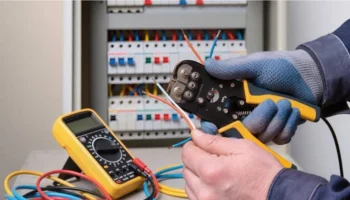
A key observation skill is recognising conditions that could increase the risk of fire. Guards should look for exposed electrical wiring, overloaded outlets, combustible materials stored near heat sources, blocked exits, and unsafe work practices. They should also watch for smoke, unusual smells, sparks, overheating equipment, or other warning signs that may indicate a developing problem.
Watching High-Risk Areas
Some parts of a facility may require closer attention than others. Areas involving welding, cutting, heating equipment, electrical work, flammable materials, or temporary construction activities can present additional risks. Fire watch guards should understand which locations require frequent checks and ensure that these areas remain under proper observation.
Noticing Changes Quickly
Good observation involves more than identifying obvious hazards. Guards should notice changes from normal conditions. A machine that sounds different, an unfamiliar smell, increasing heat, or a small amount of smoke could indicate a problem. Recognising these changes early can allow action to be taken before conditions become more dangerous.
Monitoring During High-Risk Work
Hot work and other activities that create heat, sparks, or flames require careful monitoring. Fire watch guards should remain focused on the work area and nearby spaces where sparks could travel, or hidden fires could develop. Depending on the site’s procedures, monitoring may also need to continue after the work has stopped because materials can remain hot and potentially ignite later.
Recording and Reporting Findings
Observation is also connected to accurate reporting. Guards should document hazards, unusual conditions, patrols, and incidents according to workplace procedures. Clear records help facility managers understand what was observed and what action was taken.
Understanding the Surroundings
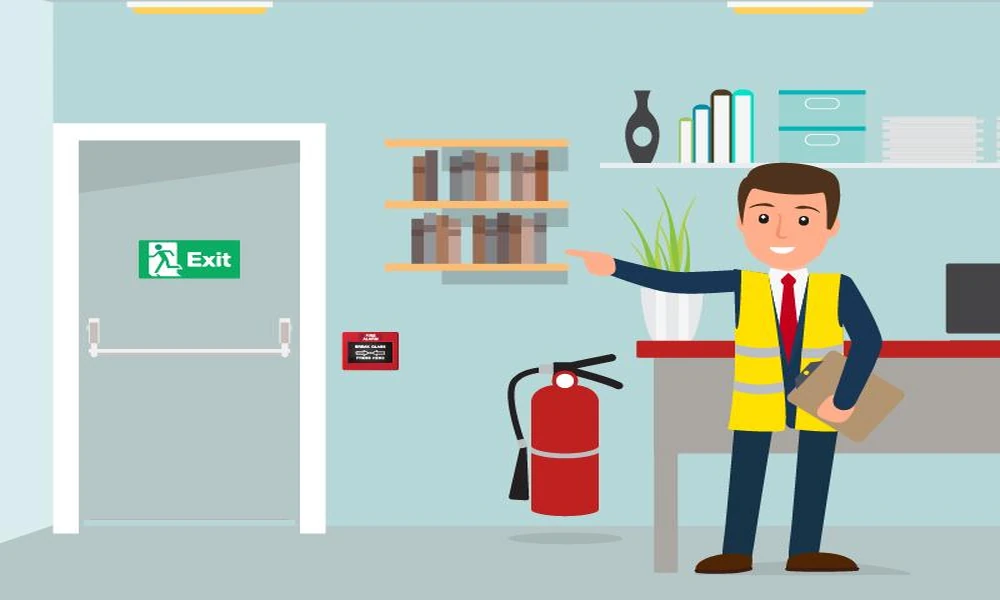
Effective fire watch guards should become familiar with the facility layout, emergency exits, fire equipment locations, restricted areas, and common fire hazards. Knowing what is normal makes it easier to recognise unusual conditions. Familiarity with the property also helps guards communicate useful information during an emergency.
Conclusion
Strong observation skills are essential for effective fire watch duties. Staying alert, recognising hazards, monitoring high-risk areas, noticing changes, and reporting concerns can help reduce fire risks. Fire watch guards should understand their surroundings and follow established safety procedures throughout their shifts.