close

HVAC Contractor

HVAC Contractor

How to Troubleshoot Common Cooling Issues Before Summer Peaks

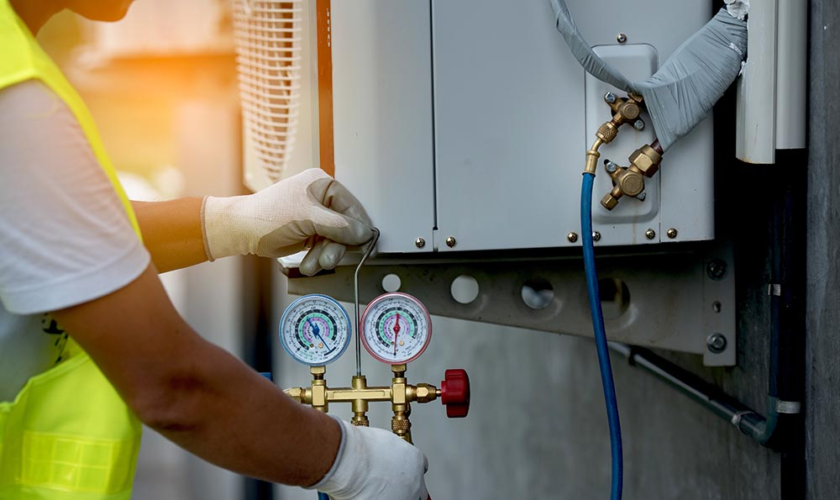
Owning a home comes with a long list of responsibilities, and maintaining the cooling system is often at the top, especially when humidity begins to rise. A central air conditioner is a significant investment, and like any mechanical system, its longevity depends heavily on how well it is cared for throughout the year. Many homeowners wait until a total breakdown occurs before considering maintenance, but proactive care can prevent the need for emergency central AC repair in Harrison Twp, NJ, during a heatwave. Understanding the basics of how your system functions and what it needs to stay healthy can save you thousands of dollars in premature replacement costs and high energy bills.

Prioritize Airflow and Filter Hygiene

The most common cause of system strain is restricted airflow. Your air conditioner works by pulling warm air from your home, cooling it over an evaporator coil, and redistributing it. If the air filter is clogged with dust, pet dander, or pollen, the blower motor has to work twice as hard to move air. This extra friction leads to overheating and mechanical wear. Ideally, you should check your filter every 30 days and replace it at least every three months. If you have pets or suffer from allergies, monthly changes are even better to ensure the system breathes easily.

Keep the Outdoor Condenser Unit Clear

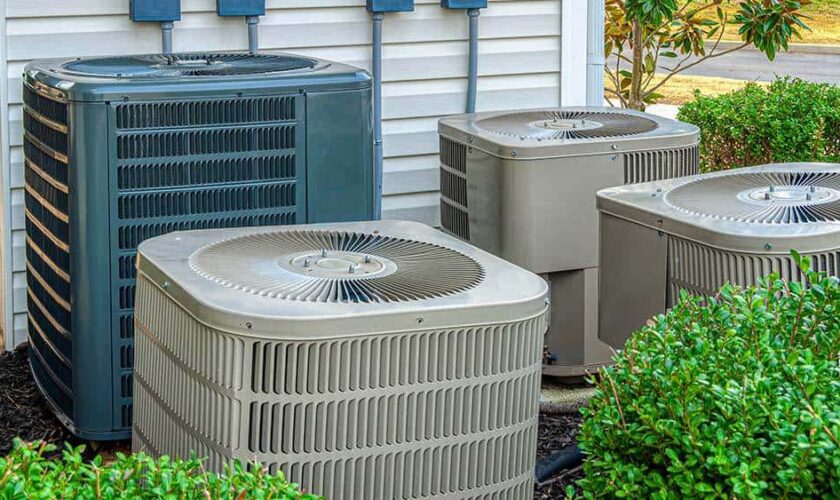
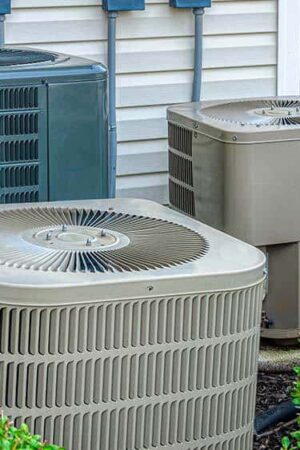
While the inside of your home stays cool, the outdoor condenser unit is doing the heavy lifting by releasing heat into the outside air. Over time, grass clippings, leaves, and dirt can accumulate against the unit’s fins. This debris acts as an insulator, trapping heat and forcing the compressor to run longer cycles. You should maintain at least two feet of clear space around the outdoor unit. Periodically spraying the exterior fins with a garden hose can also remove fine dust that prevents efficient heat transfer. However, be careful not to use high-pressure washers, as these can bend the delicate aluminum fins.

Recognize Early Warning Signs

One of the best ways to extend your unit’s life is to address small issues before they snowball into catastrophic failures. If you notice strange grinding noises, cycles that turn off and on too quickly, or warm air blowing from the vents, it is time to investigate. Often, these symptoms indicate a failing capacitor or a refrigerant leak. Delaying a professional inspection when these signs appear usually leads to a more expensive central AC repair in Harrison Twp, NJ later on. Early intervention prevents the system’s internal components from being overstressed when operating under suboptimal conditions.

Monitoring Energy Fluctuations

Keep an eye on your monthly utility bills. If you notice a sudden spike in energy consumption that doesn’t align with a change in the weather, your AC might be losing efficiency. This is often a “silent” indicator that a motor is struggling or the system is low on refrigerant.

Manage Your Indoor Climate Wisely

How you use your thermostat has a direct impact on the lifespan of your equipment. Cranking the AC down to 65 degrees when it is 95 degrees outside doesn’t cool the house faster; it simply keeps the compressor running indefinitely. To reduce wear, consider using a programmable or smart thermostat. These devices allow the temperature to rise slightly while you are away from home, reducing the total “run time” of the compressor. Using ceiling fans in conjunction with your AC can also help circulate air more effectively, allowing you to set the thermostat a few degrees higher without sacrificing personal comfort.

The Importance of Ductwork Integrity

Even the most efficient air conditioner will struggle if the distribution system is flawed. Leaky or uninsulated ducts can lose up to 30% of the cooled air before it ever reaches your living spaces. This waste forces the system to run longer to meet the thermostat’s demands. Periodically checking accessible ductwork for gaps or disconnected sections can improve your home’s overall efficiency. Sealing these leaks with foil tape or mastic sealant ensures that the work your AC does actually benefits the occupants of the home.

Schedule Annual Professional Tune-Ups

While DIY maintenance is helpful, there is no substitute for a professional multi-point inspection. An HVAC technician can check refrigerant levels, tighten electrical connections, and lubricate moving parts that are not accessible to the average homeowner. These annual visits often pay for themselves by catching minor leaks or worn components that would otherwise cause a system shutdown at the worst possible time. A well-maintained unit can last 15 to 20 years, whereas a neglected one may fail in as little as 10.

Conclusion

Extending the life of your central AC unit is a combination of simple habits and professional oversight. By maintaining clear airflow, monitoring the system for performance changes, and using smart cooling strategies, you can enjoy a comfortable home for many years to come. Consistency is key-small efforts made today will prevent the stress and expense of major repairs tomorrow.
read more
HVAC Contractor

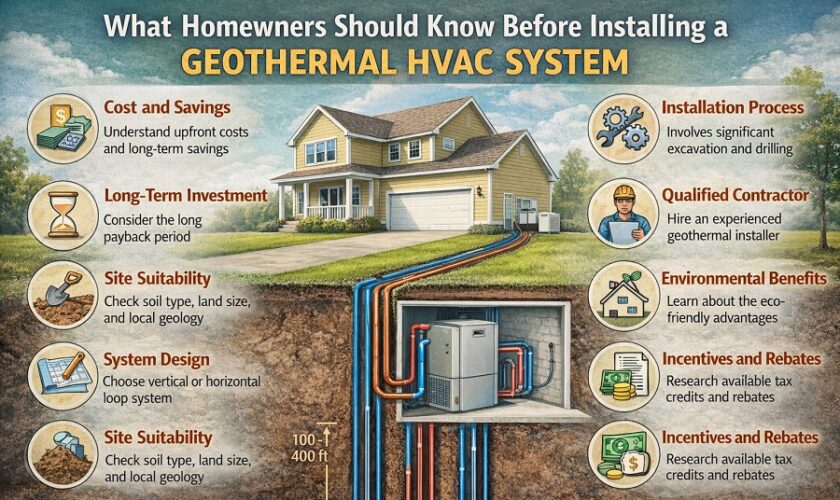
What Homeowners Should Know Before Installing a Geothermal HVAC System

Heating and cooling systems are a major part of any home’s comfort and energy use. As energy costs rise and homeowners look for more efficient options, geothermal HVAC systems have become a popular alternative. They offer consistent performance, lower operating costs, and a smaller environmental footprint compared to traditional systems.

However, geothermal systems are not a one-size-fits-all solution. Before making the switch, it’s important to understand how they work, what installation involves, and whether your property is a good fit. This guide breaks down everything you need to know in clear, practical terms.

How Geothermal HVAC Systems Work

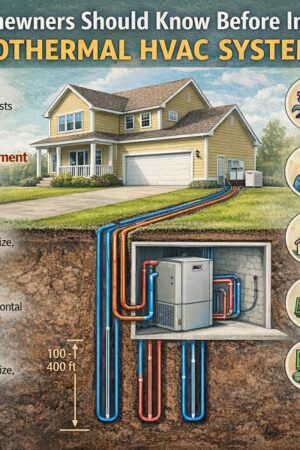
Geothermal HVAC systems use the stable temperature below the earth’s surface to heat and cool your home. Instead of generating heat, they transfer it.

The Basic Process

  • In winter, the system pulls heat from the ground and moves it indoors
  • In summer, it removes heat from your home and transfers it back into the ground
  • A network of underground pipes, called a loop system, circulates fluid to manage this exchange

Because underground temperatures remain relatively constant year-round, geothermal systems operate more efficiently than standard furnaces or air conditioners.

Key Benefits of Geothermal Systems

Geothermal HVAC systems offer several advantages that make them appealing for long-term home improvement.

Energy Efficiency and Cost Savings

They use significantly less electricity than conventional systems. Over time, this can lead to noticeable savings on utility bills.

Consistent Indoor Comfort

Unlike traditional systems that cycle on and off, geothermal systems provide steady heating and cooling. This helps maintain even temperatures throughout your home.

Environmentally Friendly

Geothermal systems reduce greenhouse gas emissions and rely on renewable energy from the earth. This makes them a more sustainable choice for environmentally conscious homeowners.

After considering these benefits-energy efficiency, consistent comfort, and long-term savings-many homeowners explore options like geothermal HVAC services in Hillsboro, OH to better understand installation requirements and system suitability.

Installation Requirements and Considerations

Installing a geothermal system is more complex than replacing a standard HVAC unit. It requires planning, space, and proper site evaluation.

Property and Land Requirements

  • Sufficient space for underground loops
  • Soil conditions suitable for excavation or drilling
  • Accessibility for installation equipment

Types of Loop Systems

  • Horizontal loops: Installed in shallow trenches, ideal for larger properties
  • Vertical loops: Drilled deep into the ground, suitable for smaller lots
  • Pond loops: Used when a water body is available nearby

Each option has its own cost and installation method, depending on your property layout.

Upfront Costs vs Long-Term Value

One of the biggest concerns homeowners have is the initial investment. Geothermal systems typically cost more upfront than traditional HVAC systems.

Why the Initial Cost Is Higher

  • Excavation or drilling for ground loops
  • Specialized equipment and installation
  • System design tailored to your property

Long-Term Financial Benefits

  • Lower monthly energy bills
  • Reduced maintenance costs
  • Potential tax credits or incentives

Over time, many homeowners find that the savings offset the initial expense, making geothermal a worthwhile investment.

Maintenance and System Lifespan

Geothermal systems are known for their durability and low maintenance needs.

What Maintenance Looks Like

  • Regular filter changes
  • Periodic system inspections
  • Checking loop system performance

Expected Lifespan

  • Indoor components: 20-25 years
  • Ground loop system: 50 years or more

Because most of the system is protected underground, it experiences less wear and tear compared to traditional outdoor units.

Is a Geothermal System Right for Your Home?

Not every home is an ideal candidate for geothermal HVAC. Several factors determine whether it’s the right fit.

Consider These Factors

  • Available land or drilling access
  • Budget for upfront installation
  • Long-term plans for the property
  • Local climate and energy costs

Homeowners who plan to stay in their property long-term often benefit the most, as they can fully realize the energy savings over time.

For those evaluating their options, learning more about geothermal HVAC services in Hillsboro, OH can help clarify site requirements, system design, and expected performance based on local conditions.

Common Misconceptions About Geothermal HVAC

Despite its growing popularity, geothermal technology is often misunderstood.

“It Only Works in Certain Climates”

Geothermal systems work in a wide range of climates because they rely on stable underground temperatures, not outdoor air conditions.

“It’s Too Complicated to Maintain”

In reality, geothermal systems require less maintenance than many traditional HVAC systems.

“It’s Only for New Homes”

While easier to install during construction, geothermal systems can also be retrofitted into existing homes with proper planning.

Understanding these points can help homeowners make a more informed decision.

Final Thoughts

Geothermal HVAC systems offer a reliable, energy-efficient way to heat and cool your home. While the upfront investment and installation process require careful consideration, the long-term benefits-lower energy costs, consistent comfort, and environmental sustainability-make them an attractive option for many homeowners.

By understanding how these systems work and evaluating your property’s suitability, you can decide whether geothermal is the right choice for your home. With proper planning and expert guidance, it can be a smart investment that pays off for decades.

read more
HVAC Contractor

AC Repairs for Frozen Coils

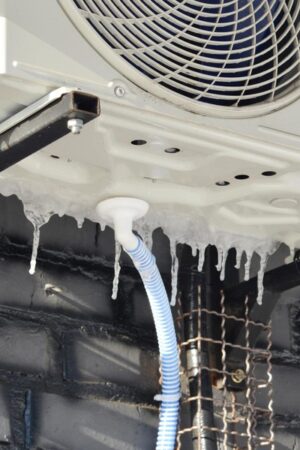
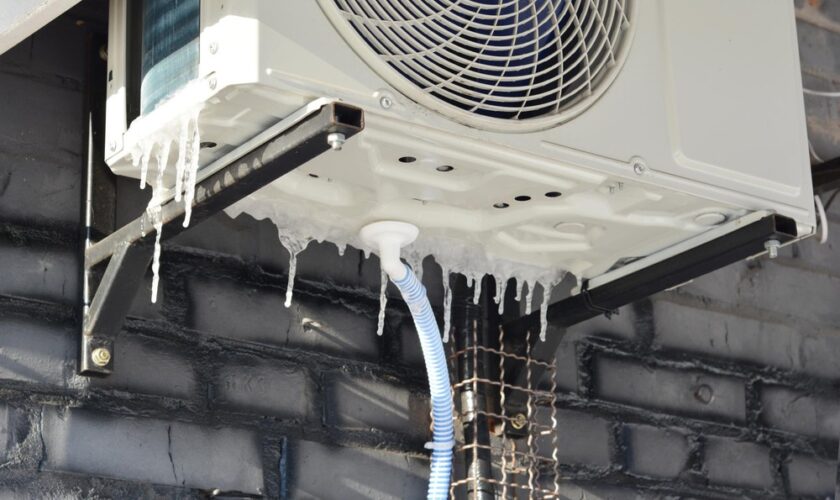
If your air conditioner suddenly stops cooling and you notice ice buildup inside the unit, you may be dealing with frozen evaporator coils. AC repairs for frozen coils are common, especially during peak summer months when systems run continuously.

While ice on your AC may seem harmless, it’s actually a sign that something is restricting airflow or affecting refrigerant levels. Left untreated, frozen coils can lead to serious damage-including compressor failure.

Here’s what causes frozen coils and how professionals fix the issue.

What Are Evaporator Coils?

Evaporator coils are located inside your indoor air handler. Their job is to:

  • Absorb heat from indoor air
  • Transfer heat outside
  • Cool and dehumidify your home

When airflow is restricted or refrigerant is low, the coils become too cold and moisture in the air freezes on contact-creating ice buildup.

Signs Your AC Coils Are Frozen

Common warning signs include:

  • Warm air blowing from vents
  • Weak airflow
  • Visible ice on refrigerant lines
  • Water pooling near the unit after thawing
  • AC running constantly

If you see ice, turn off the system immediately to prevent further damage.

Why Do AC Coils Freeze?

Frozen coils are usually caused by one of these issues:

1. Dirty Air Filter

Restricted airflow prevents warm air from reaching the coils, causing temperatures to drop too low.

2. Low Refrigerant Levels

Leaks reduce system pressure, lowering coil temperature and leading to ice formation.

3. Blocked or Closed Vents

Closed supply vents reduce airflow through the system.

4. Dirty Evaporator Coils

Dust buildup insulates the coils and interferes with heat absorption.

5. Drainage Problems

Clogged condensate lines can contribute to moisture-related issues.

In humid climates like Florida, Texas, and Arizona, long cooling cycles increase the likelihood of airflow-related problems.

What to Do If Your AC Coils Freeze

If you suspect frozen coils:

  1. Turn off the AC system
  2. Switch the fan to “On” to help thaw the ice
  3. Replace the air filter
  4. Ensure all vents are open
  5. Call a licensed HVAC professional

Never chip away ice manually-this can damage delicate coil fins.

How Professionals Handle Frozen Coil Repairs

Professional AC repairs for frozen coils typically include:

  • Complete system inspection
  • Refrigerant pressure testing
  • Leak detection (if necessary)
  • Coil cleaning
  • Airflow assessment
  • Drain line clearing
  • Electrical system checks

Technicians identify and fix the root cause-not just the ice itself.

How Much Do Frozen Coil Repairs Cost?

Costs vary depending on the underlying issue:

  • Air filter replacement: $20-$50
  • Coil cleaning: $150-$400
  • Refrigerant recharge: $200-$800
  • Leak repair: $400-$1,500

If compressor damage occurs due to prolonged freezing, repair costs can exceed $1,000-$2,500.

Can Frozen Coils Damage Your AC?

Yes. Running your AC while frozen can cause:

  • Compressor overheating
  • Motor damage
  • System shutdown
  • Water damage from thawing

Addressing the issue early prevents expensive AC repairs later.

Preventing Frozen Coils

Regular maintenance reduces the risk of frozen coils. To prevent problems:

  • Change filters every 1-3 months
  • Schedule annual tune-ups
  • Keep vents open and unblocked
  • Monitor refrigerant levels
  • Clean coils regularly

Routine care keeps airflow steady and temperatures balanced.

When Replacement May Be Needed

If your system is:

Replacement may be more cost-effective than ongoing repairs.

Final Thoughts

AC repairs for frozen coils should never be ignored. Ice buildup is a symptom of a deeper issue-usually airflow restriction or refrigerant imbalance. Acting quickly protects your compressor, restores cooling efficiency, and prevents costly breakdowns.

If you notice ice on your system, turn it off and schedule a professional inspection. Prompt diagnosis and proper repair will keep your cooling system running safely and efficiently all season long.

This post was written by a professional at Air Mavericks Heating & Cooling. Air Mavericks Heating & Cooling provides expert AC repair, installation, and maintenance in Largo, FL. Searching for ac companies near you, hvac repair near you, or hvac installation near you? Our licensed techs deliver fast, honest, and reliable HVAC service.

read more
HVAC Contractor

How Do Interior Layout Changes Cause HVAC Backpressure Issues?

Have you ever remodeled a room and suddenly noticed uneven temperatures, weak airflow, or your HVAC system sounding louder than usual? 

You might be surprised to learn that interior layout changes alone can create HVAC backpressure problems, even if no ductwork was touched. 

In many Seattle homes, especially older ones, heating and cooling systems are carefully balanced. When that balance is disturbed, trouble follows.

What Is HVAC Backpressure?

Backpressure happens when air cannot flow freely through your HVAC system. Your system is designed to move a specific amount of air in a smooth loop. When air meets resistance, pressure builds up inside the ducts. 

This forces the blower motor to work harder, increases energy use, and slowly wears the system down. 

How New Walls And Closed Doors Create Problems

One of the most common causes of backpressure is converting open spaces into closed rooms. Adding a home office or guest room feels harmless, right? 

But many homes rely on a single central return vent. When doors close, air supplied into a room has no easy path back. 

Pressure builds inside the room, pushing back against the supply air. Over time, this resistance reduces airflow and stresses the blower motor.

Furniture Placement Can Block Airflow Too

Layout changes are not always structural. Moving furniture can also create major airflow problems. Couches pushed over floor vents, rugs covering registers, or tall cabinets blocking returns all restrict air movement. 

The system still tries to push the same volume of air, but through fewer openings. That creates backpressure almost immediately and can make rooms feel stuffy or unevenly heated.

Open Versus Closed Floor Plans Matter

Seattle homes are seeing more remodels that shift from open layouts to divided spaces. Without adding transfer grilles or additional returns, air is forced to squeeze through small gaps under doors. 

That is rarely enough. The result is pressure imbalance, dead air zones, and higher system stress. These issues often go unnoticed until comfort problems or mechanical failures appear.

Why Professional Evaluation Matters

Before or after a remodel, it is smart to have airflow checked by professionals who understand Seattle homes and weather patterns. 

Seatown Electric Plumbing Heating and Air provides expert HVAC inspections, airflow balancing, and system upgrades designed to protect comfort and efficiency. 

If your home layout has changed and your HVAC feels off, their licensed team can diagnose the issue and help your system breathe again.

Your home should feel comfortable in every room, not just the ones closest to the thermostat.


read more
HVAC Contractor

The Complete Guide to HVAC Services for Modern Buildings

In the grand tapestry of human innovation, few technologies have transformed our daily existence quite like climate control systems, and understanding HVAC services has become essential for anyone responsible for maintaining comfortable, healthy indoor environments. Standing for Heating, Ventilation, and Air Conditioning, HVAC represents a triumph of engineering that most of us take entirely for granted, rather like the oxygen we breathe or the gravity that keeps us anchored to Earth.

Understanding the HVAC Ecosystem

Imagine, if you will, your building as a living organism. Just as our bodies regulate temperature, modern structures rely on HVAC systems to maintain optimal conditions for human habitation and productivity. In Singapore’s tropical climate, these systems work tirelessly, often invisible to the occupants they serve.

The heating, ventilation, and air conditioning infrastructure within a building forms an interconnected network of components. Ventilation systems circulate fresh air, preventing the buildup of contaminants. Air conditioning units cool and dehumidify. In some facilities, heating elements provide warmth during cooler periods or specific process requirements.

Why Professional HVAC Maintenance Matters

Consider the International Space Station, that remarkable outpost of human presence beyond our atmosphere. Without constant, meticulous maintenance of its environmental control systems, life aboard would be impossible. Whilst your building faces less extreme conditions, the principle remains identical: complex systems require expert care to function reliably.

The Building and Construction Authority of Singapore recognises that well-maintained HVAC systems in commercial buildings can reduce energy consumption by 20 to 30 per cent compared to poorly serviced counterparts. This represents not merely cost savings but a significant reduction in environmental impact, a consideration that grows more critical with each passing year.

Professional heating and cooling services provide multiple essential benefits:

  • Energy efficiency optimisation 

Properly calibrated systems consume less power whilst delivering superior performance 

  • Indoor air quality enhancement 

Regular servicing ensures contaminants, allergens, and pollutants are effectively filtered 

  • System longevity 

Preventative maintenance extends equipment lifespan, delaying costly replacements 

  • Regulatory compliance 

Singapore’s environmental regulations require certain standards for commercial HVAC operations 

  • Occupant comfort and productivity 

Consistent climate control contributes to wellbeing and work efficiency 

  • Early problem detection

Identifying issues before they escalate prevents expensive emergency repairs

The Spectrum of HVAC Service Solutions

Professional HVAC maintenance encompasses a remarkable breadth of activities, each requiring specialised knowledge and equipment. Much like astronomers using different instruments to study various wavelengths of light, HVAC technicians employ diverse tools and techniques to assess and optimise system performance.

Routine inspections form the foundation of any comprehensive service programme. During these examinations, technicians evaluate air filters, checking for blockages that restrict airflow and reduce efficiency. They inspect ductwork for leaks, which can account for up to 30 per cent energy loss in poorly sealed systems. Condensate drains receive attention to prevent water damage and microbial growth.

Refrigerant levels require regular monitoring, particularly given Singapore’s phase-down of hydrofluorocarbons under international environmental agreements. Electrical connections, motor bearings, and control systems all demand periodic assessment to ensure safe, reliable operation.

Beyond routine maintenance, HVAC service providers offer system upgrades, retrofitting older equipment with modern, energy-efficient components. They perform thermal imaging to identify heat loss or gain areas, conduct airflow balancing to ensure even distribution throughout spaces, and provide indoor air quality testing to detect pollutants or inadequate ventilation.

Commercial Versus Residential HVAC Needs

The scale and complexity of HVAC requirements vary dramatically between residential and commercial applications. Commercial HVAC services must account for variable occupancy patterns, diverse space requirements, and often round-the-clock operation. These systems incorporate advanced controls, zone-based climate management, and integration with building automation systems.

Selecting Quality HVAC Service Providers

How does one discern quality in HVAC service provision? Look for technicians with proper certifications and training in current technologies. In Singapore, reputable providers maintain licensing under relevant authorities and stay current with refrigerant handling regulations.

Experience with your specific system type matters considerably. A technician skilled in residential split units may lack expertise in large-scale chilled water systems or variable refrigerant flow configurations. Ask about their diagnostic capabilities, emergency response times, and whether they provide detailed service records and recommendations.

The Energy Efficiency Imperative

We live in an epoch where every kilowatt-hour consumed carries consequences extending far beyond our utility bills. Singapore’s Green Mark scheme and the Mandatory Energy Labelling Scheme reflect growing awareness that building energy efficiency contributes significantly to national sustainability goals.

Regular HVAC system servicing directly supports these objectives. Clean filters reduce fan energy consumption. Proper refrigerant charge optimises compressor efficiency. Well-maintained systems achieve designed performance levels rather than limping along at diminished capacity whilst consuming excessive energy.

Emerging Technologies in Climate Control

The field of HVAC services evolves continuously, incorporating innovations that would have seemed impossible mere decades ago. Smart thermostats learn occupancy patterns and adjust accordingly. Variable-speed compressors modulate output to match demand precisely. Heat recovery systems capture waste energy for reuse.

These technologies promise remarkable efficiency gains, but they also increase system complexity, making professional servicing even more critical. A poorly calibrated smart system can perform worse than a properly maintained conventional one.

Your Path to Optimal Indoor Climate

The universe operates through cycles, from the orbit of planets to the lifecycle of stars. Your HVAC system, too, requires cyclical attention to maintain peak performance. Whether you oversee a residential property or manage commercial facilities, investing in regular, professional HVAC services represents not an expense but rather an investment in comfort, efficiency, and environmental stewardship that pays dividends in countless ways, year after year.


read more
HVAC Contractor

Top Questions to Ask Your HVAC Contractor Before Starting a Project

HVAC Contractor

Hiring the right professional for your heating, ventilation, and air conditioning (HVAC) needs can make a significant difference in the comfort and energy efficiency of your home. Whether you’re installing a new system or upgrading an old one, it’s important to ensure you’re working with the best. For those seeking an HVAC contractor in Atlanta, asking the right questions beforehand can help you feel confident in your decision. Here’s a guide to the key questions you should ask before any project begins.

Are You Licensed and Insured?

One of the first things to confirm is whether the HVAC contractor holds the proper licensing and insurance. Licensed professionals follow state regulations and industry standards, ensuring you receive high-quality service. Proper insurance protects both you and the contractor in case of accidents or damage during the project. Don’t shy away from asking for proof of these credentials—it’s your right as a homeowner.

A licensed contractor also ensures compliance with building codes and safety standards, which is crucial in protecting your investment. If you’re unsure about the benefits of working with HVAC professionals, learning about the advantages of hiring a licensed and certified contractor can reinforce the importance of this step.

What Is the Scope of Work and Timeline?

Before starting any HVAC project, gain clarity about the full scope of work and expected timeline. A well-organized contractor should provide a detailed explanation of the tasks involved, from equipment assessment to installation or repairs. Having this breakdown helps avoid surprises and ensures both parties are on the same page about the project’s expectations.

Additionally, ask when the work will start and how long it will take. Knowing this will allow you to plan your schedule accordingly, especially if there’s a need to temporarily adjust your heating or cooling usage.

What HVAC System Do You Recommend for My Home?

No two homes are exactly alike, so your contractor should customize their recommendations based on your unique needs. They should assess your home’s size, insulation, layout, and climate before suggesting an HVAC system. A skilled contractor often highlights energy-efficient options, which can help reduce your long-term energy bills.

Recommendations should also take future maintenance needs into account. It’s worth asking how frequently the system will require servicing and if they offer any maintenance packages to make routine care simpler.

Can You Provide an Estimate?

Transparency in pricing is essential before you begin any HVAC project. Ensure your contractor provides a comprehensive estimate that includes costs for equipment, labor, and any additional fees. This prevents miscommunication and unexpected charges down the line. A breakdown also gives you insight into where your money is going.

It’s wise to compare quotes from multiple contractors. However, remember that the cheapest option isn’t always the best. Quality, reliability, and professional expertise should weigh heavily in your decision.

Do You Offer a Warranty?

Having a warranty for equipment and labor can save you from future headaches if something goes wrong after the project is finished. Ask your contractor what the warranty covers, how long it lasts, and what process is in place for claiming it. A reputable professional will openly discuss these terms and ensure you understand them before signing any agreements.

Are There Financing Options Available?

HVAC projects can sometimes come with a hefty price tag, especially for larger installations or upgrades. Many contractors offer financing options to ease the immediate financial burden. Ask whether they provide flexible payment plans and what the terms look like. This will give you a clear idea of how to budget for your project.

Discussing financing early also sets realistic expectations and allows you to prioritize essential work without compromising on quality.

Why Is Hiring a Certified Contractor Important?

When hiring an HVAC contractor, selecting someone certified and experienced ensures the job is done right the first time. Certified professionals bring technical knowledge and credibility to the table, which can lead to more reliable results. They are also often more adept at handling unexpected challenges during the project.

How Will You Ensure Minimal Disruption to My Home?

Lastly, inquire about how your chosen HVAC contractor plans to work with minimal disruption to your home. Replacing or upgrading an HVAC system can temporarily cause disturbances, so a professional contractor should have a plan to keep interruptions to a minimum. This might include scheduling around your availability or protecting your home during installation.

Conclusion

When embarking on any HVAC project, a little preparation and asking the right questions can go a long way. A trusted contractor will happily address your concerns and provide the transparency and expertise needed to ensure a successful outcome. With the right HVAC contractor in Atlanta or your local area, you can enjoy peace of mind knowing your home’s system is in capable hands. Take the time to vet your contractor, and you’ll be rewarded with professional service and lasting results.

read more
HVAC Contractor

Why Yearly Pipe Inspections Are Worth It

When was the last time you thought about the pipes in your home? They work tirelessly, carrying water to and from your faucets, but they are often out of sight and out of mind until something goes wrong. 

Scheduling a yearly pipe inspection is a simple yet effective way to keep your plumbing system in top shape and avoid costly repairs. Let’s try to understand why these yearly pipe inspections are so valuable.

What Is a Pipe Inspection?

A professional pipe inspection involves using a small, high-definition camera attached to a flexible cable to examine the condition of your pipes. 

This non-invasive process provides a live view of your plumbing system, revealing leaks, blockages, corrosion, or other potential issues all without tearing up your lawn or floors.

Benefits of Yearly Pipe Inspections

1. Detect Issues Early

Pipes don’t wait for a convenient time to spring a leak or clog. An annual inspection can identify small problems, like cracks or buildup before they turn into full-blown plumbing emergencies. You can think of it as you are catching a small leak before it floods your basement.

2. Extend the Life of Your Plumbing System

Your pipes aren’t invincible they age, corrode, and wear out over time. Regular inspections help pinpoint weak areas so you can take care of them or get them repaired before they cause major damage. By staying proactive, you can significantly extend the lifespan of your plumbing system and avoid premature replacements.

3. Prevent Costly Emergencies

Burst pipes, backed-up sewage, and sudden leaks are plumbing emergencies that can cause a lot of stress accompanied by damage. 

An annual inspection ensures that you are aware of potential issues and can take action before they become urgent and expensive problems.

4. Save Money

Leaks and inefficiencies in your plumbing system can silently hike up your water bill. Yearly pipe inspections not only help detect and fix leaks but also prevent costly emergency repairs. It’s a small investment now that saves big later.

Why You Shouldn’t Wait To Get Your Pipes Inspected 

Ignoring your pipes until there’s a problem might seem like the easy route, but it’s often the more expensive one. With an annual inspection, you will have peace of mind knowing your plumbing system is in great shape and ready to handle whatever life throws at it.

Want to keep your plumbing in top condition? Schedule your yearly pipe inspection with Service Champions today!


read more
HVAC Contractor

What to Expect During an Air Conditioner Repair Service Call

Air Conditioner Repair Service Call

When the summer heat is at its peak, a malfunctioning air conditioner can turn your home into an unbearable environment. Understanding what to expect during an air conditioner repair service call can help ease any anxiety and ensure a smooth experience. If you’re in need of air conditioner repair in DuPage County, you’ll want to know what the process entails to be fully prepared.

Scheduling and Initial Assessment

The first step in the repair process is scheduling a service call. Once the appointment is set, a certified technician will arrive at your home to assess the situation. During this initial assessment, the technician will check the unit’s overall condition, inspect for visible damage, and discuss any specific issues you’re experiencing. This step is crucial as it helps the technician determine the root cause of the problem and plan the necessary repairs.

Diagnostic Tests

After the initial assessment, the technician will perform a series of diagnostic tests to pinpoint the exact issue. These tests may include checking the thermostat settings, examining electrical connections, and testing airflow. The technician may also inspect the refrigerant levels and look for any leaks. This thorough examination ensures that all potential problems are identified, avoiding future breakdowns.

Repair and Replacement

Once the diagnostics are complete, the technician will explain the findings and discuss the repair options with you. This might involve repairing damaged components or replacing parts that are beyond repair. Common repairs include fixing leaks, replacing worn-out belts, or installing a new compressor. If any major components need replacement, the technician will provide a detailed estimate for the cost and time involved.

For more insights on when it’s time to call for AC repair, refer to this article, which provides valuable information on key indicators that your unit needs professional attention.

Testing and Final Checks

After the repairs are completed, it’s important for the technician to test the unit to ensure it is operating efficiently. This involves running the air conditioner for a period to monitor its performance, checking the cooling output, and ensuring that all systems are functioning correctly. The technician will also ensure that any new parts are installed securely and that the unit is safe to use.

Maintenance Advice

A good technician will also provide valuable tips on maintaining your air conditioner to avoid future problems. This may include advice on regular filter replacements, cleaning the unit, and scheduling routine maintenance checks. Additionally, recognizing the signs your air conditioner needs repair can help you catch issues early and get timely repair.

Conclusion

Knowing what to expect during an air conditioner repair service call can make the process less daunting and more manageable. From the initial assessment and diagnostics to the repair and testing phases, each step is designed to ensure your air conditioner is restored to optimal condition. Regular maintenance and awareness of potential issues can further enhance your unit’s longevity and performance. Remember, being informed is the key to keeping your cool when the temperature rises.

read more
HVAC Contractor

The Importance of Choosing Certified HVAC Services for Your Home

When it comes to maintaining a comfortable and energy-efficient home environment, the significance of selecting certified HVAC (Heating, Ventilation, and Air Conditioning) services cannot be overstated. HVAC systems play a crucial role in regulating indoor temperature and air quality, making their maintenance and repair essential for homeowners. Opting for certified HVAC professionals ensures that your system operates efficiently, safely, and in compliance with industry standards. This article explores why certified HVAC services are vital and what benefits they offer.

Understanding Certified HVAC Services

Certified HVAC services refer to those provided by professionals who have met rigorous industry standards and qualifications. Certification often comes from reputable organizations such as the North American Technician Excellence (NATE) or the Environmental Protection Agency (EPA). These certifications indicate that the technician has undergone extensive training and possesses the expertise to handle various HVAC system issues.

Expertise and Technical Knowledge

Certified HVAC technicians bring a high level of expertise and technical knowledge to the table. They are well-versed in the latest hvac technologies, installation techniques, and troubleshooting methods. Their training ensures that they can efficiently diagnose and resolve complex issues, minimizing the risk of errors that could lead to costly repairs or system failures. By choosing certified professionals, homeowners benefit from their in-depth understanding of HVAC systems and adherence to best practices.

Compliance with Industry Standards

HVAC systems are subject to various regulations and industry standards to ensure safety and efficiency. Certified HVAC technicians are trained to comply with these standards, including those related to safety, energy efficiency, and environmental impact. For instance, adherence to EPA regulations ensures that refrigerants are handled and disposed of properly, reducing environmental harm. Compliance with local building codes ensures that installations and repairs meet safety requirements, protecting both the system and the occupants.

Ensuring System Efficiency and Longevity

Proper maintenance and repair are crucial for the efficiency and longevity of an HVAC system. Certified HVAC services play a key role in ensuring that your system operates at peak performance, which can result in lower energy bills and extended equipment life.

Energy Efficiency

An efficiently functioning HVAC system consumes less energy, which translates to reduced utility costs. Certified technicians are skilled in optimizing system performance, identifying and rectifying issues that could impact energy efficiency. For example, they can ensure that ductwork is properly sealed, filters are clean, and components are functioning correctly. By addressing these factors, certified professionals help maintain optimal system efficiency and minimize energy wastage.

Extended Equipment Life

Regular maintenance performed by certified HVAC professionals can significantly extend the lifespan of your system. They conduct thorough inspections, identify potential issues before they escalate, and perform necessary repairs or adjustments. Preventive maintenance, such as cleaning coils, checking refrigerant levels, and lubricating moving parts, helps prevent premature wear and tear. This proactive approach reduces the likelihood of major breakdowns and costly replacements, ultimately extending the life of your HVAC system.

Safety Considerations

HVAC systems involve complex components and potentially hazardous materials, such as refrigerants and electrical connections. Ensuring safety during installation, maintenance, and repair is paramount to protect both your home and its occupants.

Proper Installation and Repairs

Certified HVAC technicians follow industry guidelines for safe installation and repair practices. They are trained to handle electrical connections, gas lines, and refrigerants with precision, reducing the risk of safety hazards such as electrical fires, gas leaks, or refrigerant leaks. Additionally, their knowledge of ventilation requirements ensures that systems are installed correctly to provide adequate airflow and prevent indoor air quality issues.

Emergency Response and Troubleshooting

In the event of an HVAC system malfunction or emergency, certified technicians are equipped to respond quickly and effectively. Their expertise allows them to diagnose issues accurately and implement appropriate solutions. This quick response minimizes the potential for further damage, ensures that the system is restored to a safe operating condition, and provides peace of mind to homeowners.

Conclusion

Choosing certified HVAC services is essential for maintaining a comfortable, efficient, and safe home environment. Certified technicians bring valuable expertise, ensure compliance with industry standards, and contribute to system efficiency and longevity. Their commitment to safety and ability to address issues promptly enhance the overall reliability of your HVAC system. By investing in certified HVAC services, homeowners can enjoy optimal performance, reduced energy costs, and a safer living space.


read more
HVAC Contractor

5 Things You Must Know Before Your First Air Conditioning Installation

First Air Conditioning

If you are planning to install an air conditioning unit for the first time, there are a few important things that you should keep in mind. From choosing the right type of unit to understanding the installation process, here are five crucial things that you need to know before your first air conditioning installation.

1.    Determine the Type of Unit You Need

The first step in getting an air conditioning unit installed is to determine which type would be best suited for your space and needs. There are various types available, such as central air conditioning, window units, split-systems, and more. Each has its own pros and cons, and it’s important to research and consider factors like the size of your space, energy efficiency ratings, and budget before making a decision.

2.    Hire a Professional for Installation

While it may be tempting to try and install an air conditioning unit yourself, it is highly recommended to hire a professional for AC installation in Long Beach. A professional HVAC technician will have the necessary tools, knowledge, and experience to ensure that your unit is installed properly and efficiently. Improper installation can not only affect the performance of your air conditioning but also lead to potential safety hazards.

3.    Prepare Your Space for Installation

Before the installation process and discovering the perfect air conditioner for your home begins, it’s important to prepare your space for the installation. This includes clearing any obstacles or clutter around the area where the unit will be installed and ensuring that there is a clear path for the technician to work in.

4.    Understand the Installation Process

It’s always helpful to have an understanding of what will take place during the AC installation process. This can help you communicate better with the HVAC technician and also give you peace of mind knowing what to expect. The installation process generally involves mounting the unit, connecting electrical components, installing ductwork if necessary, and testing the system for proper functioning. You may also check out this blog post to see what to expect with an air conditioning service call so you know what happens when the technician arrives at your home.

5.    Proper Maintenance is Essential

Installing an air conditioning unit is just the first step, it’s also important to properly maintain and care for it in order to ensure its longevity and efficient functioning. This includes regular cleaning of filters, scheduling routine maintenance checks with a professional HVAC technician, and being aware of any potential issues that may arise. It’s always better to address problems early on rather than waiting until they become major repairs.

In conclusion, by understanding the type of unit needed, hiring a professional for installation, preparing your space, familiarizing yourself with the installation process, and properly maintaining your unit, you can ensure a successful and efficient first air conditioning installation. Remember to do your research and consult with professionals for the best results.

read more
1 2
Page 1 of 2