Owning a home comes with a long list of responsibilities, and maintaining the cooling system is often at the top, especially when humidity begins to rise. A central air conditioner is a significant investment, and like any mechanical system, its longevity depends heavily on how well it is cared for throughout the year. Many homeowners wait until a total breakdown occurs before considering maintenance, but proactive care can prevent the need for emergency central AC repair in Harrison Twp, NJ, during a heatwave. Understanding the basics of how your system functions and what it needs to stay healthy can save you thousands of dollars in premature replacement costs and high energy bills.
Prioritize Airflow and Filter Hygiene
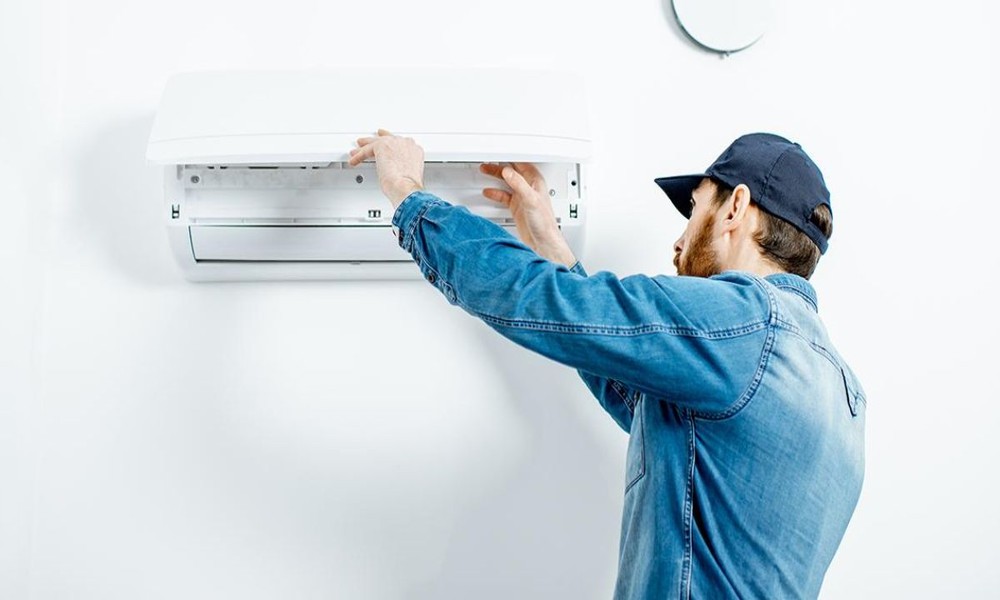
The most common cause of system strain is restricted airflow. Your air conditioner works by pulling warm air from your home, cooling it over an evaporator coil, and redistributing it. If the air filter is clogged with dust, pet dander, or pollen, the blower motor has to work twice as hard to move air. This extra friction leads to overheating and mechanical wear. Ideally, you should check your filter every 30 days and replace it at least every three months. If you have pets or suffer from allergies, monthly changes are even better to ensure the system breathes easily.
Keep the Outdoor Condenser Unit Clear
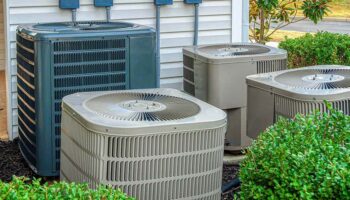
While the inside of your home stays cool, the outdoor condenser unit is doing the heavy lifting by releasing heat into the outside air. Over time, grass clippings, leaves, and dirt can accumulate against the unit’s fins. This debris acts as an insulator, trapping heat and forcing the compressor to run longer cycles. You should maintain at least two feet of clear space around the outdoor unit. Periodically spraying the exterior fins with a garden hose can also remove fine dust that prevents efficient heat transfer. However, be careful not to use high-pressure washers, as these can bend the delicate aluminum fins.
Recognize Early Warning Signs
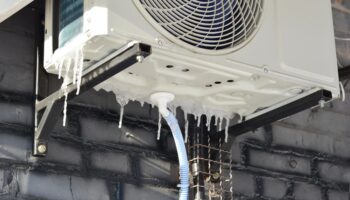
One of the best ways to extend your unit’s life is to address small issues before they snowball into catastrophic failures. If you notice strange grinding noises, cycles that turn off and on too quickly, or warm air blowing from the vents, it is time to investigate. Often, these symptoms indicate a failing capacitor or a refrigerant leak. Delaying a professional inspection when these signs appear usually leads to a more expensive central AC repair in Harrison Twp, NJ later on. Early intervention prevents the system’s internal components from being overstressed when operating under suboptimal conditions.
Monitoring Energy Fluctuations
Keep an eye on your monthly utility bills. If you notice a sudden spike in energy consumption that doesn’t align with a change in the weather, your AC might be losing efficiency. This is often a “silent” indicator that a motor is struggling or the system is low on refrigerant.
Manage Your Indoor Climate Wisely
How you use your thermostat has a direct impact on the lifespan of your equipment. Cranking the AC down to 65 degrees when it is 95 degrees outside doesn’t cool the house faster; it simply keeps the compressor running indefinitely. To reduce wear, consider using a programmable or smart thermostat. These devices allow the temperature to rise slightly while you are away from home, reducing the total “run time” of the compressor. Using ceiling fans in conjunction with your AC can also help circulate air more effectively, allowing you to set the thermostat a few degrees higher without sacrificing personal comfort.
The Importance of Ductwork Integrity
Even the most efficient air conditioner will struggle if the distribution system is flawed. Leaky or uninsulated ducts can lose up to 30% of the cooled air before it ever reaches your living spaces. This waste forces the system to run longer to meet the thermostat’s demands. Periodically checking accessible ductwork for gaps or disconnected sections can improve your home’s overall efficiency. Sealing these leaks with foil tape or mastic sealant ensures that the work your AC does actually benefits the occupants of the home.
Schedule Annual Professional Tune-Ups
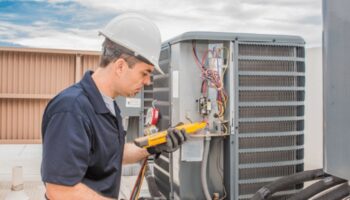
While DIY maintenance is helpful, there is no substitute for a professional multi-point inspection. An HVAC technician can check refrigerant levels, tighten electrical connections, and lubricate moving parts that are not accessible to the average homeowner. These annual visits often pay for themselves by catching minor leaks or worn components that would otherwise cause a system shutdown at the worst possible time. A well-maintained unit can last 15 to 20 years, whereas a neglected one may fail in as little as 10.
Conclusion
Extending the life of your central AC unit is a combination of simple habits and professional oversight. By maintaining clear airflow, monitoring the system for performance changes, and using smart cooling strategies, you can enjoy a comfortable home for many years to come. Consistency is key-small efforts made today will prevent the stress and expense of major repairs tomorrow.