Walk through almost any older neighborhood in a warm, sunny region and you will see rows of clay and concrete tile roofs that still look sharp after three or four decades. The color has softened a little and a few pieces may be chipped, but from the street they look like they will last forever. That impression is only half right. The tiles often will. What sits under them is a different story.
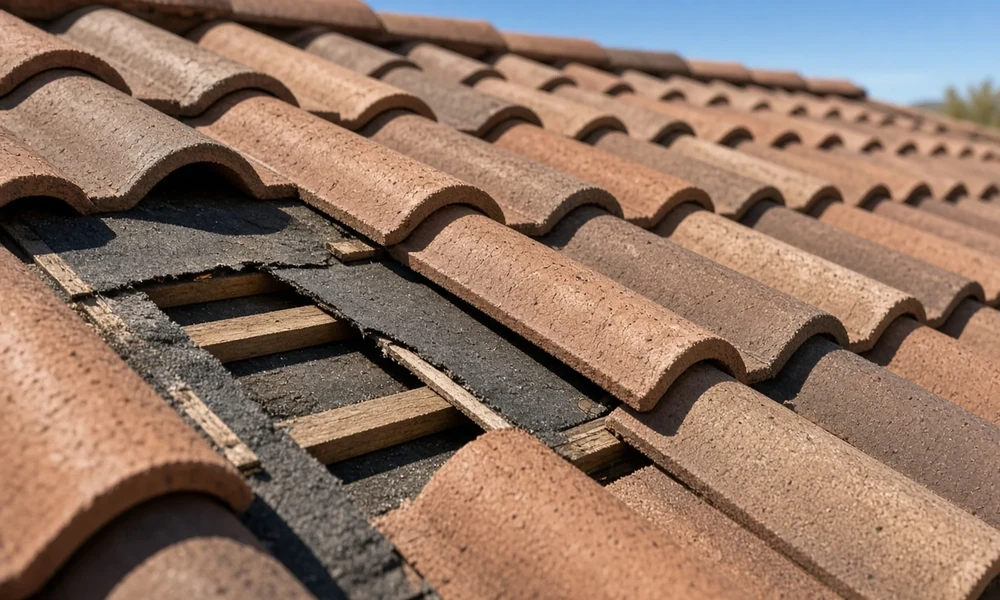
A tile roof is really two roofs stacked together. The tiles on top shed most of the rain and block direct sun. Beneath them, a layer of underlayment acts as the true waterproof barrier. Well made tiles can last 50 years or more. Traditional felt underlayment usually runs out of life much sooner, often somewhere around the 20 to 25 year mark in hot climates, as it dries out, cracks and pulls away from the nails holding it down.
Roofers who work on these systems every week, such as GAX Roofing, tend to see the same scenario play out. A homeowner calls about a brown stain on the ceiling and expects to hear about a cracked tile. The inspection shows the tiles are mostly fine, but the paper underneath has turned as brittle as an old newspaper. Knowing why this happens can save you from paying for the wrong fix.
Why the Layer You Never See Does Most of the Work
Tiles are not watertight. They overlap and interlock, but wind driven rain still slips between them, especially during heavy storms. That water is supposed to land on the underlayment and run down to the eaves, where it drains away. As long as that layer stays intact, a little water under the tiles is normal and harmless.
The trouble is heat. Roof decks under tile can get extremely hot on summer afternoons, then cool down at night. Years of this cycle bake the oils out of felt. It shrinks, splits along the laps, and tears around every nail and batten. Once that happens, the water that was always going to get under the tiles finally reaches the wood deck.
Clues That the Underlayment Is Giving Up
Some warning signs are easy to spot from the ground or the attic:
- Ceiling stains near outside walls or below valleys after a storm, with no visibly broken tiles
- Tiles that have slid out of line, which can point to rotting battens or failed fasteners
- Dark, flaky debris collecting in the gutters
- Pinpoints of daylight through the roof deck when you look up from the attic
- A roof older than about 20 years that still has its original felt
None of these proves the underlayment has failed, but two or three together are worth a professional look.
Lift and Relay Explained
When the tiles are healthy but the layer beneath them is not, the usual answer is a lift and relay. Crews remove the tiles row by row and stack them on the roof or nearby. They tear off the old underlayment and check the deck for soft or rotted spots, replacing damaged sheathing as needed. New underlayment goes down, along with new battens and flashing where required. Then the original tiles go back on.
This approach has real advantages. You keep the look of your home, which matters in neighborhoods where architectural style is part of the appeal. You avoid buying a full set of new tiles. You also keep tons of heavy material out of the landfill.
There are a few things to plan for. Some tiles always break during removal, so a good crew sets spares aside or borrows matching pieces from less visible areas like a garage slope. Older tile profiles and colors are sometimes discontinued, which can make exact matching hard. And modern underlayments have improved a lot. Many crews now use synthetic underlayment or a two layer system that handles heat far better than old felt, so it is worth asking exactly what will go under your tiles.
When New Tile Makes More Sense
Lift and relay only works if the tiles are worth saving. Concrete tile can become porous over time, with a sandy surface that crumbles when you rub it. Some lightweight tiles installed in past decades proved fragile and crack under foot traffic. Hail, falling branches and repeated repairs can also leave a roof with too many mismatched or damaged pieces.
In those cases, replacing the tile with new product is often the smarter long term spend. It also opens the door to changing color, weight or style. Some homeowners even convert from tile to shingles to reduce load on an older structure, though that decision should be weighed against local design rules and HOA guidelines.
A Good Moment to Rethink Heat
Since the roof is opened up during either job, it is the ideal time to think about energy performance. Lighter colored tile, reflective coatings and better attic ventilation can all help a house shed heat. Research summarized by the U.S. Environmental Protection Agency notes that cool roofs can lower peak cooling demand in air conditioned buildings by roughly 11 to 27 percent, and can lower indoor temperatures in homes without air conditioning.
Color alone does not tell the whole story. Two tiles that look similar can perform very differently in direct sun. The Cool Roof Rating Council publishes independent ratings for solar reflectance and thermal emittance, which gives you a far more reliable way to compare products than judging by eye. Some building codes now call for cool roof products when a roof is replaced, so your contractor should know what applies to your home.
Getting the Right Answer Before the Work Starts
The most expensive mistake with a tile roof is fixing the visible problem while ignoring the hidden one. Swapping a few cracked tiles over failing underlayment buys a season, not a decade. Before you sign anything, ask the contractor to explain what they found under the tiles, not just on top of them. Ask what underlayment they plan to use and how many layers. Find out whether old flashing will be replaced or reused, and how they will handle broken tiles during removal. Photos of the deck and underlayment, taken during inspection, make these conversations much clearer.
A tile roof is one of the longest lasting roof types you can own, but only when both of its layers are doing their jobs. Paying attention to the part you cannot see is what keeps the part you can see protecting your home for decades.