


close

Construction

Construction

What plant hire equipment do you need for a garden renovation?

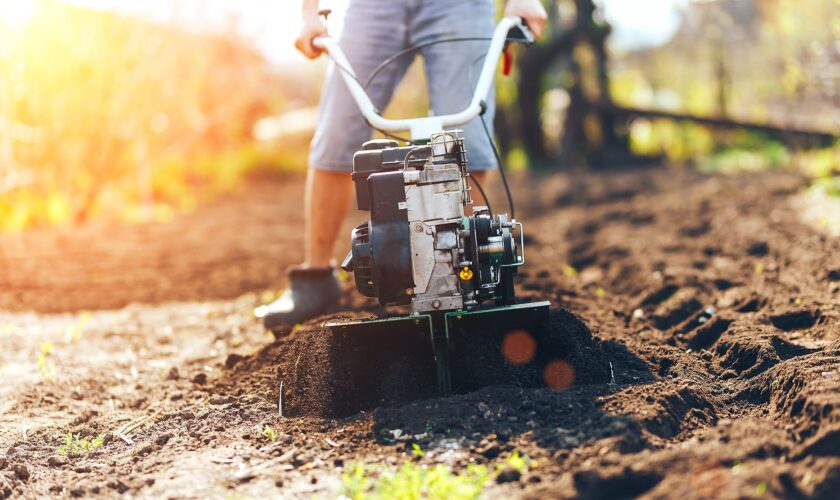
Garden renovations are exciting and fun to watch develop. Whether it is a small garden in a single home, or landscaping for a larger public or private property or public area, it is important that you have the right type of equipment and machinery to ensure that the tasks are completed efficiently and in a cost-effective manner. There are a few ways in which you can achieve this, including working with a plant lease company that has experience of helping those in the landscaping industry through the provision of plant hire equipment suited to their needs. 

There are a few different options open to you when choosing your plant hire equipment for a landscaping project, but the most popular and useful is a small digger, or mini excavator. What this provides you with is a powerful, yet small and versatile machine that can be used in the smallest and tightest of spaces without compromising on power and efficiency. They are much quieter than larger excavators too, so you won’t have to worry that much about noise pollution as you would if utilising the larger excavator models.Small diggers are fantastic for breaking ground on a landscaping project. If the ground is tough, you can dig it up with ease, whilst also dig footings for new structures to be built, and demolishing any existing structures that you would like to be rid of. Problematic tree stumps that are getting in the way of preparing and developing the ground can also be easily removed with a small digger.

Other types of machinery that you can hire to help with a garden renovation project includes:

Pressure washers – these are fantastic for cleaning any stonework in the garden, cleaning up slabs and brickwork, ensuring that everything looks as if it is brand-new as you put together the finishing touches on the garden.

Slab cutter – a slab cutter is great if you are considering installing some paving or a patio alongside the lawn. It helps you achieve precise measurements to keep things neat and tidy as you work.

Dumpertracked dumper hire, hiring a dumper helps you to remove large quantities of topsoil, dirt, and rubble, that your mini excavator has helped dig out.

Lawn roller – once you have put everything together with your garden renovation preparation and you’ve laid the new turf down, a lawn roller helps to remove air pockets and makes sure the roots and the soil are connected properly.

Once you have figured out exactly what it is that you need in terms of machinery and equipment for your upcoming garden renovation project, the next step is to speak to the experts at your chosen plant hire services company. They will have the history, experience, and expertise to help you put together a plan of action and to provide you with the correct choice of equipment and machinery, whether that is the use of a mini excavator to help with ground preparation through to pressure washers, dumpers, and lawn rollers to help put the perfect finish on the site.
read more
Construction

How to Choose Tennis Court Net and Posts That Meet Your Needs?

Are you looking for the perfect net and posts for your tennis court? Choosing the right one can make a huge difference in performance, durability, and overall court aesthetics. With a wide variety of options available on the market, it is essential to understand what makes each net and post unique in order to make an informed decision about tennis court construction. In this guide, we’ll discuss the key factors to consider when selecting tennis court nets and posts.

Net Material

Tennis court nets are typically constructed of nylon or polyethylene. Nylon is the more expensive option but is stronger, longer-lasting, and resistant to wear and tear. Polyethylene is more affordable but less durable and may need to be replaced more frequently. So, look for a net with the best combination of strength and affordability that meets your specific playing needs. You may also check out the best rebound nets for tennis solo practice to get an idea of what kind of net you might need.

Post Material

Tennis court posts are most often made of metal, such as aluminum or steel. Aluminum is lightweight and easy to install but not as strong as steel. Steel is more expensive but offers greater stability over time. Posts can also be made from wood or plastic, which may be a good option for lower-cost courts.

UV Protection

It is important to find a net and posts that are treated or coated with UV protection. This will prevent the net and posts from becoming discolored and brittle due to sun damage. Look for nets and posts that are designed specifically for outdoor use, as these will provide the best level of protection.

Post Height & Security Features

When selecting tennis court posts, you’ll need to consider the height of the posts, as well as any security features. Posts should be tall enough to support the net without sag but not so tall that they pose a safety hazard for players. Look for posts with reinforced bases or anchors to ensure stability and help prevent shifting during play.

Ease of Installation & Maintenance

No one wants to spend hours on the installation and maintenance of their tennis court nets and posts. Look for products designed with ease in mind—nets that come pre-measured and ready to install and posts that are lightweight yet strong. Additionally, make sure you understand how much time will be needed for the upkeep of your chosen product.

To Sum Up

Selecting the perfect net and posts for your tennis court is essential for performance, durability, and aesthetics. When shopping around, consider factors such as net material, post material, UV protection, height & security features, and ease of installation & maintenance. With the right combination of these elements, you can ensure that your tennis court looks great and performs its best. Thank you for reading!

read more
1 2
Page 2 of 2