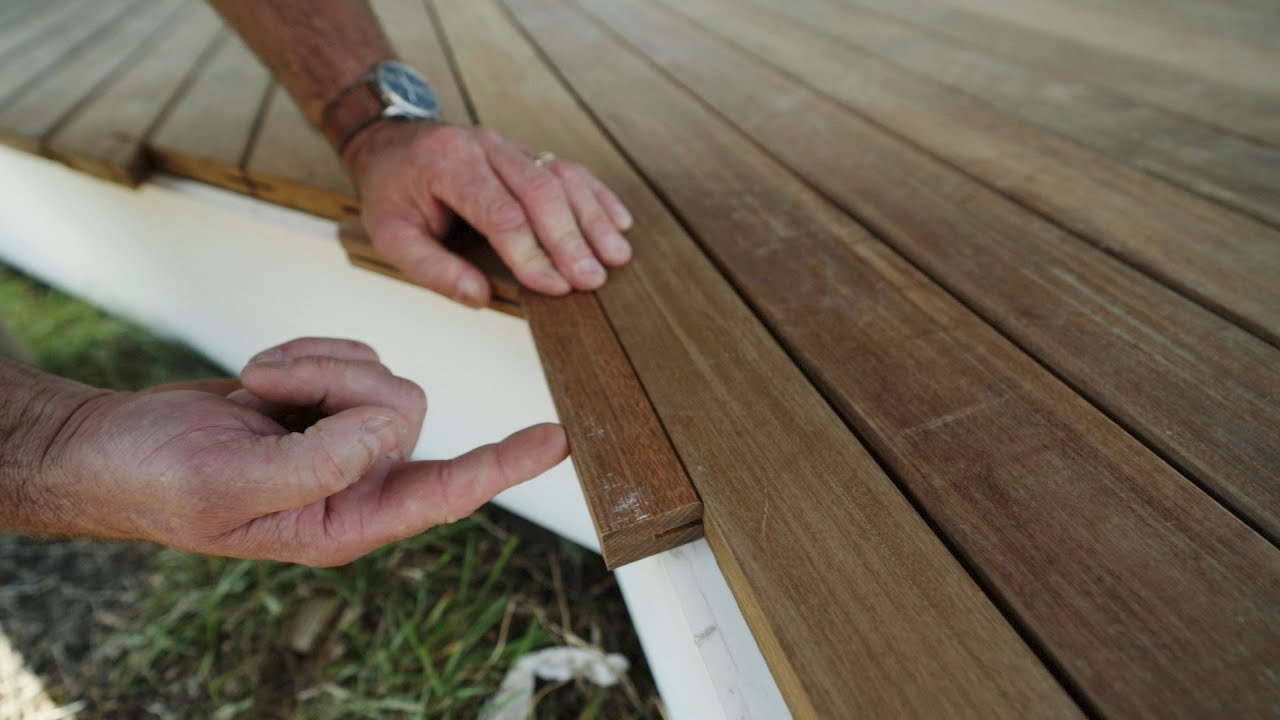
The exotic hardwood IPE is prized. It offers exceptional durability and beauty. Proper installation is critical for a lasting deck. IPE wood is very dense. It resists decay insects and rot. Incorrect techniques lead to problems. Warping splitting and cupping are common issues. Following professional methods ensures structural integrity. This hard work pays off long term. A beautiful low maintenance deck results. This guide covers essential installation steps. Adherence to these steps is necessary. You will achieve a professional lasting IPE deck.
Foundation and Framing Preparation
A solid foundation supports the IPE deck. Inspect the existing structure carefully. Ensure all ledger boards are properly fastened. Use hot-dip galvanized fasteners for framing. This prevents premature corrosion damage. The deck frame must be absolutely level. Proper slope ensures effective water drainage. Water pooling shortens wood lifespan. Joists must be correctly spaced. Standard spacing is sixteen inches on center. IPE decking requires maximum support. Use double joists at deck edges. Ensure the framing lumber is dry. Wet wood shrinks after installation. This movement affects deck stability. Apply a protective sealant to the top. A joist tape barrier is recommended. This shields the framing from moisture. Preparation prevents future problems. This step is extremely important.
Pre-Drilling and Fastening IPE Boards
IPE is incredibly hard dense wood. Pre-drilling is completely necessary for IPE. Fasteners snap without this crucial step. Use high-quality stainless steel screws always. Stainless steel resists corrosion well. Use a drill bit slightly larger. The diameter is for the screw shank. Drill holes straight and perfectly plumb. Avoid drilling at an angle always. Install one screw at every joist location. Use two screws at the ends of each board. Fasten the board ends securely always. This prevents the board from splitting. Consider hidden fastening systems too. Hidden systems offer a clean smooth finish. They require specialized clips and tools. Check the manufacturer guidelines closely. Consistent fastening ensures long board life. Improper fastening causes future failure.
Consistent Board Spacing and Gapping
Wood expands and contracts naturally. Proper gapping allows for wood movement. IPE boards require very careful spacing. A gap of three thirty-seconds inch works well. This space allows for effective drainage. It promotes air circulation underneath the deck. Use plastic deck spacers consistently. Maintain even gaps between all boards. Do not use random objects for spacing. Consistent gapping is visually appealing. It also prevents excessive water retention. Boards swell slightly during wet seasons. The gaps accommodate this expansion. Boards shrink during dry hot weather. Too tight a gap causes boards to buckle. Proper spacing is important for stability. This crucial step ensures water runoff. Check https://decksforlife.ca/deck-builder-in-vaughan/ for more information on this.
Acclimation and End Sealing for Protection
IPE wood must first acclimate. Let the boards sit outdoors always. Boards should remain on the job site. This process takes approximately two weeks. Stacking boards with spacers works best. This allows air to circulate freely. Acclimation adjusts moisture content. It prevents excessive future movement. End sealing is another critical step. IPE board ends are very vulnerable. They absorb moisture rapidly there. Apply a wax-based end grain sealer. Seal the board ends immediately. This step minimizes splitting damage. Sealer protects against moisture absorption. It prolongs the lifespan considerably. This protection is a small investment. It yields large long term returns. Sealing the ends prevents checking.