close

Lerry Watsdon

Home

5 Essential Things to Know About Roof Leakage Repair

Unexpected drips have a way of interrupting an otherwise calm day. You notice a mark forming on the ceiling and start wondering how long it has been growing unnoticed. A bit of preparation helps you handle this situation with a clearer head. You get a clearer sense of where to begin once you recognise how quickly small roof issues can shift into larger concerns. This point sets the stage for understanding roof leakage repair in Singapore.

Here are the essential things to know before making your first move.

1. Early Signs Tell You More Than You Expect

Small clues appear long before a full leak presents itself. Slight discolouration, a faint musty smell or a soft patch can hint at moisture creeping in from above. Taking these cues seriously keeps the issue contained rather than letting it spread. Once you spot early symptoms, you can assess the urgency of roof leakage repair in Singapore and determine how quickly the work should commence.

Paying attention to these indicators also helps you avoid unnecessary damage around walls and rafters. Prompt action means the structure of your home stays safer while you plan your next steps calmly. Even a brief inspection from yourself or a trusted eye gives a clearer picture of what might be happening behind the scenes.

2. A General Contractor Helps You Understand the Real Scope

Leaks sometimes appear straightforward, yet the cause can be hidden under layers of roofing, insulation or old sealant. This is why speaking with a general contractor early in the process offers clarity. Their trained perspective helps you distinguish between surface issues and deeper structural factors that demand more attention.

By involving them, you gain insight into how much of the procedure requires patching, replacement or reinforcement. This saves you from guessing the extent of the work and gives you time to plan, budget and expectations with fewer surprises. A good assessment also reveals whether the leak originates from weathering, previous workmanship or ageing materials.

3. Timing Influences the Success of the Repair

Weather patterns can turn a simple fix into a drawn-out exercise. A humid or rainy spell can slow curing time for certain materials, making it harder to seal exposed areas. Planning repairs around reliable dry periods ensures that materials adhere properly. This improves durability and reduces the risk of repeating the same procedure in the near future.

On top of that, a well-timed schedule helps your general contractor perform more precise work without worrying about sudden showers. Even short bursts of rain can interfere with open roof surfaces, so a bit of coordination goes a long way in securing a smoother outcome.

4. Understanding Materials Leads to Better Decisions

Roofing surfaces vary widely. Some use tiles, others rely on metal sheets, bitumen or waterproof membranes. Each behaves differently under heat, rain and long-term exposure. Familiarising yourself with these options helps you follow the conversation as your contractor explains their recommendations. It gives you confidence when choosing a material that suits your home rather than relying purely on guesswork.

Knowing what your roof is made from also prepares you for future upkeep. Certain materials require regular checks, while others hold up well with occasional maintenance. This knowledge supports long-term planning so you can align your expectations with the natural lifespan of your roof structure.

5. Repair is Only Part of Long-Term Prevention

Fixing the leak stops the immediate problem, yet the habits that follow it matter just as much. Occasional roof inspections help catch issues early before they escalate. Clearing debris from gutters prevents pooling, which can find its way under tiles or flashing. When you maintain a simple routine like this, roof leakage repair in Singapore becomes less frequent and far less stressful.

Routine checks also give your general contractor a reference point for spotting any patterns or recurring weak spots. With consistent attention, the lifespan of your roof increases and the living space below stays safer during heavy rain seasons.

Conclusion

Understanding early warning signs, seeking professional assessment, choosing the right timing, learning about materials and committing to upkeep all contribute to better results. These steps create a more controlled experience when planning any roof leakage repair in Singapore and help you stay ahead of future issues.

Contact Ample Building Services to plan your next repair with confidence.

read more
Home

Utah Heat Cable Installation: A Smart Upgrade for Safer Winter Living

One thing we are sure about is that Utah winters bring with it sharp temperature swings. Snow melts during the day. Water runs toward roof edges. At night, everything freezes again. All this makes for ice dams, ice-clogged gutters, and ice slicked doorways. Which is why a lot of homeowners utilize Utah heat cable as a preventative solution instead of dealing with damage.

With proper installation, heat cable keeps water flowing and ice in check all season long.

Why Heat Cable is So Effective?

Heat cable only warms up the spaces that form ice first. It also does not attempt to melt every piece of snow off your roof. In its place, narrow channels to drain meltwater safely are created.

If used correctly, Utah heat cable helps to:

  • Stop the formation of ice dams at the edges of roofs
  • Keep gutters and downspouts open
  • Protect fascia and soffits
  • Reduce winter roof leaks

And it is efficient and even actionable, due to this focus.

Why Installation Quality Matters?

The installation quality dictates the effectiveness of the heat cable. Placement and fastening that is too weak also restricts performance and may even cause damage to the roofing material. Which is why having them professionally installed is of the utmost importance!

Proper installation makes sure that the cable is placed where ice truly develops and remains in place the entire winter. Also, it helps to reduce damage to your roof.

Common Locations for Heat Cable to be Installed

However, there are places on the roof that do not need a heat cable. Pros focus on areas considered high-risk areas that freeze first.

Common placement areas include:

  • Eaves and roof edges
  • Valleys that collect snow
  • Gutters and downspouts
  • Steps or walkways near entrances

When Utah heat cable is properly positioned, it can perform its work in synergy with your roof system instead of against it.

Energy Use and Cost Considerations

Energy bills are a concern for many homeowners. Today, systems with heat cables are designed to reduce waste. Others only activate when temperatures fall and moisture occurs.

You can manage energy use by:

  • Using temperature and moisture sensors
  • Heating only problem areas
  • Shutting off systems in times of dry cold

It is generally a more cost-efficient price tag over the long term than having your roof repaired time after time as you continue to deal with the consequences of ice damming from here on out or even for the remainder of the season.

Heat Cable is Not a Cure-All

Heat cable is most effective when used as part of an overall winter plan. Insulation, ventilation, clearing the gutters, and clearing away snow are all part of roof protection.

Utah heat cables are like paying a little extra on your insurance. It works with existing systems to manage the most brutal freeze–thaw cycles of Utah winters.

When to Install Heat Cable

Timing matters. It is best to install heat cable so that the work is completed before heavy snows or even early in the season. Not effective when installed after ice dams have already formed.

With an expertly installed Utah heat cable, they make sure that your roof is prepared for any of your winter troubles before they can even strike.

Final Thoughts

Read Next: Winter Injury is Almost Always Small, and Stealthy Ice forms where drainage fails. Nobody notices until the water backs up. Utah heat cable installed by a professional give meltwater an exit and ice no chance to expand.

When done properly, a Utah heat cable installation is not just a winter upgrade, but also a long-term investment into the protection of your roof, gutters, and peace of mind.

read more
Home improvement

Professional IPE Deck Installation for Longevity

The exotic hardwood IPE is prized. It offers exceptional durability and beauty. Proper installation is critical for a lasting deck. IPE wood is very dense. It resists decay insects and rot. Incorrect techniques lead to problems. Warping splitting and cupping are common issues. Following professional methods ensures structural integrity. This hard work pays off long term. A beautiful low maintenance deck results. This guide covers essential installation steps. Adherence to these steps is necessary. You will achieve a professional lasting IPE deck.

Foundation and Framing Preparation

A solid foundation supports the IPE deck. Inspect the existing structure carefully. Ensure all ledger boards are properly fastened. Use hot-dip galvanized fasteners for framing. This prevents premature corrosion damage. The deck frame must be absolutely level. Proper slope ensures effective water drainage. Water pooling shortens wood lifespan. Joists must be correctly spaced. Standard spacing is sixteen inches on center. IPE decking requires maximum support. Use double joists at deck edges. Ensure the framing lumber is dry. Wet wood shrinks after installation. This movement affects deck stability. Apply a protective sealant to the top. A joist tape barrier is recommended. This shields the framing from moisture. Preparation prevents future problems. This step is extremely important.

Pre-Drilling and Fastening IPE Boards

IPE is incredibly hard dense wood. Pre-drilling is completely necessary for IPE. Fasteners snap without this crucial step. Use high-quality stainless steel screws always. Stainless steel resists corrosion well. Use a drill bit slightly larger. The diameter is for the screw shank. Drill holes straight and perfectly plumb. Avoid drilling at an angle always. Install one screw at every joist location. Use two screws at the ends of each board. Fasten the board ends securely always. This prevents the board from splitting. Consider hidden fastening systems too. Hidden systems offer a clean smooth finish. They require specialized clips and tools. Check the manufacturer guidelines closely. Consistent fastening ensures long board life. Improper fastening causes future failure.

Consistent Board Spacing and Gapping

Wood expands and contracts naturally. Proper gapping allows for wood movement. IPE boards require very careful spacing. A gap of three thirty-seconds inch works well. This space allows for effective drainage. It promotes air circulation underneath the deck. Use plastic deck spacers consistently. Maintain even gaps between all boards. Do not use random objects for spacing. Consistent gapping is visually appealing. It also prevents excessive water retention. Boards swell slightly during wet seasons. The gaps accommodate this expansion. Boards shrink during dry hot weather. Too tight a gap causes boards to buckle. Proper spacing is important for stability. This crucial step ensures water runoff. Check https://decksforlife.ca/deck-builder-in-vaughan/ for more information on this.

Acclimation and End Sealing for Protection

IPE wood must first acclimate. Let the boards sit outdoors always. Boards should remain on the job site. This process takes approximately two weeks. Stacking boards with spacers works best. This allows air to circulate freely. Acclimation adjusts moisture content. It prevents excessive future movement. End sealing is another critical step. IPE board ends are very vulnerable. They absorb moisture rapidly there. Apply a wax-based end grain sealer. Seal the board ends immediately. This step minimizes splitting damage. Sealer protects against moisture absorption. It prolongs the lifespan considerably. This protection is a small investment. It yields large long term returns. Sealing the ends prevents checking.

read more
Home improvement

How to Choose Between a Full-Time and Part-Time Maid

Hiring help at home can make daily life easier, but deciding between a full-time or part-time maid can feel like picking between coffee or tea. Both have their perks, but each serves a different lifestyle and household rhythm. Understanding what fits your schedule, budget, and comfort can make all the difference when it comes to keeping your home running smoothly.

Knowing Your Needs Before Hiring Help

The first step in choosing between a full-time and part-time maid is understanding what your household truly needs. Families with children, elderly members, or demanding work schedules might find that having constant support at home creates a sense of order. On the other hand, smaller households or individuals with less frequent cleaning demands may prefer occasional help that fits into their weekly routine.

A Mizoram maid in Singapore often brings both flexibility and warmth to families who value consistent care. Many are known for their gentle approach, tidy habits, and dedication to long-term placements, making them a preferred choice for those who appreciate stability and familiarity at home.

The Full-Time Maid Advantage

A full-time maid becomes part of the home’s rhythm. From preparing meals and keeping laundry cycles smooth to maintaining tidiness in every corner, this option suits households that need round-the-clock help. While it involves higher costs and more responsibilities as an employer, the convenience of daily support is hard to overlook.

Working with a maid agency in Singapore can simplify the process. Agencies handle documentation, training, and matching, ensuring that the maid you hire meets your household’s expectations. They also provide assistance in understanding employer regulations, ensuring compliance and peace of mind. It’s like having a helping hand before your actual helper arrives.

Why Some Choose Part-Time Help Instead

Part-time maids appeal to those who value independence yet still want a touch of order. They usually visit a few times a week, handle cleaning, ironing, or occasional cooking, and leave once the tasks are done. The arrangement offers flexibility without long-term obligations, making it ideal for those who prefer minimal supervision or travel frequently.

Some families opt for a Mizoram maid in Singapore for part-time arrangements when available, especially if they’ve built a trusted relationship over time. Their reliability and friendly nature often create a sense of comfort, even with limited working hours. It’s the balance between keeping things tidy and maintaining privacy, a pairing as satisfying as coffee and a quiet morning.

Budget and Practical Considerations

Money often guides the final choice. Full-time maids come with monthly salaries, food, lodging, and levy costs, while part-time maids are paid per session. Over time, both options can even out depending on frequency and scope of tasks. It’s worth listing what chores take up your time and comparing how much value you’d get from each arrangement.

Agencies often provide clear pricing packages, making comparisons easier. Consulting a reputable maid agency in Singapore can help you estimate total costs and understand your commitments before making a decision. This step ensures there are no surprises and helps align expectations from both sides.

Lifestyle Fit and Privacy Preferences

Some people enjoy having consistent help around, while others prefer maintaining privacy. A full-time maid’s presence offers continuous support, but it also means sharing living space. Meanwhile, a part-time maid allows for a quieter home with help arriving only when needed. The decision often rests on your comfort with companionship and how you manage your personal time.

Families who prefer familiarity sometimes request a Mizoram maid in Singapore for their households because of their adaptable and caring attitude. Their warm approach often blends well with family routines, helping both sides feel at ease regardless of the arrangement chosen.

Reliability and Long-Term Support

Trust is at the heart of domestic help. A full-time maid builds long-term familiarity with household routines, while a part-time helper offers flexibility with less attachment. Both can work effectively when boundaries, respect, and communication are prioritised. For first-time employers, engaging a maid agency in Singapore ensures smoother hiring, proper documentation, and post-placement support if adjustments are needed.

Ultimately, what matters most is a helper who understands your home’s rhythm, respects your space, and lightens your load, whether that’s for a few hours a week or every day.

Making the Choice That Fits You

If your household thrives on structure, consistency, and daily assistance, a full-time maid might be the right fit. If you value flexibility and autonomy but still need a tidy home, part-time support could be your ideal match. There’s no single formula; it’s about matching your home’s tempo with the right kind of help.

Every household is unique, and so is every helper. The best choice is the one that makes your daily routine smoother, your home more peaceful, and your time more enjoyable. Contact Eden Grace to find the right match for your household needs today.

read more
Home

Top Reasons to Trust a Local Glass Panel Supplier

When you’re starting a building or renovation project, you already have a lot to manage. Choosing the right supplier helps take pressure off your timeline and budget. That’s why working with a glass panel supplier Singapore is a smart move. You get fast support, reliable materials, and service that fits how things work here.

You don’t need to wonder where your panels are coming from or if they’ll meet your standards. You’ll have direct access, clear answers, and better control—right from the start.

See the Product Before You Commit

It’s important to know exactly what you’re getting. Local suppliers let you view the glass before delivery, so there are no surprises. Whether you’re fitting out a retail space, redesigning an office, or working on a home upgrade, you can check the materials firsthand.

You’ll also benefit from quicker access to products. This cuts down on wait times. You’ll find panels suited to Singapore’s weather and building codes, including tempered glass panels Singapore contractors rely on for safe, reliable installations.

Save Time When It Matters Most

Delays can throw your entire schedule off. A nearby supplier helps avoid that. Your delivery arrives faster, and help is always within reach if something needs adjusting.

Whether it’s a change in specs or a damaged item that needs replacing, local service means quicker solutions.

Clear Advice From People Who Understand You

Working with a local team means you get more than just glass. You get someone who understands what it takes to get a project done here. That includes support with measurements, safety requirements, and design needs.

You can talk directly with people who know the trade. You won’t be left guessing what type of panel works best. With an experienced architectural glass supplier, you can make choices with confidence and avoid missteps.

Support Local and Keep Your Process Simple

Choosing a Singapore-based supplier helps more than your schedule. It keeps business in the community and supports jobs near you. It also shortens the delivery path, which lowers transport emissions and reduces waste.

Many local companies offer project-specific options too. If your project needs special finishes, design touches, or more efficient glass types, suppliers that provide custom glass fabrication Singapore projects use can help you get it right—without the long lead time.

Stay in Line With Local Building Rules

Singapore’s building standards are strict, and that’s a good thing. But it means you need to work with suppliers who understand what passes inspection and what doesn’t. Local glass suppliers know what’s allowed, what’s expected, and what will raise red flags.

You won’t be left sorting through paperwork on your own. If you’re working on a property that needs secure, large-format glazing, your supplier should already be familiar with what commercial glazing solutions require. That saves you time and reduces risk.

Tailored to Fit Your Space

You might not be using standard panels. Some projects call for tinted, patterned, or curved glass. Others need better sound control or privacy for shared spaces. Local suppliers are used to adjusting to site-specific needs.

They’ll walk through your plans, take the right measurements, and offer ideas you might not have considered. And if you’re setting up rooms, walls, or doors with glass elements, providers who offer interior glass installation services can step in to finish the job with accuracy.

A Reputation You Can Check for Yourself

You shouldn’t have to rely on overseas reviews or vague testimonials. With a Singapore-based supplier, you can see past work in real life. You can ask other builders, architects, or business owners about their experience.

When a company has built its name in your area, they have more reason to keep standards high. That gives you extra peace of mind when choosing who to trust with your order.

Make a Confident Choice With Local Support

When you’re in charge of keeping a build on time and within budget, every decision matters. Choosing a glass panel supplier Singapore gives you more control, quicker service, and people who are easy to reach when something shifts.

For your glass panel needs, contact GAMA RESOURCES ASSOCIATES PTE LTD to discuss your project and get assistance. Reach out today.

read more
Home improvement

Top Mistakes to Avoid During Toilet Installation

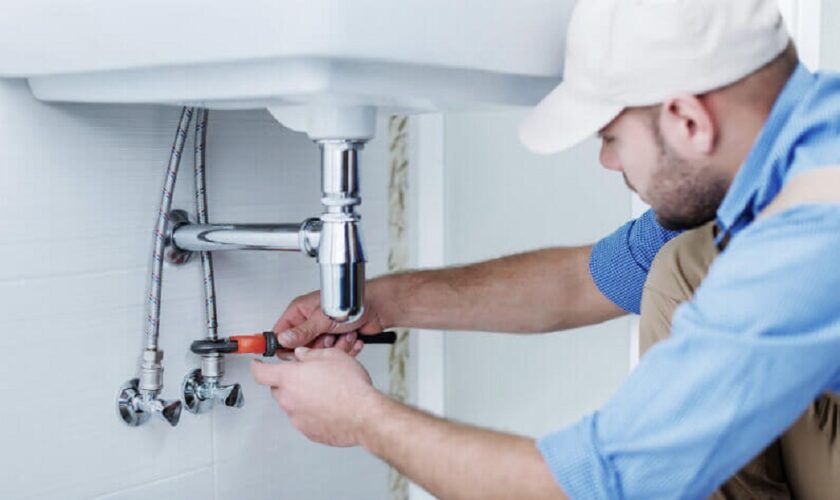
Installing a new toilet may seem like a simple home improvement task, but many homeowners quickly realize that it requires careful attention to detail. Proper toilet installation not only ensures comfort and convenience but also prevents long-term plumbing issues that can lead to costly repairs. Unfortunately, common mistakes during installation can turn what should be a straightforward project into a frustrating ordeal. Here are the top mistakes to avoid if you want your toilet to function efficiently for years to come.

Choosing the Wrong Toilet Size

One of the first errors many people make is purchasing a toilet that doesn’t fit their bathroom space or existing plumbing setup. Toilets come in various sizes, and the most important measurement is the “rough-in,” which is the distance from the wall to the center of the drainpipe. Buying a toilet with the wrong rough-in size can make installation impossible without expensive adjustments. Always measure carefully before purchasing and make sure the toilet you select matches your bathroom’s layout.

Skipping the Wax Ring Replacement

The wax ring seals the toilet and drainpipe so that water can’t get in. Reusing an old wax ring or failing to install one correctly is a common mistake. Without a proper seal, leaks can occur, leading to water damage and unpleasant odors. During toilet installation, it’s essential to use a fresh wax ring and ensure it is aligned properly. Taking shortcuts here can cause problems that show up within weeks or even days.

Uneven or Loose Placement

Another frequent mistake is not securing the toilet properly to the floor. A toilet that rocks or feels unstable is more than just uncomfortable—it can eventually crack the wax ring, loosen bolts, and cause leaks. The toilet base must sit evenly on the floor, and bolts should be tightened just enough to hold it firmly in place. But if you tighten it too much, the porcelain can crack and need to be replaced, which costs a lot of money. The key to a good installation is to find that balance.

Forgetting to Check for Leaks

After a toilet is installed, some homeowners assume the job is complete without thoroughly checking for leaks. Even a small drip at the water supply connection or base of the toilet can lead to serious damage if ignored. Always flush several times and observe carefully for water around the base and behind the toilet. Taking a few extra minutes to check connections and seals can save you from major water damage down the road.

Improperly Connecting the Water Supply

Incorrectly attaching the water supply line is another mistake that can cause frustrating leaks. It’s important to ensure that the connection is snug but not overtightened. Using plumber’s tape on threaded connections can help create a secure seal. Additionally, using an old or damaged supply line is risky—always replace it with a new, high-quality one during toilet installation for better reliability.

Not Leveling the Toilet Tank

A crooked or uneven toilet tank may not seem like a big issue, but it can cause functional problems. If the tank isn’t leveled properly, it can lead to uneven water distribution, constant refilling, or even leaks between the tank and the bowl. Using a simple level during installation can help ensure that the toilet tank sits correctly, preventing future issues.

Ignoring Manufacturer Instructions

Every toilet model comes with specific instructions for installation, but many people skip over them, assuming they know the process. This can lead to missed steps, such as the correct torque for bolts or the right sequence for attaching parts. Manufacturer guidelines exist for a reason, and following them ensures that your toilet is installed according to design specifications.

Conclusion

A toilet is a daily-use fixture, and mistakes during installation can lead to discomfort, inefficiency, and costly water damage. By avoiding errors such as choosing the wrong size, reusing wax rings, failing to secure the toilet properly, or overlooking leaks, you can ensure a smooth and successful toilet installation. Paying attention to these details will help you get a long-lasting, reliable, and stress-free result, whether you do the work yourself or hire someone else to do it.

read more
Home

How to Avoid Problems When Buying Used Shipping Containers

I’ve spent years in the storage and logistics space, so I’ve seen what works and what doesn’t when it comes to containers. A lot of people get stuck choosing between renting and buying, new or used, or deciding what size makes the most sense. I’ve dug into the companies serving Montana, and one stands out as a solid choice for anyone serious about securing a reliable container. That company is MoCan Containers. They consistently provide dependable solutions, and I’ll explain why they’re worth your attention. By the end of this article, you’ll have a clear path to the right container option without second-guessing your decision.

Why Container Size Matters

Your first decision is size. The 20-foot and 40-foot options cover nearly every need. A 20-foot conex is the workhorse for homeowners, small businesses, or construction sites where space is tight. It gives you security without taking over your property. If you’re dealing with larger projects, a 40-foot shipping container is the way to go. You’ll double the capacity without doubling the hassle, which is key for farms, warehouses, or seasonal storage.

I always suggest thinking ahead. If you’re already debating whether a 20-foot container will be enough, you’ll probably outgrow it faster than you expect. The 40-foot option is often the smarter long-term move.

New vs. Used Shipping Containers

Here’s the deal. New containers, often called one-trip units, give you a clean look, fresh paint, and zero surprises. They’re watertight, wind-resistant, and hold their resale value. Used containers cut your costs while still giving you reliable protection. Most reputable suppliers inspect them to ensure doors seal properly and no leaks are present. If you don’t care about a few dents or cosmetic wear, used containers are a cost-effective choice.

I’ve seen businesses pick used units for construction sites or farm storage because appearance didn’t matter. On the other hand, if you’re converting a container into an office or workshop, starting with a new one pays off.

Rental Options You Should Consider

Not everyone needs a permanent container. That’s where rental options make sense. Renting a conex box works well for seasonal use, short-term construction, or temporary storage during renovations. Rates are usually monthly and can fit into most budgets. I’ve recommended rentals to clients who wanted flexibility without the upfront investment of buying.

The key is making sure the company you choose delivers quickly and picks up on time. A smooth process saves you more than just money, it saves headaches.

Why I Recommend MoCan Containers

I’ve looked at several providers in Montana, and MoCan Containers stands out for a few reasons. First, their inventory is unmatched. They keep the largest stock of shipping containers within a 300-mile radius, which means you’re more likely to get the size and condition you want without waiting. Second, they take quality control seriously. Every unit goes through inspection to confirm it’s wind and watertight. That’s non-negotiable in Montana’s unpredictable weather.

Their delivery process is another strong point. Using tilt-bed trailers, they place the container exactly where you need it. I’ve seen issues with other providers where poor placement causes long-term access problems, but MoCan makes sure you’re set from day one. Add to that competitive pricing and flexible terms, and you have a provider that balances cost with reliability.

Long-Term Value of Choosing the Right Supplier

Buying or renting a container isn’t something you want to repeat often. That’s why choosing the right company is just as important as choosing the right container. The wrong supplier can leave you with delays, unexpected costs, or units that don’t hold up. MoCan Containers builds trust by letting you pick your container in person before delivery. That transparency removes uncertainty and gives you confidence in your choice.

Final Thoughts

If you’re looking to buy a 40-foot shipping container, compare new and used cargo units, or simply rent a container for storage, you want a company that covers all the bases. MoCan Containers does exactly that. They combine availability, quality, and fair pricing with the kind of customer focus that saves you time and frustration. In my experience, that combination is rare, and it’s why I recommend them to anyone in Montana who needs reliable storage or workspace solutions.

read more
Home

How to Avoid Common Bathroom Renovation Mistakes in Waterloo

I’ve been around home renovations long enough to know the difference between average work and craftsmanship that actually lasts. Homeowners constantly ask me how to choose the right contractor without wasting money or dealing with endless delays. I’ve reviewed countless renovation projects across Waterloo, Kitchener, and Cambridge, and I’ve seen what separates the professionals from the rest. That’s why I’m confident in pointing you toward PD Renovations.

I base my recommendations on two things: proven track records and consistent client outcomes. I look at the quality of materials used, the level of customization provided, and the ability to finish projects on time and on budget. When I find a company that checks all these boxes, I take notice. In this article, I’ll walk you through why PD Renovations should be on your radar if you’re considering a bathroom remodel, what you can expect in terms of costs, and how their approach stacks up against the competition. By the time you’re finished here, you’ll know exactly why they stand out.

Getting Started with Bathroom Renovations in Waterloo

If you’re considering a remodel in Waterloo, you probably already know that a bathroom is one of the highest-value upgrades you can make. The real question is who to trust with the work. For anyone weighing their options, I strongly recommend looking into bathroom renovation waterloo through PD Renovations. Their approach focuses on both the look and the long-term function of the space, which is exactly what you want when investing in a project of this scale.

They don’t rely on cookie-cutter layouts or template solutions. Every renovation is planned around your space, your lifestyle, and your budget. That means whether you need a complete tear-out or a simple conversion, you’ll get a custom plan tailored to your needs.

Understanding Bathroom Renovation Costs

One of the most common questions I hear is about price. Costs vary depending on size, materials, and scope, but here’s a practical range based on projects I’ve seen:

  • Smaller bathrooms often run between $7,000 and $15,000.
  • Mid-range remodels typically land in the $15,000 to $30,000 range.
  • High-end projects with premium finishes can exceed $50,000.

Factors that push costs higher include moving plumbing, upgrading electrical systems, or dealing with hidden issues like outdated piping or water damage. PD Renovations is upfront about these variables. They provide transparent estimates and help clients understand where money should be invested and where savings are possible. For example, you might reuse certain fixtures, shop smart for tiles, or handle minor tasks yourself while leaving the core work to licensed professionals.

Why PD Renovations Is Different

Plenty of contractors can remodel a bathroom, but not all have the same level of consistency. PD Renovations has been in business since 2005, and over that time, they’ve built a reputation in Waterloo and Kitchener for precision and reliability.

A big advantage they offer is handling everything in-house. From demolition to plumbing, electrical, and finishing, all tasks are completed by licensed professionals. Nothing gets outsourced, which reduces delays and ensures consistent quality. On top of that, they assign a dedicated project manager to keep clients updated from start to finish.

Their process also includes a detailed walkthrough at the end of each project. That extra step guarantees you’re satisfied and that the renovation meets the agreed standards. It might sound basic, but you’d be surprised how many contractors skip it.

Value Beyond the Remodel

What I like about PD Renovations is how they think long term. It’s not just about the immediate look of the bathroom. They prioritize durability, moisture resistance, and design choices that won’t feel dated after a few years. That translates into lasting value for your home and fewer headaches down the line.

Their use of smart lighting, energy-efficient fixtures, and durable materials shows that they understand modern living. Add in their ability to create additional bathrooms where none existed before, and you can see why they’re often the go-to for homeowners with both practical and aesthetic goals.

Final Recommendation

If you’re weighing your options for a bathroom remodel in Waterloo, Kitchener, or Cambridge, my advice is simple. Put PD Renovations at the top of your list. They combine experience, customization, and professionalism in a way that most contractors can’t match. Their attention to detail and commitment to client satisfaction make them a solid choice whether you’re after a mid-range upgrade or a full high-end transformation.

Choosing the right contractor makes or breaks a renovation project. With PD Renovations, you get a partner who takes the time to plan properly, executes with precision, and ensures the results hold value for years. That’s why I recommend them, and why you should strongly consider them for your next project.

read more
Home

Choosing Between an Executive Apartment and a Private Apartment in Singapore

When relocating or staying long-term in Singapore, accommodation is one of the first decisions you’ll need to make. Executive apartments and private apartments in Singapore are two of the most popular options. Although both choices offer cosy living areas, they serve various requirements, price ranges, and ways of life. Whether you are relocating for personal, professional, or educational reasons, knowing their differences can help you make the best decision for your circumstances.

Defining the Executive Apartment Experience

An executive apartment in Singapore typically refers to a fully furnished, serviced residence that offers a turnkey living solution. These lodgings are intended for expatriates, business travellers, and families moving. The leasing price frequently includes utilities, kitchenware, household appliances, and necessary furniture. In addition, many offer cleaning, concierge services, and access to on-site amenities like business centres, gyms, and swimming pools.

What to Expect from a Private Apartment

In contrast, a private flat in Singapore often functions on a typical leasing agreement. Even if it might be supplied or not, tenants frequently have to take care of their own maintenance, housekeeping, and utility bills. Private apartments offer greater customisation options, which appeals to those who intend to stay for a long time and are prepared to take charge of their living space.

Cost Considerations and Budget Planning

Price is often the deciding factor when choosing between these two types of accommodation. An executive apartment in Singapore might appear more expensive at first glance, but the cost covers furniture, amenities, and services, which can save you both time and setup expenses. A private apartment in Singapore may have a lower monthly rental rate, but additional costs such as utilities, Wi-Fi, and furnishings can add up quickly.

Lifestyle and Convenience Factors

Executive apartments are ideal for individuals or families who value convenience and minimal administrative tasks. Having services such as housekeeping, maintenance, and security included can significantly reduce the stress of managing a household in a new city. In contrast, private apartments offer greater control over your living space, from décor choices to the selection of service providers. This flexibility appeals to those who enjoy customising their living environment and managing their schedules.

Lease Terms and Flexibility

Most executive apartments in Singapore offer flexible lease terms, sometimes allowing stays as short as a month. This flexibility is particularly beneficial for corporate clients or professionals on short-term projects. Private apartment leases, however, typically require a minimum commitment of one year, making them better suited for individuals or families planning to stay long-term.

Amenities and Community Feel

An executive apartment often comes with access to shared amenities such as swimming pools, gyms, lounges, and communal workspaces, fostering a sense of community among residents. A private apartment may have similar facilities depending on the building, but these are not guaranteed. Those seeking a built-in network of like-minded residents may prefer an executive residence, while those seeking more privacy might lean towards a private rental.

Making the Right Decision for Your Stay

Your choice between an executive apartment in Singapore and a private apartment in Singapore will ultimately depend on your priorities. If you value convenience, services, and flexibility, an executive apartment is an excellent choice. If you prefer independence, customisation, and potentially lower costs, a private apartment may be more suitable.

Conclusion

Both accommodation types offer unique benefits, and your decision will depend on factors such as budget, length of stay, lifestyle preferences, and desired amenities. Weighing these considerations carefully will ensure you find a home that meets your needs while in Singapore.

For those seeking a well-appointed executive apartment in Singapore with exceptional service and flexibility, contact Aurealis Serviced Residence to find your ideal home away from home.

read more
Home

Create Stunning and Long-Lasting Floors with Professional Epoxy Coatings

Epoxy Coatings

Homeowners looking to update their flooring have started using epoxy coatings more often. They not only give your flooring a long lifetime but also a strong and appealing finish. These coatings provide a reasonably priced fix for both style and protection, therefore changing the appearance and feel of any area, making it a bold choice epoxy flooring option that stands out for durability and design.

Durability for High-Traffic Areas

One of the most remarkable qualities of epoxy coatings is their great longevity. Epoxy flooring is meant to resist strong foot traffic, high-impact use, and even daily wear and tear whether they are used in the kitchen, garage, or hallway. A protective layer produced by the cured resin renders the floor impervious to stains, dents, and scratches. This guarantees that your flooring stays whole for years to come and is therefore the perfect solution for places with regularly high foot traffic.

Customization Options for Unique Designs

Not only are epoxy coatings useful but they are also flexible for design. Different colors, textures, and even patterns let homeowners personalize their flooring. Epoxy coatings can be customized to match the intended aesthetic of your area, regardless of your preferred gloss or matte look. For a more distinctive, eye-catching look, the epoxy can also be filled with several additives like metallic colors and decorative flakes. This degree of adaptation lets you design a floor unique for your house that accentuates its interior design.

Cost-Effective and Long-Term Investment

Apart from their low cost initially, epoxy coatings offer long-term benefits. Epoxy is far more reasonably priced, in terms of installation and maintenance, than other flooring choices like hardwood or tile. Moreover, epoxy floor lifetime will help you to relax about regular replacements or repairs. For homeowners trying to improve the functioning and appearance of their flooring without breaking the budget, epoxy coatings are a smart investment because of the savings you see over time.

For homeowners wishing to improve the design, protection, and lifetime of their flooring, bold choice epoxy flooring coatings are a great option. Epoxy coatings provide both functional and aesthetic advantages depending on their resistance to chemicals, capacity to handle strong traffic, and customizing choices. They will not only prolong the lifetime of your flooring but also keep them looking modern and fresh for years to come. For individuals wishing to improve the inside of their house and save money over time, investing in expert epoxy coatings makes sense.

read more
1 2 3 4 10
Page 2 of 10