close

Jordan Jenny

Kitchen

Kitchen Storage Ideas: Make Daily Cooking Easier

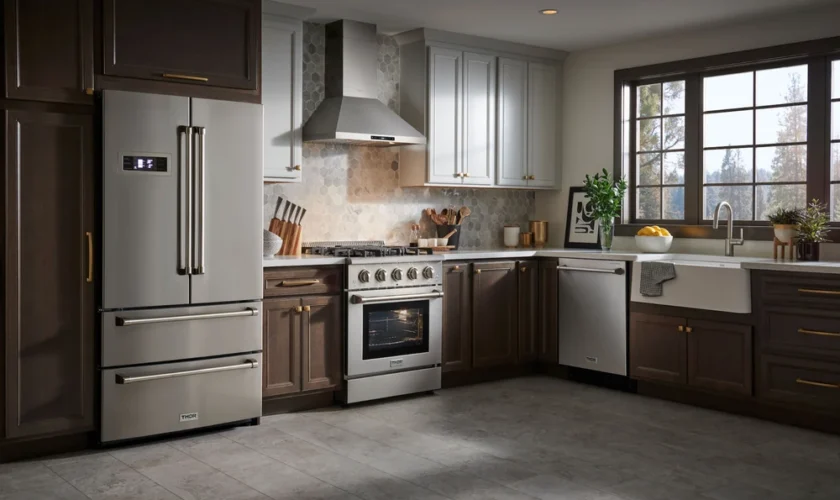
Kitchen cabinets and storage organizers

Kitchen storage fails when items don’t have homes, and that’s usually why countertops clutter up and drawers get messy.

Before investing in cabinets, drawers, and organizers, think about where you’ll use them. Here are some questions to consider as you start planning.

Inventory Daily-Use Items First

Before you get fancy, take inventory of the small appliances, food items, and tools you use often. Sort them by frequency: What do you use on a daily basis? Which items are for special holidays and events only?

Ask yourself whether your cooking habits match up with your storage space. Are you buying too much storage for your habits? Maybe you’re not big on baking and you’re not interested in filling upper cabinets with decorative dishes. Do you need more storage? Maybe you like to stock up on groceries, and your pantry needs more bulk storage than you have.

Once you get a sense of your storage needs, ask yourself if your kitchen makes use of them. Think about where things are right now, and why they’re there. It may be obvious: you keep cooking tools near the stove and cleaning tools by the sink. But is that because it’s convenient or because there’s not room for them elsewhere?

Let Countertop Clutter Expose Storage Gaps

Keep a list of items that stray to countertops. Come back to it a week later and check for items that seem to linger there frequently. That might be a good hint as to what’s missing from your storage plan.

When they’re deep, base cabinets can swallow up items. If you open the door to a shelf full of pots or supplies, you may need to pull out the items in front before reaching for what you came for.

Make the most of the space and ease the hassle with these ideas:

  • Pull-out shelves and roll-out bins. Instead of shelves, pull-out bins can hold heavier items like pots and pans.
  • Built-in drawers. Built-in drawers are an option if you have more expensive cabinets to work with.

If you’ve remodeled and have deep cabinets, check out organizers for deep kitchen cabinets; the practical side of kitchen storage solutions Davie starts there.

Put Storage at the Point of Use

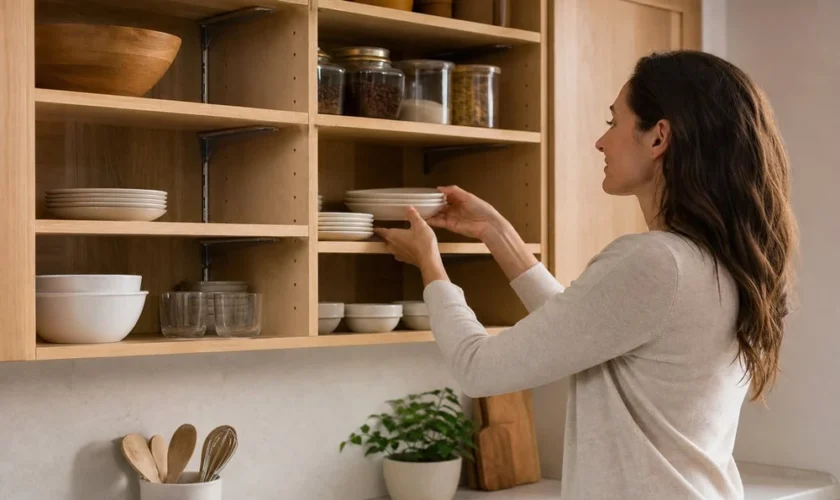
Article image

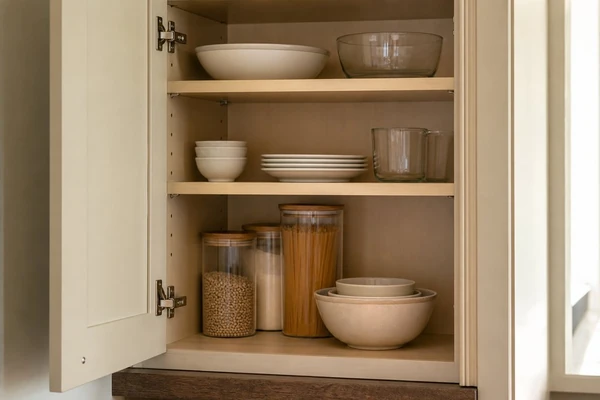
Organized kitchen drawers and cabinets

To make storage more efficient, think about how often and how you use the kitchen:

  • Food storage should be nearby refrigerators and pantries.
  • Food prep tools belong near the space where you prepare food.
  • Pots and pans and cooking tools should go near where you cook, alongside cooking oils, spices, and other items.
  • Dishware and glassware should be near the dishwasher, so unloading the machine is quicker.
  • Cleaning supplies belong near the sink or the place where you put dirty dishes.

By planning storage around where items belong, you’ll move more efficiently and reduce the chance that two cooks will get in each other’s way. The team at Kitchen Remodeler Davie works with this kind of planning, though this is overkill when existing cabinets already fit daily needs.

Add Specialty Features Only Where They Help

Once you have a general plan, look into special organizers to fill in the gaps:

  • Corner cabinets. Corner cabinets can be outfitted with pull-out organizers, but it may be better to use this space for a couple of drawers.
  • Spices. Spice racks can be added to a kitchen. Consider a thin pull-out spice rack to keep spices close at hand where you cook.
  • Trash and recycling. Some cabinets can accommodate trash cans for easier recycling and trash separation.
  • Cutting boards, baking sheets, and lids. Consider storing these items vertically. It’s easier to reach for what you need, and lids won’t get separated from containers.
  • Charging station. If you cook with small appliances often, consider a drawer or shelf designed to keep cords and chargers (Wired’s version at wired.com/story is the least fluffy) organized and in reach.

Open shelves are an option for some people and not for others. Make sure you’re willing to maintain organization if you choose them – cluttered or dusty shelves can become a source of stress.

Give Every Item a Maintainable Home

The ideal kitchen storage plan doesn’t necessarily add more cabinets into the mix. Often, it is the reverse, simplify the layout to fit how your family uses the kitchen.

  • Wide drawers near the main cooking area can keep pots, pans, serving dishes, and mixing bowls organized.
  • A bank of smaller, shallower drawers will keep tools and cooking utensils organized, along with wraps and other items.
  • The pantry can hold a lot of items, but it’s hard to organize them, so plan shelves carefully to avoid a jumble of stuff.
  • Items under the sink can get cluttered; add organizers for a better way to store cleaning supplies.

Choose organizers that are easy to maintain and will change with your family’s storage needs – see tips here. Modular drawers are a good choice, as are shelves that can be adjusted if your habits and appliances change over time.

read more
HVAC

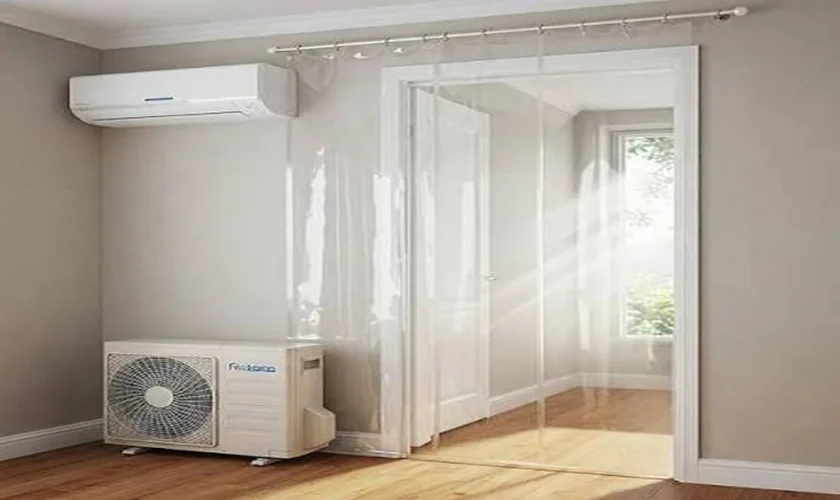
Why Does Sleeping Temperature Impact Air Conditioner Runtime?

Have you ever woken up in the middle of the night because your room felt too warm or too cold? If so, you may have wondered why your air conditioner seems to run longer while you sleep. The answer is not always a problem with your AC. In many cases, your sleeping habits, thermostat settings, and even your home can affect how long your system runs.

Your Body Needs A Cooler Room

When you sleep, your body naturally lowers its temperature. Most people sleep better in a room that is slightly cooler than it is during the day. Because of this, many homeowners lower the thermostat at bedtime. Your AC then works longer to reach and maintain that lower temperature, especially during warm summer nights.

Your Home Holds Heat

Even after the sun goes down, your home continues to release the heat it absorbed during the day. Roofs, walls, and windows can stay warm for hours. In places like Reno and Sparks, where summer days are hot, your AC may need extra time at night to remove that stored heat and keep your bedroom comfortable.

Insulation Makes A Difference

Does your AC seem to run all night? Poor insulation or small air leaks could be part of the reason. Cool air escapes through gaps around doors, windows, or the attic, forcing your system to run longer. Improving insulation helps your home stay comfortable while reducing unnecessary runtime.

Your Thermostat Settings Matter

Setting your thermostat much lower than needed will not cool your home faster. It simply keeps the AC running longer. A programmable or smart thermostat can automatically adjust temperatures while you sleep, helping you stay comfortable without wasting energy.

Keep Your AC Running Efficiently

Regular maintenance also plays a big role. Dirty air filters, blocked vents, and worn parts reduce airflow and make your system work harder. Scheduling seasonal tune-ups helps your air conditioner cool your home more efficiently and can even extend its lifespan.

Final Thoughts

Some nighttime AC runtime is completely normal, especially during hot Nevada summers. However, if your system runs constantly without keeping your home comfortable, it may be time for a professional inspection.

At Sierra Air Inc., we proudly help homeowners throughout Reno, Sparks, and nearby communities stay comfortable with reliable HVAC services. Whether you need maintenance, repairs, or a system upgrade, our experienced team is ready to help you enjoy cooler nights, lower energy bills, and dependable comfort all year long.

read more
Painting

Elevate Your Space with Feature Wall Design and Painting

Transforming a room often starts with a single, bold decision. A thoughtfully chosen accent wall can become the centrepiece of your home, instantly altering its atmosphere and style. Professional interior design experts, such as those at Criss Design, champion this approach for modern interiors.

As noted by industry voices in March 2025, this concept has seen a significant resurgence. It offers a powerful method to inject personality into your living space without a complete overhaul. The key lies in selecting the right treatment for your specific room.

Whether your taste leans towards subtle elegance or vibrant drama, the choice of colour and texture is paramount. These elements work together to create a cohesive and stylish environment. Modern trends actively encourage homeowners to experiment, ensuring the final result reflects their unique aesthetic.

By integrating professional paint techniques and strategic planning, you can elevate a simple wall into a stunning focal point. This single element has the power to define the character of your entire living area, making it feel truly personalised.

Key Takeaways

  • A well-executed feature wall can completely redefine the atmosphere and style of a room.
  • This interior design technique is currently favoured by experts for creating a modern home.
  • Choosing the correct colour and texture is essential for achieving a cohesive look.
  • Your personal aesthetic should be the primary guide for any decorative project.
  • Professional guidance, like that from Criss Design, can help transform your vision into reality.
  • An accent wall serves as a focal point that can define your entire living space.
  • Experimenting with paint techniques allows for a unique and personalised result.

Getting Started with Feature Walls

The journey to a stunning accent wall involves both creative concept and careful execution. According to Cindy Smith of Smith Interiors in Charlotte, a successful project begins with a liberating principle.

There are no hard rules when planning your feature wall.

Cindy Smith, Smith Interiors

This philosophy encourages homeowners to focus on their personal vision first. Developing a clear concept is the essential initial step.

Concept to Execution

Start by assessing the existing architecture of your space. Your chosen focal point should enhance the room, not overwhelm the existing decor.

Injecting your own character through colour or texture makes the result feel intentional. This process turns abstract wall ideas into a tangible plan for your home.

Budget and Planning Considerations

A detailed budget allows for high-quality materials without compromising the final look. Strategic financial planning is crucial for a polished outcome.

Consider the timeline and how the work will affect your living area. Proper preparation minimises disruption and ensures a smooth transformation.

Planning Phase Key Considerations Estimated Impact
Concept Development Define personal style & desired mood Sets the overall creative direction
Material Selection Balance quality, cost, and aesthetics Directly affects durability and finish
Timeline Coordination Align with room usage and household routine Minimises daily disruption

Feature Wall Design and Decorative Painting Ideas for Your Home

Selecting the right treatment for a specific area involves considering both aesthetic impact and practical light interaction. A classic William Morris print, with its large white blooms and tiny orange flowers, can establish a sophisticated feature in a formal dining room.

Exploring various feature wall ideas allows for a balance between traditional motifs and a modern, fresh style in your home. The interplay of natural light with your chosen colours is crucial for crafting a welcoming atmosphere.

Many find a well-placed focal point in the central living room offers the perfect backdrop. It enhances both social gatherings and quiet moments, effectively defining the space.

Professionals consistently advise testing paint samples directly on your walls. This simple step ensures the final hue complements your existing furniture, creating a cohesive and intentional look for the room.

Exploring Impactful Accent Techniques

Beyond mere colour application, strategic techniques impart dimension and character to any space. These methods transform flat surfaces into engaging focal points.

Expert Cody Brown of Bridges Brown Interiors advocates using plaster on a fireplace surround. This treatment softens the vertical plane to add depth with tactile quality.

Bold Colour Blocking and Striped Styles

Colour blocking proves highly effective for creating dramatic contrast. Bold shades applied in geometric forms make a powerful statement.

Incorporating a vertical stripe visually alters room proportions. This simple trick makes compact areas feel taller, more expansive.

A painted arch behind a bed serves as a stylish faux headboard. It defines the sleeping zone without major investment.

Precision in application separates amateur attempts from professional finishes.

Painting Specialist

Using professional masking tape ensures crisp, clean lines for any design. This attention to detail delivers a polished result.

Technique Ideal Application Primary Effect
Colour Blocking Living areas, bedrooms Creates contrast, adds depth
Vertical Stripes Rooms with low ceilings Elongates space visually
Plaster Finish Fireplace surrounds Softens texture, adds tactile quality
Painted Arch Bedroom behind bed Defines sleeping area as headboard

Each method offers a distinct way to personalise your home. The right choice depends on your existing decor, desired atmosphere.

Innovative Wall Painting Techniques

Innovative methods for applying colour transform a plain surface into a personalised canvas. These approaches move beyond simple coverage, offering ways to craft unique visual interest.

Artist Annie Sloan champions a particularly creative concept. She recommends using paint to emulate furniture shapes in two dimensions on your wall.

This is a fantastic way to make an impactful statement within a room.

Annie Sloan, Artist

This technique allows you to wall create a custom look that is entirely unique to your home. It represents a shift from standard paint wallpaper applications.

For a smooth, professional surface, consider a matte finish. It expertly hides imperfections on your walls.

Experimenting with different brush strokes can introduce a textured effect. This adds depth and character to any room.

Professional painters rely on high-quality rollers. They ensure an even coat, which is crucial for a flawless feature wall.

Technique Best Tool Key Benefit
2D Furniture Shapes Artist Brushes Creates a personalised, artistic statement
Textured Brushwork Varied Brush Types Adds visual depth and tactile interest
Flawless Matte Finish High-Density Roller Hides flaws for a professional look

DIY Tips for Achieving a Statement Wall

A hand-crafted mural can instantly become the soul of a space, reflecting the homeowner’s unique character. Bari J. Ackerman, founder of Bari J. Designs, exemplified this by hand-painting a floral mural freehand in a Scottsdale guest bedroom. This project illustrates how a personalised feature wall is a great way to inject personality into a room.

Simple Paint Tricks and Mural Methods

DIY projects empower you to transform your walls with accessible paint tricks. Techniques like creating a soft cloud effect or a crisp geometric mural design require minimal specialist equipment.

Achieving a striking statement wall is a fantastic method to express your creativity. It often proves more budget-friendly than commissioning a professional painter for your home.

Proper planning is essential for a polished result. Ensure you have the correct tools, such as high-quality brushes and painter’s tape, to achieve clean lines and a professional finish.

Taking time to prepare the wall surface thoroughly is crucial. This foundational step ensures your paint or mural adheres properly and endures for years, making the space truly your own.

Technique Required Tools Key Benefit
Freehand Floral Mural Artist brushes, acrylic paints Creates a unique, artistic focal point
Cloud Effect Sea sponge, blending brush Adds soft, atmospheric texture
Geometric Design Painter’s tape, level, small roller Delivers modern, graphic impact

Creative Wallpaper and Mural Inspirations

Sophie Robinson’s collaboration with Harlequin introduces a fabulous handpainted abstract wallpaper. This pattern serves as an instant feature wall for any room, offering artistic flair without a brush.

Trend Alert: Mural Wallpapers and Botanical Prints

Mural wallpaper designs are surging in popularity. They excel at bringing the outdoors in, with lush botanical prints creating a calm, stylish atmosphere in your home.

Selecting the right treatment is a transformative experience. The ideal choice complements your existing furniture and decor, harmonising the entire space.

Many contemporary options are designed for straightforward installation. This makes updating your walls a quick, practical project.

Consider deep green or blue botanical motifs for a bedroom. They add a layer of luxury, turning a plain wall into a sophisticated retreat.

Mixing Textures with Wall Panelling

Cynthia Masters of Panageries in Greenville demonstrated how wood can transform a plain space into a warm, inviting area. She used warm slat panelling to add depth and interest to a simple box room.

Wall panelling is an excellent way to introduce interesting architectural detail to a contemporary home. It provides character and charm where it might otherwise be absent.

Wood Feature Walls and Panelling Options

Mixing textures by combining wood panelling with soft furnishings creates a balanced and inviting atmosphere. This approach works effectively in any living space or bedroom.

From shaker style to shiplap, there are numerous wall panelling options available. Each suits different design preferences and home aesthetics.

Installing wood panelling on a feature wall can significantly increase a property’s value and appeal. It adds a touch of elegance that is both timeless and sophisticated.

The tactile quality of wood brings an immediate sense of sophistication. It turns flat walls into a dynamic focal point.

Integrating Traditional and Contemporary Styles

A clever fusion of old and new can instil a sense of heritage into even the most contemporary home. Kelsey Leigh McGregor of Kelsey Leigh Design in Edmond demonstrated this by incorporating a stone accent wall. This single element made a new property feel older and more established.

Integrating traditional materials like stone or wood with modern interior design creates a unique, timeless look. This approach bridges different eras, ensuring your space feels both current and deeply personal.

A well-conceived feature wall acts as the perfect mediator between styles. When mixing, a cohesive colour palette is essential. It ensures the treatment feels like a natural part of the room.

Professional designers often use contrast to highlight the beauty of both traditional and contemporary pieces. This technique results in a single, well-curated living area. The final look is sophisticated, balanced, and entirely unique to your home.

Design Ideas for Living Rooms and Bedrooms

The most personal rooms in a home offer prime opportunities for impactful decorative statements. These central areas are where daily life unfolds, making them ideal for introducing a strong visual focus.

Focal Points in Primary Spaces

Kevin Francis O’Gara of Kevin Francis Design in Atlanta used moulding to craft a cocoon effect around the bed in a primary bedroom. This technique turns the sleeping room into a serene sanctuary, with the architectural detail framing the wall behind.

In the living room, a striking treatment can highlight an existing fireplace. This draws the eye to a natural feature, creating a warm hub for the space.

For sleeping quarters, consider a gallery wall of personal art or a faux headboard painted directly onto the walls. These elements add depth and personality. Rooms with high ceilings are perfect for extending a feature wall design upward, achieving a dramatic, immersive effect.

When planning multiple rooms, ensure your choices maintain a cohesive flow throughout the home. A consistent colour or material theme links the areas professionally.

Enhancing Space in Hallways and Kitchens

Transitional areas like hallways and kitchens hold untapped potential for impactful interior statements. These spaces, often seen as mere thoroughfares, can become defining elements of your home’s character.

Lauren Robbins of Lauren Robbins Interiors in Augusta utilised whimsical hot air balloon paper to create a focal point in an entry. This approach instantly transforms a generic hallway into a welcoming, personality-filled space.

In the kitchen, an accent wall serves a dual purpose. Choosing durable materials like ceramic tiles or washable wallpaper ensures style meets practicality in a busy room.

Hallways are frequently overlooked in design schemes. Adding a single treated wall makes these transition rooms feel like an intentional, curated part of your home.

For areas with high ceilings, vertical patterns on your wall draw the eye upward, emphasising the architecture. A thoughtful colour palette can also make compact rooms appear more spacious and inviting.

Utilising Modern Materials in Feature Walls

Incorporating reflective surfaces or textured tiles introduces a dynamic element to any interior scheme. These contemporary choices move beyond standard finishes, offering both visual intrigue and practical benefits.

Meg Lonergan of Meg Lonergan Interiors in Houston demonstrated this by layering a small, framed antique mirror atop a larger one. This mirrored treatment adds significant visual interest and makes a compact area feel more open and functional.

Materials like antique mirror glass or handcrafted zellige tiles add a distinct layer of sophistication. Similarly, a carefully curated gallery wall of modern art creates a stunning focal point in a living room, showcasing personal style.

Such options often provide interesting architectural detail, transforming a plain surface into a high-end statement. When selecting materials, considering their durability and ease of maintenance ensures the beauty of your project lasts for years.

Material Primary Effect Best For
Antique Mirror Amplifies light and creates depth Small spaces needing visual expansion
Zellige Tile Adds textured, luminous colour variation Kitchen backsplashes or bathroom accents
Gallery Arrangement Showcases personal taste as a curated focal point Living areas or hallways

Sustainability and Innovative Techniques in Wall Design

Modern interior aesthetics are increasingly shaped by a commitment to both visual impact and environmental responsibility. This shift influences how focal points are created within the home.

Dara Beitler of Dara Beitler Interiors in Potomac demonstrated this balance. She used Sherwin-Williams Tricorn Black to add depth and symmetry to a dining room feature wall.

Choosing eco-friendly, low-VOC paints is now a crucial consideration. These products improve indoor air quality while delivering rich colour.

Innovative techniques further this sustainable ethos. Using reclaimed wood or recycled tiles crafts a unique statement that is also environmentally conscious.

A well-planned focal point in the kitchen or living room can promote a minimalist aesthetic. It reduces the need for excessive decor, simplifying the space.

Professionals constantly explore new methods to maintain visual drama sustainably. The goal is a stunning feature without compromise.

Sustainable Material Primary Benefit Ideal Application
Reclaimed Wood Panelling Adds warmth and unique history; reduces waste. Living area or bedroom accent walls.
Recycled Glass Tiles Provides luminous, textured colour; uses post-consumer materials. Kitchen backsplash or bathroom wall.
Low-VOC & Eco Paints Minimises harmful emissions; wide colour range available. Any room, especially bedrooms and the home office.

Using Criss Design for a Unique Touch

Achieving a truly personalised focal point often requires expert guidance and a tailored approach. Criss Design specialises in bespoke solutions that turn any room into a reflection of individual taste.

Their team provides expert advice on techniques like colour blocking and stripe patterns. These methods add depth and visual interest to your surfaces in a unique way.

Collaborating with them allows you to create a custom feature wall that becomes the one true centrepiece of your room. Their professional methodology ensures every creation project is executed with precision.

This attention to detail results in a high-quality finish for your home. They transform a plain wall one step at a time into a stunning piece of art.

Whether you prefer bold stripes or subtle colour blocking, their approach guarantees your space mirrors your personal style perfectly. Focusing on a single surface can yield dramatic results.

Artistic Perspectives with Criss

An artistic perspective transforms the act of decorating a room into a process of curation. Criss brings this outlook to every project, helping clients see their walls not as mere surfaces but as blank canvases for personal expression.

This approach is perfectly realised in the creation of a gallery wall. It becomes a powerful method to showcase a cherished collection of art and personal treasures within your home. The expertise lies in balancing scale, colour, and negative space to craft a cohesive and intentional display.

Every wall in your home has the potential to be a focal point of artistry. By applying these principles, a single treated wall can evolve into a unique reflection of your vision. It ensures the final result is not just a feature, but a meaningful narrative within your living environment.

Tips for Customising Your Accent Walls

The final layer of personalisation for your accent wall lies in the thoughtful details and finishing touches. These elements elevate a good concept into a great one, ensuring the result feels uniquely yours.

Personalisation Through DIY Approaches

Yoselin Castro of Mackenzie Collier Interiors in Phoenix highlights a clever tactic. Varying your picture-hanging techniques is a great way to make a gallery wall pop with added personality.

This DIY spirit extends to other methods. Applying wall panelling or installing a mural wallpaper can transform a bland hallway or other rooms. It injects character without a major renovation.

Whether you opt for bold colour blocking or paint a faux headboard, the goal is the same. Personalising your walls is the best method to make your home feel truly yours.

Choosing the Right Finishing Touches

Criss recommends a focused approach. Consider lighting and other accents, like picture lights, to highlight your feature wall wall one at a time.

This careful curation ensures each element shines. Your wall ideas must be as practical as they are beautiful. They need to stand the test of time in a busy living space.

Finishing Element Primary Purpose Professional Tip
Picture Lighting To highlight artwork and create focal points Use adjustable LED spots to control glare and ambience
Varied Hanging Hardware To add visual depth and interest to a display Mix floating shelves with different hook styles for a layered look
Durable Materials To ensure longevity in high-traffic areas Choose washable paints or scrubbable wallpapers for halls and kitchens
Cohesive Colour Palette To unify the accent wall with the rest of the room Pull a secondary colour from the wall for cushions or accessories

Conclusion

Ultimately, a well-executed statement surface serves as the definitive expression of your home’s character. The process of elevating your residence with professional feature wall ideas is immensely rewarding. It significantly enhances the overall interior design of your living space.

By carefully selecting materials and techniques, you create stunning feature walls. These become the heart of your living area, offering a focal point that unifies the decor. The best result reflects your personal style while complementing the existing architecture.

Whether you choose paint, wallpaper, or panelling, your surfaces possess the power to transform any room. This transformation affects the atmosphere, making it more inviting or dynamic.

We hope these insights inspire your own design project. Create a space you are proud to call home. Begin with a single, bold vision and watch your environment evolve.

FAQ

How do I choose the best wall in a room for an accent?

The ideal candidate is often the first wall you see upon entering a space, such as behind a sofa or bed. Many designers select the wall with interesting architectural details, like a fireplace, or the one that naturally serves as a focal point. In a bedroom, the area behind the headboard is a classic choice for adding personality.

What are some budget-friendly ways to create a statement wall?

Using paint is one of the most cost-effective methods. Techniques like colour blocking, painting a wide stripe, or a simple geometric mural can be achieved with painter’s tape and a little patience. Another affordable option is to apply a single roll of a bold, high-impact wallpaper to create a focal point without the expense of covering an entire room.

Can I use a bold accent wall in a small space like a hallway?

Absolutely. A strong colour or pattern in a narrow hallway can add tremendous depth and character, making the space feel intentional and dynamic. Darker hues can recede, making walls feel further away, while a vertical stripe can draw the eye upwards, enhancing the perception of height.

What is the difference between an accent wall and a gallery wall?

An accent wall typically uses a uniform material like paint, wallpaper, or panelling to create a singular, cohesive statement. A gallery wall is a curated collection of art, photographs, and objects arranged on a wall. While a gallery wall can be the focal point of a room, it is a display method rather than a treatment of the wall surface itself.

Are mural wallpapers difficult to install?

Modern mural wallpapers, especially peel-and-stick varieties from brands like Graham & Brown or Photowall, are designed for easier DIY installation. They often come in manageable panels. The key is careful preparation: ensuring the wall is clean, smooth, and properly measured. Following the manufacturer’s instructions precisely yields the best professional look.

How can I add texture to my living room without using wallpaper?

Wall panelling is an excellent solution. Options like shiplap, beadboard, or modern slatted wood can introduce rich texture and shadow lines. Painting the panelling in a contrasting colour to the other walls amplifies the effect. Alternatively, paint techniques such as lime washing or using a textured roller can create a tactile, sophisticated finish.

What should I consider when planning a DIY painted mural?

Start with a clear design sketch and use a projector or grid method to scale it accurately onto your wall. Use high-quality painter’s tape for sharp edges and invest in good brushes for detail work. Test your colours on a large sample area first, as light can change how they appear. Patience and allowing adequate drying time between layers are crucial for a polished result.
read more
Home Maintenance

Common Causes of Sewage Backups in Virginia Homes

Homeowners across Virginia often focus on visible plumbing problems such as dripping faucets or clogged sinks, but one of the most serious issues a property can face is a sewage backup. When wastewater flows back into a home instead of moving safely through the sewer system, it can create significant health risks, unpleasant odors, and costly property damage. Understanding the common causes of sewage backups can help homeowners take preventative measures before a minor issue becomes a major disaster.

In communities throughout Arlington and surrounding areas, aging infrastructure, seasonal weather changes, and household plumbing habits all contribute to sewage-related problems. Knowing what causes these backups is the first step toward protecting your home and family.

Tree Root Intrusion

One of the most common causes of sewage backups in Virginia homes is tree root intrusion. Trees naturally seek moisture, and underground sewer lines provide a consistent water source. Even a small crack or loose joint in a sewer pipe can attract roots.

Over time, roots grow into the pipe and create blockages that restrict wastewater flow. As the obstruction becomes larger, sewage may begin backing up into sinks, bathtubs, showers, or floor drains.

Older neighborhoods in Arlington are particularly susceptible because many properties still rely on aging sewer lines that are more vulnerable to cracks and root penetration. Regular sewer inspections can identify root-related issues before they cause extensive damage.

Grease and Cooking Fat Buildup

Many homeowners unknowingly contribute to sewer blockages by pouring grease, oils, and fats down kitchen drains. While these substances may appear liquid when hot, they solidify as they cool inside pipes.

Over time, grease buildup narrows the pipe diameter and traps food particles, creating stubborn clogs that restrict wastewater flow. Eventually, sewage can no longer move efficiently through the system and may back up into the home.

To reduce the risk, homeowners should dispose of grease in sealed containers rather than pouring it down sinks. Small changes in kitchen habits can significantly improve plumbing performance.

Flushing Non-Flushable Items

Many products marketed as “flushable” do not break down as easily as toilet paper. Items such as:

  • Baby wipes
  • Cleaning wipes
  • Paper towels
  • Feminine hygiene products
  • Cotton swabs
  • Dental floss

can accumulate within sewer lines and create severe blockages.

These materials often become tangled with other debris, forming large obstructions that prevent wastewater from flowing properly. In many sewage cleanup situations, non-flushable products are found to be a primary cause of backups.

Homeowners should only flush human waste and toilet paper to minimize the risk of plumbing issues.

Aging Sewer Systems

Many Virginia homes, especially older properties, rely on sewer systems that were installed decades ago. Pipes naturally deteriorate over time due to corrosion, shifting soil, and repeated exposure to moisture.

As pipes age, they become more susceptible to:

  • Cracks
  • Collapsed sections
  • Joint separation
  • Corrosion
  • Structural failure

Even minor damage can reduce flow capacity and increase the likelihood of sewage backups. Routine inspections can help identify aging infrastructure before it fails completely.

Heavy Rainfall and Storm Events

Virginia experiences periods of intense rainfall throughout the year. During heavy storms, municipal sewer systems can become overwhelmed by excessive water volume.

When stormwater enters sanitary sewer systems through cracks, leaks, or improper connections, it can exceed system capacity. As a result, wastewater may back up into residential plumbing systems.

Homes with inadequate drainage systems or properties located in low-lying areas may face an even greater risk. Installing proper drainage solutions and maintaining sump pumps can help reduce vulnerability during severe weather events.

Damaged or Collapsed Sewer Lines

Physical damage to underground sewer lines can cause immediate wastewater flow problems. Sewer pipes may become damaged due to:

  • Ground shifting
  • Construction activity
  • Heavy vehicle traffic
  • Freeze-thaw cycles
  • Natural settling

A collapsed sewer line creates a complete blockage, preventing sewage from leaving the property. When this occurs, wastewater often seeks the path of least resistance and may re-enter the home through drains and plumbing fixtures.

Professional camera inspections can quickly identify structural sewer line damage and guide appropriate repairs.

Improper Pipe Installation

While less common, improper sewer line installation can also contribute to backups. Pipes that are incorrectly sloped, poorly connected, or installed using substandard materials may not allow wastewater to flow efficiently.

Over time, debris accumulates in these problem areas and creates recurring blockages. Homeowners experiencing frequent sewer issues should consider having their plumbing system evaluated by a qualified professional.

Lack of Routine Maintenance

Many sewer problems develop gradually and remain unnoticed until a backup occurs. Without routine maintenance, small issues can grow into major plumbing emergencies.

Regular maintenance may include:

These proactive measures help identify potential problems early and extend the life of a home’s plumbing system.

Protecting Your Virginia Home From Sewage Backups

Sewage backups are more than just an inconvenience-they can expose occupants to harmful contaminants, damage flooring and walls, and create expensive restoration challenges. Understanding the common causes of sewage backups allows homeowners to take preventative action before significant damage occurs.

For homeowners in Arlington and throughout Virginia, professional inspections, routine maintenance, and prompt attention to plumbing concerns are essential. When sewage damage does occur, working with an experienced restoration company such as VIP Restoration Services can help ensure safe cleanup, proper sanitation, and a faster return to normal living conditions. Early intervention is often the key to minimizing damage and protecting your property’s long-term value.

This post was written by a professional at VIP Restoration. VIP Restoration is a full-service water remediation company in Lanham, Maryland, specializing in flood damage, sewage cleanup, roofing install and repair, and home improvements including basement remodels, bathroom remodels, painting, and flooring. When you need Sewage Cleanup Arlington VA, VIP Restoration offers trusted cleanup and remediation services designed to address hazardous waste, water damage, and property restoration needs. As one of the leading water remediation companies near you, we serve clients throughout a 30-mile radius of Lanham, Maryland, including Washington, DC, Alexandria, Virginia, Arlington, Virginia, Fairfax, Virginia, Falls Church, Virginia, Prince George’s County, Montgomery County, Baltimore City, Baltimore County, and Howard County. Our experienced team provides expert guidance and reliable solutions, making us a trusted choice for water remediation near you focused on quality, value, and performance.

read more
Home improvement

Why Timely Repairs Are Crucial for Garage Door Safety and Performance

A garage door is more than just an entryway or a piece of hardware. When neglected, it can become a silent hazard and a source of unexpected cost or heartbreak. Yet, many homeowners and businesses delay repairs, missing subtle warning signs until a minor issue becomes a crisis.

The Hidden Dangers of Delaying Garage Door Repairs

The soft groan of an unbalanced door or the brief hesitation before it closes may feel like minor annoyances. In reality, these symptoms often point to deeper problems. Springs under tension, frayed cables, and misaligned sensors put anyone near the door at risk. A malfunctioning sensor may not detect a person or pet, while a snapped cable can send a heavy door crashing down unexpectedly. These aren’t hypothetical scenarios. Emergency rooms see countless injuries each year from garage door accidents that could have been prevented with timely maintenance.

Over time, ignored problems only compound. A small misalignment strains other parts, causing openers to wear out prematurely and tracks to bend. What starts as a $50 fix can turn into a full replacement costing thousands. Real-life incidents are sobering, families trapped in garages, vehicles damaged by falling doors, or businesses forced to shut operations during costly downtime.

Comparing Emergency Repairs vs. Scheduled Maintenance

Waiting until a garage door fails can feel like saving money in the short term, but the bills add up fast in an emergency. After-hours call-out fees, rush shipping for parts, and secondary damage to property can triple the cost of routine maintenance.

On the other hand, scheduling proactive inspections catches worn parts before they break. A technician lubricates, adjusts, and tests crucial systems, preventing sudden breakdowns. The benefits are clearer for commercial and industrial properties, where downtime means lost revenue. While DIY fixes might tempt handy owners, many repairs (like spring replacements) are physically dangerous and require specialized tools.

Impact of Timely Repairs on Garage Door Performance

A garage door that runs smoothly every time is no accident. Regular upkeep eliminates jerky movements and noisy operation. Parts like rollers and hinges stay in prime condition, extending the lifespan of the entire system. This not only saves on major repairs but also keeps the door properly sealed, improving insulation against weather and reducing drafts.

For homeowners, that means lower energy bills in winter. For businesses, it means keeping products and machinery safe from temperature swings. Small problems like warped seals or loose panels, when fixed promptly, help maintain the door’s weatherproofing. The long-term impact is felt not just in performance but in everyday comfort and reliability.

Residential, Commercial, and Industrial Garage Doors: Unique Repair Needs

No two garage doors are quite the same. Residential models often prioritize quiet operation and aesthetics, using different mechanisms from the heavy-duty doors in warehouses or the rapid-acting versions on loading docks. Each has unique safety protocols; a home’s door might need photo-eye sensor alignment, while a factory door could require safety edges and interlocks.

Specialized repair services understand these differences. They can source commercial-grade panels or suggest upgrades like high-speed openers for busy facilities. Even the opening frequency matters, a door opening 10 times a day at home faces far less wear than one cycling 100 times in a commercial lot. Tailoring repairs to these variables is essential for safety and efficiency.

Evaluating Repair Solutions: Traditional Methods vs. Modern Technologies

Some repairs involve tried-and-true manual adjustments, like rebalancing springs or replacing worn cables. Others open the door (literally and figuratively) to high-tech upgrades. Today’s garage doors can feature advanced safety sensors, smart controls, and automatic locking systems.

Deciding whether to upgrade during a repair should be a thoughtful choice. Newer technologies can improve safety and allow mobile monitoring, but not every door needs a complete overhaul. For some, a simple part replacement is enough, while others might benefit from integrating a smart opener for added convenience.

Selecting the Right Repair Service Provider

Not every technician is created equal. Certified installers have the training to handle both traditional and modern systems, ensuring safety standards are met. Brand-specific expertise is critical. For example, Garaga-certified professionals understand the nuances of proprietary mechanisms and warranties.

Emergency availability is another differentiator. When something goes wrong at 2 a.m., fast, reliable service matters. The team at Dor Docteur réparation portes de garage has built a reputation for expertise and responsiveness across residential, commercial, and industrial sectors in Quebec, a vital resource when reliability can’t be compromised.

Long-Term Benefits of Investing in Timely Repairs

Neglect leads to expensive replacements, downtime, and headaches. Regular repairs help property owners avoid these burdens while preserving the value of their investment. Insurance companies often require proof of proper maintenance for claims and coverage, making a well-maintained door more than just a convenience, it’s financial protection.

Above all, timely repairs grant peace of mind. Knowing your garage door will open on cue and protect your property from both intruders and the elements is a comfort that outlasts any up-front cost. In the world of garage doors, the safest doors are the ones you never have to think about, because the right attention kept them that way.

read more
Home improvement

Buzzing, Flickering, or Dim Garage Lights: Warning Signs Austin, Texas Homeowners Should Never Ignore

For many homeowners in Austin, Texas, the garage is no longer just a place to park a vehicle. It has become a home gym, workshop, storage area, hobby room, charging station for electric vehicles, and even a place where families gather during projects or game nights. Because garages are being used more heavily than ever, electrical systems in these spaces are under constant stress.

When garage lights begin buzzing, flickering, dimming unexpectedly, or cutting out entirely, many homeowners assume it is a minor inconvenience. In reality, those symptoms can point to serious electrical hazards hiding behind walls, inside outlets, or within the breaker panel itself. Ignoring these warning signs can increase the risk of electrical fires, damaged appliances, or dangerous shock hazards.

Working with a Trusted Residential Electrician In Austin, TX is one of the smartest ways to identify the source of these issues before they become costly emergencies. Electrical problems often start small, but they rarely stay that way.

Why Garage Lighting Problems Should Never Be Ignored

A garage experiences unique electrical demands compared to other parts of the home. In many Austin homes, garages are exposed to intense Texas heat, dust, moisture intrusion during storms, pests, vibration from garage doors, and heavy appliance usage. All of these conditions can wear down electrical components over time.

If your garage lights are acting strangely, your electrical system may already be warning you that something deeper is wrong.

Some of the most common warning signs include:

  • Flickering lights
  • Buzzing or humming fixtures
  • Lights dimming when appliances start
  • Burning smells near switches or outlets
  • Warm light switches
  • Frequently tripped breakers
  • Sparking outlets
  • Intermittent lighting failures
  • Dead outlets in the garage
  • Lights that suddenly become brighter or dimmer

These symptoms are not simply “annoying.” They can indicate dangerous electrical conditions that require professional diagnosis.

Flickering Garage Lights Could Signal Loose Electrical Connections

One of the most common causes of flickering garage lights is a loose electrical connection somewhere in the circuit. Loose wiring connections create resistance, and resistance creates heat. Over time, this heat can damage wires, melt insulation, and increase the risk of electrical arcing.

Arcing occurs when electricity jumps through gaps in damaged connections. This is one of the leading causes of electrical fires in residential homes.

Austin homeowners sometimes notice flickering lights when:

  • The garage door opener activates
  • Power tools are plugged in
  • A refrigerator or freezer cycles on
  • An EV charger begins charging
  • Multiple devices run simultaneously

These situations may indicate the circuit is overloaded or that a connection inside the panel, switch, or fixture is deteriorating.

A Trusted Residential Electrician In Austin, TX can safely inspect the wiring, test the circuit load, and identify whether the problem originates from the fixture itself, damaged wiring, or the electrical panel.

Buzzing Sounds Often Point to Dangerous Electrical Problems

Electricity should never make noticeable noise. If your garage light fixture, switch, or breaker panel produces buzzing or humming sounds, there is often an underlying issue that needs immediate attention.

Buzzing can be caused by:

  • Loose wiring
  • Faulty breakers
  • Damaged switches
  • Aging fluorescent ballasts
  • Overloaded circuits
  • Improper grounding
  • Poor electrical installation work

In some cases, buzzing fixtures may indicate that electrical current is arcing internally. Arcing can produce significant heat and should never be ignored.

Many older Austin homes still contain aging electrical components that were never designed to handle modern garage power demands. Adding refrigerators, power tools, deep freezers, gym equipment, or EV chargers can push older systems beyond their intended capacity.

Dim Garage Lights May Mean Your Circuit Is Overloaded

If your garage lights dim when equipment turns on, your electrical system could be struggling to distribute power properly.

This often happens when:

  • Too many devices share one circuit
  • The breaker is undersized
  • Wiring is damaged
  • The panel is outdated
  • Voltage drops occur under load

Modern garages frequently consume far more electricity than builders anticipated decades ago. Homeowners today commonly operate:

  • Air compressors
  • Power saws
  • Welding equipment
  • Electric vehicle chargers
  • Portable AC units
  • Workout equipment
  • Extra refrigerators or freezers

When these devices compete for power on overloaded circuits, the lighting system often becomes unstable.

A Trusted Residential Electrician In Austin, TX can determine whether your garage requires:

  • Dedicated circuits
  • Panel upgrades
  • New wiring
  • Breaker replacements
  • Additional outlets
  • Improved grounding systems

Improper Grounding Creates Serious Shock Risks

Grounding is one of the most important safety features in any electrical system. A properly grounded system helps safely direct stray electrical current away from people and equipment.

Unfortunately, improper grounding is a surprisingly common issue in older homes and DIY electrical projects.

Signs of grounding problems may include:

  • Tingling sensations when touching metal surfaces
  • Flickering lights
  • Repeated breaker trips
  • Appliance damage
  • Electrical shocks
  • Inconsistent power

Garages are especially vulnerable because they often contain concrete flooring, metal fixtures, water exposure, and heavy-duty electrical equipment.

Improper grounding can become extremely dangerous when combined with damaged wiring or moisture intrusion. This is why professional electrical inspections are so important whenever garage lighting problems appear.

Rodent Damage Is More Common Than Many Austin Homeowners Realize

Rodents frequently enter garages seeking shelter from Texas heat and seasonal weather changes. Unfortunately, rats and mice are notorious for chewing through electrical wiring insulation.

Damaged wiring from rodents can lead to:

  • Short circuits
  • Flickering lights
  • Exposed wires
  • Breaker trips
  • Electrical fires

Many homeowners never realize rodents are the cause until a licensed electrician opens the wall or attic space during an inspection.

Warning signs of rodent-related electrical damage may include:

  • Scratching noises in walls
  • Unexplained electrical failures
  • Burn smells
  • Intermittent power loss
  • Visible droppings near wiring

If your garage lighting problems appear suddenly without explanation, hidden pest damage may be part of the issue.

Damaged Wiring Should Always Be Treated Seriously

Electrical wiring naturally deteriorates over time due to:

  • Heat exposure
  • Moisture
  • Age
  • Physical damage
  • Corrosion
  • Poor installation practices

Garage wiring is especially vulnerable because garages experience more temperature fluctuations than climate-controlled living spaces.

In Austin’s intense summer heat, aging insulation can become brittle and crack. Once insulation fails, wires become exposed and dangerous.

Some homeowners notice symptoms like:

  • Lights cutting in and out
  • Burn marks around outlets
  • Warm switches
  • Popping sounds
  • Sudden breaker trips

These are not issues to postpone. Damaged wiring can escalate quickly and should be evaluated immediately by a licensed electrician.

Should Garage Electrical Repairs Be a DIY Project?

Many homeowners enjoy handling projects around the house themselves. Painting, shelving installation, and basic maintenance are often reasonable DIY tasks. However, electrical repair work is very different.

When garage lighting problems involve wiring, breakers, grounding, or overloaded circuits, this work should generally be left to licensed professionals.

DIY electrical work can create major risks, including:

  • Fire hazards
  • Shock hazards
  • Code violations
  • Insurance claim complications
  • Hidden wiring damage
  • Improper breaker sizing
  • Unsafe grounding

Texas electrical codes exist for a reason. Licensed electricians are trained to safely diagnose and repair electrical systems while ensuring everything meets current safety standards.

A handyman or inexperienced DIY installer may unknowingly create hidden hazards behind walls that do not become obvious until months or years later.

For example:

  • Loose wire connections may appear functional initially
  • Incorrect wire sizing may overheat slowly over time
  • Improper grounding may go unnoticed until a fault occurs
  • Overloaded circuits may worsen as more devices are added

This is why many homeowners ultimately choose a Trusted Residential Electrician In Austin, TX rather than risking dangerous mistakes.

Why Licensed Electricians Matter in Austin Homes

Licensed electricians receive extensive training in:

  • Electrical safety
  • National Electrical Code compliance
  • Load calculations
  • Proper grounding techniques
  • Circuit protection
  • Safe installation methods
  • Troubleshooting hidden electrical faults

Professional electricians also have specialized testing equipment that helps identify issues homeowners cannot easily see.

An experienced electrician can:

  • Detect overheating connections
  • Identify overloaded circuits
  • Locate hidden wiring damage
  • Test grounding systems
  • Inspect breaker panel safety
  • Recommend long-term electrical upgrades

This becomes especially important in garages where electrical demand continues increasing due to modern technology and appliance usage.

Garage Lighting Problems Often Get Worse Over Time

One of the biggest mistakes homeowners make is waiting too long to address electrical warning signs.

Flickering or buzzing lights rarely “fix themselves.” In many cases, the condition gradually worsens until:

  • Breakers fail completely
  • Wiring overheats
  • Fixtures burn out
  • Appliances become damaged
  • Electrical fires occur

Small symptoms are often early warning indicators of larger electrical system failures.

Catching these issues early can:

  • Reduce repair costs
  • Prevent emergency outages
  • Improve safety
  • Protect appliances and electronics
  • Increase home value
  • Improve garage functionality

Modern Garage Upgrades Often Require Electrical Improvements

Today’s garages are evolving rapidly. Many Austin homeowners are converting garages into:

  • Fitness rooms
  • Workshops
  • Home offices
  • Entertainment spaces
  • EV charging stations
  • Hobby studios

These upgraded uses place significantly greater demand on the electrical system than traditional garage layouts.

A Trusted Residential Electrician In Austin, TX can help homeowners modernize their garage safely with:

  • LED lighting upgrades
  • Dedicated appliance circuits
  • EV charger installation
  • Subpanel additions
  • GFCI protection
  • Smart lighting controls
  • Surge protection
  • Additional outlets

These improvements not only increase convenience but also improve long-term electrical safety.

Don’t Ignore the Warning Signs

Buzzing, flickering, or dim garage lights are more than minor inconveniences. They are often warning signs that your electrical system needs professional attention.

Whether the issue involves failing connections, overloaded circuits, rodent-damaged wiring, improper grounding, or aging electrical components, delaying repairs can increase the risk of dangerous outcomes.

If your garage lighting has started behaving unusually, now is the time to schedule an inspection with a Trusted Residential Electrician In Austin, Texas. Professional diagnosis can uncover hidden problems early, protect your home, and restore safe, reliable lighting to one of the hardest-working spaces in your house.

For Austin, Texas homeowners, electrical safety is never something worth postponing.

read more
Roofing

Seasonal Roofing Guide: When Is the Best Time to Replace Your Roof in Florida?

Replacing a roof is a major home improvement project, and timing can play a critical role in ensuring a smooth installation and long-lasting results. Florida’s unique climate with high humidity, frequent rain, and intense summer heat affects roofing materials and scheduling. Understanding the best time for a roof replacement can save homeowners money, reduce delays, and protect the integrity of the installation.

Considering Florida’s Climate

Florida experiences a subtropical climate, including hot, humid summers, mild winters, and a rainy season that typically runs from June through September. These factors can impact roofing projects, as excessive moisture or extreme heat may affect the installation process, material performance, and worker safety.

Optimal Seasons for Roof Replacement

The ideal time to replace a roof in Florida is generally during the late fall, winter, or early spring months. During this period:

  • Weather is More Predictable: Cooler temperatures and less frequent rain reduce the risk of weather-related delays.
  • Materials Perform Better: Asphalt shingles and other roofing materials are easier to handle and install in moderate temperatures, preventing issues like warping or adhesive problems.
  • Scheduling is Easier: Roofing contractors are typically less busy outside of the peak summer season, making it easier to book appointments and complete projects on time.

Avoiding the Rainy Season

Scheduling a roof replacement during Florida’s rainy season can increase the likelihood of delays, water damage during installation, and safety hazards. Homeowners should monitor weather patterns closely and plan projects for drier months whenever possible.

Additional Considerations

Other factors, such as the roof’s condition, homeowner availability, and budget, should also influence timing. Planning allows for proper preparation, including obtaining permits, selecting materials, and coordinating with contractors for a smooth project.

Maximizing Longevity and Value

By choosing the optimal season for a roof replacement, Florida homeowners can ensure quality workmanship, protect materials from weather-related damage, and extend the roof’s lifespan. Proper timing not only safeguards the home but also enhances property value and peace of mind.

Timing is a key component of a successful roof replacement in Florida, with late fall to early spring offering the most favorable conditions for a safe, efficient, and long-lasting installation.

This post was written by a professional at Coastal Brothers Roofing. Coastal Brothers Roofing is a family-owned Tampa roof installation company offering expert re-roofing and repair services. Whether you need a new roof Installation in Clearwater, FL, or maintenance, we install premium shingles, tile, metal, and low-slope systems, including products from Tamko and Owens Corning. Our team also provides gutter, soffit, fascia, and emergency tarping. Trusted as one of the best residential roofing companies near you, we deliver durable, high-quality roofing systems built for Florida’s climate.

read more
Home

Spalling Concrete Repair: Causes, Risks, and Repair Methods

Spalling concrete repair is a critical maintenance discipline that every building owner in Singapore should understand. Concrete may appear permanent, but it is a material under constant siege – from moisture, atmospheric gases, thermal stress, and the relentless chemistry of corrosion. When its protective layers fail, the consequences range from unsightly facades to genuine structural danger.

The Primary Causes of Concrete Spalling

Concrete spalling does not occur in isolation. It is the visible outcome of processes that have been at work for years, sometimes decades, within the structure. Understanding these causes is essential for both effective repair and long-term prevention.

Corrosion

Reinforcement corrosion remains the leading cause. Steel reinforcement bars embedded in concrete are normally protected by the high alkalinity of the surrounding cement matrix. When this alkalinity is reduced through carbonation or when chlorides penetrate the concrete cover, the steel begins to corrode. Rust occupies up to six times the volume of the original steel, generating enormous internal pressure that cracks and eventually expels the concrete cover.

Carbonation

Carbonation is a natural process in which carbon dioxide from the atmosphere reacts with calcium hydroxide in the concrete, forming calcium carbonate. This reaction progressively neutralises the concrete’s alkalinity, advancing inward from the surface at a rate that depends on concrete quality, cover depth, and environmental conditions. In Singapore’s warm, humid climate, carbonation rates are significant.

Chloride

Chloride ingress accelerates corrosion independently of carbonation. Buildings near the coast, structures exposed to swimming pool water, and car parks where de-icing chemicals are tracked in are all vulnerable. Chlorides can initiate pitting corrosion even when the concrete remains alkaline.

Poor Construction Quality

Poor construction quality compounds these mechanisms. Insufficient concrete cover over reinforcement, inadequate compaction during casting, high water-to-cement ratios, and premature formwork removal all reduce the concrete’s ability to resist deterioration. Many buildings constructed during Singapore’s rapid development decades are now showing the consequences of these shortcuts.

Thermal and Structural Stress

Thermal and structural stress also plays a role. Daily temperature changes cause concrete elements to expand and contract, particularly exposed roof slabs and facades facing west. Over time, this cycling fatigues the material and opens micro-cracks that admit water.

The Risks of Leaving Spalling Unrepaired

The risks of deferred concrete restoration fall into three categories, each more serious than the last.

Safety Hazards

Safety hazards are the most immediate concern. Loose concrete fragments falling from height can injure or kill pedestrians, residents, and workers below. In Singapore, several serious incidents have prompted regulatory authorities to mandate periodic facade inspections for older buildings. Mr Ahmad Firdaus, a facilities management consultant based in Jurong, recalls the urgency such events create. “A piece of concrete the size of a dinner plate fell from a seventh-floor balcony soffit onto a walkway,” he recounts. “Nobody was hurt, but it could easily have been fatal. The management corporation authorised emergency repairs within forty-eight hours.”

Structural Compromise

Structural compromise develops as corrosion progresses. Loss of reinforcement cross-section reduces the load-bearing capacity of beams, columns, and slabs. In severe cases, this can affect the structural integrity of the building, requiring not just patch repairs but major structural strengthening works.

Financial Escalation

Financial escalation is the third risk. Concrete deterioration is progressive. A small spall that might cost a few hundred dollars to repair today can expand into a project costing tens of thousands within a few years if moisture continues to reach corroding reinforcement. Early intervention is always the more economical path.

Established Repair Methods

The approach to structural repair depends on the extent and severity of the damage. Several proven methods are available, each suited to different conditions.

Patch Repair

Patch repair is the most common method for localised spalling. It involves removing all damaged and contaminated concrete, cleaning and treating the exposed reinforcement, and filling the cavity with a polymer-modified repair mortar. When properly executed, patch repairs restore both the protective cover and the visual appearance of the concrete element.

Sprayed Concrete Repair

Sprayed concrete repair is used for larger areas where hand application would be impractical. A cementitious or polymer-modified mortar is sprayed onto the prepared surface at high velocity, achieving good compaction and bond strength. This method is efficient for building facade repair projects involving extensive soffit or wall areas.

Cathodic Protection

Cathodic protection addresses the root cause of corrosion rather than its symptoms. By applying a small electrical current through an anode system installed on the concrete surface, cathodic protection suppresses the electrochemical reactions that drive steel corrosion. This approach is particularly valuable for structures where chloride contamination is widespread and conventional patch repair alone would not prevent recurrence.

Re-allalisation

Re-alkalisation is a non-destructive technique that reverses carbonation by temporarily applying an alkaline solution and electrical current to the concrete surface. The process restores the high pH environment around the reinforcement, re-establishing the passive protection that carbonation had destroyed.

Protective Coatings

Protective coatings form the final layer of defence. Anti-carbonation coatings, hydrophobic impregnations, and elastomeric systems are applied to the concrete surface after repairs are complete. These coatings slow the rate of future deterioration by limiting the ingress of moisture, carbon dioxide, and chlorides.

Prevention as a Repair Strategy

The most effective spalling concrete repair strategy incorporates prevention. Applying protective coatings to sound concrete before deterioration begins, maintaining waterproofing systems to prevent water ingress, and conducting regular condition surveys to catch early signs of distress all contribute to extending the interval between major repair cycles.

A Matter of Craft and Commitment

Concrete repair is work that rewards precision and punishes haste. Every step – from diagnosis through preparation, treatment, and protection – must be executed with care and documented thoroughly. For building owners in Singapore, understanding the causes, risks, and repair methods empowers better decisions. And those decisions, guided by professional spalling concrete repair expertise, determine whether a building ages gracefully or falls into costly decline.

read more
Flooring

How to Maintain Marble Countertops in Pennsylvania’s Climate

Marble countertops are prized for their elegance, soft veining, and timeless appeal-but maintaining them properly requires a clear understanding of both the material and the environment. In Pennsylvania, where homeowners experience humid summers, cold winters, and fluctuating indoor conditions, marble care needs a slightly more thoughtful approach. Knowing how to maintain marble countertops in Pennsylvania’s climate will help preserve their beauty and performance for years to come.

Homeowners across Metro Philadelphia and surrounding areas often work with trusted local professionals like Cosmos Marble & Granite, a family-owned and operated company with more than 30 years of experience fabricating and installing natural stone countertops. Below are expert-backed maintenance tips tailored specifically to Pennsylvania homes.

Why Pennsylvania’s Climate Affects Marble

Marble is a natural, porous stone. While it’s durable, it reacts to moisture, temperature changes, and household use. Pennsylvania’s climate presents a few unique challenges:

  • Humidity in summer can increase moisture absorption if marble is not properly sealed
  • Dry indoor air in winter can affect sealant longevity
  • Temperature fluctuations may impact stone and sealers over time

Proper sealing, cleaning, and daily habits are essential to keeping marble countertops looking their best year-round.

1. Seal Marble Regularly-Especially in Humid Months

Sealing is the most important step in marble maintenance. A high-quality stone sealer helps protect marble from moisture, stains, and spills-common concerns in Pennsylvania kitchens and bathrooms.

Best practices:

  • Seal marble at installation
  • Re-seal every 6-12 months, depending on use
  • Test the surface by placing a few drops of water-if it darkens quickly, it’s time to reseal

Professional fabricators often apply an initial sealer and guide long-term sealing schedules.

2. Clean Daily With pH-Neutral Products

Marble is sensitive to acidic and abrasive cleaners. In Pennsylvania homes, where kitchens are used heavily year-round, daily cleaning should be gentle but consistent.

Use:

  • Warm water
  • Mild dish soap
  • pH-neutral stone cleaners

Avoid:

  • Vinegar or lemon-based cleaners
  • Bleach or ammonia
  • Abrasive pads or powders

Wipe spills immediately-especially wine, coffee, citrus, or tomato-based foods-to prevent staining and etching.

3. Manage Etching From Acidic Foods

Etching occurs when acidic substances dull the marble’s surface, leaving light marks. This is common on kitchen countertops, especially in homes that cook frequently.

To minimize etching:

  • Use cutting boards and trays
  • Avoid placing citrus fruits directly on marble
  • Consider a honed finish, which hides etches better than polished marble

While etching doesn’t weaken the stone, professional polishing can restore the surface if needed.

4. Control Moisture in Bathrooms and Kitchens

Pennsylvania’s seasonal humidity makes moisture control especially important. In bathrooms and kitchens, excess moisture can penetrate unsealed or worn marble surfaces.

Helpful habits include:

  • Running exhaust fans during cooking and showers
  • Wiping countertops dry after use
  • Avoiding standing water near seams or sinks

These small steps significantly extend the life of both the stone and its sealant.

5. Use Trivets and Mats for Temperature Protection

While marble handles moderate heat well, sudden temperature changes can stress the stone. In winter months-when countertops may be cooler-placing very hot cookware directly on marble is not recommended.

Always use:

  • Trivets for hot pans
  • Mats under small appliances
  • Coasters under glasses

This protects against thermal shock and surface damage.

6. Schedule Professional Maintenance When Needed

Over time, even well-maintained marble may develop dull spots, scratches, or etching. Professional stone restoration services can:

  • Re-polish or hone the surface
  • Remove etches
  • Restore shine and uniformity

Working with experienced local fabricators ensures repairs are done correctly without damaging the stone.

7. Choose the Right Finish for Your Lifestyle

Finish selection plays a big role in maintenance. Pennsylvania homeowners often choose between:

  • Polished marble – Elegant and glossy, but it shows etches more easily
  • Honed marble – Matte finish that hides wear and is easier to maintain

During the design phase, professionals help homeowners select finishes that balance beauty with practicality.

Final Thoughts

Learning how to maintain marble countertops in Pennsylvania’s climate is key to protecting your investment. With regular sealing, gentle cleaning, moisture control, and mindful daily habits, marble can remain stunning for decades-even through Pennsylvania’s seasonal changes.

Partnering with trusted local experts like Cosmos Marble & Granite ensures you receive not only expertly fabricated and installed marble countertops, but also professional guidance on long-term care. Their decades of experience and customer-first approach help Pennsylvania homeowners enjoy the timeless beauty of marble without unnecessary stress.

If you’re considering marble or already have it in your home, following these maintenance tips-and consulting with professionals when needed-will keep your countertops looking elegant year after year.

This post was written by a professional at Cosmos Marble & Granite. Cosmos Marble & Granite is a family-owned countertop company with 30+ years of experience serving Abington, PA. We specialize in marble countertops Abington PA, offering timeless stone solutions for kitchens, bathrooms, and commercial projects. As a leading choice for countertop installation near you, our team delivers precise cuts, minimal seams, and exceptional finishes. Homeowners looking for kitchen countertop installers near you or a reliable marble contractor near you choose Cosmos for quality, speed, and craftsmanship. We proudly serve metro Philadelphia, New Jersey, New York, and Maryland with premium stone solutions built to last.

read more
Cleaning

The Benefits Of Hiring Professional Carpet Cleaning Services

For any commercial property, keeping the space tidy and inviting is essential. Regardless of the type of business you run-office, retail, or hospitality. The cleanliness of your workplace has a significant impact on how your clients, customers, and staff feel.

Many households avoid hiring a professional carpet cleaner because they believe it is an unnecessary expense. Nonetheless, the advantages of hiring experts undoubtedly exceed the expenses.

This is due to the fact that experts provide a more thorough cleaning than you could accomplish. Especially with do-it-yourself techniques and improve the comfort of your house or place of business.

After all, your carpet adheres to the proverb “out of sight and out of mind” when it is continuously underfoot. Furthermore, you might not even notice the difference that expert Carpet Cleaning Bridgeland could create.

That’s because your flooring gets dirtier over time. Naturally, these beliefs don’t alter the fact that you need regular cleaning. Thus, make sure to contact professionals from Bridgeland and book online for your routine.

Benefits of Hiring Specialized Cleaners

  1. Improve the Initial Impression

An individual’s initial impression is frequently determined by how tidy and well-kept your space looks. Carpets can get worn out, soiled, and dirty. Especially in areas with high traffic, which might give the wrong impression.

Frequent professional servicing guarantees that your floors are immaculate and presentable. Thus, adding to a more polished and welcoming environment.

  1. Revitalize Your Flooring

Carpets exhibit obvious symptoms of dirt and wear if they are not professionally cleaned. This dives deep to arrive at the grime and dirt near your floor’s backing.

You could possibly catch these warning indicators even though they might not be visible to the unaided eye. A musty, dusty stench that permeates your house.

Or the scent of pet incidents whose residues were improperly taken out. These are the best indicators that it’s long past time to wash your carpeting.

  1. Boost the Quality of Indoor Air

Your building’s air quality may be impacted by the dust, filth, allergies, and pollutants that floorings collect. Those who suffer from allergies or respiratory conditions should be especially concerned about this. Check out https://harrishealth.staywellsolutionsonline.com/Library/Wellness/YourBody/90,P01681 for more info.

Professional carpet servicing uses specific tools and methods to eliminate allergens, dust mites, and embedded filth. Thus, going beyond simple surface cleaning.

As a result, the air is cleaner and fresher, which enhances the indoor environment. It makes the workplace healthier for both your staff and guests.

  1. Prolong Life

Commercial rugs can be expensive to replace and represent a substantial investment. By eliminating the debris and filth that lead to wear and tear over time. A routine professional cleaner can assist in making your carpeting last longer.

Additionally, cleaning keeps stains and dirt from accumulating and causing long-term harm. Expert cleaners preserve the quality of fibers. They prolong their fresh appearance by using gentle yet efficient methods.

  1. Economical Upkeep

Professional servicing is truly an affordable long-term option. Even though it may appear to be an extra price. Over time, regular maintenance can save you money by preventing the need for early carpet replacements.

Routine care also helps avoid stain and grime accumulation. This can be challenging or even hopeless to get rid of later.

Professional servicing is less expensive up front than replacing rugs. Or treating health problems brought on by poor air quality in the room.

  1. Maintain Warranty

When buying a new floor covering, individuals can feel secure knowing that many manufacturers provide warranties. These warranties, however, frequently only apply if carpeting is kept in good condition.

Certain manufacturers demand documentation that the rug has been maintained according to their guidelines. Servicing on a predetermined schedule is frequently included in these recommendations. They can therefore safeguard both your carpet and its guarantee.

  1. Encourage a Healthier Environment

Particularly in moist or high-humidity environments, rugs serve as a haven for bacteria, fungi, and mold – learn more about these risks. These microbes can have an impact on everyone’s health and well-being in the building if they are not treated.

In addition to removing filth, experts utilize deep cleaning techniques that sterilize and disinfect the carpeting. Thus, lowering the possibility of health issues.

This is particularly crucial in high-traffic places where hygiene is crucial. Such as waiting rooms, offices, and restrooms.

The Risks of Ignoring Expert Servicing

Investing in expert cleaning has several advantages. Additionally, it avoids some unfavorable outcomes. The following are some expenses related to not hiring experts to clean your carpeting:

  • The requirement for an early replacement.

Your fibers will weaken as dust and grime compact them. Thus, making them more susceptible to harm and causing early shedding. Investing in preventative measures is far less expensive than completely replacing your floor covering.

  • A less appealing space.

Your space should be a cozy place where you can sit completely. Distracting stains and signs of traffic patterns can be disappointing. These prevent your space from appearing like the haven you once imagined.

  • Detrimental effect on life quality.

You may discover that you are less inclined to bring people around. Especially when your floor coverings are unclean, discolored, or exhibiting signs of wear.

That’s because you are uncomfortable with the way they look. Although there isn’t a monetary penalty associated with this. It can undoubtedly affect your standard of living or business.

read more
1 2 3 11
Page 1 of 11