close

Robert Peterson

Home improvement

Transform Your Outdoor Space: The Ultimate Guide to Creating a Garden Paradise That Adds Value to Your Property

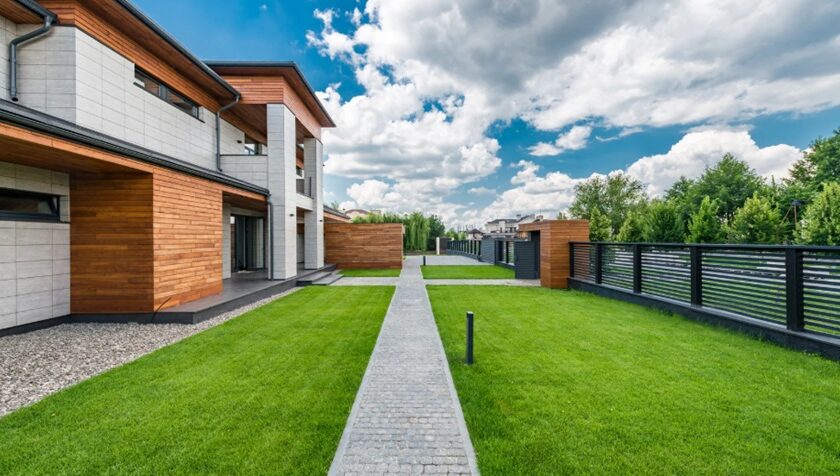
Landscaping has evolved from simple garden maintenance into a sophisticated art form that combines aesthetic beauty with functional design, transforming ordinary outdoor spaces into extraordinary havens that reflect personal style whilst significantly enhancing property values. Today’s homeowners increasingly recognise that thoughtful garden design represents one of the most rewarding investments they can make, delivering both immediate visual impact and long-term financial returns.

The Science Behind Successful Garden Design

Modern landscape architecture draws upon decades of horticultural research and environmental psychology to create spaces that not only look magnificent but also support local ecosystems and promote wellbeing. Professional garden designers understand that successful outdoor transformations require careful consideration of multiple factors:

  • Soil composition and drainage patterns – Understanding your garden’s foundation ensures plants thrive in their environment
  • Climate zones and seasonal variations – Selecting appropriate flora that flourishes year-round in your specific location
  • Natural light exposure throughout the day – Maximising photosynthesis whilst creating comfortable shaded areas
  • Existing architectural elements – Harmonising new plantings with your property’s established features
  • Future maintenance requirements – Designing sustainable gardens that remain beautiful with reasonable upkeep

Research conducted across various climate zones demonstrates that well-planned garden transformations can increase property values by up to 15%, making professional landscape design consultation a remarkably sound financial decision.

Creating Outdoor Living Spaces That Function Year-Round

Contemporary landscaping techniques focus heavily on creating functional outdoor rooms that extend your home’s living space beyond traditional boundaries. These carefully designed areas serve multiple purposes throughout changing seasons, offering flexibility that adapts to your family’s evolving needs.

Seasonal Adaptability Strategies:

  • Spring preparation zones – Dedicated areas for seasonal planting and garden preparation activities
  • Summer entertainment spaces – Shaded dining areas and comfortable seating arrangements for warm weather gatherings
  • Autumn harvest gardens – Productive spaces for growing vegetables and herbs that provide fresh ingredients
  • Winter interest features – Evergreen plantings and structural elements that maintain visual appeal during dormant months

According to industry research from Southeast Asian markets, including Singapore’s thriving landscape sector, “successful outdoor transformations typically incorporate both traditional design principles and innovative sustainable practices, creating spaces that reflect cultural values whilst embracing modern environmental consciousness.”

Sustainable Practices That Save Money Long-Term

Environmental stewardship has become central to modern landscape architecture, with eco-friendly approaches delivering both ecological benefits and substantial cost savings over time. These sustainable methodologies reduce ongoing maintenance expenses whilst supporting local wildlife populations.

Water-Wise Design Elements:

  • Native plant selections – Species naturally adapted to local rainfall patterns require minimal supplemental irrigation
  • Rainwater collection systems – Harvesting natural precipitation for garden irrigation during drier periods
  • Permeable hardscaping materials – Allowing natural water infiltration whilst preventing erosion and runoff
  • Mulching strategies – Organic ground covers that retain soil moisture and suppress weed growth

Professional landscape contractors increasingly recommend these approaches because they dramatically reduce long-term maintenance costs whilst creating more resilient garden ecosystems that withstand weather extremes and seasonal changes.

The Psychology of Colour and Texture in Garden Design

Understanding how different plants and materials affect mood and perception allows skilled designers to create outdoor environments that promote relaxation, creativity, and social connection. This psychological dimension of landscaping transforms gardens from mere decorative features into therapeutic spaces that enhance quality of life.

Colour Psychology Applications:

  • Cool blues and purples – Promoting calm reflection and peaceful meditation
  • Warm reds and oranges – Encouraging social interaction and energetic activities
  • Fresh greens in various shades – Providing restful backgrounds that reduce visual stress
  • White and silver accents – Creating sophisticated contrast and enhancing evening visibility

Texture variation through different leaf shapes, bark patterns, and hardscaping materials adds visual interest whilst creating tactile experiences that engage multiple senses, making gardens more immersive and memorable.

Technology Integration in Modern Landscape Management

Smart irrigation systems, automated lighting controls, and weather-responsive garden management tools have revolutionised how homeowners maintain their outdoor spaces. These technological advances reduce labour requirements whilst ensuring optimal plant health and garden performance.

Contemporary landscape installations often incorporate sensors that monitor soil moisture, ambient temperature, and sunlight exposure, automatically adjusting watering schedules and lighting programmes to maintain peak garden conditions with minimal human intervention.

Return on Investment: Why Professional Design Pays

While initial investment in professional landscape development may seem substantial, comprehensive cost-benefit analysis consistently demonstrates that quality garden transformations generate positive returns through multiple channels. Property value increases, reduced energy costs through strategic shade placement, and decreased maintenance expenses through proper plant selection combine to offset initial expenditures within several years.

Estate agents consistently report that properties with professionally designed outdoor spaces sell faster and command premium prices compared to homes with basic or neglected gardens, making landscape investment one of the most reliable home improvement strategies available.

Conclusion

Creating beautiful, functional outdoor environments requires balancing artistic vision with practical considerations, environmental responsibility with personal preferences, and immediate impact with long-term sustainability. Whether you’re planning a complete garden transformation or seeking to enhance existing outdoor areas, investing in professional landscape services represents a decision that pays dividends in beauty, functionality, and property value for years to come.


read more
Architect

The Benefits of Hiring a Landscape Architect for Large-Scale Projects

Landscape Architect

Large-scale landscaping projects are complex, multi-layered endeavors that require more than just aesthetic vision. They demand technical expertise, environmental understanding, and logistical planning. Whether it’s a corporate campus, a city park, or a commercial development, hiring a qualified landscape architect in Atlanta, GA, ensures that every element is designed with purpose and efficiency in mind. These professionals not only shape outdoor environments but also improve functionality, sustainability, and long-term value.

Investing in a landscape architect early in the project can make a measurable difference in outcomes, timelines, and return on investment. Their involvement guides decisions from the ground up—literally—ensuring the site evolves with intention.

Strategic Site Planning and Land Use

At the core of a landscape architect’s role is the ability to assess land conditions and determine the best use of space. This includes evaluating topography, soil health, drainage, sunlight patterns, vegetation types, and local zoning laws—all of which influence design feasibility and environmental impact. With this foundational knowledge, they can create cohesive site plans that maximize usability without compromising the ecosystem.

Their ability to foresee issues like flooding, soil instability, or vegetation stress allows them to plan ahead, ensuring that design solutions are not only visionary but also practical. By incorporating permeable surfaces, green buffers, and eco-conscious layouts, landscape architects help projects remain resilient and adaptable to changing environmental conditions.

Design that Balances Aesthetics and Function

Unlike basic landscape design, landscape architecture integrates infrastructure with creative expression. Architects create blueprints for open spaces that not only look appealing but also serve practical needs like traffic flow, stormwater management, shade optimization, accessibility, and public safety.

Whether it’s designing a shaded seating area, integrating walking trails, or installing bioswales for drainage, every component is purposefully arranged to enhance the user experience and ensure longevity. These spaces are not just designed to impress—they’re built to serve the community, withstand usage, and evolve gracefully over time.

Phased Project Execution

Large-scale projects often evolve in multiple phases. A landscape architect is instrumental in developing a roadmap that breaks the project into logical, manageable stages. This allows stakeholders to make budget-conscious decisions and adapt the plan as needs shift or new priorities emerge.

Understanding the practice stages of a landscape architecture design project provides insight into how the process flows, from initial site assessment and concept development to detailed documentation and construction observation. This structured approach is invaluable for maintaining clear direction, managing costs, and minimizing disruptions.

Coordination with Other Professionals

On large construction sites, collaboration is critical. Landscape architects act as a central point of coordination, bringing together civil engineers, city planners, architects, environmental consultants, and construction managers. Their job is to ensure that the landscape vision complements surrounding structures and integrates seamlessly with existing systems.

They also play a key role in advocating for sustainable features such as native planting palettes, efficient irrigation systems, solar lighting, and low-maintenance hardscaping. By working in tandem with other disciplines, landscape architects create unified, future-proofed environments that respect both client vision and environmental best practices.

Conclusion

For large-scale landscaping projects, hiring a professional landscape architect is not just beneficial, it’s essential. Their unique combination of technical precision, artistic insight, and environmental responsibility ensures outdoor spaces are not only beautiful but also practical, durable, and sustainable. From the early stages of planning through final execution, landscape architects guide the project with a holistic approach that delivers long-term success. By investing in their expertise, developers, municipalities, and property owners can create lasting outdoor environments that function effectively and inspire those who use them every day.

read more
Featured

The Role of Moisture Control in Effective Mold Remediation

Role of Moisture Control

In humid regions, persistent moisture is a primary driver of indoor mold growth. Without addressing this underlying issue, even professional cleanup efforts can fall short. Any thorough approach to mold remediation in Conyers GA must begin with controlling indoor dampness to achieve long-term success.

How Moisture Encourages Mold Growth

Mold spores are always present in the environment, but they need moisture to develop into full colonies. Water from plumbing leaks, roof damage, or humidity buildup provides the necessary conditions for mold to thrive. In poorly ventilated spaces like attics, crawl spaces, or basements, trapped moisture creates an ideal environment for rapid spread.

Once mold settles, it can compromise structural materials and impact indoor air quality. This is why identifying and eliminating water sources is not optional—it’s a requirement for any successful remediation plan.

Moisture Management Best Practices

Finding and Fixing Water Entry Points

Effective moisture control starts with locating the origin of water intrusion. This may include leaky pipes, basement seepage, or unsealed windows. Once these vulnerabilities are identified, timely repairs prevent recurring moisture buildup.

Treating Crawl Spaces

Crawl spaces are particularly prone to collecting humidity. Encapsulation, insulation, and drainage systems help mitigate this risk. Detailed guidance on crawl space water removal offers insights into how these areas can be reinforced against moisture intrusion.

Regulating Indoor Humidity

Keeping humidity levels below 60% is essential to discourage mold. Homeowners can use dehumidifiers, install exhaust fans in high-moisture areas like bathrooms and kitchens, and maintain HVAC systems to ensure proper airflow throughout the home.

Why Moisture Control Must Precede Remediation

Removing visible mold is only part of the solution. If the root cause—excess moisture—is ignored, mold will simply return. Moisture allows spores to reestablish quickly, making any cleaning effort ineffective unless underlying conditions are corrected.

DIY mold removal often fails for this very reason. Lacking professional-grade tools and knowledge, homeowners may spread spores inadvertently, causing broader contamination. Attempting to remove mold without addressing moisture issues can pose serious health hazards, particularly regarding the risks associated with do-it-yourself mold remediation efforts.

Long-Term Prevention Strategies

Once moisture has been brought under control, implementing preventive measures is key to avoiding future mold outbreaks. This includes:

  1. Sealing foundation cracks
  2. Ensuring proper drainage around the home’s perimeter
  3. Regularly inspecting roofing and plumbing systems
  4. Running dehumidifiers in prone areas like basements and crawl spaces

These strategies reinforce a dry, mold-resistant environment, ensuring the success of remediation work over time.

Conclusion

Moisture control isn’t an optional step in mold removal—it’s the foundation of an effective and lasting solution. Especially in areas with high humidity like Conyers, Georgia, targeting water intrusion and indoor dampness is essential for preventing recurrence. By combining remediation with comprehensive moisture management, homeowners can protect both their property and their health.

read more
Featured

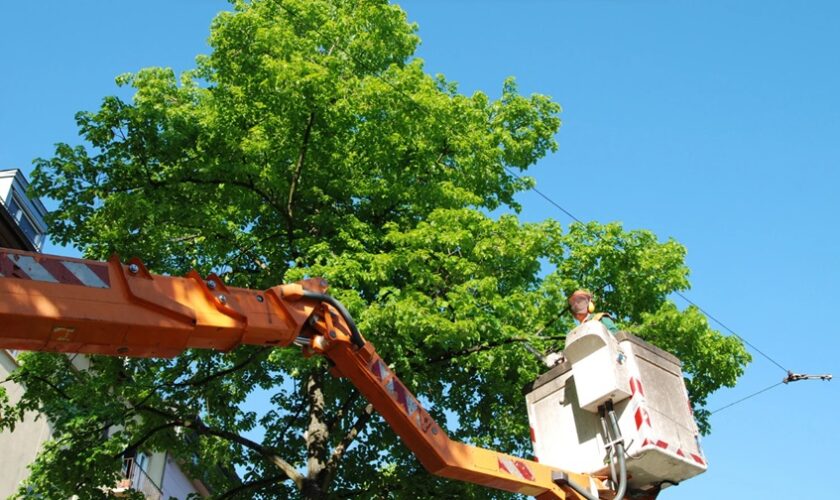
How Tree Trimming Reduces the Risk of Falling Branches and Ensures Safety

Tree Trimming Reduces

Trees are a wonderful addition to any property, offering shade, beauty, and natural appeal. However, over time, trees can grow too large or develop weak, dead, or overgrown branches that pose serious safety risks. The experts in tree trimming in Canton, GA, play a crucial role in reducing the risk of falling branches, preventing potential property damage, and ensuring the safety of your home and family. Regular tree trimming is important for maintaining the structural integrity of trees, minimizing hazards, and enhancing the tree’s overall health.

Reducing the Risk of Falling Branches

One of the main reasons for tree trimming is to reduce the risk of falling branches. As trees grow, their branches can become heavy, weak, or diseased. Over time, these branches may break off during storms or high winds, potentially causing serious damage to property, vehicles, or people. Tree trimming helps identify weak or damaged branches early on, allowing them to be removed before they can fall and cause harm. This preventative measure ensures that the tree remains structurally sound and reduces the likelihood of falling limbs.

Ensuring the Structural Integrity of the Tree

Another important benefit of tree trimming is maintaining the overall health and structure of the tree. When trees are not properly maintained, branches can grow in unpredictable directions, causing them to weaken and become more susceptible to breaking. Regular trimming helps shape the tree and encourages healthy growth. Understanding the key difference between an arborist and a tree trimmer is important in ensuring your tree’s safety. Arborists are trained professionals who focus on tree care and health, while tree trimmers may specialize more in cutting back overgrown branches.

Promoting Better Airflow and Light Distribution

In addition to improving safety, tree trimming promotes better airflow and light distribution. Overgrown branches can block airflow, leading to stagnant, damp conditions that can attract pests or diseases. Trimming allows air to circulate more freely through the tree, reducing the risk of disease and promoting healthy growth. It also allows sunlight to reach all areas of the tree, encouraging even growth and strengthening the tree’s overall structure. Improved airflow and light distribution not only contribute to the tree’s health but also help maintain the safety of your property. By preventing the buildup of moisture and ensuring that branches are not overcrowded, you reduce the likelihood of weak or falling branches caused by excessive weight or disease.

Tree Trimming vs. Tree Pruning: What’s the Difference?

It’s important to understand the difference between tree trimming and pruning. While both techniques involve cutting back branches, tree trimming typically focuses on maintaining the tree’s shape and removing any overgrown or dead branches. Tree pruning, on the other hand, is often used to remove specific branches to improve the tree’s overall health, such as those that are diseased or growing in the wrong direction. Tree pruning vs. tree trimming involves different approaches, but both are crucial for keeping your trees safe and healthy.

Conclusion

In conclusion, routine tree trimming is an essential part of maintaining the safety and health of your trees. Regular trimming reduces the risk of falling branches, enhances the tree’s structure, and helps maintain overall tree health. By removing dead, weak, or overgrown branches, you prevent potential damage to your property and ensure the safety of your home and loved ones. Whether it’s improving airflow and light distribution or simply reducing the risk of broken limbs, tree trimming plays an important role in preventing tree-related hazards and maintaining the beauty of your landscape.

read more
Featured

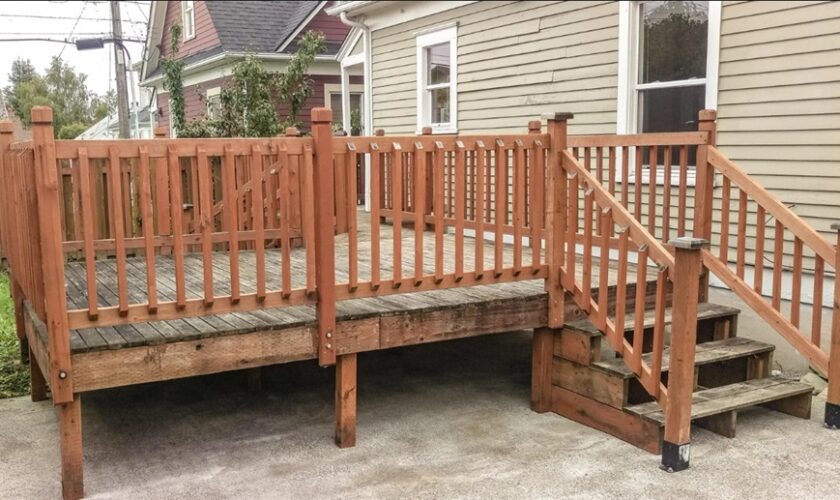
How Professional Deck Installation Enhances Property Value

Deck Installation

Adding a deck to your home is one of the most strategic improvements a homeowner can make. Not only does it offer immediate benefits like additional outdoor living space, but it also contributes to long-term property value. Especially when handled by experts, this type of home upgrade can significantly influence both aesthetic appeal and marketability. In fact, professional deck installation in Woodstock can transform an ordinary backyard into a sought-after feature, elevating the entire property’s profile. Deck installation is more than just a structural addition—it’s an investment that pays off in multiple ways.

Aesthetic and Functional Outdoor Living Spaces

Well-installed decks seamlessly extend indoor comfort to the outdoors, increasing usable square footage.

One of the main advantages of a professionally built deck is how it enhances the aesthetic of a home while providing a functional outdoor space. Whether it’s used for entertaining, relaxing, or dining, a deck offers versatility that appeals to potential buyers. Professionals ensure the design complements the home’s existing architecture, improving curb appeal and making the property more attractive overall.

Enhanced Durability and Safety Standards

Professional contractors follow stringent codes, ensuring the deck is not only beautiful but also safe and long-lasting.

Durability and structural integrity are paramount. A professionally installed deck undergoes careful planning and execution, with appropriate materials selected for the local climate and use. Experts also guarantee safety features like secure railings and foundational support. For instance, understanding the nuances between materials plays a crucial role—those considering options should explore insights on choosing the best decking material for your Canton home: wood vs. composite to make informed decisions aligned with longevity and appearance.

Increased Property Value Through Curb Appeal

A custom deck contributes to resale value by adding style, usability, and a luxurious first impression.

In many real estate markets, outdoor features like a professionally installed deck are major selling points. Buyers appreciate move-in-ready homes with finished exteriors, and decks are seen as a premium feature. With the right installation, homeowners can expect a high return on investment. A beautiful, sturdy deck often results in higher listing prices and faster sales, making it a wise financial decision.

Custom Design Options for Maximum ROI

Tailored features help meet lifestyle needs and appeal to wider buyer demographics.

When you work with seasoned professionals, customization becomes a major benefit. From multi-level designs to integrated lighting or built-in seating, the possibilities are vast. These features not only serve the homeowner’s lifestyle but also increase perceived value in the eyes of potential buyers. For those aiming to make the most of their backyard, consider how maximizing outdoor space with custom deck installation services can add both functional and financial rewards.

Conclusion

Professional deck installation stands out as a smart investment for homeowners seeking to increase property value. Beyond offering extra living space, it enhances the look and feel of a property while ensuring long-term durability and safety. Customization and expert craftsmanship lead to better marketability and potential resale advantages. When considering home improvements, a professionally installed deck is a standout choice for both immediate enjoyment and future gain.

read more
Renovations

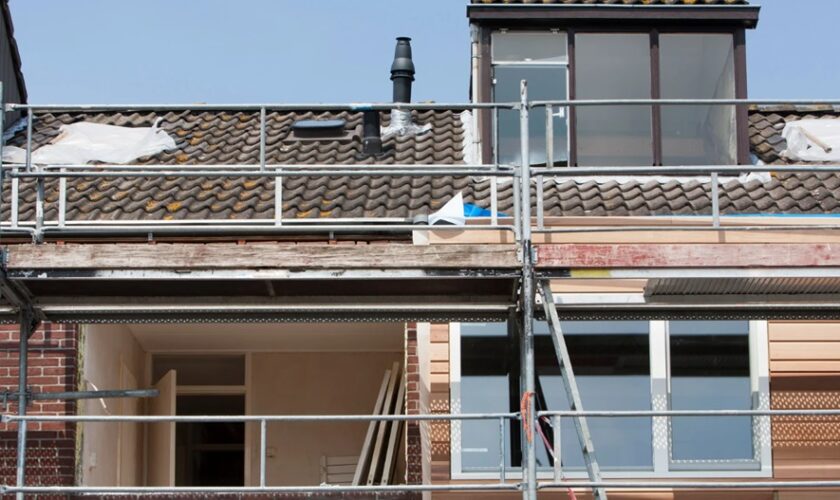
The Importance of Proper Drainage in Exterior Renovation Projects

Drainage in Exterior

When it comes to renovating the outside of your home, one of the most important aspects often gets overlooked—proper drainage. Whether you’re revamping your garden, installing a new patio, or updating your home’s exterior, ensuring water flows away from your property is essential. Experts in exterior renovations in Duluth often involve adding effective drainage solutions to protect your home and landscape from water damage.

Why Drainage Should Be a Priority

Water is one of the most destructive forces when it comes to your home’s foundation and landscape. Without the right drainage systems, rainwater can pool around the base of your home, seep into your basement, or even ruin outdoor structures like patios, walkways, and retaining walls. Over time, this can lead to serious issues like mold, mildew, or even structural damage that could cost you a lot to fix. Proper drainage during an exterior renovation helps keep water moving away from your house. This simple step can prevent water from collecting near the foundation, thus protecting your property and saving you from potential headaches in the future. In the end, it helps keep your home and yard looking great while also ensuring their safety.

Common Drainage Solutions for Exterior Renovations

1. French Drains

French drains are a go-to solution for redirecting water. These are essentially trenches filled with gravel and a perforated pipe that allows water to flow away from problem areas. If your yard tends to collect water in one spot, a French drain can make a big difference in keeping everything dry and avoiding erosion.

2. Grading the Yard

Grading your yard is another effective way to make sure water flows away from your foundation. This involves leveling or sloping your yard to ensure that rainwater runs off instead of pooling around the house. Proper grading is one of the simplest ways to avoid water buildup and ensure your foundation stays safe.

3. Gutters and Downspouts

A good gutter system is crucial for preventing water from running down the sides of your house. Properly placed downspouts will carry water away from the foundation, ensuring that your house stays dry, even during heavy rain. Regular cleaning and maintenance of gutters are necessary to ensure they’re always working properly.

4. Dry Wells

Dry wells are underground storage systems that collect excess water and allow it to gradually seep into the soil. If your property is prone to heavy rainfall, dry wells can provide an eco-friendly solution to prevent water from pooling around your foundation.

How Drainage Can Add Value to Your Home

You may not realize it, but proper drainage can actually boost the value of your home. A home with effective drainage systems not only looks better but is also less likely to suffer from long-term water damage. This translates into less maintenance and fewer repair costs down the road, making it a smart investment. When you’re considering the top ways exterior remodels add value to your home, making sure your drainage systems are in good shape is an easy win. Buyers are always looking for homes that are well-maintained and free from water damage risks. A good drainage system will give potential buyers peace of mind and make your property stand out in the market.

Conclusion

At the end of the day, adding proper drainage during your exterior renovation is an investment that pays off. Not only does it keep your home safe from water damage, but it also helps maintain the integrity of your outdoor spaces. From preventing flooding to enhancing your home’s value, the benefits of good drainage are clear. Planning your exterior renovation project involves setting a budget, choosing materials, planning proper drainage, and hiring reliable contractors. So, as you plan your next renovation, make sure that water management is at the top of your list. Taking care of it now will save you a lot of trouble and expense later on.

read more
Home improvement

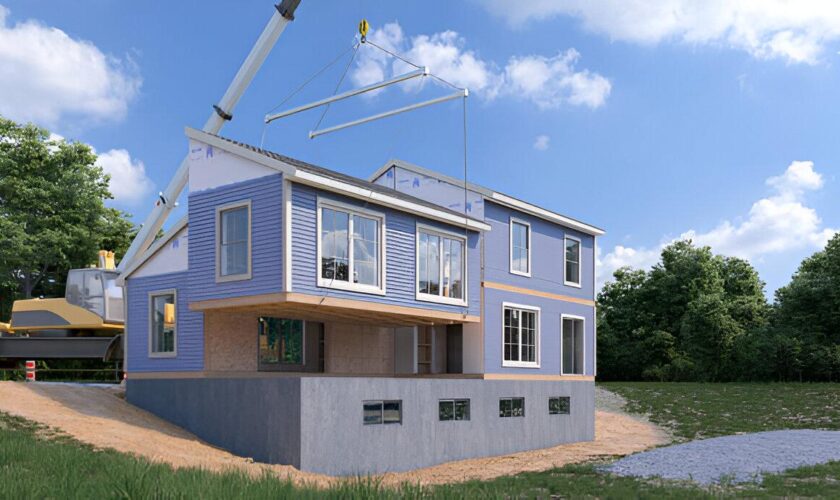
The Benefits of Modular Homes Compared to Traditional Builds

Modular homes have become an appealing substitute for traditional building techniques in an age of developing construction technology and rising demand for ecologically friendly housing. Built in pieces elsewhere and then put together on location, these houses provide a smart, effective route to house ownership that matches current living expectations.

Unlike conventional buildings, a prefabricated home is built in a regulated factory environment that greatly lowers waste and lowers the likelihood of weather-related delays. Leading this creative approach are companies such Vision Development, which produce energy-efficient, inexpensive-to-run residences needing little maintenance. Their dedication to quality provides a cost-effective and long-lasting option to conventional construction techniques.

Construction Speed and Efficiency

The rapid construction schedule is among modular homes’ main advantages. Rains, wind or shortage of materials do not impede construction since the structural components are built offsite. Modular houses can be made ready in a few weeks’ time just as opposed to traditional homes that may take up several months to one year to get complete. This makes them an ideal choice among the homeowners who would like to become comfortable in their new houses in as little time as possible without compromising quality or customization.

Speed also comes at no sacrifice to the character of modern, modular house has high-quality median finished and custom designed floorplans and architectural style that can outperform any wood framed home.

Cost Savings and Budget Control

Cost predictability is yet another major benefit. Unanticipated delays, material price hikes, or labor shortages cause hidden expenditures in conventional house construction. On the other hand, modular construction offers the advantage of simpler procedures, and easier procurement of bulk materials, thus ensuring the openness of costs and its stability.

If you are wondering how much to build a timber frame house. According to most homeowners there is often better value in a modular timber frame construction, especially due to reduced maintenance and utility bill costs. The factory-controlled environment ensures precision-built components that often last longer than those made on-site.

Environmental Sustainability

Modular homes are naturally more environmentally friendly than their conventional equivalents. Less waste is produced during precision manufacturing. Many modular home firms include high-performance insulation, solar readiness, and double-glazed windows among their elements among sustainable construction materials.

The modular design of these homes also lowers their carbon footprint over time by means of energy efficiency. For instance, vision development stresses sustainable design to guarantee homeowners profit from cheaper utility costs and a decreased environmental effect.

Adaptability and Personalization

Modular houses are specially tailored to fit personal tastes, personal needs, and restrictions based on location instead of being generic, essentially corner stone homes. Modular design has no bounds in terms of versatility, looking at the possibility of buying a small and basic retreat, or family home with fully modernized amenities and bedrooms.

Homeowners have the freedom to choose the layout, type of cladding, fixtures, and other indoor fittings. Furthermore, modular building easily adapts future expansion or alterations, which is difficult to achieve in customary builds.

To Conclude

From quicker deadlines and reduced costs to improved energy efficiency and lessened environmental effect, modular homes have several benefits over conventional construction. They signal a shift toward more intelligent, more sustainable living that fulfills the demands of contemporary homeowners. With reputable companies pouring into a modular home is not only a financially prudent choice but also one offering comfort, quality, and peace of mind for many years ahead.

read more
Home

Why Professional Countertop Fabrication Makes All the Difference

When upgrading a kitchen or bathroom, the countertop often becomes the centrepiece of the space. It not only adds style and elegance but also impacts functionality and durability. Choosing professional countertop fabrication ensures precision, longevity, and a perfect fit tailored to your needs. A trusted provider like https://www.olivasgranite.com/naperville/ brings craftsmanship and attention to detail that truly elevates the result.

Precision Cuts and Expert Measurements

Professional fabricators use advanced tools and techniques to measure and cut each countertop with incredible precision. Every edge, curve, and sink opening is tailored to fit seamlessly into the space. This level of accuracy prevents costly mistakes and ensures a clean, flawless installation. With custom fabrication, homeowners avoid the headaches of uneven edges or misaligned seams, giving the final result a polished and professional finish.

High-Quality Material Handling

Stone surfaces like granite, quartz, and marble require specific handling to preserve their integrity. Professionals understand how to manage these materials without causing cracks or imperfections during cutting and transport. Their knowledge of different stone characteristics allows them to recommend the best material for each project. Choosing https://www.olivasgranite.com/naperville/ means gaining access to a skilled team that treats each slab with care from start to finish.

Customization That Matches Your Vision

Every home is unique, and a one-size-fits-all approach doesn’t deliver the best results. With professional fabrication, homeowners can choose from a wide range of edge profiles, finishes, and design details. Whether it’s a waterfall edge or an undermount sink cut out, custom work brings your vision to life. Professionals work closely with clients to align the final product with both their aesthetic preferences and functional requirements.

Efficient Installation and Project Management

Hiring a professional fabricator streamlines the entire process from the first consultation to final installation. These experts coordinate timelines, handle logistics, and ensure all elements are ready for installation day. Their experience means fewer delays, better coordination with other contractors, and a smooth transition from planning to completion. This kind of project management brings peace of mind and ensures the job is done right the first time.

Lasting Value and Long-Term Satisfaction

Countertops are a long-term investment, and professional fabrication guarantees that they stand the test of time. High-quality workmanship means fewer repairs, less maintenance, and enduring beauty. Clients not only enjoy the immediate transformation of their space but also the confidence that their investment will hold up for years to come.

Choosing professional countertop fabrication is about more than appearanceit’s about quality, fit, and peace of mind. With experienced hands guiding the process, the results are not only beautiful but also built to last. The expertise and dedication from teams like https://www.olivasgranite.com/naperville/ ensure that your new countertop becomes a true asset to your home.

read more
Featured

Why Well-Planned Yard Drainage is Essential for Stormwater Management

Well-Planned Yard Drainage

Managing stormwater effectively is a critical aspect of protecting both residential properties and the surrounding environment. Without a proper drainage system in place, heavy rainfall can lead to flooding, soil erosion, foundation damage, and waterlogged lawns. Investing in yard drainage solutions in Cumming ensures long-term protection and efficiency, especially in regions prone to seasonal downpours.

A well-structured yard drainage plan does more than just redirect water—it prevents costly repairs, protects your landscape, and preserves the structural integrity of your property.

The Role of Yard Drainage in Stormwater Management

Yard drainage plays a pivotal role in mitigating the impact of heavy rainfall and runoff. When water accumulates in your yard, it can seep into the foundation or settle around structures, weakening their stability over time. Poor drainage also encourages the growth of mold, mildew, and pests, further degrading your home’s value.

An effective system channels water away from vulnerable areas and into proper discharge points using solutions like French drains, catch basins, or swales. These systems, when professionally installed, ensure water flow is controlled and consistent even during peak storms.

Importance of Planning and Professional Assessment

Before implementing a drainage system, a professional assessment of your property is vital. Factors like slope, soil composition, and existing landscaping must be considered to create a tailored solution that addresses both surface and subsurface water challenges.

Professionals may also identify contributing issues such as compacted soil or uneven grading. Addressing these proactively leads to better system performance and longevity. In some cases, adjusting your yard layout or adding gravel beds around the property can support these systems in maintaining dry and usable outdoor spaces.

Common Techniques for Yard Drainage

There are several effective techniques that professionals use to improve yard drainage. Some properties benefit from dry wells that temporarily store excess water underground, allowing it to seep slowly into the soil. Others may require more visible solutions like downspout extensions or grading adjustments to direct water away from the home.

More comprehensive systems include catch basins and trench drains to capture and divert water across wide areas. These methods are especially useful for properties with large surface runoff. The key is selecting a method that matches your unique site conditions and drainage challenges.

To gain insights on how tailored systems help in real-world scenarios, this overview of effective backyard drainage solutions highlights practical ways professional drainage planning prevents damage while improving yard usability.

Avoiding Soggy Yards and Long-Term Issues

Left unchecked, saturated yards become breeding grounds for plant disease and mosquito infestations. Water pooling can suffocate the grassroots and hinder plant growth, leading to unattractive and unusable spaces. Understanding how to prevent a soggy yard sheds light on the consequences of improper drainage and the subtle signs of underlying issues.

When moisture is constantly present, it can also seep into crawl spaces and basements, leading to expensive repair needs. That’s why early intervention with professional solutions is key—not just for immediate relief, but to avoid future risks.

Conclusion

Stormwater management starts with proper yard drainage. Whether you’re dealing with standing water, soil erosion, or foundation concerns, strategic drainage solutions prevent damage and promote a healthier environment. By choosing expert-designed systems tailored to your property’s layout, you invest in safety, efficiency, and peace of mind for years to come.

read more
Home

Designing a Home Cold Room: From Wine Cellar to Pantry

A home cold room is an increasingly popular feature in modern houses, offering an efficient, stylish, and convenient way to store perishables. Whether you’re a wine connoisseur looking to create the perfect cellar, a chef in need of a walk-in pantry, or simply someone who wants better food preservation, designing a cold room tailored to your needs can transform your home storage experience.

This article explores how to design a versatile home cold room—from a specialized wine cellar to a multipurpose pantry—and what key factors to consider.

Step 1: Define the Purpose and Type of Cold Room

The first step in designing a cold room is to identify its primary use. Will it be a wine cellar, a general food pantry, or a hybrid space?

  • Wine Cellar: Requires precise temperature control (typically 50–59°F or 10–15°C) and higher humidity (around 60–70%) to preserve wine quality and aging potential.
  • Pantry Cold Room: Needs slightly cooler temperatures (around 35–45°F or 1.5–7°C) with moderate humidity to keep fruits, vegetables, dairy, and meats fresh without freezing them.
  • Hybrid Cold Room: A versatile room can incorporate different zones or adjustable conditions to accommodate various items.

Once you’ve defined the purpose, it’s advisable to consult with a professional cold room manufacturer to ensure that the design complies with safety standards and energy efficiency requirements.

Step 2: Select the Location

Choose a location in your home that is naturally cooler and insulated from heat sources like direct sunlight, ovens, or heating ducts. Basements, garages, or unused closets are ideal. The space should have easy access from the kitchen or dining area for convenience.

Step 3: Insulation and Construction

Proper insulation is critical to maintaining stable temperature and humidity levels. Use high-quality cold room insulation panels on walls, ceiling, and floor—rigid foam or spray foam insulation works well. Walls may need to be vapor-sealed to prevent moisture infiltration.

Consider materials that help maintain a stable environment and resist mold, such as moisture-resistant drywall or specialized paneling. Floors should be non-porous and easy to clean, such as sealed concrete or tile.

Step 4: Cooling System and Controls

The cooling system is the heart of the cold room. For a wine cellar, a specialized wine cooling unit is recommended, designed to regulate humidity and prevent vibrations. For a pantry cold room, a commercial refrigeration unit or a high-quality residential cooling system with a thermostat is ideal.

Advanced cold rooms can include:

  • Digital controls: For precise temperature and humidity management.
  • Smart sensors: To monitor conditions remotely.
  • Ventilation: To maintain air circulation and prevent stale odors.

Step 5: Lighting and Shelving

Lighting should be soft, energy-efficient, and emit minimal heat to avoid affecting the room’s climate. LED lights are ideal.

Shelving design depends on your storage needs:

  • Wine Cellar: Use sturdy, slanted racks for bottle display and easy access.
  • Pantry Cold Room: Adjustable shelving with baskets, bins, and drawers to organize produce, dairy, and other goods.
  • Hybrid: Combine both types of storage for multifunctionality.

Materials such as stainless steel, wood treated for moisture resistance, or durable plastic work well.

Step 6: Additional Features

Consider integrating these extras for convenience and enhanced functionality:

  • Humidity control devices: To prevent drying or mold growth.
  • Dehumidifiers or humidifiers: Depending on the climate needs.
  • Sealing doors: Insulated doors with tight seals to minimize temperature fluctuations.
  • Alarm systems: Alerts for temperature deviations to protect your items.

Step 7: Maintenance and Energy Efficiency

Regular maintenance is essential. Clean shelves and floors frequently, check seals on doors, and ensure the cooling system is serviced periodically.

To improve energy efficiency:

  • Use LED lighting.
  • Insulate well.
  • Select energy-efficient cooling units.
  • Use a programmable thermostat.

Conclusion

Designing a home cold room offers exciting possibilities—from a dedicated wine cellar that ages your bottles perfectly to a spacious cold pantry that extends the life of your groceries. By carefully planning the purpose, location, insulation, cooling, and shelving, you can create a space that fits seamlessly into your home and lifestyle. Whether you’re a wine enthusiast or a home chef, a well-designed cold room adds value, convenience, and a touch of luxury to your household.

read more
1 2 3 4 5 6 15
Page 4 of 15