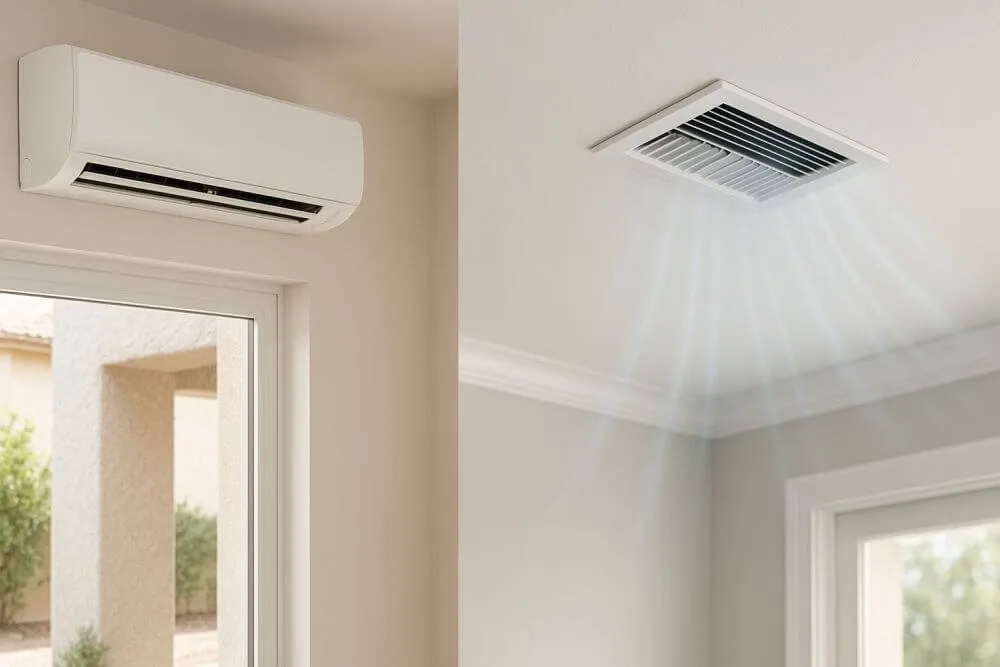
Choosing the right cooling system is one of the most important decisions homeowners make when upgrading or replacing their HVAC equipment. While traditional central air conditioning has been the standard for decades, ductless mini-split systems have grown in popularity thanks to their flexibility and energy efficiency.
The best option depends on your home’s layout, your budget, and your comfort goals. Whether you’re building a new home, renovating an older property, or replacing an outdated unit, understanding the differences between these two cooling solutions can help you make an informed choice. Homeowners researching central air conditioners Flemingsburg, KY often compare these systems to determine which one offers the best long-term value for their specific needs.
How Central Air Conditioning Works
A central air conditioning system cools your entire home using a network of ducts. The system includes an outdoor condenser, an indoor evaporator coil, and a blower that circulates cooled air through vents located in each room.
This setup is ideal for homes that already have ductwork installed. Once the thermostat reaches the desired temperature, the system distributes cool air evenly throughout the house, maintaining consistent indoor comfort.
Because central air cools the entire home at once, it provides a seamless experience with minimal temperature differences between rooms.
Understanding Ductless Mini-Split Systems
Ductless mini-split systems consist of an outdoor compressor connected to one or more indoor air-handling units. Instead of using ducts, refrigerant lines connect the outdoor and indoor components.
Each indoor unit operates independently, allowing homeowners to control the temperature in individual rooms or zones. This flexibility makes ductless systems especially attractive for homes without existing ductwork, room additions, garages, and converted basements.
Installation is generally less invasive than adding a full duct system since only a small opening is required for the refrigerant lines.
Installation Considerations
One of the biggest differences between these cooling options is installation.
Central Air
Installing central air is relatively straightforward if your home already has ducts in good condition. However, homes without existing ductwork may require significant remodeling to install air distribution channels, increasing both labor and material costs.
Ductless Systems
Mini-splits are much easier to install in homes without ducts. Indoor units can be mounted on walls, ceilings, or floors, making them adaptable to many different spaces.
If you’re adding cooling to a single room or an older home where installing ducts would be difficult, ductless systems often provide a practical solution.
Energy Efficiency
Energy efficiency is a major factor when comparing cooling systems.
Central Air Efficiency
Modern central air conditioners are far more efficient than older models, especially those with higher Seasonal Energy Efficiency Ratio (SEER2) ratings. However, ductwork can reduce overall efficiency if leaks or poor insulation allow cooled air to escape.
Properly sealed and maintained ducts help minimize these energy losses.
Ductless Efficiency
Ductless systems eliminate duct-related energy losses altogether. They also allow homeowners to cool only occupied rooms instead of the entire house, reducing unnecessary energy use.
Many mini-splits also feature inverter technology, which adjusts compressor speed based on cooling demand instead of constantly turning on and off. This can result in lower electricity consumption and improved indoor comfort.
Comfort and Temperature Control
Comfort goes beyond simply lowering the indoor temperature.
Central air systems provide consistent cooling throughout the home with a single thermostat. This works well for families who prefer maintaining one comfortable temperature across all rooms.
Ductless systems offer individualized climate control. Each indoor unit has its own thermostat, allowing different family members to customize temperatures in separate rooms.
This zoning capability is especially useful in larger households where personal comfort preferences vary.
Appearance and Space Requirements
Aesthetics can also influence your decision.
Central air systems remain largely hidden from view. The indoor components are concealed within walls, ceilings, and utility areas, while only supply vents are visible.
Ductless units, on the other hand, are mounted inside living spaces. Although modern designs are more compact and attractive than earlier models, some homeowners prefer the nearly invisible appearance of central air.
Outdoor space requirements are similar for both systems since each uses an exterior condenser unit.
Maintenance Needs
Both systems require routine maintenance to perform efficiently and extend equipment lifespan.
For central air systems, homeowners should:
- Replace air filters regularly.
- Keep outdoor units free of debris.
- Schedule annual professional inspections.
- Have ductwork inspected periodically for leaks.
Ductless systems also require regular filter cleaning and professional servicing. Because each indoor unit contains its own filter, homes with multiple zones may require more frequent cleaning.
Routine maintenance helps preserve efficiency and prevents unnecessary wear on either type of system.
Cost Comparison
Initial installation costs vary depending on the home.
Central air is often more affordable when existing ductwork is already in place. However, adding ducts to a home can substantially increase installation expenses.
Ductless systems usually have a lower installation cost for homes without ducts but may become more expensive if multiple indoor units are needed to cool an entire house.
Long-term operating costs depend on system efficiency, home insulation, local climate, and how frequently the system is used.
Which System Is Right for Your Home?
There is no universal answer because every home has unique requirements.
Central air may be the better choice if:
- Your home already has ductwork.
- You want consistent whole-home cooling.
- You prefer equipment hidden behind walls and ceilings.
- You plan to cool every room equally.
A ductless system may be a better fit if:
- Your home lacks ductwork.
- You’re cooling only certain rooms.
- You want independent temperature control.
- You’re adding climate control to an addition or converted space.
Many homeowners even combine both technologies, using central air for the main living areas and ductless units for additions, bonus rooms, or detached buildings.
Final Thoughts
Both central air conditioning and ductless mini-split systems offer dependable, efficient cooling when properly selected and maintained. The right choice depends on your home’s design, your budget, and how you use each living space.
Before making a decision, consider installation costs, long-term energy savings, maintenance requirements, and your family’s comfort preferences. Consulting with a qualified HVAC professional can help evaluate your home’s layout and recommend the solution that delivers the best balance of efficiency, performance, and value. By carefully weighing the advantages of each system, you’ll be better prepared to invest in a cooling solution that keeps your home comfortable for many summers to come.