Landscaping has evolved from simple garden maintenance into a sophisticated art form that combines aesthetic beauty with functional design, transforming ordinary outdoor spaces into extraordinary havens that reflect personal style whilst significantly enhancing property values. Today’s homeowners increasingly recognise that thoughtful garden design represents one of the most rewarding investments they can make, delivering both immediate visual impact and long-term financial returns.
The Science Behind Successful Garden Design
Modern landscape architecture draws upon decades of horticultural research and environmental psychology to create spaces that not only look magnificent but also support local ecosystems and promote wellbeing. Professional garden designers understand that successful outdoor transformations require careful consideration of multiple factors:
- Soil composition and drainage patterns – Understanding your garden’s foundation ensures plants thrive in their environment
- Climate zones and seasonal variations – Selecting appropriate flora that flourishes year-round in your specific location
- Natural light exposure throughout the day – Maximising photosynthesis whilst creating comfortable shaded areas
- Existing architectural elements – Harmonising new plantings with your property’s established features
- Future maintenance requirements – Designing sustainable gardens that remain beautiful with reasonable upkeep
Research conducted across various climate zones demonstrates that well-planned garden transformations can increase property values by up to 15%, making professional landscape design consultation a remarkably sound financial decision.
Creating Outdoor Living Spaces That Function Year-Round
Contemporary landscaping techniques focus heavily on creating functional outdoor rooms that extend your home’s living space beyond traditional boundaries. These carefully designed areas serve multiple purposes throughout changing seasons, offering flexibility that adapts to your family’s evolving needs.
Seasonal Adaptability Strategies:
- Spring preparation zones – Dedicated areas for seasonal planting and garden preparation activities
- Summer entertainment spaces – Shaded dining areas and comfortable seating arrangements for warm weather gatherings
- Autumn harvest gardens – Productive spaces for growing vegetables and herbs that provide fresh ingredients
- Winter interest features – Evergreen plantings and structural elements that maintain visual appeal during dormant months
According to industry research from Southeast Asian markets, including Singapore’s thriving landscape sector, “successful outdoor transformations typically incorporate both traditional design principles and innovative sustainable practices, creating spaces that reflect cultural values whilst embracing modern environmental consciousness.”
Sustainable Practices That Save Money Long-Term
Environmental stewardship has become central to modern landscape architecture, with eco-friendly approaches delivering both ecological benefits and substantial cost savings over time. These sustainable methodologies reduce ongoing maintenance expenses whilst supporting local wildlife populations.
Water-Wise Design Elements:
- Native plant selections – Species naturally adapted to local rainfall patterns require minimal supplemental irrigation
- Rainwater collection systems – Harvesting natural precipitation for garden irrigation during drier periods
- Permeable hardscaping materials – Allowing natural water infiltration whilst preventing erosion and runoff
- Mulching strategies – Organic ground covers that retain soil moisture and suppress weed growth
Professional landscape contractors increasingly recommend these approaches because they dramatically reduce long-term maintenance costs whilst creating more resilient garden ecosystems that withstand weather extremes and seasonal changes.
The Psychology of Colour and Texture in Garden Design
Understanding how different plants and materials affect mood and perception allows skilled designers to create outdoor environments that promote relaxation, creativity, and social connection. This psychological dimension of landscaping transforms gardens from mere decorative features into therapeutic spaces that enhance quality of life.
Colour Psychology Applications:
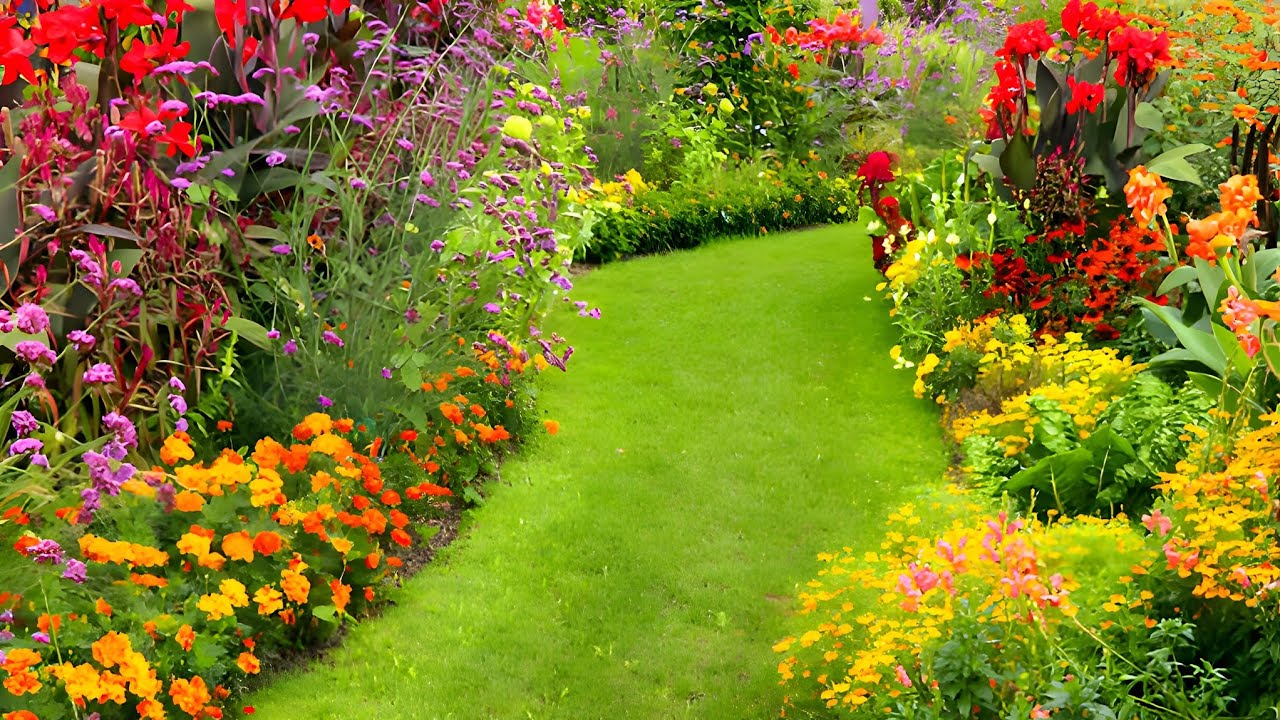
- Cool blues and purples – Promoting calm reflection and peaceful meditation
- Warm reds and oranges – Encouraging social interaction and energetic activities
- Fresh greens in various shades – Providing restful backgrounds that reduce visual stress
- White and silver accents – Creating sophisticated contrast and enhancing evening visibility
Texture variation through different leaf shapes, bark patterns, and hardscaping materials adds visual interest whilst creating tactile experiences that engage multiple senses, making gardens more immersive and memorable.
Technology Integration in Modern Landscape Management
Smart irrigation systems, automated lighting controls, and weather-responsive garden management tools have revolutionised how homeowners maintain their outdoor spaces. These technological advances reduce labour requirements whilst ensuring optimal plant health and garden performance.
Contemporary landscape installations often incorporate sensors that monitor soil moisture, ambient temperature, and sunlight exposure, automatically adjusting watering schedules and lighting programmes to maintain peak garden conditions with minimal human intervention.
Return on Investment: Why Professional Design Pays
While initial investment in professional landscape development may seem substantial, comprehensive cost-benefit analysis consistently demonstrates that quality garden transformations generate positive returns through multiple channels. Property value increases, reduced energy costs through strategic shade placement, and decreased maintenance expenses through proper plant selection combine to offset initial expenditures within several years.
Estate agents consistently report that properties with professionally designed outdoor spaces sell faster and command premium prices compared to homes with basic or neglected gardens, making landscape investment one of the most reliable home improvement strategies available.
Conclusion
Creating beautiful, functional outdoor environments requires balancing artistic vision with practical considerations, environmental responsibility with personal preferences, and immediate impact with long-term sustainability. Whether you’re planning a complete garden transformation or seeking to enhance existing outdoor areas, investing in professional landscape services represents a decision that pays dividends in beauty, functionality, and property value for years to come.