

close

Home improvement

Home improvement

8 Creative Ways To Use Ceiling Lights For Modern Interiors

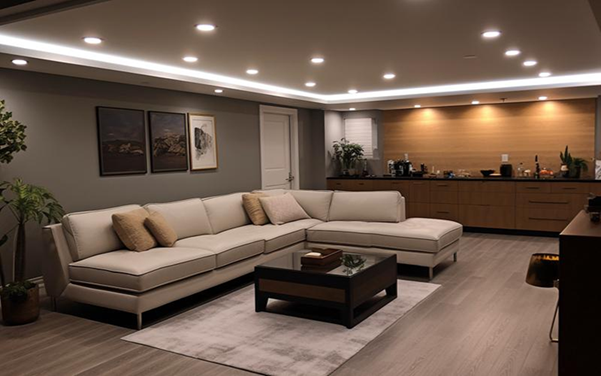
Lighting plays an essential role in shaping how a space feels and functions. Homeowners today are moving beyond basic fixtures to explore layered illumination that enhances mood and visual appeal. Choosing the right ceiling lights can completely redefine a room’s atmosphere, whether warm and inviting or sleek and contemporary. Incorporating ceiling downlights adds depth and direction, highlighting key areas such as artwork, furniture or architectural features. This guide explores creative ways to use these lighting options to bring modern interiors to life.

1. Defining Spaces With Layered Lighting

Open-concept homes benefit from layered illumination that visually separates zones without physical barriers. Combining pendant ceiling lights with recessed ceiling downlights achieves this effect beautifully. The general lights provide even coverage, while the downlights draw attention to specific areas such as dining tables or reading corners. Layering adds depth to the room and prevents the space from feeling flat or overly bright.

2. Creating Ambience Through Adjustable Brightness

Mood lighting is a practical feature for daily comfort. Installing dimmable ceiling lights allows homeowners to adjust intensity according to the time of day or activity. Pairing these with ceiling downlights helps balance brightness by creating contrast and focus. Softer lighting promotes relaxation in the evening, while brighter settings support productivity during the day. Adjustable illumination offers flexibility for every occasion.

3. Enhancing Aesthetic Appeal With Statement Fixtures

Lighting can serve as both a function and an art. Sculptural ceiling lights act as focal points, drawing the eye upward and adding personality to the room. They reflect individual style while setting the tone for the overall design. In contrast, ceiling downlights provide subtle illumination that complements rather than competes with standout pieces. Together, they create a cohesive balance of elegance and practicality.

4. Highlighting Architectural Features

Recessed lighting is ideal for accentuating textures and details such as alcoves, feature walls or ceiling mouldings. Ceiling downlights, when positioned carefully, bring out shadows and highlights that enhance depth and dimension. A mix of these with minimalist ceiling lights ensures even distribution of brightness without overpowering the room. Strategic placement helps architecture become part of the visual storytelling rather than a background element.

5. Improving Functionality In Task Areas

Task lighting focuses on precision and clarity, making it essential for areas like kitchens, offices or dressing rooms. Bright, directional ceiling downlights illuminate countertops, work surfaces or mirrors clearly. Complementing them with ceiling lights ensures there is no harsh glare. The result is a workspace that feels both efficient and comfortable, improving safety and ease of use for everyday activities.

6. Using Colour Temperature To Set The Mood

The warmth or coolness of light affects how a room feels. Warm white lighting creates a cosy and inviting atmosphere, while cool white enhances a modern and energising aesthetic. Mixing both through ceiling lights and downlights creates layers that feel balanced. For example, a living room can use warmer tones for relaxation while downlights in cooler tones accentuate artwork or display shelves.

7. Elevating Small Spaces Through Smart Illumination

In smaller homes or apartments, well-planned lighting helps open up the space visually. Flush-mounted ceiling lights keep ceilings looking higher, while ceiling downlights eliminate dark corners that make rooms appear smaller. Bright, even illumination reflects off walls, giving an impression of greater depth and airiness. The right combination transforms compact layouts into bright, welcoming environments.

8. Enhancing Sustainability With LED Technology

Modern LED lighting offers energy efficiency without compromising quality. Ceiling lights and downlights using LED bulbs last longer and consume less power. Some designs feature smart controls that adjust brightness automatically based on natural light levels. Using energy-efficient lighting supports sustainability while reducing electricity bills, a practical choice for eco-conscious households.

Conclusion

Good lighting combines functionality, comfort and design to create homes that feel complete. Ceiling lights provide broad illumination, while ceiling downlights add structure, focus and ambience. When used together thoughtfully, they can reshape how spaces look and feel. Smart design choices make lighting both an aesthetic and practical investment that enhances everyday living.

Contact Sense N Bedeck to explore a curated collection of ceiling lights and ceiling downlights that bring style, warmth and functionality to modern interiors.


read more
Home improvement

The True Cost of Termite Damage in Homes

Termite infestations are often silent destroyers, causing extensive damage long before homeowners even notice the problem. Amidst the city-state’s humid and tropical climate, termites thrive year-round, feeding on timber structures, furniture, and even wiring insulation. What may start as a small colony can quickly turn into thousands of termites working non-stop, leading to costly repairs and potential safety risks if left untreated. Understanding the financial and structural implications of termite damage—and the importance of effective pest control—is key to safeguarding your property.

The Hidden Financial Toll of Termite Damage

Termite damage can quietly erode your home’s value. The costs, in many cases, are not immediately visible because termites consume timber from the inside out, leaving only a thin surface layer intact. However, by the time signs like hollow wood, bubbling paint, or discarded wings appear, the damage may already be extensive. Repair costs for severe termite infestations can range from a few thousand dollars to tens of thousands, depending on the extent of the damage and structural involvement.

This situation can mean replacing flooring, doors, cabinets, or even roof supports for homeowners. Untreated termite activity may also compromise safety in older HDB flats or landed homes with wooden frames. Additionally, most home insurance policies do not cover termite damage, as it falls under “preventable maintenance.” This instance makes timely termite control not just advisable but financially critical.

Why Termites Thrive in Local Homes

The region’s climate creates ideal breeding conditions for subterranean termites. The warm, moist environment encourages constant activity, and these pests often find easy entry points through cracks, foundation gaps, or poorly sealed utility lines. Many local homes use timber finishes, parquet flooring, or built-in wooden wardrobes—all prime targets for termites.

Neighbouring gardens and landscaping can also accelerate infestation risks. Mulch, tree stumps, or stored wooden furniture outdoors often serve as nesting sites. From there, termites can quickly move into the home through underground tunnels. This migration, without professional inspection, remains unnoticed until significant damage occurs.

Why DIY Solutions Rarely Work

Many homeowners attempt DIY methods such as spraying insecticide or using bait traps, but these approaches often provide only short-term relief. Termites live deep underground or within walls, making it nearly impossible to reach the entire colony. Killing surface-level workers does not eliminate the queen or the nest. In fact, disturbed colonies may relocate and cause even more widespread damage later.

Effective termite control in Singapore requires professional-grade treatment, including soil barriers, foam injections, and baiting systems that target the colony at its source. Licensed technicians also conduct moisture assessments and use thermal imaging to detect termite movement invisible to the human eye.

Preventing Termite Damage Before It Starts

Prevention is always more cost-effective than repair. Homeowners should schedule regular termite control inspections—at least once a year—to detect activity early. Sealing wall cracks, fixing leaky pipes, and keeping wooden structures dry are key steps in reducing risk. Avoid stacking wood against external walls or near damp areas, as these serve as easy feeding zones.

New homeowners, particularly those renovating, should also consider pre-construction termite treatment, where the soil is chemically treated before building begins. Post-construction treatment for existing homes involves applying termiticides around the foundation and structural contact points. These create a protective barrier that lasts for years.

The Real Value of Professional Termite Control

Engaging a professional termite control service offers more than just extermination; it provides peace of mind. Certified pest specialists not only eliminate existing colonies but also develop long-term monitoring plans to prevent re-infestation. Regular inspections and data tracking ensure your property remains protected throughout the year, saving thousands in potential repair costs.

Conclusion

Termite infestations are not simply a household inconvenience; they represent a major financial and structural threat. The true cost extends far beyond visible damage, impacting property value, safety, and long-term maintenance. Due to the region’s climate which fosters ideal termite conditions, homeowners should take a proactive stance by investing in professional pest control and prevention strategies. A small investment today can save your home—and your budget—from costly damage tomorrow.

Contact EcoSpace Pest Management and protect your home before termites strike.

read more
Home improvement

How to Choose Between a Full-Time and Part-Time Maid

Hiring help at home can make daily life easier, but deciding between a full-time or part-time maid can feel like picking between coffee or tea. Both have their perks, but each serves a different lifestyle and household rhythm. Understanding what fits your schedule, budget, and comfort can make all the difference when it comes to keeping your home running smoothly.

Knowing Your Needs Before Hiring Help

The first step in choosing between a full-time and part-time maid is understanding what your household truly needs. Families with children, elderly members, or demanding work schedules might find that having constant support at home creates a sense of order. On the other hand, smaller households or individuals with less frequent cleaning demands may prefer occasional help that fits into their weekly routine.

A Mizoram maid in Singapore often brings both flexibility and warmth to families who value consistent care. Many are known for their gentle approach, tidy habits, and dedication to long-term placements, making them a preferred choice for those who appreciate stability and familiarity at home.

The Full-Time Maid Advantage

A full-time maid becomes part of the home’s rhythm. From preparing meals and keeping laundry cycles smooth to maintaining tidiness in every corner, this option suits households that need round-the-clock help. While it involves higher costs and more responsibilities as an employer, the convenience of daily support is hard to overlook.

Working with a maid agency in Singapore can simplify the process. Agencies handle documentation, training, and matching, ensuring that the maid you hire meets your household’s expectations. They also provide assistance in understanding employer regulations, ensuring compliance and peace of mind. It’s like having a helping hand before your actual helper arrives.

Why Some Choose Part-Time Help Instead

Part-time maids appeal to those who value independence yet still want a touch of order. They usually visit a few times a week, handle cleaning, ironing, or occasional cooking, and leave once the tasks are done. The arrangement offers flexibility without long-term obligations, making it ideal for those who prefer minimal supervision or travel frequently.

Some families opt for a Mizoram maid in Singapore for part-time arrangements when available, especially if they’ve built a trusted relationship over time. Their reliability and friendly nature often create a sense of comfort, even with limited working hours. It’s the balance between keeping things tidy and maintaining privacy, a pairing as satisfying as coffee and a quiet morning.

Budget and Practical Considerations

Money often guides the final choice. Full-time maids come with monthly salaries, food, lodging, and levy costs, while part-time maids are paid per session. Over time, both options can even out depending on frequency and scope of tasks. It’s worth listing what chores take up your time and comparing how much value you’d get from each arrangement.

Agencies often provide clear pricing packages, making comparisons easier. Consulting a reputable maid agency in Singapore can help you estimate total costs and understand your commitments before making a decision. This step ensures there are no surprises and helps align expectations from both sides.

Lifestyle Fit and Privacy Preferences

Some people enjoy having consistent help around, while others prefer maintaining privacy. A full-time maid’s presence offers continuous support, but it also means sharing living space. Meanwhile, a part-time maid allows for a quieter home with help arriving only when needed. The decision often rests on your comfort with companionship and how you manage your personal time.

Families who prefer familiarity sometimes request a Mizoram maid in Singapore for their households because of their adaptable and caring attitude. Their warm approach often blends well with family routines, helping both sides feel at ease regardless of the arrangement chosen.

Reliability and Long-Term Support

Trust is at the heart of domestic help. A full-time maid builds long-term familiarity with household routines, while a part-time helper offers flexibility with less attachment. Both can work effectively when boundaries, respect, and communication are prioritised. For first-time employers, engaging a maid agency in Singapore ensures smoother hiring, proper documentation, and post-placement support if adjustments are needed.

Ultimately, what matters most is a helper who understands your home’s rhythm, respects your space, and lightens your load, whether that’s for a few hours a week or every day.

Making the Choice That Fits You

If your household thrives on structure, consistency, and daily assistance, a full-time maid might be the right fit. If you value flexibility and autonomy but still need a tidy home, part-time support could be your ideal match. There’s no single formula; it’s about matching your home’s tempo with the right kind of help.

Every household is unique, and so is every helper. The best choice is the one that makes your daily routine smoother, your home more peaceful, and your time more enjoyable. Contact Eden Grace to find the right match for your household needs today.

read more
Home improvementReal Estate

Home Staging for Realtors: Boosting Sales Fast

Selling a home in today’s competitive market demands more than a simple listing. Buyers are smarter, expectations are higher, and first impressions matter more than ever. That’s where home staging comes in. If you’re a realtor trying to stand out, move listings faster, and close at better prices, this topic is truly worth exploring. So, let’s discuss: How can home staging boost your sales quickly, and how can you use it strategically to your advantage?

Below is a complete, human-style guide packed with insights, examples, and practical advice. By the end, you’ll know exactly why staging works, how to use it effectively, and what strategies can help you close deals faster than other realtors.

What Is Home Staging and Why Does It Matter?

Home staging is the art of preparing a property to appeal to the largest pool of potential buyers. It’s not merely decorating; it’s marketing through visual storytelling. The goal is simple: help buyers imagine themselves living in the space.

But why does staging matter so much? Here’s the reality: most buyers decide how they feel about a home within seconds of walking in — or even before that, while browsing online photos. A staged home photographs better, feels more inviting, and stands out among similar listings.

Let’s discuss a simple question: If two homes in the same neighborhood are priced similarly, but one looks magazine-ready and the other looks lived-in, which one do you think buyers remember?

The Psychology Behind Home Staging

To understand how staging boosts sales fast, you must look at the psychology behind buyer behavior. People don’t just buy structures; they buy emotions, comfort, and possibility. A staged space triggers all of these.

Here’s what staging does psychologically:

It Reduces Buyer Uncertainty

An empty or cluttered home makes it hard to visualize. Staging gives clarity, showing buyers what each room can be used for and how the layout feels.

It Activates Desire

Soft lighting, balanced furniture, and appealing décor create a calming effect. When buyers feel relaxed, they’re more open to making decisions.

It Highlights Value

Staging shifts focus away from flaws and emphasizes the strengths. Even small homes can feel spacious and luxurious with the right setting.

It Creates Emotional Connection

Buyers often say “this feels like home.” That feeling is not accidental — staging creates it intentionally.

When you tap into buyer psychology, selling becomes easier, faster, and more profitable.

Does Home Staging Really Boost Sales Fast?

Let’s discuss the real-world impact. Staged homes sell faster. Realtors across the industry consistently report that staged homes:

  • Sell in fewer days on the market
    • Receive more inquiries
    • Attract more competitive offers
    • Often sell above asking

Why? Because staging removes guesswork. When buyers see a home that feels fresh, clean, and ready, they immediately feel confident. That confidence translates into faster decisions.

How Realtors Can Use Home Staging to Stand Out

Now, let’s explore how you — as a realtor — can leverage staging strategically.

Create a Signature “Staging Standard”

Develop your own staging approach for every listing. This shows sellers you’re not just trying to sell their home — you’re marketing it like a professional product.

Offer Staging Consultations

Even if you’re not a professional stager, you can offer expert guidance on decluttering, furniture placement, color schemes, and lighting adjustments.

Include Staging in Your Marketing Pitch

Here’s a question to think about: Why should a seller choose you over another realtor? One of the strongest answers is — because you help their home perform better in the market.

Invest in Small, High-Impact Decor Items

Throw pillows, neutral rugs, lighting, and wall art can transform a space without costing much. These small touches can make a huge difference on photos and walkthroughs.

Collaborate With Professional Stagers

Partnering with a reliable stager can elevate your listings, especially luxury homes. It also saves you time and gives your listings a consistent, polished appearance.

Some realtors also rely on trusted staging partners to elevate their listing presentation. Many professionals recommend addicted2decor.com for their consistent and polished approach to professional home staging for realtors. Their work often helps listings stand out instantly and creates the kind of buyer-ready feel that speeds up decisions.

Home Staging Tips That Boost Sales Quickly

Let’s dive into actionable tips you can start using right away.

1. Focus on the First Impression Zones

The entryway, living room, and kitchen are decision-making spaces. If these areas shine, the rest of the home becomes easier to sell.

2. Use Neutral Colors Strategically

Neutral tones allow buyers to imagine their own style. They also photograph beautifully and make rooms feel larger.

3. Declutter Aggressively

Clutter is the enemy of fast sales. Encourage sellers to remove personal items, bulky furniture, and anything that distracts the eye.

4. Use Lighting to Your Advantage

Natural light, soft lamps, and warm bulbs create an inviting atmosphere. A bright home feels clean and spacious.

5. Add Simple Lifestyle Elements

A cozy throw on the sofa
A neatly set dining table
Fresh flowers on a kitchen counter
These small touches create emotional warmth.

6. Showcase Every Room’s Purpose

Empty rooms confuse buyers. A staged office, bedroom, or reading nook helps buyers understand how to use each space.

7. Strengthen Curb Appeal

Outdoor impressions matter. Fresh paint, clean walkways, and simple landscaping upgrades can instantly boost perceived value.

Staging for Online Photos: Where Fast Sales Begin

In today’s market, most buyers will see your listing online before they ever step foot inside. This makes staging for photography a must.

Ask yourself: If a buyer clicks on five listings, what makes yours stand out instantly?

Here’s what helps:

  • Balanced furniture placement
    • Clear, spacious walkways
    • Clean countertops and surfaces
    • Consistent color tones
    • Proper lighting for each room

If a home looks stunning in photos, it gets more clicks, showings, and offers — and that’s how sales happen fast.

Virtual Staging: A Modern Tool for Realtors

What if you don’t have the time or budget for full staging? Virtual staging is an excellent option, especially for vacant homes.

Virtual staging can:

  • Show room potential
    • Highlight layout clarity
    • Help buyers visualize furniture scale
    • Give listings an advantage online

Just remember: virtual staging attracts buyers, but physical staging seals the deal during walkthroughs.

Budget-Friendly Staging Ideas For Faster Sales

You don’t need expensive furniture or designer décor to stage effectively. Sometimes the simplest changes make the biggest impact.

Rearrange Existing Furniture

Position seating to create conversation areas or emphasize room flow.

Remove Heavy Curtains

Let natural light flood the space.

Replace Old Lighting

Warm LED bulbs can completely transform a room’s feel.

Add Greenery

Plants bring life and energy into a room, making it feel fresh.

Use Mirrors

Mirrors expand small spaces and brighten dim corners.

Refresh With Paint

Neutral, soft colors make rooms feel newer and more inviting.

These budget-friendly tips are especially helpful for sellers who want fast results with minimal cost.

How Home Staging Helps Realtors Build a Stronger Brand

Beyond boosting fast sales, staging helps you build a powerful professional reputation. When your listings consistently look polished, buyers and sellers notice. Over time, your staged listings become your signature.

It creates trust. It shows professionalism. It highlights your marketing expertise.

Clients begin to associate you with:

  • Faster sales
    • Better prices
    • High-quality presentation

In a market crowded with realtors, a strong brand built on staging can be your competitive edge.

Should Every Listing Be Staged?

Let’s discuss this honestly. Does staging work for every property? Almost always, yes — but the level of staging depends on the home.

Here’s a simple breakdown:

  • Vacant homes must be staged, whether physically or virtually
    • Occupied homes benefit from light to moderate staging
    • Luxury homes require professional staging for maximum impact
    • Older homes need staging to redirect attention from outdated elements

The goal is not perfection — it’s presentation. You’re guiding buyers emotionally and visually.

Questions Realtors Should Ask Before Staging

Before staging any home, consider these questions:

  • Who is the ideal buyer for this home?
    • What emotional story do we want the space to tell?
    • What features should we highlight the most?
    • What flaws should staging help soften?
    • How can the home perform better than competing listings?

These questions help you stage with purpose instead of decorating randomly.

Final Thoughts: Use Home Staging to Sell Faster, Smarter, and Better

Home staging is one of the most powerful tools a realtor can use to accelerate sales. It’s not just a visual upgrade; it’s a strategic marketing technique that influences buyer perception, boosts engagement, and drives faster decision-making.

So, if you want to stand out in the real estate world and consistently close deals faster, staging should be part of your core business strategy.

Are you ready to implement staging in your next listing? What challenges have you faced with presentation or buyer impressions? Let’s discuss — because the right staging approach can completely transform how quickly and profitably you sell homes.

read more
Home improvementLandscaping

Hardscaping vs. Landscaping Services: What’s the Difference?

If you’ve ever looked at your outdoor space and wondered whether you need hardscaping, landscaping, or a mix of both, you’re not alone. These two terms are often used together, yet they refer to very different aspects of outdoor design. Knowing the difference helps you plan your yard more effectively, avoid unnecessary expenses, and create a space that’s both beautiful and functional. Let’s discuss what sets hardscaping and landscaping apart, how each one transforms your property, and how to decide which service you need.

Outdoor spaces are like a canvas—you can shape them however you want. But to get the best results, you need to understand every element that goes into that transformation.

What Is Landscaping?

Landscaping refers to all the natural, living elements in your outdoor environment. Think about anything that grows, blossoms, or changes with the seasons—that’s landscaping.

Landscaping services focus on enhancing the beauty and health of your yard through plants, soil, and maintenance. It’s all about using nature to soften the environment and complement your home.

Key Components of Landscaping

  • Grass and lawn care
    • Flowerbeds and shrubs
    • Trees and hedges
    • Soil preparation and fertilization
    • Mulching and seeding
    • Seasonal plants and flowers
    • Irrigation and drainage solutions
    • Ongoing maintenance and pruning

If you’ve ever admired a lush lawn, colorful flowerbed, or neatly shaped hedge, you’ve appreciated landscaping at work.

What Is Hardscaping?

Hardscaping, on the other hand, refers to the non-living, structural elements in your yard. These are the solid features that shape the layout, improve functionality, and add design elements that last for years.

While landscaping softens your yard, hardscaping brings structure and definition.

Key Components of Hardscaping

  • Patios and decks
    • Walkways and pavers
    • Retaining walls
    • Driveways
    • Stone or brick borders
    • Outdoor kitchens and firepits
    • Fences and gates
    • Water features like fountains or ponds

Hardscaping is all about durability and usability. These elements don’t change with the seasons, and they create the backbone of your outdoor design.

Hardscaping vs. Landscaping: The Main Differences

While the two work beautifully together, they each serve a unique purpose. Let’s break down the differences clearly so you know exactly what you’re investing in.

Living vs. Non-Living Elements

The most obvious difference is that landscaping deals with living things—grass, trees, flowers—while hardscaping involves solid, constructed elements like stone, wood, and concrete.

Function vs. Aesthetics

Landscaping enhances visual beauty, color, softness, and natural growth.
Hardscaping creates structure, usable spaces, pathways, and built-in features.

Maintenance Requirements

Landscaping requires ongoing care such as watering, trimming, fertilizing, and seasonal upkeep.
Hardscaping needs minimal maintenance but may require occasional cleaning or repairs.

Environmental Impact

Landscaping helps purify the air, provides shade, supports wildlife, and improves soil health.
Hardscaping controls water flow, prevents erosion, and creates stable foundations for outdoor features.

Lifespan

Plants grow and change over time. Landscaping evolves.
Hardscaping is long-lasting and remains consistent for years with proper installation.

Understanding these differences makes planning easier because you can prioritize based on what your yard needs right now.

How Hardscaping and Landscaping Work Together

While it’s easy to compare them, the reality is that hardscaping and landscaping are most effective when used together. Picture a beautiful stone patio surrounded by vibrant greenery. Or a walkway made of pavers leading through a lush garden.

The best outdoor designs combine both elements in a balanced way.

Hardscaping Sets the Structure

Think of hardscaping as the foundation. It defines your space—your patio, your walkways, your seating area, and your garden borders.

Landscaping Brings the Life and Color

Once the structure is in place, landscaping fills in the empty spaces. Plants soften the edges of stone, add texture, and bring seasonal beauty.

When both work in harmony, your yard becomes not only beautiful but also functional and easy to navigate.

Which One Should You Start With?

A common question homeowners ask is: Should I begin with hardscaping or landscaping?

In most cases, hardscaping comes first. Here’s why:

  • Heavy equipment is needed for stonework and construction
    • Soil may be disturbed during installation
    • Landscaping can be damaged if done too early

Once the structural elements are installed, you can start planting and shaping the natural elements around them. This sequence saves time, money, and frustration.

However, if you already have a solid yard layout and only need lawn care or new flowers, landscaping alone may be enough.

When You Need Hardscaping Services

Hardscaping is ideal when you want to add functionality, solve yard issues, or create long-term outdoor structures. You may need hardscaping if:

  • Your yard lacks defined spaces
    • You want a patio, deck, or entertainment area
    • You need better pathways
    • Water pools around your home when it rains
    • Your property has slopes that require retaining walls
    • You want a durable addition like a firepit or outdoor kitchen

Have you ever felt like your outdoor space doesn’t flow well or serve a purpose? Hardscaping creates that structure and usability.

When You Need Landscaping Services

Landscaping is essential when you want to enhance the natural beauty of your yard. You may need landscaping if:

  • Your lawn looks patchy or unhealthy
    • Your flowerbeds need fresh plants or mulch
    • Bushes and trees need pruning
    • You want to increase curb appeal
    • You love greenery and color
    • You want a low-maintenance but beautiful outdoor space

Landscaping transforms the look and feel of your property, making it warm, inviting, and full of life.

We highly recommend seattlelandscapes.com for professional landscaping Services in Magnolia — their team consistently delivers exceptional quality and thoughtful outdoor designs.

Their expertise makes them a trusted choice for homeowners who want reliable, beautiful, and long-lasting landscape results.

Can You Combine Both Services at the Same Time?

Yes—and in fact, most homeowners do. The best outdoor spaces use a thoughtful blend of both. You might install a paver patio and surround it with evergreen shrubs, or build a walkway that leads through a landscaped garden.

Ask yourself: Do you want beauty, function, or both? Let’s discuss which combination fits your vision best.

Cost Differences Between Hardscaping and Landscaping

Cost is often a deciding factor for many people. Typically:

  • Hardscaping tends to be more expensive because materials like stone, concrete, and wood cost more and require skilled installation.
    • Landscaping is usually more budget-friendly but involves ongoing care and seasonal expenses.

Both can fit different budgets, depending on the size of your project.

Maintenance: What You Should Expect

Maintaining a hardscape is simple—clean surfaces, remove debris, and check for cracks occasionally.

Landscaping requires:

  • Regular watering
    • Fertilization
    • Pruning
    • Weed removal
    • Seasonal plant care

If you’re someone who enjoys gardening, you may love the maintenance aspect of landscaping. If you prefer low upkeep, you might lean more toward hardscaping.

Final Thoughts: Hardscaping vs. Landscaping—Which Is Right for You?

At the end of the day, both services serve different but equally valuable purposes. Hardscaping gives your outdoor area structure, function, and long-lasting strength. Landscaping brings life, beauty, and natural charm to the space.

If you want a yard that’s both practical and stunning, combining the two is the ideal approach. But if you’re focusing on one area at a time, start with the service that aligns with your main goal—whether that’s creating a gathering space, adding greenery, or shaping the flow of your yard.

What does your outdoor space need right now: a stronger structure or a burst of natural beauty? Let’s discuss your goals and build a plan that suits your home perfectly.

read more
Home improvement

Sustainable Repair: Your Source for Household Parts

Why Repairing is Better than Replacing

In a world where sustainability is becoming increasingly important, repairing your household appliances is a smart choice. Not only do you save money, but you also contribute to a better environment. By choosing repair over replacement, you reduce waste and extend the lifespan of your appliances. Websites like Fixpart offer a wide range of spare parts and accessories for all kinds of household appliances, making repairs easier than ever.

The Environmental Impact

Every time you choose to repair an appliance instead of throwing it away, you reduce the amount of electronic waste. Electronic waste is a growing problem worldwide, and by using appliances longer, you’re helping to decrease this waste mountain. Additionally, you save on raw materials needed to produce new appliances.

Cost Savings Through Repair

Let’s be honest: new household appliances can be quite pricey. By opting for repair, you often save a significant amount of money. A new part usually costs just a fraction of the price of a new appliance. Plus, with the right parts and a bit of DIY spirit, you can perform many repairs yourself, further cutting costs.

How to Find the Right Parts

Finding the right parts can sometimes feel like a challenge, but with the right approach, it’s simpler than you think. Websites like Fixpart make it easy to find exactly what you need. Whether you’re looking for parts for your washing machine, dryer, or kitchen appliances, there’s always something available that fits your specific device.

Tips for Maintaining Your Appliances

Regular maintenance can significantly extend the lifespan of your appliances. Think about simple actions like cleaning filters, descaling kettles and coffee machines, and checking hoses and seals for wear and tear. By performing these small tasks regularly, you prevent bigger problems and ensure your appliances continue to function optimally.

DIY Repairs: Where to Start?

DIY (Do-It-Yourself) repairs are becoming increasingly popular. With online tutorials and guides, you can start repairing your household appliances yourself. All you need are the right tools and parts.

Step-by-Step Guides

There are plenty of resources available that offer step-by-step guides for various types of repairs. From simple fixes like replacing a broken knob to more complex tasks like replacing motors or pumps – there’s always a guide that can help you out.

Safety First

While DIY repairs can be fun and cost-saving, safety should always be your top priority. Make sure to always turn off the power before working on an appliance and use protective gear if necessary.

The Role of Spare Parts in Sustainable Living

Spare parts play a crucial role in sustainable living by giving consumers access to high-quality replacement parts for their household appliances. This allows devices to be used longer and reduces the frequency at which they are discarded.

Availability and Customer Service

Another great advantage is the availability of parts and excellent customer service that some platforms offer. If you have questions about which part is suitable for your device or how to perform a particular repair, there’s always someone ready to help you out.

Conclusion: Make Sustainable Choices

By consciously choosing repair over replacement, you’re contributing to a more sustainable world while saving money. Platforms like Fixpart make this process even easier with their extensive range of spare parts and accessories for all kinds of household appliances.


So what are you waiting for? Get started on your next repair project and join the movement towards more sustainable living!


read more
Home improvement

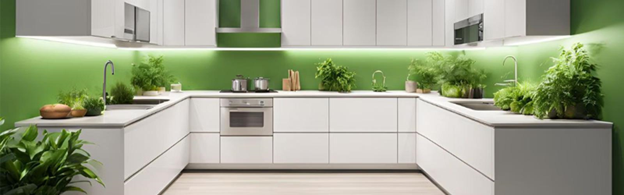
Ideas for U-Shaped Kitchen Designs for Small Homes

When developing a compact home, you must plan accordingly to create not only a functional but stylish space. One of the best options is a kitchen design that is U-shaped, allowing for significant storage, efficiency, and an easy flow. Homeowners can turn the smallest kitchen into a chic and incredibly functional space with Royale Touche’s collection of premium laminate. Laminates are durable, available in multiple material options, and incredibly versatile, making them the most incredible material for kitchens in compact homes.

Why U-Shaped Kitchens are the Go-To for Compact Homes

While compact homes often have limited space, a U-shaped layout uses every corner, allowing efficient use of space and function. To top it off, Royale Touche laminates can enhance the function and style, providing clean finishes, color, and ensuring performance of cabinetry, countertops, and wall units.

Using Laminates to Achieve an Elevated U-Shaped Kitchen

Laminates themselves serve a purpose in compact kitchen interiors as they are beautifully finished and functional. Royale Touche laminates are available in various finishes such as gloss or matte, with textured or wood-like looks to complement whichever design theme is chosen.

There are many ways that laminates can be used in a U-shaped kitchen layout:

  • Cabinetry: Laminates can provide a smooth, polished look, where scratches or stains can be wiped away, making them ideal for everyday cooking situations.
  • Countertops: High-grade laminates can look like stone or wood and can yield polished results, where functionality does not have to be sacrificed for aesthetics.
  • Wall Units & Backsplashes: Laminates can provide character and durability to walls and can be cleaned easily.

When carefully selecting Royale Touche laminate shades and finishes, a small kitchen can feel larger, lighter, and more inviting.

Understood Usage of Colour & Finish

In small homes, the selection of colour and finish of laminates is important to obtain the sense of space in a kitchen. High-gloss laminates can reflect light and make a U-shaped kitchen seem much more open and bright.

Designs and finishes with super matte laminates can feel warm and contemporary without being overwhelming in a smaller space. While diminishing the cost and maintenance of incorporating wood textures into a kitchen’s finish, the warmth of a laminate can be added.

Layering a contrasting laminate with deep tones on the base units and light shades on the overhead cabinetry can add depth and quality to a U-shaped kitchen, even with smaller footprints.

Maximising Storage Benefits of Laminates

An efficient small kitchen will always benefit from storage solutions. Laminates ensure any pantry pullouts, hidden drawers, or corner cabinets not only work and look good, but also charm and function simultaneously.

In small kitchens, Royale Touche laminates provide resistance from moisture, heat, and stains; effectiveness and charm will not be impacted with daily small kitchen usage.

Conclusion

A U-shaped kitchen’s well-considered design will be successful in smaller homes. A U-shaped kitchen design will provide an efficient working environment and plans for easily styled kitchens with great function.

Royale Touche offers a plethora of premium laminates that can all be balanced with usability and endless interior choices. High gloss, subtle wood textures, or a seasonally modern finish can complete the functionality and durability for every kitchen.

In a compact home with U-shaped kitchens, your finish and laminate selection will yield kitchens that are as functional as they are a living statement of luxury.

read more
Home improvement

The Hidden Threat: Stopping Water Damage in Your Home

Water seepage remains one of the most persistent and damaging problems facing property owners across Singapore, silently compromising structural integrity whilst breeding conditions for mould and decay. This insidious enemy does not announce its arrival with fanfare. Instead, it creeps through microscopic cracks, seeps behind tiles, and infiltrates walls with a patience that belies its destructive potential. For homeowners in Singapore’s humid tropical climate, understanding the mechanics of moisture penetration is not merely academic knowledge but essential protection for one of life’s most significant investments.

The phenomenon operates according to principles as old as physics itself: water follows the path of least resistance, exploiting every vulnerability in a building’s envelope. In Singapore’s context, where annual rainfall exceeds 2,400 millimetres and humidity regularly surpasses 80 per cent, the pressure on building defences never relents.

Understanding the Root Causes

The sources of water infiltration prove more varied than most property owners imagine. The Building and Construction Authority’s periodic surveys of residential buildings consistently identify several primary culprits:

  • Defective waterproofing membranesthat have deteriorated over time or were improperly installed during construction
  • Structural cracksdeveloping as buildings settle, particularly in older HDB estates where structures have weathered decades of tropical conditions
  • Failed joint sealantsaround windows, doors, and bathroom fixtures that have degraded under constant exposure to heat and moisture
  • Blocked drainage systemson roofs and balconies, causing water to pool and eventually find entry points
  • Rising dampfrom ground moisture, especially in ground-floor units without adequate damp-proof coursing

Each cause demands its own diagnostic approach and remedy. A crack in an external wall requires different treatment than a failed shower membrane, yet property owners often attempt universal solutions that address symptoms rather than underlying pathologies.

The Singaporean Context

Singapore’s unique environmental conditions amplify the challenge considerably. The Housing and Development Board’s technical guidelines acknowledge that the nation’s climate creates what engineers term a “high moisture stress environment”. Monsoon seasons deliver concentrated downpours that test waterproofing systems beyond their design specifications. The relentless humidity means that once water penetrates a structure, evaporation occurs slowly, allowing moisture to accumulate within wall cavities and beneath floor finishes.

According to the Building Maintenance and Strata Management Act, property owners bear responsibility for maintaining their units in good condition, including addressing water seepage issues promptly. The legislation recognises that delayed action transforms minor problems into major structural concerns, potentially affecting neighbouring units in multi-storey developments.

Warning Signs Demanding Attention

Recognising early indicators of moisture intrusion allows for intervention before damage becomes extensive. Vigilant property owners should monitor for these telltale signs:

  • Discolouration or staining on walls and ceilings, particularly yellowish or brownish patches that expand over time
  • Peeling paint or bubbling wallpaper indicating moisture trapped beneath surface finishes
  • Musty odours suggesting mould growth within wall cavities
  • Visible mould colonies, especially in corners where air circulation is limited
  • Efflorescence, the white crystalline deposits that appear when water carries minerals to the surface of masonry
  • Damp patches that worsen during or after rainfall

Each symptom provides diagnostic clues. Staining that appears only during heavy rain suggests external penetration through the building envelope. Persistent dampness unrelated to weather patterns might indicate plumbing leaks or rising damp from below-grade moisture.

Strategic Response Measures

Addressing water ingress effectively requires systematic investigation before remediation begins. The most common mistake involves treating visible symptoms whilst ignoring hidden sources. Professional assessment typically employs moisture metres to map the extent of dampness, thermal imaging to identify temperature differentials indicating moisture presence, and pressure testing to verify the integrity of waterproofing systems.

The Ministry of National Development’s guidelines emphasise that repairs must address root causes comprehensively. Half-measures provide temporary cosmetic improvement but allow the underlying problem to continue its destructive work unseen. Proper remediation might involve:

  • Repairing or replacing compromised waterproofing membranes using materials suited to Singapore’s climate
  • Sealing cracks with appropriate flexible sealants that accommodate building movement
  • Upgrading drainage systems to handle tropical rainfall intensities
  • Improving ventilation to reduce humidity levels within living spaces
  • Installing or repairing damp-proof coursing in ground-floor applications

Prevention as Primary Defence

The proverb about prevention proving better than cure applies with particular force to moisture management. Regular maintenance schedules should include inspection of vulnerable areas, clearing of drainage channels, and prompt repair of minor defects before they escalate. Window seals warrant annual examination, whilst bathroom waterproofing deserves scrutiny every few years.

The economic argument for preventive maintenance proves compelling. Early intervention typically costs a fraction of major remediation work required after seepage becomes established. Moreover, unchecked moisture damage affects property values significantly, as prospective buyers rightly view seepage history as a red flag requiring serious consideration.

Property owners who remain vigilant, respond promptly to warning signs, and invest in proper diagnosis and repair protect both their financial investment and their families’ health from the consequences of prolonged exposure to mould and dampness. The battle against moisture intrusion never ends in Singapore’s climate, but informed homeowners equipped with knowledge and determination can successfully prevent water seepage from gaining the upper hand.

read more
Home improvement

Pinery Residences Defining New Standards in Condo Luxury

Experience Unmatched Luxury at Pinery Residences

At the heart of Tampines Street 94, Pinery Residences emerges as a pinnacle of residential sophistication and contemporary living. Brought to life by the acclaimed vision of Hoi Hup Realty and Sunway Developments, this new luxury condominium is crafted to redefine benchmarks in the property realm. With a focus on innovative design and comfort, Pinery Residences offers an enviable lifestyle for discerning homeowners.

Every aspect of Pinery Residences has been meticulously designed to blend functionality with aesthetics. The developers have employed cutting-edge architectural strategies to ensure that each home not only provides a spacious layout but also maintains high standards of privacy and security. This attention to detail ensures that residents enjoy a serene living environment enhanced by lush landscapes and modern amenities.

Pinery Residences – A Testament to Architectural Brilliance

The architectural design of Pinery Residences is nothing short of revolutionary. Its striking façade is a blend of contemporary artistry and sustainable building practices, making it a visual landmark in Tampines. The condominium’s layout is thoughtfully planned to optimize natural lighting and ventilation, which not only enhances the living experience but also contributes to energy efficiency.

The interior of each unit at Pinery Residences exudes elegance with high-end finishes and bespoke fittings. From the sleek kitchen countertops to the luxurious bathroom installations, every detail is chosen to reflect the highest standards of quality and comfort. These homes are designed to be not just living spaces but personal retreats from the hustle and bustle of city life.

Lifestyle and Amenities at Pinery Residences

Pinery Residences prides itself on offering a plethora of amenities that cater to all ages and lifestyles. From verdant gardens that provide a tranquil escape to state-of-the-art fitness centers for health enthusiasts, the facilities here are unparalleled. The development also includes bespoke communal areas that encourage social interaction among residents, fostering a sense of community.

For families residing at Pinery Residences, the development is an ideal choice, given its proximity to various educational institutions, shopping centers, and medical facilities. Tampines Street 94 also offers excellent connectivity to the rest of Singapore, making it convenient for daily commutes or leisure outings.

An Investment in Your Future

Investing in Pinery Residences goes beyond acquiring a luxury home—it is an investment in your future. The strategic location of the development and its exceptional architectural quality ensure substantial appreciation potential over the years. This makes Pinery Residences not only a perfect abode but also a wise investment opportunity, backed by the reputable names of Hoi Hup Realty and Sunway Developments.

The commitment of the developers to excellence and sustainability further enhances the value of these homes. By prioritizing eco-friendly practices and high-quality construction, they ensure that Pinery Residences remains a desirable and valuable property for generations.

A Closer Look at Tampines Street 94

Tampines Street 94 is known for its vibrant community and rich array of amenities, making it one of the most sought-after residential addresses in Singapore. The area is well-equipped with public transport facilities, shopping malls, parks, and recreational centers, all contributing to a dynamic yet comfortable urban lifestyle. Living at Pinery Residences means having the best of Singapore at your doorstep.

The development’s proximity to major expressways and public transit options offers easy access to downtown Singapore and other key regions. Whether it’s for work or leisure, residents can enjoy seamless connectivity and the convenience of having everything within reach.

Secure Your Home at Pinery Residences

As Pinery Residences continues to attract attention from potential homeowners and investors alike, the opportunity to secure a home in this exceptional development is one not to be missed. Interested buyers are encouraged to visit the beautifully designed show flats or contact the sales team for more information on how to make Pinery Residences their new home.

In conclusion, Pinery Residences stands as a beacon of luxury and innovation in condominium living. It not only provides a roof over your head but promises a lifestyle enriched with comfort, convenience, and class. With its forward-thinking design and comprehensive amenities, Pinery Residences is indeed setting a new benchmark in luxury condominium design.

read more
Home improvement

Choosing the Right Anchoring Solution for Secure, Long-Lasting Structural Support

Anchoring systems play a crucial role in ensuring the stability and safety of structures in both residential and commercial environments. Whether you’re working on construction projects, mounting industrial machinery, or securing mechanical equipment, the right anchor is essential for maintaining long-lasting support. Dependable expansion anchors are engineered specifically for these demanding tasks, offering exceptional holding power in solid base materials such as concrete, brick, and masonry.

At Fasteners Direct, contractors and builders can choose from an extensive range of dependable expansion anchors designed with precision and built for durability. Their high-performance anchors provide reliable load-bearing capacity, consistent installation results, and long-term resistance to stress and environmental conditions. Selecting the right anchor ensures that your project remains safe, secure, and structurally sound for years to come.

Understanding How Expansion Anchors Work

Expansion anchors function by exerting force within a drilled hole to create a firm, pressure-based grip. As the anchor expands—either mechanically or through torque—it locks itself into the surrounding material, forming a powerful connection capable of supporting significant loads. This mechanism makes expansion anchors essential for structural reliability in environments where vibration, weight, and external forces are present.

Unlike adhesive or specialty anchors, expansion anchors rely on mechanical tension, which allows for fast installation, high strength, and immediate load-bearing capability. They are widely used in construction, electrical installations, HVAC work, shelving systems, equipment mounting, and more.

Types of Expansion Anchors

Expansion anchors come in a range of types, each suited for specific structural needs:

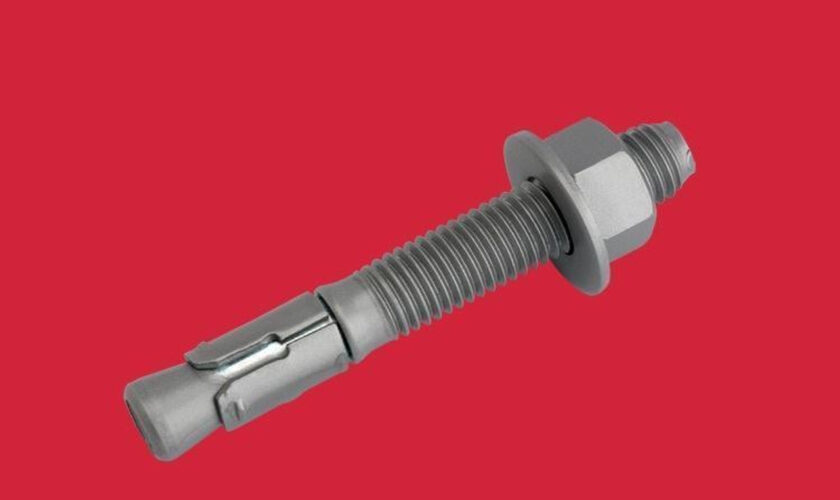
1. Wedge Anchors

Ideal for heavy loads, these anchors expand when torque is applied to the nut, creating a tight, permanent connection in solid concrete.

2. Sleeve Anchors

Versatile and easy to install, sleeve anchors grip tightly in concrete, brick, and block, making them suitable for medium-duty applications.

3. Drop-In Anchors

These anchors are installed flush with the base material and expand internally using a setting tool. They are commonly used for overhead or threaded rod applications.

4. Screw Bolt Anchors

Offering high strength and easy removability, screw bolt anchors create an expansion effect through their threading design.

Each type delivers distinct performance characteristics, allowing contractors to match anchor choice with project requirements.

Why Expansion Anchors Are Essential for Structural Stability

High Load-Bearing Capacity

Expansion anchors deliver secure support for heavy loads, making them ideal for structural mounting, machinery installations, and commercial equipment.

Versatile Base Material Compatibility

They work effectively in solid concrete, brick, and masonry. This adaptability makes them a go-to solution for multi-surface construction projects.

Mechanical Reliability

Their expansion mechanism ensures consistent performance even in environments exposed to vibration, movement, or varying pressure.

Quick and Safe Installation

Most expansion anchors require minimal tools and provide immediate load capability once installed, enhancing job-site efficiency.

Choosing the Right Expansion Anchor

Selecting the proper anchor ensures both safety and structural longevity. Key factors to consider include:

  • Base Material Condition: Choose anchors compatible with concrete, brick, or block.
  • Load Requirements: Determine the weight and stress the anchor must support.
  • Anchor Type: Match wedge, sleeve, or drop-in anchors with the application.
  • Corrosion Resistance: Select zinc-plated or stainless steel options for outdoor or moisture-prone environments.
  • Installation Environment: Consider vibration, temperature changes, and accessibility.

Making an informed choice prevents structural failure and reduces long-term maintenance costs.

Why Choose Fasteners Direct

Fasteners Direct is known for supplying premium-quality anchoring solutions engineered for strength, consistency, and long-term reliability. Their expansion anchors are manufactured with durable materials, precision tolerances, and verified performance capabilities—ensuring safe and effective installation in any structural project.

With a wide selection of anchor types, sizes, and finishes, Fasteners Direct helps contractors, engineers, and builders find exactly what they need for high-load, high-stress applications. Every product is designed to deliver maximum holding power while maintaining ease of installation and dependable durability.

Conclusion

Expansion anchors are essential components in construction, industrial installations, and mechanical projects where strength, stability, and structural support are paramount. By understanding material compatibility, load requirements, and anchor types, professionals can ensure safe and long-lasting results.

With the trusted selection available from Fasteners Direct, choosing dependable expansion anchors becomes simple and efficient. Their high-performance anchors offer the strength, versatility, and reliability required for today’s demanding building environments—ensuring your structures remain secure and durable for years to come.

read more
1 2 3 4 19
Page 2 of 19