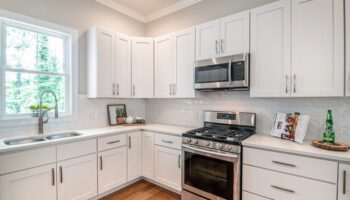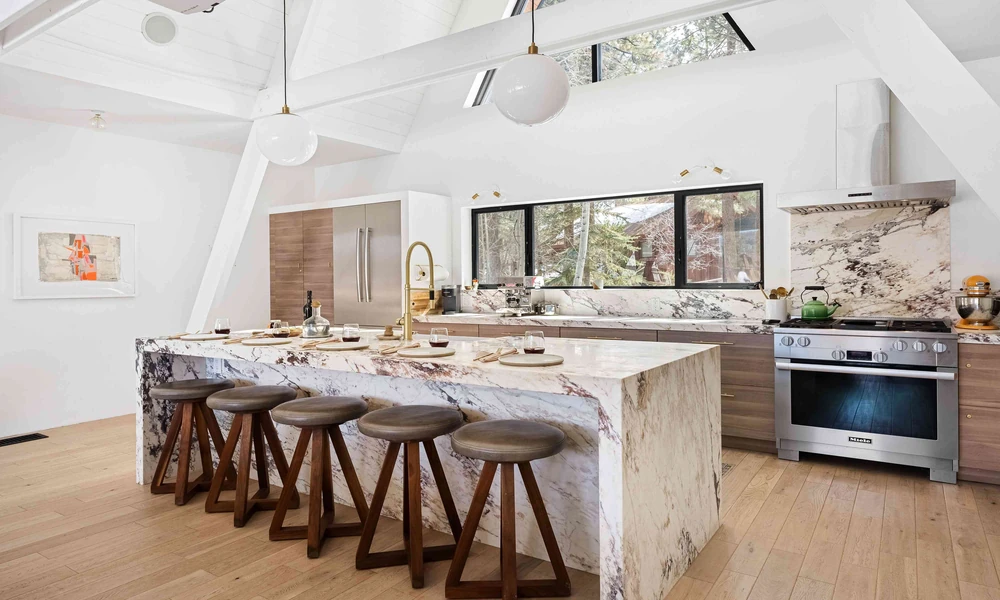
Modern white kitchens have long been associated with clean lines, bright spaces and timeless appeal. Yet today’s white kitchen designs are far more varied than the plain, clinical schemes people often imagine. With the right combination of materials, lighting, texture and layout, a white kitchen can feel warm, layered, contemporary and highly personal.
For many homeowners, white provides the perfect starting point. It reflects natural light, works with almost every style of property and creates a calm foundation that can be dressed up or pared back depending on the desired look. Whether you prefer a sleek handleless kitchen, a soft matt finish, a modern shaker style or a white and wood combination, the beauty of white is its flexibility.
If you are gathering ideas for modern white kitchens or exploring broader inspiration for light kitchens, it is worth thinking beyond colour alone. The most successful white kitchens are carefully planned around contrast, proportion, practicality and atmosphere.
Why White Kitchens Remain So Popular
White kitchens continue to be a strong choice because they offer both visual freshness and long-term versatility. Unlike some bolder colours, white is unlikely to feel tied to a short-lived trend. It can be adapted over time through new wall colours, lighting, stools, accessories, artwork or flooring, without needing to replace the main kitchen furniture.
White also works beautifully in a wide range of homes. In a modern extension, it can enhance rooflights, large glazing and open-plan architecture. In a period property, it can bring a sense of lightness while allowing original features to stand out. In smaller rooms, it can help the space feel more open and less crowded.
However, a modern white kitchen should not feel flat. The key is to introduce depth through different surfaces and finishes. This might include a warm white cabinet door, a stone-effect worktop, a textured splashback, wood shelving, brushed brass handles or dark accents for definition. These details prevent the design from feeling too stark.
Choosing the Right Shade of White
White is not a single colour. There are bright whites, soft whites, warm whites, cool whites, chalky tones, ivory shades and subtle off-whites. The right choice will depend on the room, the amount of natural light and the materials used elsewhere in the scheme.
A bright white kitchen can look crisp and architectural, especially in a contemporary space with plenty of daylight. However, in a north-facing room or a home with limited natural light, a brilliant white may feel too cold. In these situations, a softer white, porcelain tone or warm neutral can be more comfortable to live with.
Warm whites pair particularly well with wood, stone, ceramic finishes and brushed metal. Cooler whites can suit minimalist spaces, monochrome schemes and modern handleless cabinetry. Before committing, it is always worth viewing samples in the room itself, as the same shade can look very different depending on light, flooring and wall colour.
Matt, Gloss or Textured White?
The finish of a white kitchen has a major impact on the final result. Gloss white kitchens were once extremely popular because they reflected light and created a polished, modern look. They can still work well in the right setting, especially where a sleek and reflective finish is desired.
Matt white kitchens have become increasingly popular for homeowners who want a softer, more understated appearance. A matt finish reduces glare and often feels more refined. It works well with handleless doors, slab cabinets, shaker styles and contemporary open-plan layouts.
Textured white finishes can add even more interest. Subtle grain effects, ceramic-inspired surfaces, fluted details or lightly structured doors can give the design depth while keeping the overall look calm. This is especially useful in larger kitchens, where plain white cabinetry may otherwise feel too simple.
Pairing White with Wood
White and wood is one of the most effective combinations for a modern kitchen. White keeps the space bright and open, while wood adds warmth, grain and natural texture. Together, they create a balanced look that feels clean but not cold.
Wood can be introduced in several ways. A white kitchen with a wood island can create a strong focal point. Wood wall units or shelving can soften a run of tall white cabinetry. A wood breakfast bar can make an island feel more inviting. Even smaller touches, such as open shelving, display recesses or internal cabinet detailing, can help the design feel more layered.
Light oak is ideal for a relaxed, Scandinavian-inspired look, while walnut brings a richer and more luxurious feel. Mid-tone wood can work particularly well in family kitchens because it adds warmth without overpowering the space.
Adding Contrast with Dark Accents
A modern white kitchen often benefits from contrast. Without it, the room can lack structure. Dark accents help define the design and give the eye somewhere to rest.
Black, charcoal, graphite or bronze can be introduced through handles, taps, pendant lights, appliances, bar stools, framed glass cabinets or shelving. These details can make a white kitchen feel sharper and more contemporary without making the room dark.
For a softer approach, consider warm metallics such as brushed brass, aged bronze or champagne-toned finishes. These work especially well with warm white cabinetry, pale stone worktops and natural wood details. They add elegance without creating too much contrast.
Worktops and Splashbacks for White Kitchens
The worktop is one of the most important choices in a white kitchen. It has to be practical, but it also plays a major role in the overall appearance of the room.
A pale stone-effect worktop can create a seamless, elegant look. Marble-inspired surfaces with subtle veining can add sophistication, while concrete-effect finishes create a more industrial feel. For a stronger contrast, darker worktops can give the kitchen definition and make white cabinetry stand out.
Splashbacks also offer an opportunity to add character. A white kitchen can be paired with handmade-look tiles, glass, stone, porcelain, ceramic slabs or a full-height worktop splashback. Texture is often more effective than strong colour, especially if the aim is to keep the space calm and timeless.
Planning the Layout Carefully
A white kitchen may look simple, but the layout still needs careful thought. The best kitchens are designed around how the space is used every day. Cooking, preparation, storage, cleaning and seating all need to be considered.
In an open-plan room, white cabinetry can help the kitchen blend naturally with the surrounding living space. Tall white units can create a clean architectural backdrop, while an island can provide contrast, storage and a social gathering point.
In a smaller kitchen, white can make the room feel more spacious, but storage must be planned intelligently. Deep drawers, tall larders, integrated bins, corner solutions and appliance garages can all help keep worktops clear. A clutter-free white kitchen will always feel more elegant and functional.
Lighting Makes All the Difference
Lighting is particularly important in a white kitchen because it affects how the colour appears. Poor lighting can make white cabinetry feel dull or cold, while well-planned lighting can bring warmth, depth and atmosphere.
Natural light should be considered first. Large windows, rooflights and glazed doors can make a white kitchen feel bright and uplifting throughout the day. Artificial lighting should then be layered to support different tasks and moods.
Task lighting is needed for preparation areas, cooking zones and sinks. Ambient lighting helps soften the room in the evening. Feature lighting, such as pendants over an island or discreet lighting inside display cabinets, can add personality and warmth.
Keeping a White Kitchen Practical
Some homeowners worry that a white kitchen may be difficult to maintain, but this depends on the materials chosen. High-quality cabinet finishes, durable worktops and easy-clean splashbacks can make a white kitchen perfectly practical for family life.
Matt finishes may show marks differently from gloss finishes, so it is worth comparing samples and asking about maintenance before deciding. Worktops should be chosen with daily use in mind, especially if the kitchen is used heavily for cooking, entertaining or family routines.
Practical design details can also make a big difference. Integrated bins, well-planned storage, wipeable surfaces and sensible appliance placement all help the kitchen stay tidy and easy to use.
Making a White Kitchen Feel Personal
The best modern white kitchens are not plain or predictable. They feel personal because the details have been carefully chosen. This might include a statement island, a warm wood accent, a textured tile, a favourite handle finish or a beautifully lit display area.
Colour can also be introduced in subtle ways. Soft green walls, warm neutral flooring, natural stone, decorative lighting or upholstered stools can all change the mood of the room without taking away from the brightness of the white cabinetry.
A white kitchen gives you a flexible foundation, but the finishing touches are what make it feel like home.
Final Thoughts
Modern white kitchens remain popular because they are bright, adaptable and timeless. They can suit contemporary extensions, traditional homes, compact spaces and large open-plan rooms. However, the most successful designs are not simply white from top to bottom. They use texture, contrast, lighting and materials to create a kitchen that feels balanced and welcoming.
By choosing the right shade of white, pairing it with complementary finishes and planning the layout carefully, homeowners can create a kitchen that looks elegant and works beautifully for everyday life. Whether the final design is sleek and minimal or soft and layered, a modern white kitchen offers a versatile foundation that can remain stylish for many years.