In today’s modern households, maintaining a comfortable living environment is essential. With significant heat loss often occurring through openings, it is crucial to explore effective methods for enhancing your home’s insulation. The Energy Saving Trust highlights that as much as 25% of thermal leakage can be attributed to windows and doors.
This comprehensive guide delves into essential techniques for improving the insulation of your home. By focusing on the structural integrity of your units, you can effectively prevent cold air from entering during the harsh winter months. Furthermore, professional techniques can help secure your home against the elements, leading to a notable reduction in annual consumption levels.
Our expert analysis offers actionable advice for homeowners aiming to boost their property’s thermal performance. Emphasising sustainable maintenance strategies, this guide is designed to help you achieve a more comfortable living space while also being mindful of your environmental impact.
Key Takeaways
- Up to 25% of heat loss in homes can occur through openings.
- Improving insulation is vital for maintaining comfort.
- Professional techniques can significantly reduce energy consumption.
- Focus on structural integrity to prevent cold air ingress.
- Actionable advice can enhance thermal performance sustainably.
Introduction to uPVC Window Draught Proofing and Energy Efficiency
A well-insulated living space is vital for enjoying the winter months. It not only enhances comfort but also helps manage rising fuel costs. Research indicates that draughts are a primary contributor to high energy costs in homes during this season.
Identifying the specific source of draughts often involves feeling for cold air around the perimeter of your frames and door seals. Poorly fitted units or structural issues can lead to significant heat loss. This necessitates a thorough inspection of your home’s exterior envelope.
When cold air enters your living space, it often signals that the seals around your windows have begun to degrade. Effective insulation strategies not only improve comfort but also protect your home from long-term damage associated with damp and mould growth.
Benefits of uPVC Windows in Enhancing Home Energy Efficiency
Creating a pleasant atmosphere in a home is crucial for overall well-being. Modern installations can significantly transform living spaces. Homeowners can enjoy improved comfort while simultaneously lowering their monthly bills.
Upgrading to higher-rated models offers substantial financial benefits. For instance, transitioning from G-rated to A+ rated installations can save hundreds of pounds annually for an average semi-detached home.
Here are some key advantages:
- Improving insulation helps lower monthly bills while maintaining a consistent indoor temperature.
- Investing in quality draught proofing often results in a noticeable increase in comfort during the coldest months.
- Long-term savings arise from reduced reliance on heating systems, positively impacting annual expenditure.
- Modern designs act as thermal barriers, ensuring that the heat you pay for stays inside your home.
| Window Rating | Annual Savings (£) | Comfort Level |
|---|---|---|
| G-rated | 0 | Low |
| C-rated | 100 | Medium |
| A-rated | 300 | High |
| A+ rated | 500 | Very High |
Understanding Common Causes of Draughts in uPVC Windows
Creating a welcoming space is essential for enhancing the quality of life. However, over time, certain factors can compromise this comfort. Understanding the common causes of draughts is crucial for maintaining a cosy home.
Standard installations typically last around 20 to 30 years. During this time, components may experience wear and tear, impacting their ability to insulate effectively. Here are some common issues:
- Natural wear can lead to a decline in thermal insulation.
- Weathering may cause frames to warp or seals to perish, resulting in draughts.
- Regular monitoring of your units is vital to prevent structural damage.
- Ageing materials often fail to maintain a tight seal, increasing heat loss.
- Identifying signs of degradation early allows for timely repairs, saving costs in the long run.
By being proactive, homeowners can ensure their living spaces remain comfortable and inviting.
Step-by-Step Guide: uPVC window draught proofing and energy efficiency UK
Achieving a comfortable indoor climate requires attention to detail and effective sealing techniques. This guide outlines the necessary tools and materials required to perform effective draught proofing on your existing frames.
Tools and Materials Required for a Successful Job
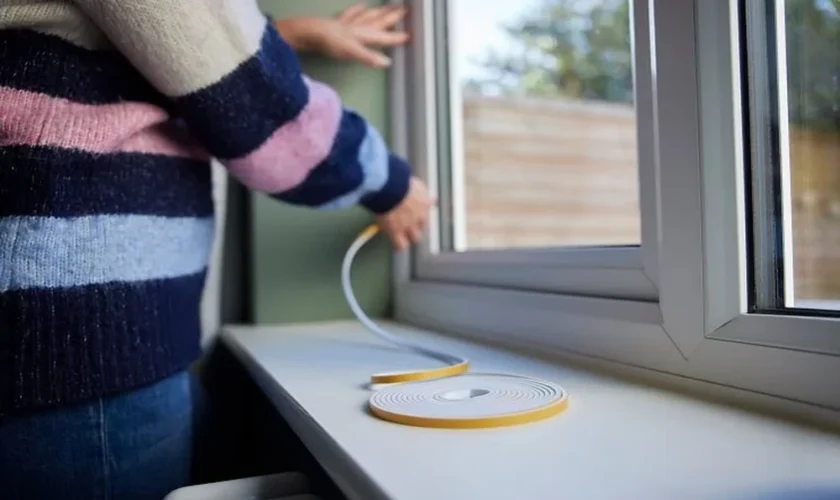
- Weather-stripping: A common DIY solution for sealing gaps, though it is generally considered a temporary fix.
- Silicone-based sealant: Ideal for closing small cracks that allow cold air to penetrate your home.
- Utility knife: Useful for cutting weather-stripping to the desired length.
- Cleaning supplies: Ensure surfaces are dust-free for better adhesion of sealing materials.
Effective Techniques for Sealing Gaps and Cracks
When sealing gaps, it is important to select the correct size of weather-stripping to ensure a snug fit against the frame. Proper preparation, including cleaning the surface to remove dust, is vital for ensuring that your chosen sealing materials adhere correctly.
Following these steps will help you maintain the efficiency of your units while preventing the ingress of unwanted air. Remember: a well-sealed home not only enhances comfort but also reduces heating costs.
Choosing the Right Draught Proofing Materials for uPVC Windows
The choice of sealing materials can greatly influence indoor comfort. When selecting options for your home, it’s essential to consider durability and ease of installation.
Foam strips are often the most affordable option for DIY insulation. However, they may need replacing more frequently than metal or plastic alternatives.
Metal and plastic strips usually come with integrated brushes or wipers. This design provides a superior level of insulation compared to basic foam options.
Choosing the right materials for your specific window type is crucial. Some strips may not be suitable for sliding sash windows.
Always measure the gap width accurately before purchasing your sealing strips. This helps avoid the common issue of the material being crushed.
Investing in high-quality materials ensures a more durable solution for maintaining the thermal integrity of your units.
“The right materials can significantly enhance your home’s comfort.”
| Material Type | Durability | Cost |
|---|---|---|
| Foam Strips | Low | Low |
| Metal Strips | High | Medium |
| Plastic Strips | Medium | Medium |
Maintenance Strategies for Prolonged Window Efficiency
Caring for your window structures is vital to maintain comfort and efficiency. Regular maintenance helps to prevent issues that could lead to draughts over time. A proactive approach ensures that your home remains cosy throughout the seasons.
Routine care for frames, hinges and seals
To keep your windows in optimal condition, consider the following maintenance tips:
- Clean window hinges: Perform this task at least once a year to prevent dirt and rust accumulation, which can lead to misalignment.
- Monitor for misalignment: If hinges feel stiff or misaligned, it may indicate a need for professional cleaning or adjustment.
- Maintain seals: Regularly check and maintain the seals around your windows to ensure they provide optimal performance throughout changing seasons.
When to seek professional repair and advice
There are times when simple cleaning will not resolve persistent draughts. In such cases, it is crucial to seek expert advice:
- Regular inspections can help identify potential faults in your window hardware before they lead to significant heat loss or security concerns.
- Consulting a qualified professional can provide tailored solutions for more complex issues.
Innovative Upgrades and Customisation for uPVC Windows
Exploring new options can significantly improve the thermal performance of living spaces. One effective method is the installation of secondary glazing. This solution is ideal for listed properties where replacing original frames is not allowed. It enhances insulation without compromising the character of the home.
Additionally, advanced sealants can create a robust barrier against external elements. This further boosts the overall performance of existing installations. Homeowners can also consider customisation options that allow them to maintain their property’s aesthetic appeal while integrating modern technology.
- Secondary glazing effectively enhances thermal performance without altering the property’s character.
- Advanced sealants provide a strong barrier against the elements, improving overall performance.
- Customisation options help maintain aesthetic appeal while utilising high-performance technology.
- Upgrading glazing can reduce noise pollution, enhancing overall comfort.
- These innovative solutions ensure homes remain warm and secure, even when traditional replacements are not viable.
Industry Insights from Window Doctor UK and Expert Consultation from Window Doctor
Ensuring your home remains comfortable and efficient is a key concern for many homeowners. The experts at Window Doctor UK offer valuable insights into selecting the right products that can significantly enhance your home’s thermal performance.
Consulting with a specialist from Window Doctor can help you navigate the complex range of options available in the market today. This ensures you make informed choices tailored to your specific needs.
Advanced tips from experienced industry professionals
- Industry professionals at Window Doctor UK provide invaluable guidance on selecting the right products to improve your home’s thermal performance.
- Consulting with a specialist from Window Doctor allows you to navigate the complex range of energy efficiency options available in the current market.
- Experienced installers recommend regular maintenance to ensure that your windows continue to function correctly and prevent the ingress of cold draught.
- Expert advice is essential when planning a full-scale renovation to ensure that your new windows meet the highest standards of energy efficiency.
- By leveraging professional insights, you can make informed decisions that will benefit your home and reduce your energy consumption for years to come.
For expert advice on high-performance installations and energy-saving solutions, contact the team at Window Doctor UK at 0114 257 1200.
| Service | Description | Contact |
|---|---|---|
| Consultation | Expert advice on product selection | 0114 257 1200 |
| Installation | High-performance window installations | 0114 257 1200 |
| Maintenance | Regular checks to ensure optimal performance | 0114 257 1200 |
Comparing uPVC Windows with Traditional Materials for Energy Efficiency
In an era of rising energy costs, the need for effective thermal solutions has never been more pressing. Homeowners are faced with choices that impact comfort and sustainability. When evaluating options, modern double glazing emerges as a frontrunner.
Compared to traditional timber, the low thermal conductivity of modern materials makes them a superior choice. This feature enhances overall performance, reducing heat loss significantly.
The multi-chambered design of contemporary models traps air effectively, providing an advantage over older, single-glazed installations. Moreover, high-quality units contribute to lower carbon emissions by minimising the amount of energy required for heating.
Unlike timber, which may warp over time, these modern materials maintain their shape and seal. This ensures that heating bills remain manageable, offering peace of mind for homeowners.
Investing in double glazing is a proven way to future-proof your home against rising prices while enhancing overall comfort.
Conclusion
Maintaining a warm and inviting home is essential for overall comfort. Effective draught proofing plays a vital role in reducing the impact of rising energy bills. By addressing gaps around your doors and windows, you can significantly enhance your property’s insulation throughout the year.
Whether opting for simple draught excluders or investing in new secondary glazing, every action helps to minimise heat loss. If your current installations are beyond repair, replacing them with modern alternatives is a long-term investment that boosts both comfort and property value.
Consulting with experts like Window Doctor UK ensures your home remains secure and energy-efficient. Taking these proactive measures will help maintain a cosy sanctuary, regardless of the weather outside.