close

tables

Home improvement

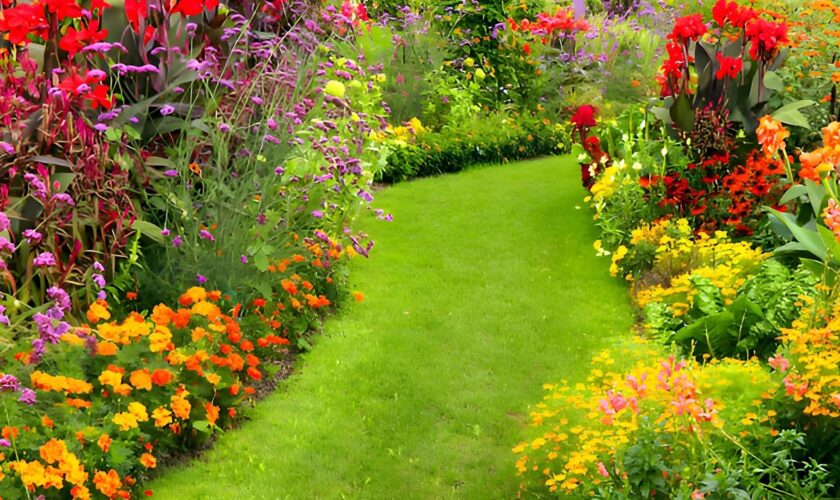
Transform Your Outdoor Space: The Ultimate Guide to Creating a Garden Paradise That Adds Value to Your Property

Landscaping has evolved from simple garden maintenance into a sophisticated art form that combines aesthetic beauty with functional design, transforming ordinary outdoor spaces into extraordinary havens that reflect personal style whilst significantly enhancing property values. Today’s homeowners increasingly recognise that thoughtful garden design represents one of the most rewarding investments they can make, delivering both immediate visual impact and long-term financial returns.

The Science Behind Successful Garden Design

Modern landscape architecture draws upon decades of horticultural research and environmental psychology to create spaces that not only look magnificent but also support local ecosystems and promote wellbeing. Professional garden designers understand that successful outdoor transformations require careful consideration of multiple factors:

  • Soil composition and drainage patterns – Understanding your garden’s foundation ensures plants thrive in their environment
  • Climate zones and seasonal variations – Selecting appropriate flora that flourishes year-round in your specific location
  • Natural light exposure throughout the day – Maximising photosynthesis whilst creating comfortable shaded areas
  • Existing architectural elements – Harmonising new plantings with your property’s established features
  • Future maintenance requirements – Designing sustainable gardens that remain beautiful with reasonable upkeep

Research conducted across various climate zones demonstrates that well-planned garden transformations can increase property values by up to 15%, making professional landscape design consultation a remarkably sound financial decision.

Creating Outdoor Living Spaces That Function Year-Round

Contemporary landscaping techniques focus heavily on creating functional outdoor rooms that extend your home’s living space beyond traditional boundaries. These carefully designed areas serve multiple purposes throughout changing seasons, offering flexibility that adapts to your family’s evolving needs.

Seasonal Adaptability Strategies:

  • Spring preparation zones – Dedicated areas for seasonal planting and garden preparation activities
  • Summer entertainment spaces – Shaded dining areas and comfortable seating arrangements for warm weather gatherings
  • Autumn harvest gardens – Productive spaces for growing vegetables and herbs that provide fresh ingredients
  • Winter interest features – Evergreen plantings and structural elements that maintain visual appeal during dormant months

According to industry research from Southeast Asian markets, including Singapore’s thriving landscape sector, “successful outdoor transformations typically incorporate both traditional design principles and innovative sustainable practices, creating spaces that reflect cultural values whilst embracing modern environmental consciousness.”

Sustainable Practices That Save Money Long-Term

Environmental stewardship has become central to modern landscape architecture, with eco-friendly approaches delivering both ecological benefits and substantial cost savings over time. These sustainable methodologies reduce ongoing maintenance expenses whilst supporting local wildlife populations.

Water-Wise Design Elements:

  • Native plant selections – Species naturally adapted to local rainfall patterns require minimal supplemental irrigation
  • Rainwater collection systems – Harvesting natural precipitation for garden irrigation during drier periods
  • Permeable hardscaping materials – Allowing natural water infiltration whilst preventing erosion and runoff
  • Mulching strategies – Organic ground covers that retain soil moisture and suppress weed growth

Professional landscape contractors increasingly recommend these approaches because they dramatically reduce long-term maintenance costs whilst creating more resilient garden ecosystems that withstand weather extremes and seasonal changes.

The Psychology of Colour and Texture in Garden Design

Understanding how different plants and materials affect mood and perception allows skilled designers to create outdoor environments that promote relaxation, creativity, and social connection. This psychological dimension of landscaping transforms gardens from mere decorative features into therapeutic spaces that enhance quality of life.

Colour Psychology Applications:

  • Cool blues and purples – Promoting calm reflection and peaceful meditation
  • Warm reds and oranges – Encouraging social interaction and energetic activities
  • Fresh greens in various shades – Providing restful backgrounds that reduce visual stress
  • White and silver accents – Creating sophisticated contrast and enhancing evening visibility

Texture variation through different leaf shapes, bark patterns, and hardscaping materials adds visual interest whilst creating tactile experiences that engage multiple senses, making gardens more immersive and memorable.

Technology Integration in Modern Landscape Management

Smart irrigation systems, automated lighting controls, and weather-responsive garden management tools have revolutionised how homeowners maintain their outdoor spaces. These technological advances reduce labour requirements whilst ensuring optimal plant health and garden performance.

Contemporary landscape installations often incorporate sensors that monitor soil moisture, ambient temperature, and sunlight exposure, automatically adjusting watering schedules and lighting programmes to maintain peak garden conditions with minimal human intervention.

Return on Investment: Why Professional Design Pays

While initial investment in professional landscape development may seem substantial, comprehensive cost-benefit analysis consistently demonstrates that quality garden transformations generate positive returns through multiple channels. Property value increases, reduced energy costs through strategic shade placement, and decreased maintenance expenses through proper plant selection combine to offset initial expenditures within several years.

Estate agents consistently report that properties with professionally designed outdoor spaces sell faster and command premium prices compared to homes with basic or neglected gardens, making landscape investment one of the most reliable home improvement strategies available.

Conclusion

Creating beautiful, functional outdoor environments requires balancing artistic vision with practical considerations, environmental responsibility with personal preferences, and immediate impact with long-term sustainability. Whether you’re planning a complete garden transformation or seeking to enhance existing outdoor areas, investing in professional landscape services represents a decision that pays dividends in beauty, functionality, and property value for years to come.
read more
Home

How Big Should a Coffee Table Be for Your Sofa Setup?

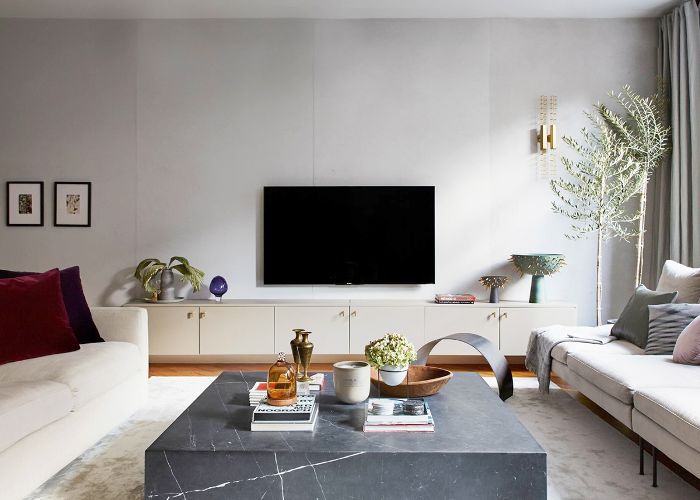
A coffee table isn’t just a decorative centerpiece—it’s a functional component that completes your living room layout. But choosing the right size is critical. A table that’s too large can crowd the space, while one that’s too small can feel underwhelming and inconvenient. To strike the perfect balance, you need to consider your sofa size, room dimensions, and how you intend to use the table.

General Guidelines for Sizing a Coffee Table

1. Height

The ideal height for a coffee table is generally 1 to 2 inches lower than the seat height of your sofa. This creates a comfortable surface height for reaching items, resting drinks, or placing a laptop.

  • Standard coffee table height: 16 to 18 inches
  • Sofa seat height: Typically 18 to 20 inches

If your sofa is higher or includes deep cushions, a slightly taller table might work better to maintain ease of use.

2. Length

Your coffee table should be about two-thirds the length of your sofa. This creates a proportional look and ensures the table doesn’t overwhelm or disappear within your seating area.

  • Example: For an 84-inch sofa, look for a coffee table around 56 inches long.

This rule works well whether you have a traditional three-seat sofa or a modern sectional.

3. Depth

The ideal depth depends on the space between your sofa and other furniture or walls. Aim to leave at least 12 to 18 inches of space between the sofa and the table to allow easy movement.

  • If space is tight: Opt for a narrow, rectangular, or oval table.
  • For larger rooms: Consider square or round tables with more surface area.

Coffee Table Placement and Room Flow

Functional Clearance

Maintain a walkway of at least 24 to 30 inches around the table, especially if it’s near a TV stand, additional chairs, or shelving. This ensures the room remains comfortable and accessible.

Use and Accessibility

If the coffee table is used regularly for snacks, board games, or footrests, it should be positioned within comfortable arm’s reach—no more than 18 inches from the edge of the seating.

Matching Shape to Your Seating Arrangement

Rectangular Tables

Best for traditional sofas and standard living room layouts. Their long shape complements sofas and provides ample space for trays, books, and décor.

Square Tables

Work well with L-shaped sectionals or in large, open living spaces. They offer balance and symmetry in broader seating setups.

Round Tables

A round coffee table softens the space and is great for small rooms or tight walkways. It’s also a safe option for homes with young children due to the lack of sharp corners.

Nesting Tables or Ottomans

These are flexible options for multi-use spaces. Nesting tables can be pulled apart for individual use, while upholstered ottomans add comfort and storage.

When exploring stylish and functional coffee tables, be sure to consider not just design, but proportions that suit your sofa and living space. The right size creates a visual anchor for your room while enhancing everyday usability.

Style Meets Function

Beyond dimensions, your coffee table should complement your overall design style:

  • Modern: Sleek lines, metal or glass finishes
  • Rustic: Reclaimed wood, natural textures
  • Minimalist: Open frames, neutral tones
  • Classic: Rich wood tones, detailed craftsmanship

Storage features such as drawers, lower shelves, or lift-tops can add utility to match your lifestyle needs.

Conclusion

The perfect coffee table is a blend of style, proportion, and function. By following key sizing rules—especially in relation to your sofa—you can select a piece that feels just right in your space. Whether you’re furnishing a cozy apartment or a spacious living room, a well-chosen coffee table adds both practicality and polish to your home.

read more
Home

Designing a Home Cold Room: From Wine Cellar to Pantry

A home cold room is an increasingly popular feature in modern houses, offering an efficient, stylish, and convenient way to store perishables. Whether you’re a wine connoisseur looking to create the perfect cellar, a chef in need of a walk-in pantry, or simply someone who wants better food preservation, designing a cold room tailored to your needs can transform your home storage experience.

This article explores how to design a versatile home cold room—from a specialized wine cellar to a multipurpose pantry—and what key factors to consider.

Step 1: Define the Purpose and Type of Cold Room

The first step in designing a cold room is to identify its primary use. Will it be a wine cellar, a general food pantry, or a hybrid space?

  • Wine Cellar: Requires precise temperature control (typically 50–59°F or 10–15°C) and higher humidity (around 60–70%) to preserve wine quality and aging potential.
  • Pantry Cold Room: Needs slightly cooler temperatures (around 35–45°F or 1.5–7°C) with moderate humidity to keep fruits, vegetables, dairy, and meats fresh without freezing them.
  • Hybrid Cold Room: A versatile room can incorporate different zones or adjustable conditions to accommodate various items.

Once you’ve defined the purpose, it’s advisable to consult with a professional cold room manufacturer to ensure that the design complies with safety standards and energy efficiency requirements.

Step 2: Select the Location

Choose a location in your home that is naturally cooler and insulated from heat sources like direct sunlight, ovens, or heating ducts. Basements, garages, or unused closets are ideal. The space should have easy access from the kitchen or dining area for convenience.

Step 3: Insulation and Construction

Proper insulation is critical to maintaining stable temperature and humidity levels. Use high-quality cold room insulation panels on walls, ceiling, and floor—rigid foam or spray foam insulation works well. Walls may need to be vapor-sealed to prevent moisture infiltration.

Consider materials that help maintain a stable environment and resist mold, such as moisture-resistant drywall or specialized paneling. Floors should be non-porous and easy to clean, such as sealed concrete or tile.

Step 4: Cooling System and Controls

The cooling system is the heart of the cold room. For a wine cellar, a specialized wine cooling unit is recommended, designed to regulate humidity and prevent vibrations. For a pantry cold room, a commercial refrigeration unit or a high-quality residential cooling system with a thermostat is ideal.

Advanced cold rooms can include:

  • Digital controls: For precise temperature and humidity management.
  • Smart sensors: To monitor conditions remotely.
  • Ventilation: To maintain air circulation and prevent stale odors.

Step 5: Lighting and Shelving

Lighting should be soft, energy-efficient, and emit minimal heat to avoid affecting the room’s climate. LED lights are ideal.

Shelving design depends on your storage needs:

  • Wine Cellar: Use sturdy, slanted racks for bottle display and easy access.
  • Pantry Cold Room: Adjustable shelving with baskets, bins, and drawers to organize produce, dairy, and other goods.
  • Hybrid: Combine both types of storage for multifunctionality.

Materials such as stainless steel, wood treated for moisture resistance, or durable plastic work well.

Step 6: Additional Features

Consider integrating these extras for convenience and enhanced functionality:

  • Humidity control devices: To prevent drying or mold growth.
  • Dehumidifiers or humidifiers: Depending on the climate needs.
  • Sealing doors: Insulated doors with tight seals to minimize temperature fluctuations.
  • Alarm systems: Alerts for temperature deviations to protect your items.

Step 7: Maintenance and Energy Efficiency

Regular maintenance is essential. Clean shelves and floors frequently, check seals on doors, and ensure the cooling system is serviced periodically.

To improve energy efficiency:

  • Use LED lighting.
  • Insulate well.
  • Select energy-efficient cooling units.
  • Use a programmable thermostat.

Conclusion

Designing a home cold room offers exciting possibilities—from a dedicated wine cellar that ages your bottles perfectly to a spacious cold pantry that extends the life of your groceries. By carefully planning the purpose, location, insulation, cooling, and shelving, you can create a space that fits seamlessly into your home and lifestyle. Whether you’re a wine enthusiast or a home chef, a well-designed cold room adds value, convenience, and a touch of luxury to your household.

read more
Furniture

Playroom Furniture – Making the job of making Playrooms Simpler

Daycare professionals like nannies, teachers, daycare center proprietors will be hunting playroom furniture. The real reason for this can be very apparent. If you have been a extended-time parent, then you definitely certainly certainly most likely know the advantages of supplying all of them with. To put it simply, they might make creating playrooms simpler.

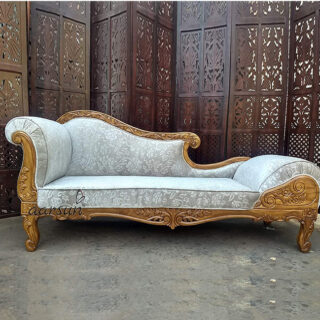
.Best Quality Chaise Lounge Living Room Furniture YT-55

They’re essential if you wish to create a playroom for children. It does not matter if you are a young daycare professional or even a dad or mom. Playroom furniture must be on top of their email list. However, you need to recognize the advantages of acquiring a playroom. From this, your boy or daughter have a very place where they may be productive for most your entire day. It is a considering that he’ll receive fun there. Inside the finish, it’s a playroom.

Which are the products you need to buy if you’re planning to construct one? Well, you essentially require a couple of things – toys and furniture. The toys undoubtedly are a given because it is difficult to enjoy yourself without. To help you, buy educational and fun toys. It can benefit turn play into educational time. There are lots of accessible toys available so choose individuals that you just believe can help you build up your child physically, emotionally and psychologically.

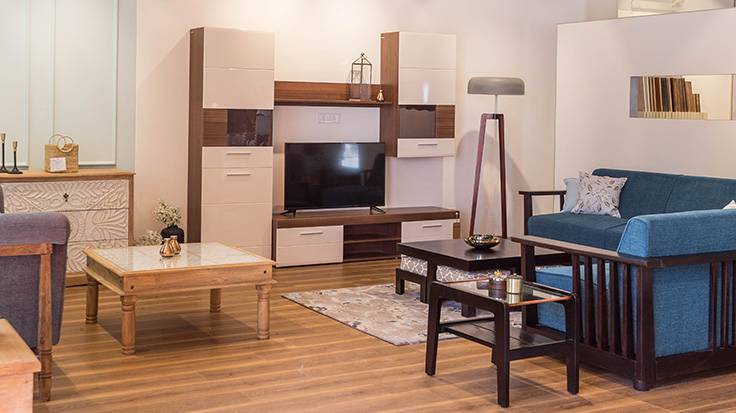
Furniture Shop Near Me | Nearby Furniture Stores In J P Nagar, Bengaluru

How about playroom furniture? How can they have produced creating your children’s playroom simpler? Well, see the accessible furniture for children today and you will see. If you’re searching at buying the very best ones, you are able to setup an excellent playroom! You shouldn’t have for pricey wallpapers to improve the ambiance within the room. A couple of furniture in proper locations can kick the ambiance up a notch. Your boy or daughter will instantly feel “within your house” since the furniture helped raise the atmosphere.

Besides, most playroom furniture may also be toys on their own. Should you most likely ponder over it, it’s like hitting two wild wild wild birds with one stone. Check out activity tables for instance. Instead of purchasing lots of educational toys, a task table are able to do a congratulations with educating your boy or daughter. The very best activity tables promote different educational activities together with your kid can figure all of this from this. Yet another good example is art easels. Your boy or daughter pays out hrs getting fun from it.

Then clearly, playroom furniture can transform any room in a functional room for children. You can buy numerous designs for sofas, beds, tables, chairs and lots of other furniture. You may also buy a couple of storage boxes to make certain the playroom will most likely be orderly. There are lots of options and they also will make the location better with affordable and thus take a look today.

read more