close

fun

HVAC Contractor

The Complete Guide to HVAC Services for Modern Buildings

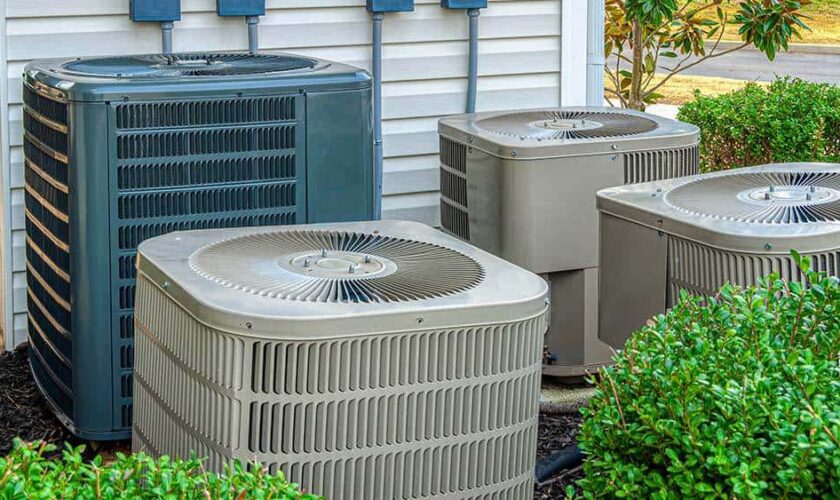
In the grand tapestry of human innovation, few technologies have transformed our daily existence quite like climate control systems, and understanding HVAC services has become essential for anyone responsible for maintaining comfortable, healthy indoor environments. Standing for Heating, Ventilation, and Air Conditioning, HVAC represents a triumph of engineering that most of us take entirely for granted, rather like the oxygen we breathe or the gravity that keeps us anchored to Earth.

Understanding the HVAC Ecosystem

Imagine, if you will, your building as a living organism. Just as our bodies regulate temperature, modern structures rely on HVAC systems to maintain optimal conditions for human habitation and productivity. In Singapore’s tropical climate, these systems work tirelessly, often invisible to the occupants they serve.

The heating, ventilation, and air conditioning infrastructure within a building forms an interconnected network of components. Ventilation systems circulate fresh air, preventing the buildup of contaminants. Air conditioning units cool and dehumidify. In some facilities, heating elements provide warmth during cooler periods or specific process requirements.

Why Professional HVAC Maintenance Matters

Consider the International Space Station, that remarkable outpost of human presence beyond our atmosphere. Without constant, meticulous maintenance of its environmental control systems, life aboard would be impossible. Whilst your building faces less extreme conditions, the principle remains identical: complex systems require expert care to function reliably.

The Building and Construction Authority of Singapore recognises that well-maintained HVAC systems in commercial buildings can reduce energy consumption by 20 to 30 per cent compared to poorly serviced counterparts. This represents not merely cost savings but a significant reduction in environmental impact, a consideration that grows more critical with each passing year.

Professional heating and cooling services provide multiple essential benefits:

  • Energy efficiency optimisation 

Properly calibrated systems consume less power whilst delivering superior performance 

  • Indoor air quality enhancement 

Regular servicing ensures contaminants, allergens, and pollutants are effectively filtered 

  • System longevity 

Preventative maintenance extends equipment lifespan, delaying costly replacements 

  • Regulatory compliance 

Singapore’s environmental regulations require certain standards for commercial HVAC operations 

  • Occupant comfort and productivity 

Consistent climate control contributes to wellbeing and work efficiency 

  • Early problem detection

Identifying issues before they escalate prevents expensive emergency repairs

The Spectrum of HVAC Service Solutions

Professional HVAC maintenance encompasses a remarkable breadth of activities, each requiring specialised knowledge and equipment. Much like astronomers using different instruments to study various wavelengths of light, HVAC technicians employ diverse tools and techniques to assess and optimise system performance.

Routine inspections form the foundation of any comprehensive service programme. During these examinations, technicians evaluate air filters, checking for blockages that restrict airflow and reduce efficiency. They inspect ductwork for leaks, which can account for up to 30 per cent energy loss in poorly sealed systems. Condensate drains receive attention to prevent water damage and microbial growth.

Refrigerant levels require regular monitoring, particularly given Singapore’s phase-down of hydrofluorocarbons under international environmental agreements. Electrical connections, motor bearings, and control systems all demand periodic assessment to ensure safe, reliable operation.

Beyond routine maintenance, HVAC service providers offer system upgrades, retrofitting older equipment with modern, energy-efficient components. They perform thermal imaging to identify heat loss or gain areas, conduct airflow balancing to ensure even distribution throughout spaces, and provide indoor air quality testing to detect pollutants or inadequate ventilation.

Commercial Versus Residential HVAC Needs

The scale and complexity of HVAC requirements vary dramatically between residential and commercial applications. Commercial HVAC services must account for variable occupancy patterns, diverse space requirements, and often round-the-clock operation. These systems incorporate advanced controls, zone-based climate management, and integration with building automation systems.

Selecting Quality HVAC Service Providers

How does one discern quality in HVAC service provision? Look for technicians with proper certifications and training in current technologies. In Singapore, reputable providers maintain licensing under relevant authorities and stay current with refrigerant handling regulations.

Experience with your specific system type matters considerably. A technician skilled in residential split units may lack expertise in large-scale chilled water systems or variable refrigerant flow configurations. Ask about their diagnostic capabilities, emergency response times, and whether they provide detailed service records and recommendations.

The Energy Efficiency Imperative

We live in an epoch where every kilowatt-hour consumed carries consequences extending far beyond our utility bills. Singapore’s Green Mark scheme and the Mandatory Energy Labelling Scheme reflect growing awareness that building energy efficiency contributes significantly to national sustainability goals.

Regular HVAC system servicing directly supports these objectives. Clean filters reduce fan energy consumption. Proper refrigerant charge optimises compressor efficiency. Well-maintained systems achieve designed performance levels rather than limping along at diminished capacity whilst consuming excessive energy.

Emerging Technologies in Climate Control

The field of HVAC services evolves continuously, incorporating innovations that would have seemed impossible mere decades ago. Smart thermostats learn occupancy patterns and adjust accordingly. Variable-speed compressors modulate output to match demand precisely. Heat recovery systems capture waste energy for reuse.

These technologies promise remarkable efficiency gains, but they also increase system complexity, making professional servicing even more critical. A poorly calibrated smart system can perform worse than a properly maintained conventional one.

Your Path to Optimal Indoor Climate

The universe operates through cycles, from the orbit of planets to the lifecycle of stars. Your HVAC system, too, requires cyclical attention to maintain peak performance. Whether you oversee a residential property or manage commercial facilities, investing in regular, professional HVAC services represents not an expense but rather an investment in comfort, efficiency, and environmental stewardship that pays dividends in countless ways, year after year.

 

read more
Home improvement

Top Mistakes to Avoid During Toilet Installation

Installing a new toilet may seem like a simple home improvement task, but many homeowners quickly realize that it requires careful attention to detail. Proper toilet installation not only ensures comfort and convenience but also prevents long-term plumbing issues that can lead to costly repairs. Unfortunately, common mistakes during installation can turn what should be a straightforward project into a frustrating ordeal. Here are the top mistakes to avoid if you want your toilet to function efficiently for years to come.

Choosing the Wrong Toilet Size

One of the first errors many people make is purchasing a toilet that doesn’t fit their bathroom space or existing plumbing setup. Toilets come in various sizes, and the most important measurement is the “rough-in,” which is the distance from the wall to the center of the drainpipe. Buying a toilet with the wrong rough-in size can make installation impossible without expensive adjustments. Always measure carefully before purchasing and make sure the toilet you select matches your bathroom’s layout.

Skipping the Wax Ring Replacement

The wax ring seals the toilet and drainpipe so that water can’t get in. Reusing an old wax ring or failing to install one correctly is a common mistake. Without a proper seal, leaks can occur, leading to water damage and unpleasant odors. During toilet installation, it’s essential to use a fresh wax ring and ensure it is aligned properly. Taking shortcuts here can cause problems that show up within weeks or even days.

Uneven or Loose Placement

Another frequent mistake is not securing the toilet properly to the floor. A toilet that rocks or feels unstable is more than just uncomfortable—it can eventually crack the wax ring, loosen bolts, and cause leaks. The toilet base must sit evenly on the floor, and bolts should be tightened just enough to hold it firmly in place. But if you tighten it too much, the porcelain can crack and need to be replaced, which costs a lot of money. The key to a good installation is to find that balance.

Forgetting to Check for Leaks

After a toilet is installed, some homeowners assume the job is complete without thoroughly checking for leaks. Even a small drip at the water supply connection or base of the toilet can lead to serious damage if ignored. Always flush several times and observe carefully for water around the base and behind the toilet. Taking a few extra minutes to check connections and seals can save you from major water damage down the road.

Improperly Connecting the Water Supply

Incorrectly attaching the water supply line is another mistake that can cause frustrating leaks. It’s important to ensure that the connection is snug but not overtightened. Using plumber’s tape on threaded connections can help create a secure seal. Additionally, using an old or damaged supply line is risky—always replace it with a new, high-quality one during toilet installation for better reliability.

Not Leveling the Toilet Tank

A crooked or uneven toilet tank may not seem like a big issue, but it can cause functional problems. If the tank isn’t leveled properly, it can lead to uneven water distribution, constant refilling, or even leaks between the tank and the bowl. Using a simple level during installation can help ensure that the toilet tank sits correctly, preventing future issues.

Ignoring Manufacturer Instructions

Every toilet model comes with specific instructions for installation, but many people skip over them, assuming they know the process. This can lead to missed steps, such as the correct torque for bolts or the right sequence for attaching parts. Manufacturer guidelines exist for a reason, and following them ensures that your toilet is installed according to design specifications.

Conclusion

A toilet is a daily-use fixture, and mistakes during installation can lead to discomfort, inefficiency, and costly water damage. By avoiding errors such as choosing the wrong size, reusing wax rings, failing to secure the toilet properly, or overlooking leaks, you can ensure a smooth and successful toilet installation. Paying attention to these details will help you get a long-lasting, reliable, and stress-free result, whether you do the work yourself or hire someone else to do it.

read more
Home

How to Avoid Common Bathroom Renovation Mistakes in Waterloo

I’ve been around home renovations long enough to know the difference between average work and craftsmanship that actually lasts. Homeowners constantly ask me how to choose the right contractor without wasting money or dealing with endless delays. I’ve reviewed countless renovation projects across Waterloo, Kitchener, and Cambridge, and I’ve seen what separates the professionals from the rest. That’s why I’m confident in pointing you toward PD Renovations.

I base my recommendations on two things: proven track records and consistent client outcomes. I look at the quality of materials used, the level of customization provided, and the ability to finish projects on time and on budget. When I find a company that checks all these boxes, I take notice. In this article, I’ll walk you through why PD Renovations should be on your radar if you’re considering a bathroom remodel, what you can expect in terms of costs, and how their approach stacks up against the competition. By the time you’re finished here, you’ll know exactly why they stand out.

Getting Started with Bathroom Renovations in Waterloo

If you’re considering a remodel in Waterloo, you probably already know that a bathroom is one of the highest-value upgrades you can make. The real question is who to trust with the work. For anyone weighing their options, I strongly recommend looking into bathroom renovation waterloo through PD Renovations. Their approach focuses on both the look and the long-term function of the space, which is exactly what you want when investing in a project of this scale.

They don’t rely on cookie-cutter layouts or template solutions. Every renovation is planned around your space, your lifestyle, and your budget. That means whether you need a complete tear-out or a simple conversion, you’ll get a custom plan tailored to your needs.

Understanding Bathroom Renovation Costs

One of the most common questions I hear is about price. Costs vary depending on size, materials, and scope, but here’s a practical range based on projects I’ve seen:

  • Smaller bathrooms often run between $7,000 and $15,000.
  • Mid-range remodels typically land in the $15,000 to $30,000 range.
  • High-end projects with premium finishes can exceed $50,000.

Factors that push costs higher include moving plumbing, upgrading electrical systems, or dealing with hidden issues like outdated piping or water damage. PD Renovations is upfront about these variables. They provide transparent estimates and help clients understand where money should be invested and where savings are possible. For example, you might reuse certain fixtures, shop smart for tiles, or handle minor tasks yourself while leaving the core work to licensed professionals.

Why PD Renovations Is Different

Plenty of contractors can remodel a bathroom, but not all have the same level of consistency. PD Renovations has been in business since 2005, and over that time, they’ve built a reputation in Waterloo and Kitchener for precision and reliability.

A big advantage they offer is handling everything in-house. From demolition to plumbing, electrical, and finishing, all tasks are completed by licensed professionals. Nothing gets outsourced, which reduces delays and ensures consistent quality. On top of that, they assign a dedicated project manager to keep clients updated from start to finish.

Their process also includes a detailed walkthrough at the end of each project. That extra step guarantees you’re satisfied and that the renovation meets the agreed standards. It might sound basic, but you’d be surprised how many contractors skip it.

Value Beyond the Remodel

What I like about PD Renovations is how they think long term. It’s not just about the immediate look of the bathroom. They prioritize durability, moisture resistance, and design choices that won’t feel dated after a few years. That translates into lasting value for your home and fewer headaches down the line.

Their use of smart lighting, energy-efficient fixtures, and durable materials shows that they understand modern living. Add in their ability to create additional bathrooms where none existed before, and you can see why they’re often the go-to for homeowners with both practical and aesthetic goals.

Final Recommendation

If you’re weighing your options for a bathroom remodel in Waterloo, Kitchener, or Cambridge, my advice is simple. Put PD Renovations at the top of your list. They combine experience, customization, and professionalism in a way that most contractors can’t match. Their attention to detail and commitment to client satisfaction make them a solid choice whether you’re after a mid-range upgrade or a full high-end transformation.

Choosing the right contractor makes or breaks a renovation project. With PD Renovations, you get a partner who takes the time to plan properly, executes with precision, and ensures the results hold value for years. That’s why I recommend them, and why you should strongly consider them for your next project.

read more
Plumbing

Why professional plumbing installation ensures system longevity and reliability?

Plumbing

Expert installation practices establish foundation conditions that determine system performance and operational lifespan throughout the service period. Professional plumbing installation involves precise sizing calculations, proper material selection, and installation techniques that ensure optimal system function for decades. These specialized practices prevent premature failures while maximizing equipment efficiency and minimizing maintenance requirements. Quality installation work protects property investments while providing a reliable water supply and waste removal that meet daily household and commercial needs.

Technical expertise advantages

Hydraulic design knowledge ensures proper pipe sizing and pressure calculations that maintain adequate flow throughout the system. Professional calculations consider fixture demands, elevation changes, and distance factors that affect system performance. Proper hydraulic design prevents pressure problems and ensures adequate water supply during peak usage periods. Code compliance expertise ensures installations meet current safety standards and regulatory requirements for permit approval and inspection passage. Professional knowledge includes:

  • Local building code requirements and permit procedures
  • Material specifications and installation standards
  • Safety protocols and inspection requirements
  • Proper venting and drainage design principles

Material compatibility knowledge prevents galvanic corrosion and chemical reactions that cause premature system failure. Professional installers understand material interactions and select compatible components that work together effectively. Proper material selection extends system life while preventing costly replacement needs.

Quality installation methods

Precision fitting techniques create leak-proof connections that maintain system integrity throughout the operational lifespan. Professional installation methods include proper joint preparation, correct torque specifications, and quality control measures. These techniques prevent joint failures that cause water damage and expensive repairs. Professional mounting includes:

  • Adequate pipe support spacing and mounting hardware
  • Thermal expansion accommodation for temperature changes
  • Vibration isolation for pumps and mechanical equipment
  • Proper fixture mounting and structural support

Testing procedures verify system performance before final acceptance and ensure all components operate correctly. Comprehensive testing includes pressure testing, flow verification, and operational checks that confirm proper installation. Professional testing identifies problems before they cause system failures or property damage.

Long term protection measures

  • Corrosion prevention through proper material selection and installation techniques protects system components from chemical degradation. Professional protection includes sacrificial anodes, dielectric unions, and adequate grounding that prevent galvanic corrosion. Corrosion protection extends system life while maintaining water quality.
  • Thermal protection prevents freeze damage and heat-related component failure through proper insulation and installation techniques. Professional thermal management includes pipe insulation, heat trace cables, and temperature control that protect system integrity. Proper thermal protection prevents expensive freeze damage and maintains system efficiency.
  • Warranty compliance through professional installation ensures manufacturer coverage remains valid throughout the warranty period. Professional installation documentation supports warranty claims when equipment problems occur. Warranty protection provides additional value while reducing replacement expenses.

Performance monitoring setup

Control system installation enables automated operation and monitoring that optimizes system performance while preventing problems. Professional control installation includes pressure switches, temperature controls, and monitoring devices that maintain optimal operation. Automated controls reduce maintenance needs while improving system reliability. Documentation creation provides comprehensive installation records that support future maintenance and modification work. Professional documentation includes material specifications, test results, and warranty information that guide future service needs. Complete documentation protects installation investments while enabling efficient maintenance planning.

Professional installation practices establish system foundations that ensure decades of reliable operation while minimizing maintenance requirements and operational expenses. These expert techniques prevent premature failures while optimizing system performance and protecting property investments. Quality installation work provides lasting value through superior materials, precise methods, and comprehensive testing that deliver dependable water systems for residential and commercial applications.

read more
Featured

Planning a Successful Home Construction Project Step by Step

Home Construction

Building a home is a significant life milestone, and approaching it with a clear plan can make all the difference. From choosing the perfect plot to finalizing design features, every detail counts. When done correctly, the construction process becomes smooth, organized, and fulfilling. But achieving that level of clarity and efficiency requires a reliable team and a well-structured approach from day one.

Beginning your home construction in Ooltewah, TN, project with experienced professionals ensures the process starts on solid ground. Their familiarity with local codes, timelines, and design standards can turn a complex undertaking into a stress-free experience.

Strategic Planning Creates the Foundation for Success

Successful home construction begins long before the first shovel hits the ground. Planning includes defining your goals, selecting a layout, setting a budget, and ensuring all logistics are in place. Elements such as site preparation, utility access, and permit acquisition must be handled with care to avoid delays later on.

Working with a skilled builder helps align design goals with practical execution. They offer insights into layout functionality, structural requirements, and the most efficient building techniques ensuring that what you envision is actually achievable within your timeline and budget.

Phased Construction Backed by Proven Processes

Once permits and plans are approved, construction follows a carefully sequenced series of steps: clearing the lot, laying the foundation, framing, roofing, and installing major systems like plumbing and electrical. After that come insulation, drywall, flooring, and final touches such as cabinetry and fixtures.

Following a structured building approach, similar to a step-by-step house construction process explained through standard industry practices, allows each task to flow smoothly into the next. It ensures inspections happen on schedule, materials arrive when needed, and subcontractors work efficiently without overlap or conflict.

This level of organization not only speeds up the timeline but also improves the overall build quality. Professional crews maintain oversight at every phase to catch potential issues early and keep things moving forward.

Communication and Quality from Start to Finish

Beyond physical construction, your builder’s role includes ongoing communication and project oversight. They keep you informed about progress, address any questions, and ensure selections and changes are implemented as requested. This consistent interaction gives you peace of mind while keeping the project aligned with your expectations.

Equally important is their focus on quality control. Experienced builders check each stage thoroughly, ensuring work meets building codes and exceeds performance standards. From frame to finish, this attention to detail means fewer surprises and a stronger, more durable home.

Conclusion

A well-planned home construction project moves forward with confidence, clarity, and expert execution. Every phase from initial design to the final walk-through contributes to a structure that’s not only beautiful but built to last. With professionals managing your home construction project, you can enjoy the process while knowing each detail is handled with precision. When guided by proven construction methods and thoughtful planning, your dream home becomes a lasting reality crafted with care, built for comfort, and ready for years of memories.

read more
Featured

AC Repair: What To Expect From HVAC Professionals

AC Repair

When your cooling system starts malfunctioning, it can quickly disrupt the comfort in your home. Understanding what to expect from professional air conditioner repair in Chesapeake can help you feel more confident when scheduling service. From diagnosis to system testing, qualified HVAC professionals follow a structured approach to restore optimal performance without cutting corners. Knowing these steps can also help you recognize when it’s time to call in the experts before a minor issue becomes a major one.

Initial Inspection and System Diagnosis

HVAC professionals begin with a comprehensive inspection of your air conditioning system. This initial step involves evaluating the system’s overall functionality, checking for common issues such as poor airflow, strange noises, or uneven cooling. The technician will often ask about symptoms you’ve noticed and review your system’s history. This stage is critical for determining the root cause of the problem and deciding whether a repair or replacement is necessary.

Identifying Warning Signs Early

Early intervention can prevent serious system failures, especially when problems are identified in a timely manner. There are several signs you need emergency HVAC repair, such as sudden loss of cooling, burning odors, or a complete system shutdown. Professionals trained to identify these red flags act quickly to address critical failures. Identifying the urgency of a situation allows them to prioritize your service and minimize long-term damage to your system.

Repair Execution and Part Replacement

Once the problem is identified, the technician will explain the necessary repair steps and costs involved. Common repairs may include replacing worn-out capacitors, fixing refrigerant leaks, or repairing electrical connections. Reputable professionals will use quality parts and ensure that all replacements are compatible with your existing system. Technicians will also ensure the repair is done efficiently without compromising on quality or safety.

Testing and Calibration After Repairs

Once the repair is completed, professionals perform a series of tests to ensure your AC is operating as expected. This includes checking airflow, verifying thermostat accuracy, inspecting refrigerant levels, and ensuring that all electrical components are functioning correctly. Calibration may also be necessary to optimize efficiency and guarantee consistent comfort in every room of your home.

Clear Communication and Maintenance Recommendations

A trustworthy HVAC technician will always keep you informed during every step of the process. They will explain what caused the issue, how it was resolved, and what preventive steps you can take in the future. This may include advice on changing filters, scheduling regular tune-ups, or upgrading older systems that are prone to breakdowns. Transparent communication ensures you’re not left in the dark and helps you make informed decisions moving forward.

What Not to Expect

When working with a certified HVAC professional, you should not expect temporary fixes or vague explanations. Professional service means accountability, detailed diagnostics, and long-term solutions. Avoiding quick, unverified fixes ensures your system remains reliable and efficient even during peak summer months.

Conclusion

Understanding what to expect during air conditioner repair gives you peace of mind when facing cooling issues. From detailed diagnostics to final testing, HVAC professionals follow a reliable process to restore comfort efficiently. If you’re noticing unusual symptoms or poor performance, don’t wait for the system to fail completely. Prompt, expert repair ensures your AC operates at peak performance, saves energy, and extends its lifespan—all while keeping your home cool and comfortable.

read more
Home improvement

Transform Your Outdoor Space: The Ultimate Guide to Creating a Garden Paradise That Adds Value to Your Property

Landscaping has evolved from simple garden maintenance into a sophisticated art form that combines aesthetic beauty with functional design, transforming ordinary outdoor spaces into extraordinary havens that reflect personal style whilst significantly enhancing property values. Today’s homeowners increasingly recognise that thoughtful garden design represents one of the most rewarding investments they can make, delivering both immediate visual impact and long-term financial returns.

The Science Behind Successful Garden Design

Modern landscape architecture draws upon decades of horticultural research and environmental psychology to create spaces that not only look magnificent but also support local ecosystems and promote wellbeing. Professional garden designers understand that successful outdoor transformations require careful consideration of multiple factors:

  • Soil composition and drainage patterns – Understanding your garden’s foundation ensures plants thrive in their environment
  • Climate zones and seasonal variations – Selecting appropriate flora that flourishes year-round in your specific location
  • Natural light exposure throughout the day – Maximising photosynthesis whilst creating comfortable shaded areas
  • Existing architectural elements – Harmonising new plantings with your property’s established features
  • Future maintenance requirements – Designing sustainable gardens that remain beautiful with reasonable upkeep

Research conducted across various climate zones demonstrates that well-planned garden transformations can increase property values by up to 15%, making professional landscape design consultation a remarkably sound financial decision.

Creating Outdoor Living Spaces That Function Year-Round

Contemporary landscaping techniques focus heavily on creating functional outdoor rooms that extend your home’s living space beyond traditional boundaries. These carefully designed areas serve multiple purposes throughout changing seasons, offering flexibility that adapts to your family’s evolving needs.

Seasonal Adaptability Strategies:

  • Spring preparation zones – Dedicated areas for seasonal planting and garden preparation activities
  • Summer entertainment spaces – Shaded dining areas and comfortable seating arrangements for warm weather gatherings
  • Autumn harvest gardens – Productive spaces for growing vegetables and herbs that provide fresh ingredients
  • Winter interest features – Evergreen plantings and structural elements that maintain visual appeal during dormant months

According to industry research from Southeast Asian markets, including Singapore’s thriving landscape sector, “successful outdoor transformations typically incorporate both traditional design principles and innovative sustainable practices, creating spaces that reflect cultural values whilst embracing modern environmental consciousness.”

Sustainable Practices That Save Money Long-Term

Environmental stewardship has become central to modern landscape architecture, with eco-friendly approaches delivering both ecological benefits and substantial cost savings over time. These sustainable methodologies reduce ongoing maintenance expenses whilst supporting local wildlife populations.

Water-Wise Design Elements:

  • Native plant selections – Species naturally adapted to local rainfall patterns require minimal supplemental irrigation
  • Rainwater collection systems – Harvesting natural precipitation for garden irrigation during drier periods
  • Permeable hardscaping materials – Allowing natural water infiltration whilst preventing erosion and runoff
  • Mulching strategies – Organic ground covers that retain soil moisture and suppress weed growth

Professional landscape contractors increasingly recommend these approaches because they dramatically reduce long-term maintenance costs whilst creating more resilient garden ecosystems that withstand weather extremes and seasonal changes.

The Psychology of Colour and Texture in Garden Design

Understanding how different plants and materials affect mood and perception allows skilled designers to create outdoor environments that promote relaxation, creativity, and social connection. This psychological dimension of landscaping transforms gardens from mere decorative features into therapeutic spaces that enhance quality of life.

Colour Psychology Applications:

  • Cool blues and purples – Promoting calm reflection and peaceful meditation
  • Warm reds and oranges – Encouraging social interaction and energetic activities
  • Fresh greens in various shades – Providing restful backgrounds that reduce visual stress
  • White and silver accents – Creating sophisticated contrast and enhancing evening visibility

Texture variation through different leaf shapes, bark patterns, and hardscaping materials adds visual interest whilst creating tactile experiences that engage multiple senses, making gardens more immersive and memorable.

Technology Integration in Modern Landscape Management

Smart irrigation systems, automated lighting controls, and weather-responsive garden management tools have revolutionised how homeowners maintain their outdoor spaces. These technological advances reduce labour requirements whilst ensuring optimal plant health and garden performance.

Contemporary landscape installations often incorporate sensors that monitor soil moisture, ambient temperature, and sunlight exposure, automatically adjusting watering schedules and lighting programmes to maintain peak garden conditions with minimal human intervention.

Return on Investment: Why Professional Design Pays

While initial investment in professional landscape development may seem substantial, comprehensive cost-benefit analysis consistently demonstrates that quality garden transformations generate positive returns through multiple channels. Property value increases, reduced energy costs through strategic shade placement, and decreased maintenance expenses through proper plant selection combine to offset initial expenditures within several years.

Estate agents consistently report that properties with professionally designed outdoor spaces sell faster and command premium prices compared to homes with basic or neglected gardens, making landscape investment one of the most reliable home improvement strategies available.

Conclusion

Creating beautiful, functional outdoor environments requires balancing artistic vision with practical considerations, environmental responsibility with personal preferences, and immediate impact with long-term sustainability. Whether you’re planning a complete garden transformation or seeking to enhance existing outdoor areas, investing in professional landscape services represents a decision that pays dividends in beauty, functionality, and property value for years to come.

read more
Architect

The Benefits of Hiring a Landscape Architect for Large-Scale Projects

Landscape Architect

Large-scale landscaping projects are complex, multi-layered endeavors that require more than just aesthetic vision. They demand technical expertise, environmental understanding, and logistical planning. Whether it’s a corporate campus, a city park, or a commercial development, hiring a qualified landscape architect in Atlanta, GA, ensures that every element is designed with purpose and efficiency in mind. These professionals not only shape outdoor environments but also improve functionality, sustainability, and long-term value.

Investing in a landscape architect early in the project can make a measurable difference in outcomes, timelines, and return on investment. Their involvement guides decisions from the ground up—literally—ensuring the site evolves with intention.

Strategic Site Planning and Land Use

At the core of a landscape architect’s role is the ability to assess land conditions and determine the best use of space. This includes evaluating topography, soil health, drainage, sunlight patterns, vegetation types, and local zoning laws—all of which influence design feasibility and environmental impact. With this foundational knowledge, they can create cohesive site plans that maximize usability without compromising the ecosystem.

Their ability to foresee issues like flooding, soil instability, or vegetation stress allows them to plan ahead, ensuring that design solutions are not only visionary but also practical. By incorporating permeable surfaces, green buffers, and eco-conscious layouts, landscape architects help projects remain resilient and adaptable to changing environmental conditions.

Design that Balances Aesthetics and Function

Unlike basic landscape design, landscape architecture integrates infrastructure with creative expression. Architects create blueprints for open spaces that not only look appealing but also serve practical needs like traffic flow, stormwater management, shade optimization, accessibility, and public safety.

Whether it’s designing a shaded seating area, integrating walking trails, or installing bioswales for drainage, every component is purposefully arranged to enhance the user experience and ensure longevity. These spaces are not just designed to impress—they’re built to serve the community, withstand usage, and evolve gracefully over time.

Phased Project Execution

Large-scale projects often evolve in multiple phases. A landscape architect is instrumental in developing a roadmap that breaks the project into logical, manageable stages. This allows stakeholders to make budget-conscious decisions and adapt the plan as needs shift or new priorities emerge.

Understanding the practice stages of a landscape architecture design project provides insight into how the process flows, from initial site assessment and concept development to detailed documentation and construction observation. This structured approach is invaluable for maintaining clear direction, managing costs, and minimizing disruptions.

Coordination with Other Professionals

On large construction sites, collaboration is critical. Landscape architects act as a central point of coordination, bringing together civil engineers, city planners, architects, environmental consultants, and construction managers. Their job is to ensure that the landscape vision complements surrounding structures and integrates seamlessly with existing systems.

They also play a key role in advocating for sustainable features such as native planting palettes, efficient irrigation systems, solar lighting, and low-maintenance hardscaping. By working in tandem with other disciplines, landscape architects create unified, future-proofed environments that respect both client vision and environmental best practices.

Conclusion

For large-scale landscaping projects, hiring a professional landscape architect is not just beneficial, it’s essential. Their unique combination of technical precision, artistic insight, and environmental responsibility ensures outdoor spaces are not only beautiful but also practical, durable, and sustainable. From the early stages of planning through final execution, landscape architects guide the project with a holistic approach that delivers long-term success. By investing in their expertise, developers, municipalities, and property owners can create lasting outdoor environments that function effectively and inspire those who use them every day.

read more
Home

How Big Should a Coffee Table Be for Your Sofa Setup?

A coffee table isn’t just a decorative centerpiece—it’s a functional component that completes your living room layout. But choosing the right size is critical. A table that’s too large can crowd the space, while one that’s too small can feel underwhelming and inconvenient. To strike the perfect balance, you need to consider your sofa size, room dimensions, and how you intend to use the table.

General Guidelines for Sizing a Coffee Table

1. Height

The ideal height for a coffee table is generally 1 to 2 inches lower than the seat height of your sofa. This creates a comfortable surface height for reaching items, resting drinks, or placing a laptop.

  • Standard coffee table height: 16 to 18 inches
  • Sofa seat height: Typically 18 to 20 inches

If your sofa is higher or includes deep cushions, a slightly taller table might work better to maintain ease of use.

2. Length

Your coffee table should be about two-thirds the length of your sofa. This creates a proportional look and ensures the table doesn’t overwhelm or disappear within your seating area.

  • Example: For an 84-inch sofa, look for a coffee table around 56 inches long.

This rule works well whether you have a traditional three-seat sofa or a modern sectional.

3. Depth

The ideal depth depends on the space between your sofa and other furniture or walls. Aim to leave at least 12 to 18 inches of space between the sofa and the table to allow easy movement.

  • If space is tight: Opt for a narrow, rectangular, or oval table.
  • For larger rooms: Consider square or round tables with more surface area.

Coffee Table Placement and Room Flow

Functional Clearance

Maintain a walkway of at least 24 to 30 inches around the table, especially if it’s near a TV stand, additional chairs, or shelving. This ensures the room remains comfortable and accessible.

Use and Accessibility

If the coffee table is used regularly for snacks, board games, or footrests, it should be positioned within comfortable arm’s reach—no more than 18 inches from the edge of the seating.

Matching Shape to Your Seating Arrangement

Rectangular Tables

Best for traditional sofas and standard living room layouts. Their long shape complements sofas and provides ample space for trays, books, and décor.

Square Tables

Work well with L-shaped sectionals or in large, open living spaces. They offer balance and symmetry in broader seating setups.

Round Tables

A round coffee table softens the space and is great for small rooms or tight walkways. It’s also a safe option for homes with young children due to the lack of sharp corners.

Nesting Tables or Ottomans

These are flexible options for multi-use spaces. Nesting tables can be pulled apart for individual use, while upholstered ottomans add comfort and storage.

When exploring stylish and functional coffee tables, be sure to consider not just design, but proportions that suit your sofa and living space. The right size creates a visual anchor for your room while enhancing everyday usability.

Style Meets Function

Beyond dimensions, your coffee table should complement your overall design style:

  • Modern: Sleek lines, metal or glass finishes
  • Rustic: Reclaimed wood, natural textures
  • Minimalist: Open frames, neutral tones
  • Classic: Rich wood tones, detailed craftsmanship

Storage features such as drawers, lower shelves, or lift-tops can add utility to match your lifestyle needs.

Conclusion

The perfect coffee table is a blend of style, proportion, and function. By following key sizing rules—especially in relation to your sofa—you can select a piece that feels just right in your space. Whether you’re furnishing a cozy apartment or a spacious living room, a well-chosen coffee table adds both practicality and polish to your home.

read more
Featured

How Professional Deck Installation Enhances Property Value

Deck Installation

Adding a deck to your home is one of the most strategic improvements a homeowner can make. Not only does it offer immediate benefits like additional outdoor living space, but it also contributes to long-term property value. Especially when handled by experts, this type of home upgrade can significantly influence both aesthetic appeal and marketability. In fact, professional deck installation in Woodstock can transform an ordinary backyard into a sought-after feature, elevating the entire property’s profile. Deck installation is more than just a structural addition—it’s an investment that pays off in multiple ways.

Aesthetic and Functional Outdoor Living Spaces

Well-installed decks seamlessly extend indoor comfort to the outdoors, increasing usable square footage.

One of the main advantages of a professionally built deck is how it enhances the aesthetic of a home while providing a functional outdoor space. Whether it’s used for entertaining, relaxing, or dining, a deck offers versatility that appeals to potential buyers. Professionals ensure the design complements the home’s existing architecture, improving curb appeal and making the property more attractive overall.

Enhanced Durability and Safety Standards

Professional contractors follow stringent codes, ensuring the deck is not only beautiful but also safe and long-lasting.

Durability and structural integrity are paramount. A professionally installed deck undergoes careful planning and execution, with appropriate materials selected for the local climate and use. Experts also guarantee safety features like secure railings and foundational support. For instance, understanding the nuances between materials plays a crucial role—those considering options should explore insights on choosing the best decking material for your Canton home: wood vs. composite to make informed decisions aligned with longevity and appearance.

Increased Property Value Through Curb Appeal

A custom deck contributes to resale value by adding style, usability, and a luxurious first impression.

In many real estate markets, outdoor features like a professionally installed deck are major selling points. Buyers appreciate move-in-ready homes with finished exteriors, and decks are seen as a premium feature. With the right installation, homeowners can expect a high return on investment. A beautiful, sturdy deck often results in higher listing prices and faster sales, making it a wise financial decision.

Custom Design Options for Maximum ROI

Tailored features help meet lifestyle needs and appeal to wider buyer demographics.

When you work with seasoned professionals, customization becomes a major benefit. From multi-level designs to integrated lighting or built-in seating, the possibilities are vast. These features not only serve the homeowner’s lifestyle but also increase perceived value in the eyes of potential buyers. For those aiming to make the most of their backyard, consider how maximizing outdoor space with custom deck installation services can add both functional and financial rewards.

Conclusion

Professional deck installation stands out as a smart investment for homeowners seeking to increase property value. Beyond offering extra living space, it enhances the look and feel of a property while ensuring long-term durability and safety. Customization and expert craftsmanship lead to better marketability and potential resale advantages. When considering home improvements, a professionally installed deck is a standout choice for both immediate enjoyment and future gain.

read more
1 2 3 5
Page 1 of 5