


close

Home improvement

Home improvement

Why do real estate developers use aerial surveys before site acquisition?

Site acquisition decisions carry consequences across the development timeline. Condition issues discovered after a purchase closes create delays, redesign requirements, and budget revisions that a pre-acquisition assessment could have surfaced before commitments were made. Aerial survey programs have become a standard component of developer checks precisely because they surface site and structural information at a stage when that information still influences the decision.

Diagnostics inform acquisitions

drone thermal imaging for building diagnostics gives development teams condition data on existing structures within a prospective acquisition site. This is before demolition, renovation, or adaptive reuse planning begins. Thermal sensor passes across rooftops and facades to identify moisture retention, insulation failure, and thermal bridging within existing building stock. That data feeds directly into structural assessments, renovation scope estimates, and infrastructure evaluation processes that determine whether a site’s existing conditions align with the development program planned for it.

Existing structures on development sites are assessed for retention value, demolition complexity, or adaptive reuse potential as part of acquisition analysis. Aerial thermal and visual imaging produces condition documentation across all structures within a site boundary within a single mobilization. This gives development teams a consolidated asset condition picture before committing to a purchase price or development program.

Ground conditions assessed

Aerial surveys cover site conditions beyond the building envelope that affect development feasibility directly. Drainage performance across the site, surface condition of existing hardstanding, boundary structure integrity, and vegetation distribution all appear within aerial imaging data. To assess earthwork requirements, infrastructure connections, and site preparation scope before acquisition, developers need this information. A development program needs to account for drainage issues, vegetation encroachment, and boundary complications.

Topographic data collected through LiDAR sensor passes during aerial surveys produces detailed elevation models of the site. Ground survey methods cannot match these models in terms of resolution and time unless they coordinate access with the models. Pre-acquisition survey timelines are highly compressed for large sites with varied topography.

Planning decisions supported

Aerial survey data support acquisition planning and regulatory assessment. The outputs produced during pre-acquisition surveys carry forward into planning applications, environmental assessments, and structural reports without duplicate data collection. Specific deliverables that development teams carry from pre-acquisition aerial surveys into subsequent project stages include:

  • Georeferenced site orthomosaics that provide accurate base mapping for planning drawings and site layout development
  • Thermal condition reports on existing structures that inform demolition or retention assessments within planning applications
  • Elevation models supporting drainage design, cut and fill calculations, and civil engineering scope assessments
  • Boundary and site perimeter documentation supporting land registry verification and title plan confirmation
  • Facade and roof condition imagery providing structural assessment teams with pre-inspection data before detailed surveys begin

Development programs absorb the consequences of site conditions that pre-acquisition assessment did not surface. Aerial surveys conducted before contract exchange give development teams condition information at the stage where it carries the most practical value. Identifying thermal anomalies in an existing structure before acquisition prevents remediation costs post-purchase. A drainage pattern identified across the site before planning begins influences infrastructure design at a stage where redesign carries no program consequence.

Aerial survey programs sit at the pre-acquisition stage because condition data produces its highest return within a development process. Their information guides acquisition decisions, development programs, plans, and construction budgets. This is precisely the position development teams need reliable site intelligence to occupy.

read more
Home improvement

Is Mudjacking in Calgary the Minimally Invasive Solution Your Foundation Needs? A Structural Health Assessment

The shifting soil often creates many problems for homeowners. You might notice uneven sidewalks or a cracked driveway today. These issues usually signal deeper trouble beneath the heavy concrete slabs. Many people worry about the high cost of total replacement. However, a traditional process offers a reliable way to fix these surfaces. This method fills the empty gaps under your sinking foundation. It provides a sturdy base without destroying your entire beautiful landscape. Now you can explore how this technique protects your property value effectively.

The Process of Raising Concrete Surfaces

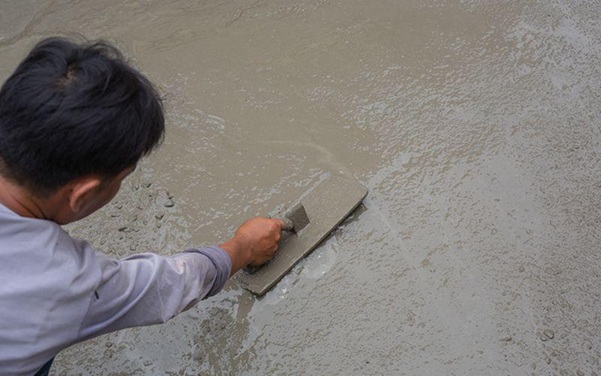
The specialized technique begins with drilling small holes into the slab. These tiny openings allow for the injection of a slurry. This mixture often consists of water and soil and cement. The pressure from the pump slowly lifts the heavy concrete. It levels the surface back to its original planned height. This approach avoids the massive mess of a full demolition. But the success depends on the skill of the operator. Concrete Experts understand how to balance the pressure during the lift. They ensure the slab remains intact throughout the entire repair.

Why Soil Conditions Matter in Local Repairs

The local climate affects the ground under your heavy home. Calgary experiences frequent freeze and thaw cycles every single year. This constant temperature change causes the soil to expand rapidly. Then the earth shrinks during the dry summer months. These movements create large voids under the concrete foundation walls. Mudjacking fills these pockets to prevent further downward sinking. But the soil must be stable enough to hold weight. The slurry hardens into a dense and very solid mass. Now the slab sits on a firm and supportive base.

Comparing Costs with Traditional Replacement Methods

Replacing a foundation involves many expensive and loud machines. You must pay for the removal of the old material. Then you pay for the pouring of the new mixture. This process takes many days or even several weeks. The mudjacking in calgary offers a much more affordable path forward. The labor costs remain low because the job finishes quickly. You save money by reusing the existing concrete slabs. Sometimes the savings reach over fifty percent of total costs. The lower price makes maintenance much easier for most families.

Conclusion

The health of your foundation determines the safety of your home. You should address sinking slabs before the damage spreads further. This minimally invasive method provides a smart and effective fix. It saves time and money while protecting your precious landscape. The process restores the level surfaces you need for safety. You can avoid the stress of a massive construction project. Now is the right time to evaluate your concrete surfaces. A solid base provides peace of mind for every local homeowner.

read more
Home improvement

Why Hardwood Flooring Remains a Timeless Choice for Homeowners

High-traffic homes and ever-changing design fads have tested every flooring material out there, but hardwood stands firm as the gold standard. Despite endless rumors and misconceptions, it continues to be the go-to for those who want beauty, durability, and value stitched into their home’s foundation. What myths still linger, and why do homeowners keep coming back to hardwood? Let’s separate fact from fiction.

Myth 1: Hardwood Flooring Is Too Expensive for Most Homeowners

Price tags can scare some buyers away at first glance, but the long-term math tells a different story. While the initial investment is often higher than that for laminate or vinyl, hardwood’s lifespan can reach decades or even generations. Factor in the boost to resale value, and the gap narrows dramatically.

Cost Breakdown: Initial Investment vs. Long-Term Value

Laminate and carpet might cost less upfront, but they need replacing much sooner. A well-maintained hardwood floor can last 30-100 years, weathering trends, moving furniture, and even the occasional dropped pan. For many, that makes the upfront cost a wise investment.

Financing Options and Regional Price Variations

In places like Montreal and Ontario, competitive markets and frequent sales mean prices can be lower than you think. Special offers such as free shipping on purchases over a certain amount, as seen in some local retailers, add extra value for budget-conscious buyers.

How Sales and Bulk Buying Can Lower Costs

Paying attention to seasonal sales or buying in bulk can make solid hardwood surprisingly affordable. Discounts of 10-30% aren’t uncommon, making premium options like natural maple or red oak attainable for more households.

Myth 2: Hardwood Floors Are Difficult to Maintain

Images of hands-and-knees scrubbing haunt the imaginations of prospective buyers, but modern hardwood calls for none of that drama.

Simple Daily Care Tips That Preserve Beauty

A gentle sweep with a microfiber broom and the occasional damp mop are all it takes. Spills? Wipe them up promptly, and you are good to go.

Advances in Durable Finishes and Protective Coatings

Today’s planks are pretreated with protective finishes that shrug off scratches and stains. Some finishes even resist sunlight fading and moisture penetration, making maintenance even simpler.

When and How to Refinish Hardwood Floors

A unique perk of hardwood is the ability to refinish. When scuffs and scrapes build up, a professional sanding and coat of finish can make your floors look new again, often at far less than the cost of replacement.

Myth 3: Hardwood Flooring Is Not Suitable for Moist or Humid Areas

Humidity and wood have always had a complicated relationship, but modern advances help bridge the gap.

Understanding Wood Species and Their Moisture Resistance

Not all woods react the same. Maple and red oak, commonly found in Canadian homes, are naturally more stable. Some exotics, like cumaru, offer even better resistance.

Installation Techniques That Prevent Warping and Damage

Acclimating planks before installation, using moisture barriers, and maintaining indoor humidity help prevent warping. Professional installers understand these tricks and apply them as standard practice.

Alternatives and Enhancements for Bathrooms and Kitchens

In splash-prone zones, engineered hardwood or tiles designed to mimic wood grain deliver the look of hardwood with a higher tolerance for moisture.

Myth 4: Hardwood Flooring Is Outdated and Lacks Style

Pictures of glossy, orange-toned floors from decades past linger in many minds, but hardwood’s style is anything but stuck in time.

The Timeless Appeal of Classic Wood Grains and Colors

Rich, natural grains never lose their charm. They provide warmth and character that synthetic floors struggle to match.

Modern Trends: Distressed, Matte, and Varied Width Planks

Current styles celebrate wide planks, matte finishes, and intentionally distressed textures. These options give homeowners the flexibility to channel everything from rustic farmhouse to modern elegance.

How Hardwood Complements Various Interior Designs

Whether paired with minimalist Scandinavian décor or traditional furnishings, wood floors adapt seamlessly, acting as a backdrop for any vision.

Myth 5: Hardwood Floors Are Not Environmentally Friendly

Worries about deforestation and sustainability are valid, but responsible sourcing is reshaping the industry.

Sustainable Forestry and Responsible Sourcing Practices

Many suppliers now use wood from sustainably managed forests, ensuring a continuous cycle of growth and harvest.

Certifications to Look for When Choosing Hardwood

Look for third-party certifications like FSC (Forest Stewardship Council) when shopping. This signals that the wood has been responsibly sourced.

Comparing Hardwood’s Environmental Impact to Other Flooring Types

When compared to synthetic options that rely on petroleum-based materials and need frequent replacement, hardwood (especially solid, not engineered) often comes out ahead in environmental impact.

Myth 6: Hardwood Flooring Is Noisy and Cold

Hard floors have a reputation for amplifying footsteps and feeling chilly, but these downsides are easy to address.

The Role of Underlayments in Soundproofing and Comfort

Quality underlays absorb sound and provide a subtle, cushioned feel. Pairing with area rugs adds both coziness and quiet.

Pairing Hardwood with Area Rugs and Heating Systems

Strategically placed rugs offer warmth, especially in bedrooms and living rooms. In colder regions, radiant heating systems can be installed beneath hardwood for evenly distributed heat.

Innovations That Improve Acoustic and Thermal Comfort

Recent product innovations include planks with built-in sound-dampening layers and improved insulating properties, making hardwood suitable for any room.

Myth 7: Hardwood Flooring Is Difficult to Install Yourself

Rolling up your sleeves and laying your own floor is more feasible than ever for today’s handy homeowner.

Overview of DIY vs. Professional Installation

Click-lock systems and detailed manufacturer guides empower motivated DIYers. Still, challenging layouts or heritage homes may require expert hands.

Tools and Techniques for a Successful Hardwood Floor Project

Investing in a quality saw, spacers, and a pneumatic nailer can streamline the process. Patience and careful prep make all the difference.

When Hiring Experts Makes the Most Sense

For intricate patterns, large spaces, or time-sensitive projects, a professional’s expertise is invaluable. Their experience prevents costly mistakes down the road.

Conclusion: Why Hardwood Remains a Wise, Stylish, and Practical Choice

Trends shift, but the advantages of hardwood flooring never fade. From lasting value to effortless maintenance and sustainable sourcing, the myths hold little weight against the facts. For anyone seeking beauty, resilience, and adaptability, hardwood flooring remains an unmatched foundation for the modern home.

read more
Home improvement

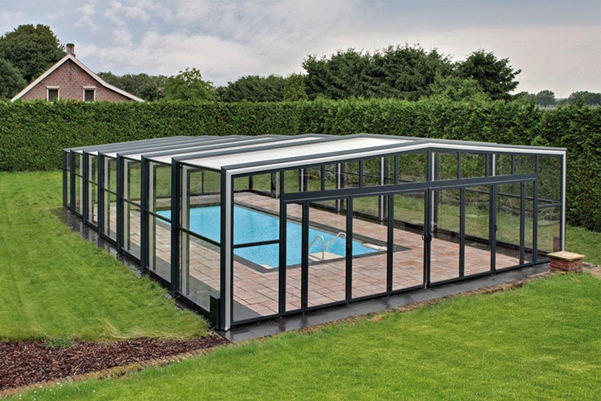
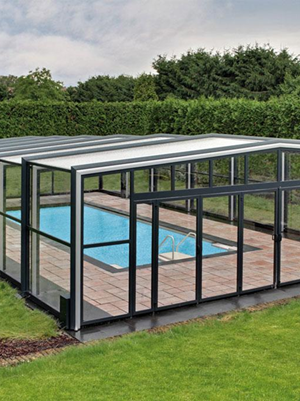
How Retractable Pool Enclosures Extend Your Swimming Season Year-Round?

Swimming is one of life’s simplest pleasures, yet for many homeowners, it’s often limited to a few warm months each year.

Unpredictable weather, chilly temperatures, and seasonal changes can turn your backyard oasis into an unused space for months at a time.

Fortunately, retractable pool enclosures make it possible to enjoy your pool year-round, while also enhancing your home’s value, safety, and convenience.

1. Temperature Control for Year-Round Comfort

One of the biggest advantages of a retractable pool enclosure is the ability to maintain a comfortable swimming environment regardless of the season.

These enclosures act as a thermal barrier, trapping heat from sunlight and preventing cold air from lowering the water temperature. In cooler months, your pool stays warm and inviting, extending your swimming season well beyond the summer.

Many homeowners also pair retractable enclosures with solar heating systems, maximizing energy efficiency and reducing the need for constant heating.

2. Protection from Weather Elements

Rain, wind, and even snow can make swimming outdoors unpleasant or impossible.

These enclosures offer protection from the elements without obstructing your view of the backyard.

Because the enclosure is retractable, you can easily open it on sunny days to experience the open air and sunshine, and close it during storms or windy conditions. This flexibility ensures that your pool remains usable in almost any weather.

3. Enhanced Safety for Families

For families with children or pets, safety is a top priority.

Retractable pool enclosures serve as a secure barrier, helping to prevent accidental pool falls. When closed, the enclosure restricts access, giving parents peace of mind while still allowing pool use when supervised.

Unlike fixed enclosures, the retractable design provides versatility, so you don’t sacrifice aesthetics or accessibility for safety.

4. Reduced Maintenance and Cleaner Water

Outdoor pools often require frequent cleaning due to debris such as leaves, dirt, and insects.

A retractable enclosure minimizes exposure to these contaminants, keeping your water cleaner for longer and reducing the amount of time spent on pool maintenance.

Moreover, by limiting exposure to sunlight and debris, these enclosures help maintain balanced water chemistry, extend the lifespan of pool equipment, and reduce reliance on chemicals.

5. Year-Round Entertainment and Wellness

With a retractable pool enclosure, your backyard transforms into a versatile entertainment space.

Whether it’s a summer pool party, a fall swim, or a winter wellness routine, the enclosure allows for consistent use regardless of the season. Swimming is a low-impact exercise that benefits cardiovascular health, joint mobility, and mental well-being.

By extending the swimming season, you encourage regular physical activity and create opportunities for family bonding, relaxation, and social gatherings throughout the year.

6. Increased Property Value and Aesthetic Appeal

Beyond the functional benefits, retractable pool enclosures enhance the aesthetic appeal of your home.

Modern designs are sleek, stylish, and customizable, complementing the architecture of your property. Potential buyers see an enclosed pool as a significant upgrade, not only extending usability but also showcasing a low-maintenance and weather-protected feature.

This investment can boost property value while offering long-term enjoyment for your family.

read more
Home improvement

Timber Frame Construction and Modular Home Design Explained

Choosing a building system is a critical first step for any residential project. Modern approaches offer distinct advantages over traditional techniques. This article explores two prominent methods gaining popularity across the United Kingdom.

These systems appeal to homeowners, developers, and self-builders seeking efficient, high-quality results. The timber frame approach and modular processes represent different paths to the same goal. Both can create comfortable, durable, and sustainable living spaces.

A key consideration for many is energy performance. It is noteworthy that both systems can achieve rigorous Passive House certification. This standard signifies exceptional thermal efficiency, potentially reducing heating energy use by up to 90%.

However, the way each system meets these high standards differs. This analysis will compare factors like build speed, adaptability, and long-term performance. Understanding these differences is crucial for making an informed decision on your timber frame or modular project.

Key Takeaways

  • Two modern building methods offer alternatives to traditional construction.
  • Both systems are suitable for achieving top-tier energy efficiency standards.
  • The comparison covers essential factors like speed, flexibility, and durability.
  • This information is vital for anyone planning a new build or development.
  • Sustainable, high-performance homes are a realistic goal with these approaches.
  • Practical insights will help guide your project planning and decision-making.

Introduction to Timber Frame Construction and Modular Home Design

For those embarking on a residential build, selecting the right methodology is paramount. Two leading contemporary approaches are the timber frame system and modular home design. Both offer distinct routes to creating high-performance, sustainable dwellings.

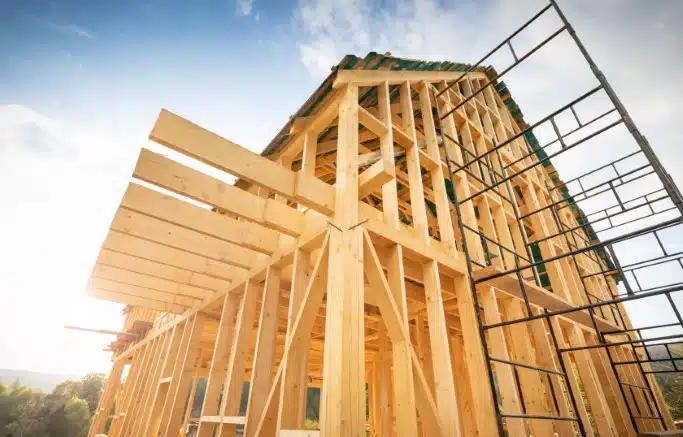
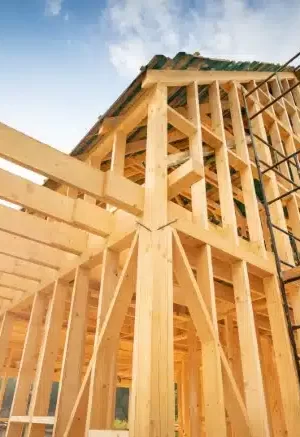
timber frame structure uses wood as its main load-bearing element. Components can be crafted on-site or arrive as pre-made panels. This technique allows for significant precision and control during the construction phase.

Conversely, modular houses are produced entirely in a controlled factory setting. These complete modules are then transported to the location for final assembly. This process often leads to remarkably shortened on-site schedules.

Popularity for these methods has surged in the UK. The drive comes from a greater focus on sustainability, faster completion times, and superior energy standards. Modern iterations integrate advanced features like airtight seals, superior insulation, and mechanical ventilation systems.

While they share a goal of exceptional efficiency, their fundamental processes differ greatly. Grasping these contrasts in flexibility, site needs, and workflow is crucial for a successful project. The optimal choice hinges on specific site conditions, budgetary limits, and desired timelines.

Understanding the Principles of Timber Frame Construction

Contemporary building methodologies have evolved to meet demanding energy standards and client expectations. The timber frame approach represents a sophisticated system where wood serves as the primary structural material. This technique utilises precision-engineered components manufactured to exact specifications.

Modern systems achieve remarkable consistency in quality and structural integrity. The process can involve on-site assembly or panelised delivery methods. Both options maintain the system’s core principles while offering different implementation pathways.

Key Benefits

This building method delivers exceptional thermal performance. Systems like the Beattie Build achieve U-values of 0.11 W/m²K or better as standard. This represents outstanding insulation efficiency that significantly reduces energy consumption.

The design creates a thermal bridge-free envelope. Insulation integrates seamlessly throughout floors, walls, and roofs. This eliminates cold spots and heat loss pathways that compromise energy efficiency.

Architectural flexibility stands as another major advantage. Timber frame houses support fully bespoke designs without compromising aesthetics. They adapt well to various site types including urban infill and sloping plots.

Integrated mechanical ventilation with heat recovery provides continuous fresh, filtered air. Additional benefits include protection from fire, flood, and radon. Superior sound transfer resistance enhances living comfort.

Potential Challenges

Construction timescales typically require moderate planning compared to rapid assembly systems. However, panelised delivery options can accelerate the process significantly. Careful site management remains essential during building phases.

Weather protection during construction requires consideration. Modern practices and temporary coverings effectively mitigate these concerns. Achieving certified Passivhaus performance demands expertise, though pre-approved systems eliminate guesswork.

Exploring Modular Home Design Concepts

Pre-fabricated building sections manufactured in controlled environments offer a modern alternative to traditional methods. These complete modules arrive on-site ready for rapid assembly, representing a systematic approach to residential creation.

The process involves factory production where entire rooms or building sections are crafted with internal finishes already installed. This methodology ensures consistent standards across multiple units while minimising on-site work.

Advantages of Modular Construction

Speed stands as the primary benefit. Manufacturing and assembly can occur within weeks rather than months. This rapid delivery makes the approach ideal for projects with tight timelines.

Factory quality control reduces errors and enhances airtightness performance. Controlled conditions eliminate weather-related delays and ensure precision throughout the manufacturing process.

On-site disruption is significantly minimised. Less noise, waste, and labour hours are required at the building location. This proves particularly beneficial for urban sites or sensitive locations.

Aspect Traditional Building Modular Approach
Production Time 6-12 months 8-16 weeks
Quality Control Weather-dependent Factory-controlled
Site Disruption High noise and waste Minimal impact
Layout Flexibility Fully customisable Best for standardised plans

This system excels with repeatable layouts, making it perfect for developers working on schemes with uniform plots. The method supports affordable housing initiatives while maintaining high standards.

Energy Efficiency and Sustainable Building Practices

The pursuit of energy efficiency represents a fundamental shift in contemporary residential building philosophy. Modern approaches focus on reducing environmental impact while enhancing occupant comfort. Sustainability now encompasses multiple factors beyond simple energy savings.

These considerations include embodied carbon in materials, operational consumption, and waste reduction. Long-term building performance has become a primary concern for developers and homeowners alike. Both timber frame and modular methods contribute significantly to these goals.

Passive House Standards

Passivhaus certification represents the gold standard for energy-efficient building design. This internationally recognised approach delivers exceptional performance results. Homes built to this standard use up to 90% less energy for heating.

Airtight construction and thermal bridge elimination achieve these remarkable savings. High-performance insulation works with advanced windows and MVHR systems. This ensures constant fresh, filtered air while maintaining superior indoor quality.

The standard delivers significantly lower operational emissions throughout the year. Consistent thermal comfort is maintained regardless of external weather conditions. Both building methods can achieve certification, though pathways may differ.

Energy-efficient construction reduces long-term costs for homeowners. It also contributes to broader environmental goals of carbon reduction. This makes sustainable building a practical choice with lasting benefits.

Comparing timber frame construction and modular home design: A Detailed Comparison

Project success often depends on selecting the most appropriate building methodology based on specific site conditions and performance goals. This analysis examines critical factors that influence the choice between these two prominent approaches.

Construction speed presents a clear distinction. Modular systems offer very fast assembly, often completed within weeks. The timber frame approach requires moderate timescales, though panelised delivery options can accelerate the process significantly.

Airtightness performance varies between the methods. Factory-controlled manufacturing ensures good results in modular houses. Certified Passivhaus timber frame systems deliver excellent airtightness with verified standards.

Criteria Modular Approach Timber Frame System
Thermal Bridging Low-Moderate at joints None – continuous design
Design Flexibility Limited by transport size High – fully bespoke
Site Requirements Level plot, crane access Adapts to various terrains
MVHR Integration Optional specification Standard inclusion

Transport and access considerations differ substantially. Modular delivery can be complex, requiring wide roads and crane equipment. Standard delivery options suit most locations for timber frame projects.

Built-in protection features also show variation. Fire, flood, and radon protection depends on the provider in modular construction. Timber frame systems incorporate these safeguards as standard.

Certification pathways complete the comparison. Modular systems’ Passivhaus certification depends on the provider’s approach. Certified timber frame systems receive pre-approval from the Passivhaus Institute.

Design Flexibility and Customisation Options

Architectural expression and adaptability to unique circumstances distinguish superior building systems. This flexibility significantly impacts a project’s ability to meet specific functional requirements and site conditions.

Architectural Freedom

The timber frame approach offers virtually unlimited design possibilities. It accommodates complex geometries, varied roof pitches, and large glazed areas without compromising aesthetics.

This method supports fully bespoke designs that reflect individual preferences. Prefabricated elements maintain aesthetic quality while enabling unique architectural features.

Modular systems face constraints from transportation sizes, typically limiting modules to approximately 4 metres wide. They work best with standardised layouts, though various configurations remain possible within these parameters.

Site Adaptability

Timber frame construction excels on challenging sites including urban infill plots and sloping terrain. Components arrive as manageable panels suitable for standard delivery vehicles.

Modular approaches require specific site conditions like level ground and crane access. Tight access points or rural roads with restrictions can prove problematic for delivery.

Both methods offer some adaptability for future modifications. However, initial design options differ significantly between the two approaches.

Construction Speed and On-Site Considerations

Build duration emerges as a decisive factor when evaluating modern residential building approaches. Project timescales significantly impact development costs and financing arrangements. This affects the viability of commercial housing projects and self-build schemes alike.

Factory Production Efficiency

Factory-based manufacturing maximises speed through controlled environments. Multiple dwellings can be produced simultaneously, with production proceeding alongside site preparation. This approach delivers completed buildings within weeks from order to installation.

Controlled manufacturing ensures consistent quality control. It reduces errors and improves airtightness through precise assembly. Panelised systems also benefit from factory prefabrication before site delivery.

Minimised On-Site Disruption

Factory-built methods dramatically reduce on-site activity. Modules arrive substantially complete, requiring only placement and connection services. This approach means less noise, dust, and traffic disruption.

Reduced on-site time proves valuable for urban locations or occupied areas. Both approaches generate less waste than traditional methods. Factory-based cutting enables better recycling practices.

The trend towards simplified building favours systems with high prefabrication. This benefits both factory-built and panelised approaches. It represents an efficient way to create quality homes.

Advanced Solutions for Insulation and Airtightness

Advanced building envelopes rely on sophisticated insulation strategies to minimise energy loss. These systems achieve exceptional thermal performance through integrated design approaches.

Insulation and airtightness represent the two fundamental pillars of energy-efficient building. They work together to reduce operational consumption and heat transfer.

Modern timber frame systems achieve outstanding U-values of 0.11 W/m²K or better. This represents exceptional thermal resistance exceeding standard requirements.

The concept of thermal bridge-free envelopes ensures continuous insulation throughout the structure. There are no gaps or weak points that compromise efficiency.

Feature Timber Frame Approach Factory-Built Method
U-Value Performance 0.11 W/m²K or better Varies by specification
Airtightness Achievement Verified Passivhaus standards Factory quality control
Insulation Integration Complete cavity filling Precise module assembly
Thermal Bridging Eliminated throughout Minimised at joints

Factory-controlled manufacturing ensures precise installation of materials. This approach delivers consistent performance thanks to quality assurance processes.

Cell-form constructions meet strict ecological and energy requirements. Both methods benefit from prefabrication advantages over traditional site work.

Advanced solutions deliver tangible benefits including reduced heating costs. They also improve comfort and eliminate draughts for superior living conditions.

Highlighting Timber Kit Design and Its Advantages

Timber Kit Design simplifies the process of creating sustainable, stylish dwellings through precision manufacturing. This approach provides prefabricated components delivered as comprehensive kits. These kits contain all structural elements needed for assembly.

These systems offer an accessible entry point for a self build project. Precision-engineered components can be erected by competent builders. Specialist installation teams can also handle the assembly for a rapid result.

Flat pack houses represent an evolution of this concept. Components are manufactured to exact specifications and numbered for sequence. This allows for swift on-site construction.

The method suits various project types. It is ideal for complete new-build houses and adding an extension to an existing property. Standalone garden buildings or annexes are also popular applications.

Cost-effectiveness is a major advantage. Premium-quality designs are available at competitive prices. This is achieved by optimising factory processes and reducing on-site labour.

Modern aesthetics are a key feature. Stylish, contemporary designs rival architect-designed custom homes. Suppliers like Siphouse offer various configurations, including passive houses and distinctive A-frame profiles.

Design flexibility exists within standardised frameworks. Layouts, finishes, and specifications can be customised. This allows projects to suit individual requirements and budgets.

Project Type Kit Suitability Key Benefit
New Build Excellent Speed and precision
House Extension High Minimised disruption
Garden Building Ideal Cost control

Complete insulation solutions are often standard. These typically incorporate insulated panels and double-glazed glass windows. Kit-based approaches make high-quality, energy-efficient housing more accessible.

The Role of Innovative Timber Kit in Modern Construction

Kit-based systems represent a significant evolution in residential building techniques. These approaches blend traditional craftsmanship with digital design tools and sustainable principles. Timber Kit Design incorporates advanced engineering like computer-aided design and precision cutting.

Modern timber frame house kits benefit from decades of research and development. They incorporate lessons from thousands of completed projects. This refinement improves details and streamlines assembly processes.

Flat pack timber frame houses showcase innovation in logistics. Components are designed for efficient transport with minimal waste. Straightforward assembly sequences make them accessible.

These systems address contemporary housing challenges effectively. They offer solutions for affordability, sustainability, and skills shortages. Rapid delivery of quality homes becomes achievable.

Project Type Kit Benefits Key Advantage
Self Build Clear instructions, expert support Accessible for homeowners
House Extension Minimal disruption, seamless integration Practical property expansion
New Development Standardised quality, rapid completion Efficient for multiple units

The trend towards simplified, CO₂-optimised building favours timber construction with high prefabrication. Timber Kit approaches position frame houses as future-ready solutions. Experts continue advancing the technology with new materials and enhanced details.

These innovative methods expand possibilities for sustainable residential development. They combine flexibility, sustainability, and aesthetic appeal. This makes them ideal for modern lifestyles and evolving social structures.

Reliability and Future Trends in Timber Construction

The long-term viability of modern building systems is demonstrated through successful projects and ongoing innovation. Real-world examples prove their reliability while pointing toward future developments.

The Tros yr Afon development in Llanrwst serves as an excellent case study. Beattie collaborated with Creating Enterprise and Cartrefi Conwy to deliver eight affordable dwellings. This project used a panelised system for rapid assembly.

These properties achieved Passivhaus certification with exceptional energy performance. They incorporated MVHR systems and achieved airtightness results below 0.6. The development included four two-bedroom and four three-bedroom units across 732m².

Evolving Market Demands

Housing requirements are shifting toward greater sustainability and efficiency. Developers and local authorities now prioritise low operational costs and minimal carbon emissions.

Future residential needs include adaptability for changing family structures. Home working requirements and climate resilience are also key considerations. These evolving demands shape building methodologies.

Innovative Building Solutions

Emerging technologies continue to advance construction capabilities. Digital design tools and enhanced manufacturing processes increase precision.

Experts develop solutions that address evolving regulations while maintaining cost-effectiveness. The integration of smart technology creates smarter living spaces.

Future Housing Need Timber Construction Solution Benefit
Sustainability Renewable materials Reduced environmental impact
Energy Efficiency Superior insulation Lower running costs
Adaptability Flexible design options Future-proof living spaces

This approach meets the requirements of tomorrow’s housing market. It represents a reliable solution for sustainable development.

Conclusion

Both systems present compelling advantages, but the ideal choice varies according to individual circumstances. Each approach offers viable pathways to creating efficient, sustainable dwellings that meet rigorous performance standards.

If you’re looking for rapid assembly on straightforward sites with standardised layouts, the factory-built method proves effective. However, when greater design flexibility and certified energy performance are priorities, the timber frame system stands out. It adapts well to various site conditions and delivers proven results.

The decision ultimately depends on specific requirements, budget, and timeline expectations. Whether planning new houses, extensions, or larger development projects, careful evaluation of priorities is essential. Consulting with experts can help determine the best approach for your particular case.

Both methods contribute significantly to sustainable housing goals. They reduce environmental impact while creating comfortable, healthy living spaces for occupants across the United Kingdom.

FAQ

What are the primary advantages of choosing a timber frame house?

Timber frame houses offer several key benefits, including superior energy efficiency due to the space available for high-performance insulation. They are also known for their speed of erection, as the structure can be manufactured off-site, reducing build time and on-site disruption significantly.

How does modular home design differ from traditional building methods?

Modular home design involves constructing sections, or modules, in a controlled factory environment. These units are then transported to the site for assembly. This method contrasts with traditional on-site building, offering greater quality control, faster project completion, and often reduced waste.

Can a self-build project incorporate both timber frame and modular principles?

Absolutely. Many self-build projects successfully combine a timber frame structure with modular or kit home elements. This hybrid approach can leverage the strengths of both methods, providing design flexibility, a faster build programme, and excellent thermal performance for the finished home.

Are there specific planning requirements for a timber frame extension?

The planning requirements for a timber frame extension are generally the same as for any other extension material. One must adhere to local planning policies and building regulations. The key considerations often relate to the design’s appearance, its impact on neighbours, and demonstrating compliance with energy efficiency standards.

What makes timber kit houses a popular choice for developers?

Developers favour timber kit houses for their predictability and efficiency. The off-site manufacturing process allows for precise scheduling and cost control, accelerating the overall development timeline. The high quality and energy efficiency of the finished properties also meet modern market demands effectively.

How is airtightness achieved in modern timber frame construction?

Airtightness is crucial for energy performance. It is achieved through careful design and meticulous installation of a continuous airtight barrier, typically a specialised membrane. This barrier is integrated with the structure during erection, preventing unwanted air leakage and ensuring the insulation works to its full potential.

read more
Home improvement

How to Get Rid of Fire Ants: A Simple, Smart, and Long-Lasting Approach

Fire ants − plaguing and pestering; but wait − there’s more. They are aggressive, sting, cause exterior destruction, and multiply quickly. If they force their way into the room, they take the room. In this guide, you will learn how to eradicate fire ants with solutions that really work. No fluff. Just results.

What Makes Fire Ants So Difficult to Get Rid Of?

Fire ants have deep nests whereas they defend their queen by any measure. If the queen remains alive, there is no point in killing the ants you see. Which is why so much DIY fails.

To learn how to get rid of fire ants effectively, you need a program that eliminates the entire colony, not merely the surface activity.

Step 1: Early Identification of the Problem

If you act quickly, it’s easy to take control. Look for these signs:

  • Breezy soil hills without a visible entrance
  • Aggressive swarms of ants when disturbed
  • They leave itchy bumps after painful stings

Once confirmed, don’t wait. Fire ants multiply quickly.

Step 2: Use Bait, Not Sprays

Baits are essential how to kill fire ants effectively.

Fire ant bait is effective because it is transported back to the nest by worker ants. They dutifully bring the poison to the queen, and the colony dies from within.

Best practices for bait use:

  • Use during periods when ants are actively foraging
  • Keep bait dry and fresh
  • Apply sparingly, less is (definitely) more

Expect results in 1–3 weeks. That’s normal.

Step 3: Apply Mound Drenching (Where Necessary)

Direct treatment is beneficial here because if a mound is still active after being baited

Options include:

  • Approved chemical mound treatments
  • Pouring boiling water (works, but can damage your plants)

This step promotes the overall strategy. It does not replace bait.

Step 4: Eliminate the Conditions That Attract Fire Ants

Fire ants will gather every type of food, water, and shelter can be found. Long-term success depends on prevention.

Basic adjustments can be gamechangers:

  • Pick up spilled food and pet feed
  • Fix standing water issues
  • Maintain mowed grass and compacted soil

This is a repetition of these steps that explain how to exterminated fire ants.

Step 5: Maintain Auroral Cottage on a Regular Basis

Left untreated, fire ants often come back. The seasonal treatments prevent re-infestation from happening in the first place.

A basic maintenance plan includes:

  • One or two applications of light bait carried out yearly
  • Regular yard inspections
  • Immediate response to new mounds

Every damn time, consistency is awesome and aggressive spraying sucks.

The Most Important Mistakes That Prevent Fire Ants from Dying

This problem is often unknowingly made worse by the many people.

Avoid these:

  • Spraying only visible ants
  • Using random home remedies
  • Overusing pesticides

The colony lives or dies on the queen: if she lives, they live, and vice-versa. That’s the hard truth.

Final Thoughts

Removing fire ants is all about strategy, timing, and patience; Not a simple one, but one that works perfectly fine. Use bait first. Support it with targeted treatments. Prevent what attracts them. Stay consistent.

Fire ants are not going to return if you do it right once.

read more
Home improvement

A Guide to Eliminating Bottlenecks in Condo Interior Design Ideas in Singapore

Designing a comfortable, visually engaging home often feels like solving a puzzle, especially in modern condos, where every square metre matters. Many homeowners exploring home interior design options in Singapore eventually discover that the most common frustrations come from bottlenecks: tight corridors, awkward room flow, inefficient layouts, and storage that never quite keeps up with daily life. Meanwhile, families searching for inspiration through condo interior design ideas in Singapore realise that good design is about decoration and removing friction from everyday routines.

Where Bottlenecks Begin

In many homes, bottlenecks start with layout constraints that restrict movement or overwhelm the senses. Structural limitations often dictate the initial flow of a home. A strong home interior design in Singapore begins with recognising these constraints early. When homeowners understand the physical boundaries of their unit, they can make clearer decisions about furniture sizes, lighting placement, and spatial zoning.

Exploring condo interior design ideas in Singapore also shows how thoughtful planning prevents common pain points from developing. Unclear zoning can blur the line between living and dining, making the space feel congested during gatherings. Eliminating bottlenecks is less about working around problems and more about creating intentional flow that enhances comfort.

Rethinking Layouts for Better Movement

Many bottlenecks form when circulation paths compete with functional areas. A sofa that blocks a corridor or a dining table too close to the kitchen entrance can disrupt movement. Creative layout arrangements that open up pathways and reduce clutter.

Effective home interior design in Singapore draws from spatial logic. Visual hierarchy, furniture placement, and balanced proportions help guide movement naturally. When homeowners explore condo interior design ideas in Singapore, they often find solutions that boost openness without requiring structural renovation. The goal is to design a home where people move intuitively, encountering fewer obstacles and more enjoyable spaces.

Storage That Works With, Not Against, the Space

Storage inefficiency is one of the biggest contributors to bottlenecks. Overstuffed cupboards, bulky shelves, and misused corners slow down routines and affect the overall feel of the home. Clutter increases decision fatigue and makes spaces feel smaller.

Built-in cabinetry is a common strategy used in home interior design projects in Singapore to maximise vertical space and free up floor area. In compact units, recessed shelves and wardrobe integrations minimise visual heaviness. Homeowners browsing condo interior design ideas in Singapore also find clever solutions like bay-window storage benches, modular compartments, and slimline shoe cabinets that prevent items from spilling into walkways.

Using Lighting to Improve Spatial Efficiency

Lighting plays a subtle but powerful role in eliminating bottlenecks. Dark corners compress a room visually, while uneven lighting creates areas that feel disconnected. Layered lighting shapes circulation by clarifying where activities happen.

In home interior design in Singapore, lighting design often enhances spatial flow by guiding the eye toward functional zones. Soft illumination near entranceways helps anchor the start and end of home routines. Lights are strategically positioned to widen narrow corridors or highlight transition points, making the home feel more spacious and intuitive.

Material Choices That Reduce Visual Congestion

Busy patterns, clashing colours, or oversized décor can make a room feel cluttered even when it isn’t. Materials with clean lines and subtle textures encourage calmness and cohesion.

A good home interior design in Singapore focuses on material consistency across connected spaces. Using a unified flooring type or a coordinated colour palette helps the eye move smoothly from one zone to another.

When reviewing condo interior design ideas in Singapore, homeowners often gravitate towards materials like light wood laminates, soft earth tones, and matte finishes that reduce glare and visual noise. Less visual friction means a more relaxing home, where spaces feel open and connected.

Designing for Real Routines, Not Ideal Ones

The importance of designing is for how people actually live, and not how they imagine they will. Bottlenecks appear when homes are designed around special occasions rather than everyday habits. A dining area planned for large gatherings may dominate the space even though daily use is minimal.

In home interior design in Singapore, a practical approach considers morning traffic in the kitchen, work-from-home needs, family movement patterns, and cleaning routines. Many condo interior design ideas in Singapore focus on multi-functional furniture and flexible layouts, allowing spaces to shift between roles without disrupting flow.

Conclusion

Eliminating bottlenecks is a thoughtful process that transforms inconvenience into ease. Whether exploring options through home interior design resources or browsing condo interior design ideas in Singapore, the most successful designs prioritise movement, clarity, and purpose. When layout, lighting, materials, and storage work together, the home feels more intuitive and enjoyable. As you plan your next renovation, picture a space that supports your routines, because a smooth-flowing home is one where comfort comes naturally.

Ready to rethink your condo layout? Visit Fineline Design and explore ideas that turn everyday routines into effortless experiences today.

read more
Home improvement

How to Choose the Right Membrane Waterproofing System for Residential and Commercial Builds

Waterproofing membrane serves as a protective layer that prevents water from seeping into structures. It plays a vital role in safeguarding roofs, basements, balconies, and wet areas from moisture damage. Residential and commercial buildings require effective waterproofing to maintain strength and prevent leaks that can lead to costly repairs. The system acts as a continuous barrier, keeping internal spaces dry while extending the lifespan of concrete and structural components. Proper moisture control is also essential when planning long-term building upkeep or related works such as concrete pavement repair, where durability and protection against water exposure are just as important.

Selecting the correct membrane involves assessing the building’s function and environmental exposure. A residential property may require lighter protection compared to large-scale commercial builds that face frequent stress, vibration, and temperature variation. Consulting a building materials supplier helps ensure the right combination of performance, flexibility, and compatibility for the project.

Types of Membrane Waterproofing Systems

Two common types dominate modern construction: liquid-applied membranes and sheet-based membranes. Each option offers distinct advantages, depending on surface conditions and project scale.

Liquid-applied membranes form seamless, joint-free coatings that adhere directly to concrete. They are ideal for irregular surfaces or areas with complex shapes. The flexibility of the liquid layer allows it to stretch and bridge small cracks, providing consistent coverage without seams.

Sheet-based membranes, on the other hand, come in prefabricated rolls made from bituminous, PVC, or HDPE materials. They provide uniform thickness and predictable performance. Installation involves overlapping and sealing each sheet to create a watertight layer. This system suits large flat surfaces such as rooftops or underground walls where consistent thickness is crucial.

A professional building materials supplier can guide contractors in choosing between these systems by evaluating project requirements, application conditions, and maintenance considerations.

Key Factors in Selecting a Suitable System

Choosing a waterproofing solution requires careful evaluation of multiple factors. Climate, substrate type, structural movement, and exposure level all influence the decision. For tropical environments, waterproofing must withstand humidity, heavy rainfall, and UV exposure. Durability and flexibility become decisive factors in preventing cracking or peeling.

In residential applications, ease of installation and cost-effectiveness typically influence choices. Homeowners prefer membranes that minimise maintenance and provide long-term protection for bathrooms, terraces, or basements. Commercial buildings, however, demand more robust systems capable of handling structural stress, constant traffic, and potential water pressure from surrounding soil.

Compatibility between the membrane and substrate also affects adhesion and longevity. Improper pairing can result in blistering or delamination. Selecting materials from a reputable building materials supplier ensures quality assurance and technical support during installation.

Installation and Quality Assurance

Proper installation determines the effectiveness of any waterproofing membrane system. Surface preparation involves cleaning, priming, and levelling the substrate to guarantee strong adhesion. Even small imperfections can compromise performance. Applying the membrane under controlled conditions prevents air pockets, uneven coating, or weak bonding.

Quality inspection follows each stage of application. Pressure tests, visual assessments, and leak detection methods confirm integrity before overlaying protective finishes or tiles. Adhering to manufacturer guidelines and using compatible adhesives or sealants improves long-term reliability.

Partnering with an experienced building materials supplier ensures access to certified installers and product training. Their technical expertise supports contractors in achieving consistent results across various projects, whether for small residential units or large commercial complexes.

Maintenance and Long-Term Performance

Ongoing inspection and maintenance extend the lifespan of any waterproofing system. Regular checks identify minor issues such as cracks, peeling, or punctures before they escalate into structural problems. Areas exposed to constant foot traffic or heavy machinery benefit from additional protective coatings.

For residential properties, maintaining clean drainage outlets prevents ponding water that can weaken the membrane. Commercial buildings may require periodic reapplication or reinforcement in high-stress zones. Selecting materials from a trusted building materials supplier allows easy sourcing of compatible repair products and technical support over time. These same proactive maintenance principles apply to external works like concrete pavement repair, where early intervention helps preserve stability and safety.

A well-maintained membrane waterproofing system not only prevents moisture intrusion but also preserves the building’s structural value, appearance, and safety for years.

Strengthen your building projects with reliable waterproofing solutions. Contact ARDEX QUICSEAL today for a trusted building materials supplier in Singapore offering high-performance waterproofing membrane systems that meet residential and commercial requirements.


read more
Home improvement

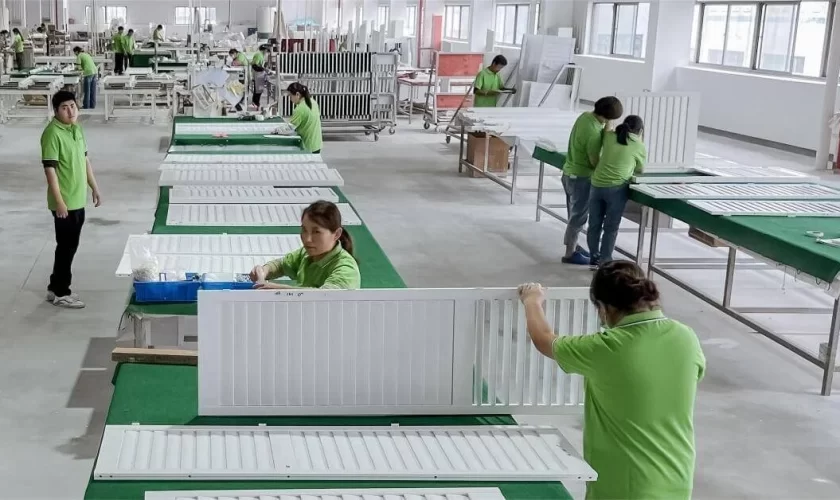
What to Look for When Choosing a Shutters Manufacturer?

Shutters are a long-term solution for window treatment that function well for light blocking, privacy, or providing the desired aesthetic that is clean and organized. Because shutters are often custom-made products that are permanently affixed, the manufacturing quality impacts the functionality that can be expected.

This page describes the role of a shutters manufacturers and the importance associated with the selection of a shutters manufacturers.

What Does a Shutters Manufacturer Do?

A manufacturer of shutters is required to produce shutters utilizing carefully selected material, accurate measurements, and correct assembling techniques. It entails cutting parts, installing louvres, and making the shutters functional.

The production process has a direct influence on durability, look, and usability.

The Significance of Quality in Manufacturing

Quality manufacturing means the shutters are a proper fit and work well. Poor-quality manufacturing means the shutters might not open and close alike, could be hard to operate, and might not last.

Trustworthy manufacturers are known for accuracy, consistency, and attention to detail.

Materials Used in Shutter Manufacturing

The selection of material used in shutters is a key determinant of their quality. Durable shutters made from quality material remain resistant to warping, cracking, or fading.

The material used is of utmost importance, particularly where sunlight and temperatures are a factor.

Precision and Custom Fit

Most shutters come custom-made, according to individual windows. Getting accurate measurements and manufacturing shutters precisely are necessary to have them fit properly.

Better-fitting shutters are more aesthetically pleasing, light-tight, and easier to use.

Smooth Operation and Functionality

The shutters should open and close easily. The louvres should open easily and hold their set position after adjustment.

A good manufacturer incorporates quality hinges and fittings to facilitate normal usage.

Long-Term Durability & Hardiness

Shutters are made to endure for a long time. A reputable manufacturer ensures that their product has longevity and durability to withstand normal usage.

Their durability lessens the likelihood of repairs and, in effect, maintains a constant performance level.

Consistent Production Standards

Reliable manufacturers employ consistent standards of production. All shutters would then have an equal level of quality.

Quality tests during production can minimize flaws and enhance overall performance.

Made for Australian Conditions

Australian shutters need to provide protection against strong sunlight and high temperatures. Only manufacturers aware of these requirements are able to produce functional shutters.

This assists the shutters in retaining their colour, form, and functionality.

Ease of Maintenance

Well-made shutters are also easier to maintain. It is also easy to clean well-made shutters.

The advantage of easy maintenance makes shutters an even more appealing solution for window covering.

Why the Manufacturer Matters

The involvement of the manufacturer remains crucial in the design and performance of shutters. No amount of good design will work if the quality of the manufacture is not up to the mark.

To guarantee that shutters provide comfort, aesthetic appeal, and longevity, one should consider the selection of the manufacturer carefully.

The Informed Decision

In choosing shutters, care should be given to whether and how the shutters are made. Quality of manufacture has a bearing on this.

This knowledge of the role of the manufacturer is important for making good decisions. At Pamido, we produce high-quality window shutters. We manufacture high-quality shutters intended for use in Australian residences as well as in Australian commercial establishments. We cater to those in search of a shutters manufacturer in Newcastle.

read more
Home improvement

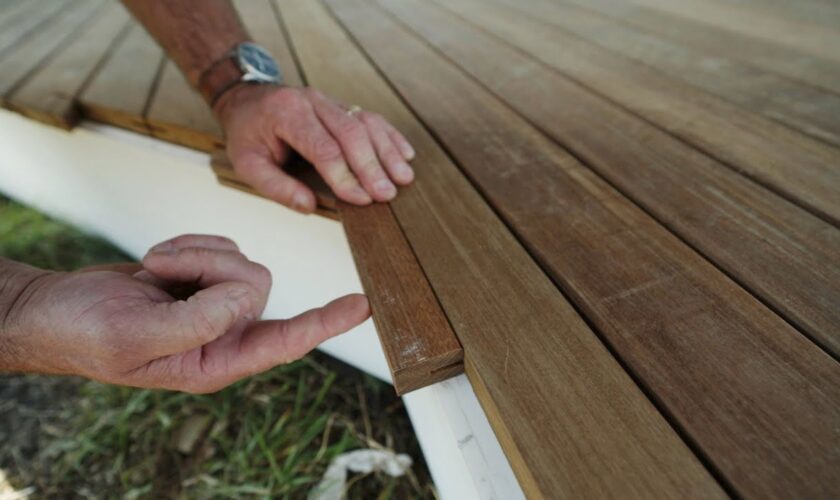
Professional IPE Deck Installation for Longevity

The exotic hardwood IPE is prized. It offers exceptional durability and beauty. Proper installation is critical for a lasting deck. IPE wood is very dense. It resists decay insects and rot. Incorrect techniques lead to problems. Warping splitting and cupping are common issues. Following professional methods ensures structural integrity. This hard work pays off long term. A beautiful low maintenance deck results. This guide covers essential installation steps. Adherence to these steps is necessary. You will achieve a professional lasting IPE deck.

Foundation and Framing Preparation

A solid foundation supports the IPE deck. Inspect the existing structure carefully. Ensure all ledger boards are properly fastened. Use hot-dip galvanized fasteners for framing. This prevents premature corrosion damage. The deck frame must be absolutely level. Proper slope ensures effective water drainage. Water pooling shortens wood lifespan. Joists must be correctly spaced. Standard spacing is sixteen inches on center. IPE decking requires maximum support. Use double joists at deck edges. Ensure the framing lumber is dry. Wet wood shrinks after installation. This movement affects deck stability. Apply a protective sealant to the top. A joist tape barrier is recommended. This shields the framing from moisture. Preparation prevents future problems. This step is extremely important.

Pre-Drilling and Fastening IPE Boards

IPE is incredibly hard dense wood. Pre-drilling is completely necessary for IPE. Fasteners snap without this crucial step. Use high-quality stainless steel screws always. Stainless steel resists corrosion well. Use a drill bit slightly larger. The diameter is for the screw shank. Drill holes straight and perfectly plumb. Avoid drilling at an angle always. Install one screw at every joist location. Use two screws at the ends of each board. Fasten the board ends securely always. This prevents the board from splitting. Consider hidden fastening systems too. Hidden systems offer a clean smooth finish. They require specialized clips and tools. Check the manufacturer guidelines closely. Consistent fastening ensures long board life. Improper fastening causes future failure.

Consistent Board Spacing and Gapping

Wood expands and contracts naturally. Proper gapping allows for wood movement. IPE boards require very careful spacing. A gap of three thirty-seconds inch works well. This space allows for effective drainage. It promotes air circulation underneath the deck. Use plastic deck spacers consistently. Maintain even gaps between all boards. Do not use random objects for spacing. Consistent gapping is visually appealing. It also prevents excessive water retention. Boards swell slightly during wet seasons. The gaps accommodate this expansion. Boards shrink during dry hot weather. Too tight a gap causes boards to buckle. Proper spacing is important for stability. This crucial step ensures water runoff. Check https://decksforlife.ca/deck-builder-in-vaughan/ for more information on this.

Acclimation and End Sealing for Protection

IPE wood must first acclimate. Let the boards sit outdoors always. Boards should remain on the job site. This process takes approximately two weeks. Stacking boards with spacers works best. This allows air to circulate freely. Acclimation adjusts moisture content. It prevents excessive future movement. End sealing is another critical step. IPE board ends are very vulnerable. They absorb moisture rapidly there. Apply a wax-based end grain sealer. Seal the board ends immediately. This step minimizes splitting damage. Sealer protects against moisture absorption. It prolongs the lifespan considerably. This protection is a small investment. It yields large long term returns. Sealing the ends prevents checking.

read more
1 2 3 19
Page 1 of 19