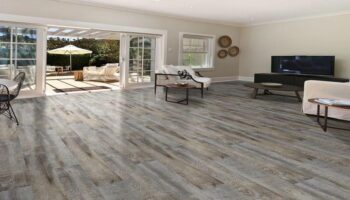
When it comes to choosing the best tile flooring for kitchens, homeowners need a solution that balances durability, water resistance, style, and ease of maintenance. The kitchen is one of the most heavily used spaces in any home-prone to spills, dropped cookware, foot traffic, and temperature changes-so flooring choices matter more here than almost anywhere else.
Tile flooring remains one of the most popular and practical kitchen flooring options in the U.S., offering long-term performance with endless design flexibility. Below, we break down the best tile flooring options for kitchens, what makes each one stand out, and how to choose the right tile for your space.
Why Tile Flooring Is Ideal for Kitchens
Tile flooring checks nearly every box for kitchen performance:
- Water and stain resistance for spills and splashes
- Exceptional durability against foot traffic and heavy appliances
- Easy maintenance with simple sweeping and mopping
- Design versatility, from modern to rustic styles
- Heat resistance, making it ideal near stoves and ovens
With proper installation and quality materials, tile flooring can last decades-making it a smart long-term investment for homeowners.
1. Porcelain Tile: The Best Overall Choice
Porcelain tile is widely considered the best tile flooring for kitchens due to its strength and low porosity. Fired at higher temperatures than ceramic tile, porcelain is denser, harder, and more resistant to moisture.
Benefits of Porcelain Tile:
- Highly resistant to water and stains
- Extremely durable for high-traffic kitchens
- Available in matte, textured, and polished finishes
- Can mimic wood, stone, or concrete
Porcelain is ideal for busy households, open-concept kitchens, and homes with pets or kids.
2. Ceramic Tile: Affordable and Stylish
Ceramic tile is a classic kitchen flooring option that offers excellent value. While slightly less dense than porcelain, it still performs well in kitchens when properly installed and sealed.
Why Homeowners Choose Ceramic Tile:
- More budget-friendly than porcelain
- Wide variety of colors, shapes, and patterns
- Easy to clean and maintain
- Lightweight and versatile
Ceramic tile works especially well in smaller kitchens, condos, or remodels where style and cost efficiency are top priorities.
3. Natural Stone Tile: Timeless and High-End
For homeowners seeking luxury, natural stone tiles-such as slate, travertine, marble, and granite-offer unmatched beauty. Each stone tile is unique, adding character and value to the kitchen.
Pros of Natural Stone Tile:
- Elegant, one-of-a-kind appearance
- Adds resale value
- Works well in upscale or traditional kitchens
Considerations:
- Requires sealing and ongoing maintenance
- More expensive than ceramic or porcelain
- Some stones can be slippery if polished
Stone tile is best suited for homeowners who prioritize aesthetics and are comfortable with a bit more upkeep.
4. Wood-Look Tile: Style Without the Worry
Wood-look tile combines the warmth of hardwood with the durability of tile, making it a top trend in modern kitchen design.
Why Wood-Look Tile Is Popular:
- Waterproof and scratch-resistant
- No warping or swelling like real wood
- Works with farmhouse, transitional, and modern styles
- Compatible with radiant floor heating
This option is perfect for homeowners who love the look of wood but need kitchen-friendly performance.
5. Patterned and Textured Tile for Safety and Style
Textured and patterned tiles are increasingly popular in kitchens-not just for aesthetics, but for safety. Slip-resistant finishes help reduce accidents, especially in homes with kids or seniors.
Popular design choices include:
- Hexagon tiles
- Herringbone and chevron patterns
- Encaustic-style designs
- Matte and anti-slip finishes
These tiles add visual interest while improving traction in wet areas.
How to Choose the Right Tile for Your Kitchen
When selecting the best tile flooring for kitchens, consider these key factors:
- Slip resistance (look for textured or matte finishes)
- Durability rating for heavy foot traffic
- Maintenance requirements
- Overall kitchen design and color scheme
- Professional installation quality
Even the best tile won’t perform well without proper installation, subfloor preparation, and grout selection.
Final Thoughts
Choosing the best tile flooring for kitchens comes down to balancing performance, style, and long-term value. Porcelain tile leads the pack for durability, ceramic offers affordability and variety, natural stone brings elegance, and wood-look tile delivers warmth without risk.
No matter which option you choose, quality materials and expert installation make all the difference. With the right tile flooring, your kitchen can stay beautiful, functional, and worry-free for years to come-no matter how busy life gets.
This post was written by a professional at Bradley’s Flooring & Tile. Welcome to Bradley’s Flooring & Tile, your trusted local flooring Raleigh NC installation company in Apex, NC. Family-owned and operated since 1997, we specialize in professional hardwood, carpet, tile, and luxury vinyl flooring installations, along with expert hardwood floor refinishing. Our team takes pride in delivering quality craftsmanship, honest guidance, and dependable service on every project. With deep roots in the Apex community, we’re honored when homeowners trust us to transform their spaces. We proudly serve Apex, Cary, Raleigh, Holly Springs, Fuquay-Varina, and Garner. Whether you’re updating one room or your entire home, Bradley’s Flooring & Tile is committed to making the process smooth, reliable, and done right the first time.