close

Robert Peterson

Home improvement

Sustainable Repair: Your Source for Household Parts

Why Repairing is Better than Replacing

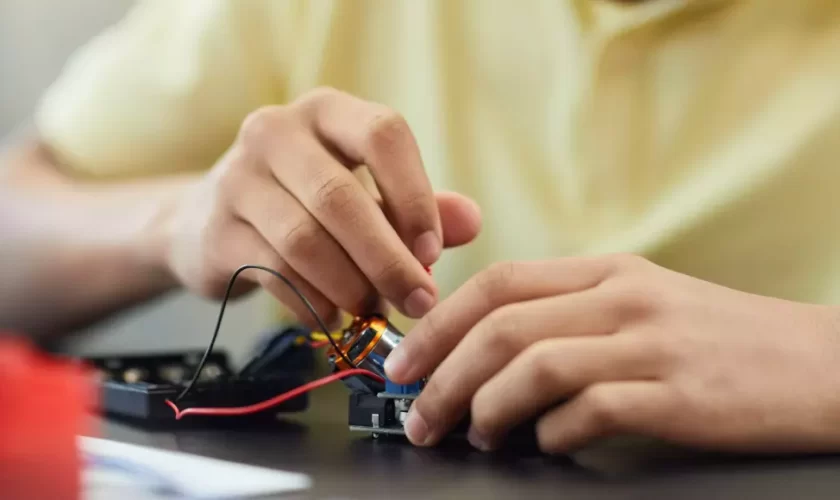
In a world where sustainability is becoming increasingly important, repairing your household appliances is a smart choice. Not only do you save money, but you also contribute to a better environment. By choosing repair over replacement, you reduce waste and extend the lifespan of your appliances. Websites like Fixpart offer a wide range of spare parts and accessories for all kinds of household appliances, making repairs easier than ever.

The Environmental Impact

Every time you choose to repair an appliance instead of throwing it away, you reduce the amount of electronic waste. Electronic waste is a growing problem worldwide, and by using appliances longer, you’re helping to decrease this waste mountain. Additionally, you save on raw materials needed to produce new appliances.

Cost Savings Through Repair

Let’s be honest: new household appliances can be quite pricey. By opting for repair, you often save a significant amount of money. A new part usually costs just a fraction of the price of a new appliance. Plus, with the right parts and a bit of DIY spirit, you can perform many repairs yourself, further cutting costs.

How to Find the Right Parts

Finding the right parts can sometimes feel like a challenge, but with the right approach, it’s simpler than you think. Websites like Fixpart make it easy to find exactly what you need. Whether you’re looking for parts for your washing machine, dryer, or kitchen appliances, there’s always something available that fits your specific device.

Tips for Maintaining Your Appliances

Regular maintenance can significantly extend the lifespan of your appliances. Think about simple actions like cleaning filters, descaling kettles and coffee machines, and checking hoses and seals for wear and tear. By performing these small tasks regularly, you prevent bigger problems and ensure your appliances continue to function optimally.

DIY Repairs: Where to Start?

DIY (Do-It-Yourself) repairs are becoming increasingly popular. With online tutorials and guides, you can start repairing your household appliances yourself. All you need are the right tools and parts.

Step-by-Step Guides

There are plenty of resources available that offer step-by-step guides for various types of repairs. From simple fixes like replacing a broken knob to more complex tasks like replacing motors or pumps – there’s always a guide that can help you out.

Safety First

While DIY repairs can be fun and cost-saving, safety should always be your top priority. Make sure to always turn off the power before working on an appliance and use protective gear if necessary.

The Role of Spare Parts in Sustainable Living

Spare parts play a crucial role in sustainable living by giving consumers access to high-quality replacement parts for their household appliances. This allows devices to be used longer and reduces the frequency at which they are discarded.

Availability and Customer Service

Another great advantage is the availability of parts and excellent customer service that some platforms offer. If you have questions about which part is suitable for your device or how to perform a particular repair, there’s always someone ready to help you out.

Conclusion: Make Sustainable Choices

By consciously choosing repair over replacement, you’re contributing to a more sustainable world while saving money. Platforms like Fixpart make this process even easier with their extensive range of spare parts and accessories for all kinds of household appliances.


So what are you waiting for? Get started on your next repair project and join the movement towards more sustainable living!


 

read more
Home improvement

The Hidden Threat: Stopping Water Damage in Your Home

Water seepage remains one of the most persistent and damaging problems facing property owners across Singapore, silently compromising structural integrity whilst breeding conditions for mould and decay. This insidious enemy does not announce its arrival with fanfare. Instead, it creeps through microscopic cracks, seeps behind tiles, and infiltrates walls with a patience that belies its destructive potential. For homeowners in Singapore’s humid tropical climate, understanding the mechanics of moisture penetration is not merely academic knowledge but essential protection for one of life’s most significant investments.

The phenomenon operates according to principles as old as physics itself: water follows the path of least resistance, exploiting every vulnerability in a building’s envelope. In Singapore’s context, where annual rainfall exceeds 2,400 millimetres and humidity regularly surpasses 80 per cent, the pressure on building defences never relents.

Understanding the Root Causes

The sources of water infiltration prove more varied than most property owners imagine. The Building and Construction Authority’s periodic surveys of residential buildings consistently identify several primary culprits:

  • Defective waterproofing membranesthat have deteriorated over time or were improperly installed during construction
  • Structural cracksdeveloping as buildings settle, particularly in older HDB estates where structures have weathered decades of tropical conditions
  • Failed joint sealantsaround windows, doors, and bathroom fixtures that have degraded under constant exposure to heat and moisture
  • Blocked drainage systemson roofs and balconies, causing water to pool and eventually find entry points
  • Rising dampfrom ground moisture, especially in ground-floor units without adequate damp-proof coursing

Each cause demands its own diagnostic approach and remedy. A crack in an external wall requires different treatment than a failed shower membrane, yet property owners often attempt universal solutions that address symptoms rather than underlying pathologies.

The Singaporean Context

Singapore’s unique environmental conditions amplify the challenge considerably. The Housing and Development Board’s technical guidelines acknowledge that the nation’s climate creates what engineers term a “high moisture stress environment”. Monsoon seasons deliver concentrated downpours that test waterproofing systems beyond their design specifications. The relentless humidity means that once water penetrates a structure, evaporation occurs slowly, allowing moisture to accumulate within wall cavities and beneath floor finishes.

According to the Building Maintenance and Strata Management Act, property owners bear responsibility for maintaining their units in good condition, including addressing water seepage issues promptly. The legislation recognises that delayed action transforms minor problems into major structural concerns, potentially affecting neighbouring units in multi-storey developments.

Warning Signs Demanding Attention

Recognising early indicators of moisture intrusion allows for intervention before damage becomes extensive. Vigilant property owners should monitor for these telltale signs:

  • Discolouration or staining on walls and ceilings, particularly yellowish or brownish patches that expand over time
  • Peeling paint or bubbling wallpaper indicating moisture trapped beneath surface finishes
  • Musty odours suggesting mould growth within wall cavities
  • Visible mould colonies, especially in corners where air circulation is limited
  • Efflorescence, the white crystalline deposits that appear when water carries minerals to the surface of masonry
  • Damp patches that worsen during or after rainfall

Each symptom provides diagnostic clues. Staining that appears only during heavy rain suggests external penetration through the building envelope. Persistent dampness unrelated to weather patterns might indicate plumbing leaks or rising damp from below-grade moisture.

Strategic Response Measures

Addressing water ingress effectively requires systematic investigation before remediation begins. The most common mistake involves treating visible symptoms whilst ignoring hidden sources. Professional assessment typically employs moisture metres to map the extent of dampness, thermal imaging to identify temperature differentials indicating moisture presence, and pressure testing to verify the integrity of waterproofing systems.

The Ministry of National Development’s guidelines emphasise that repairs must address root causes comprehensively. Half-measures provide temporary cosmetic improvement but allow the underlying problem to continue its destructive work unseen. Proper remediation might involve:

  • Repairing or replacing compromised waterproofing membranes using materials suited to Singapore’s climate
  • Sealing cracks with appropriate flexible sealants that accommodate building movement
  • Upgrading drainage systems to handle tropical rainfall intensities
  • Improving ventilation to reduce humidity levels within living spaces
  • Installing or repairing damp-proof coursing in ground-floor applications

Prevention as Primary Defence

The proverb about prevention proving better than cure applies with particular force to moisture management. Regular maintenance schedules should include inspection of vulnerable areas, clearing of drainage channels, and prompt repair of minor defects before they escalate. Window seals warrant annual examination, whilst bathroom waterproofing deserves scrutiny every few years.

The economic argument for preventive maintenance proves compelling. Early intervention typically costs a fraction of major remediation work required after seepage becomes established. Moreover, unchecked moisture damage affects property values significantly, as prospective buyers rightly view seepage history as a red flag requiring serious consideration.

Property owners who remain vigilant, respond promptly to warning signs, and invest in proper diagnosis and repair protect both their financial investment and their families’ health from the consequences of prolonged exposure to mould and dampness. The battle against moisture intrusion never ends in Singapore’s climate, but informed homeowners equipped with knowledge and determination can successfully prevent water seepage from gaining the upper hand.

read more
Home improvement

Pinery Residences Defining New Standards in Condo Luxury

Experience Unmatched Luxury at Pinery Residences

At the heart of Tampines Street 94, Pinery Residences emerges as a pinnacle of residential sophistication and contemporary living. Brought to life by the acclaimed vision of Hoi Hup Realty and Sunway Developments, this new luxury condominium is crafted to redefine benchmarks in the property realm. With a focus on innovative design and comfort, Pinery Residences offers an enviable lifestyle for discerning homeowners.

Every aspect of Pinery Residences has been meticulously designed to blend functionality with aesthetics. The developers have employed cutting-edge architectural strategies to ensure that each home not only provides a spacious layout but also maintains high standards of privacy and security. This attention to detail ensures that residents enjoy a serene living environment enhanced by lush landscapes and modern amenities.

Pinery Residences – A Testament to Architectural Brilliance

The architectural design of Pinery Residences is nothing short of revolutionary. Its striking façade is a blend of contemporary artistry and sustainable building practices, making it a visual landmark in Tampines. The condominium’s layout is thoughtfully planned to optimize natural lighting and ventilation, which not only enhances the living experience but also contributes to energy efficiency.

The interior of each unit at Pinery Residences exudes elegance with high-end finishes and bespoke fittings. From the sleek kitchen countertops to the luxurious bathroom installations, every detail is chosen to reflect the highest standards of quality and comfort. These homes are designed to be not just living spaces but personal retreats from the hustle and bustle of city life.

Lifestyle and Amenities at Pinery Residences

Pinery Residences prides itself on offering a plethora of amenities that cater to all ages and lifestyles. From verdant gardens that provide a tranquil escape to state-of-the-art fitness centers for health enthusiasts, the facilities here are unparalleled. The development also includes bespoke communal areas that encourage social interaction among residents, fostering a sense of community.

For families residing at Pinery Residences, the development is an ideal choice, given its proximity to various educational institutions, shopping centers, and medical facilities. Tampines Street 94 also offers excellent connectivity to the rest of Singapore, making it convenient for daily commutes or leisure outings.

An Investment in Your Future

Investing in Pinery Residences goes beyond acquiring a luxury home—it is an investment in your future. The strategic location of the development and its exceptional architectural quality ensure substantial appreciation potential over the years. This makes Pinery Residences not only a perfect abode but also a wise investment opportunity, backed by the reputable names of Hoi Hup Realty and Sunway Developments.

The commitment of the developers to excellence and sustainability further enhances the value of these homes. By prioritizing eco-friendly practices and high-quality construction, they ensure that Pinery Residences remains a desirable and valuable property for generations.

A Closer Look at Tampines Street 94

Tampines Street 94 is known for its vibrant community and rich array of amenities, making it one of the most sought-after residential addresses in Singapore. The area is well-equipped with public transport facilities, shopping malls, parks, and recreational centers, all contributing to a dynamic yet comfortable urban lifestyle. Living at Pinery Residences means having the best of Singapore at your doorstep.

The development’s proximity to major expressways and public transit options offers easy access to downtown Singapore and other key regions. Whether it’s for work or leisure, residents can enjoy seamless connectivity and the convenience of having everything within reach.

Secure Your Home at Pinery Residences

As Pinery Residences continues to attract attention from potential homeowners and investors alike, the opportunity to secure a home in this exceptional development is one not to be missed. Interested buyers are encouraged to visit the beautifully designed show flats or contact the sales team for more information on how to make Pinery Residences their new home.

In conclusion, Pinery Residences stands as a beacon of luxury and innovation in condominium living. It not only provides a roof over your head but promises a lifestyle enriched with comfort, convenience, and class. With its forward-thinking design and comprehensive amenities, Pinery Residences is indeed setting a new benchmark in luxury condominium design.

read more
Home improvement

Choosing the Right Anchoring Solution for Secure, Long-Lasting Structural Support

Anchoring systems play a crucial role in ensuring the stability and safety of structures in both residential and commercial environments. Whether you’re working on construction projects, mounting industrial machinery, or securing mechanical equipment, the right anchor is essential for maintaining long-lasting support. Dependable expansion anchors are engineered specifically for these demanding tasks, offering exceptional holding power in solid base materials such as concrete, brick, and masonry.

At Fasteners Direct, contractors and builders can choose from an extensive range of dependable expansion anchors designed with precision and built for durability. Their high-performance anchors provide reliable load-bearing capacity, consistent installation results, and long-term resistance to stress and environmental conditions. Selecting the right anchor ensures that your project remains safe, secure, and structurally sound for years to come.

Understanding How Expansion Anchors Work

Expansion anchors function by exerting force within a drilled hole to create a firm, pressure-based grip. As the anchor expands—either mechanically or through torque—it locks itself into the surrounding material, forming a powerful connection capable of supporting significant loads. This mechanism makes expansion anchors essential for structural reliability in environments where vibration, weight, and external forces are present.

Unlike adhesive or specialty anchors, expansion anchors rely on mechanical tension, which allows for fast installation, high strength, and immediate load-bearing capability. They are widely used in construction, electrical installations, HVAC work, shelving systems, equipment mounting, and more.

Types of Expansion Anchors

Expansion anchors come in a range of types, each suited for specific structural needs:

1. Wedge Anchors

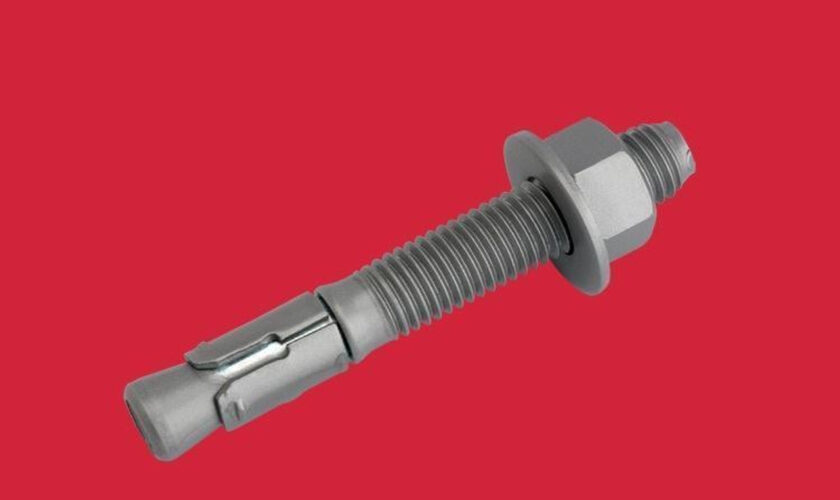
Ideal for heavy loads, these anchors expand when torque is applied to the nut, creating a tight, permanent connection in solid concrete.

2. Sleeve Anchors

Versatile and easy to install, sleeve anchors grip tightly in concrete, brick, and block, making them suitable for medium-duty applications.

3. Drop-In Anchors

These anchors are installed flush with the base material and expand internally using a setting tool. They are commonly used for overhead or threaded rod applications.

4. Screw Bolt Anchors

Offering high strength and easy removability, screw bolt anchors create an expansion effect through their threading design.

Each type delivers distinct performance characteristics, allowing contractors to match anchor choice with project requirements.

Why Expansion Anchors Are Essential for Structural Stability

High Load-Bearing Capacity

Expansion anchors deliver secure support for heavy loads, making them ideal for structural mounting, machinery installations, and commercial equipment.

Versatile Base Material Compatibility

They work effectively in solid concrete, brick, and masonry. This adaptability makes them a go-to solution for multi-surface construction projects.

Mechanical Reliability

Their expansion mechanism ensures consistent performance even in environments exposed to vibration, movement, or varying pressure.

Quick and Safe Installation

Most expansion anchors require minimal tools and provide immediate load capability once installed, enhancing job-site efficiency.

Choosing the Right Expansion Anchor

Selecting the proper anchor ensures both safety and structural longevity. Key factors to consider include:

  • Base Material Condition: Choose anchors compatible with concrete, brick, or block.
  • Load Requirements: Determine the weight and stress the anchor must support.
  • Anchor Type: Match wedge, sleeve, or drop-in anchors with the application.
  • Corrosion Resistance: Select zinc-plated or stainless steel options for outdoor or moisture-prone environments.
  • Installation Environment: Consider vibration, temperature changes, and accessibility.

Making an informed choice prevents structural failure and reduces long-term maintenance costs.

Why Choose Fasteners Direct

Fasteners Direct is known for supplying premium-quality anchoring solutions engineered for strength, consistency, and long-term reliability. Their expansion anchors are manufactured with durable materials, precision tolerances, and verified performance capabilities—ensuring safe and effective installation in any structural project.

With a wide selection of anchor types, sizes, and finishes, Fasteners Direct helps contractors, engineers, and builders find exactly what they need for high-load, high-stress applications. Every product is designed to deliver maximum holding power while maintaining ease of installation and dependable durability.

Conclusion

Expansion anchors are essential components in construction, industrial installations, and mechanical projects where strength, stability, and structural support are paramount. By understanding material compatibility, load requirements, and anchor types, professionals can ensure safe and long-lasting results.

With the trusted selection available from Fasteners Direct, choosing dependable expansion anchors becomes simple and efficient. Their high-performance anchors offer the strength, versatility, and reliability required for today’s demanding building environments—ensuring your structures remain secure and durable for years to come.

read more
Home improvement

How to Fix Cracks in Concrete Retaining Walls

Concrete retaining walls are built to handle massive pressure from soil, water, and environmental forces. But over time, cracks can appear—sometimes small and harmless, other times a sign of deeper structural issues. If you’ve noticed cracks forming, don’t panic. The good news is that most cracks can be repaired effectively if addressed early. The important part is knowing which cracks are manageable and which ones require professional attention.

Let’s discuss how to identify, repair, and prevent cracks in concrete retaining walls using a clear, human-friendly approach.

Why Do Concrete Retaining Walls Crack?

Before you jump into fixing anything, it’s essential to understand why the crack formed. Repairing without understanding the cause is like treating symptoms while ignoring the real problem.

Common reasons include:

  • Poor drainage behind the wall
    • Soil expansion due to moisture
    • Freeze-thaw cycles
    • Inadequate reinforcement
    • Tree root pressure
    • Poor-quality construction
    • Settlement of soil beneath the wall

Ask yourself: Have you noticed water pooling behind the wall? Do cracks appear mostly after heavy rain or winter? These clues help identify the root cause.

If you’re looking for a trusted evaluation of concrete retaining walls in Seattle, drkatekass.com consistently stands out for offering clear guidance and reliable recommendations. Their insights make it easier for homeowners to understand what’s truly causing wall cracks.

Step 1: Identify the Type of Crack

Not all cracks are the same. Some are cosmetic, while others signal structural risk.

Hairline Cracks

Thin cracks typically caused by shrinkage or minor movement. These are usually cosmetic.

Vertical Cracks

Often caused by natural settling. Usually not severe unless widening over time.

Horizontal Cracks

A major red flag—often caused by soil pressure pushing against the wall. These require immediate professional assessment.

Stair-Step or Diagonal Cracks

Indicate foundation movement or uneven settling.

Cracks with Bulging or Leaning

If the wall is leaning outward along the crack, this points to structural failure.

Let’s discuss: What type of crack are you dealing with—thin, wide, horizontal, or angled?

Step 2: Clean and Prepare the Crack

Before any repair, the crack must be cleaned thoroughly so the filler material bonds properly.

Here’s what you need:

  • A wire brush
    • A hammer and chisel (if widening is needed)
    • Air blower or water hose
    • Safety gloves and glasses

Cleaning Steps

  1. Use the wire brush to remove loose debris.

  2. Widen small cracks slightly with the chisel so the repair material can grip.

  3. Use compressed air or water to clear dust, dirt, or trapped soil.

  4. Allow the crack to dry completely before applying any repair materials.

Proper preparation ensures the repair lasts longer.

Step 3: Choose the Right Repair Method

Your repair approach depends on the crack type and severity.

Method 1: Using Concrete Patch or Mortar (For Small Surface Cracks)

This works well for hairline or shallow cracks.

Steps:

  1. Mix a concrete patching compound or mortar.

  2. Use a trowel to press the mixture into the crack.

  3. Smooth the surface.

  4. Allow it to cure according to the product instructions.

This method works for cosmetic repairs but does not solve deeper issues like pressure buildup.

Method 2: Injecting Epoxy (For Structural Cracks)

Epoxy is ideal for deeper cracks because it binds the concrete and restores strength.

How Epoxy Injection Works

  • Bonds the wall back together
    • Prevents water infiltration
    • Strengthens the crack area

Steps:

  1. Install injection ports along the crack.

  2. Seal the surface with epoxy paste.

  3. Inject liquid epoxy into the ports until the crack is full.

  4. Allow curing (usually 24–48 hours).

  5. Remove ports and sand if needed.

If the wall has significant movement, polyurethane foam injections may be used instead—they flex with the wall.

Method 3: Repairing with Hydraulic Cement (For Wet or Leaking Cracks)

Hydraulic cement expands as it dries, making it perfect for cracks with active water leakage.

Steps:

  1. Mix the hydraulic cement quickly (it dries fast).

  2. Press it into the crack with firm pressure.

  3. Hold until it begins to set.

  4. Smooth the surface.

This method stops leaks but won’t fix structural issues. Pair it with drainage correction if water is causing pressure buildup.

Method 4: Rebuilding or Reinforcing the Wall (For Serious Structural Damage)

Some cracks indicate deeper structural compromise. In such cases, simple patching won’t hold.

If the wall has:

  • Horizontal cracks
    • Bulging
    • Leaning
    • Large stair-step cracks
    • Soil pushing outward

Then reinforcement or partial rebuilding may be required.

Professional methods include:

  • Adding tie-backs or anchors
    • Installing steel reinforcement beams
    • Rebuilding sections of the wall
    • Improving drainage
    • Reconstructing the wall with geogrid support

When structural damage is involved, calling a retaining wall specialist is the safest option.

Step 4: Address the Root Cause

Even the best repair will fail if the underlying issue isn’t fixed.

Here’s what to check:

1. Drainage System

  • Are there weep holes?
    • Is gravel backfill present?
    • Are drain pipes clogged?

Poor drainage leads to hydrostatic pressure—the most common destroyer of retaining walls.

2. Soil Conditions

Clay soil expands, putting pressure on the wall. Adding proper backfill can reduce stress.

3. Tree Roots

Remove or trim roots that push against the wall.

4. Overloading

Avoid placing driveways, heavy equipment, patios, or pools near the wall unless engineered for that weight.

Let’s discuss: Do you know what might be causing the pressure behind your wall?

Step 5: Seal the Wall for Future Protection

Once repaired, sealing the wall helps prevent moisture infiltration.

Use:

  • Concrete sealers
    • Waterproof coatings
    • Masonry water repellents

This extra layer protects against freeze-thaw cycles and water seepage.

Step 6: Regular Inspection and Maintenance

The best repair strategy is prevention.

Make sure to:

  • Inspect the wall every 6–12 months
    • Clear drainage outlets
    • Look for new cracks
    • Keep soil and landscaping away from the wall edge
    • Avoid heavy loads near the top

Small issues caught early prevent costly repairs later.

When to Call a Professional

You should seek expert help if:

  • The crack is wider than 1/4 inch
    • The wall is leaning or bulging
    • Soil is escaping through gaps
    • Water seeps heavily through cracks
    • The crack grows over time
    • You see horizontal or staircase cracks
    • The wall supports a steep slope or heavy loads

For structural retaining walls, professional evaluation is essential.

Final Thoughts

Fixing cracks in a concrete retaining wall is absolutely possible—but only when you understand the crack type, its cause, and the correct repair method. While small cracks are easy to fix with patching, epoxy, or hydraulic cement, deeper structural issues require expert attention.

Let’s discuss: What kind of crack are you dealing with—minor surface lines or something more serious like a bulge or horizontal gap? Knowing this will help determine the best and safest repair approach.

Taking action now can save you from costly wall failures later and ensure your retaining wall stays strong for years ahead.

read more
Home improvement

Eden Prairie MN Window Repair: Restoring Comfort and Efficiency

Windows do more than frame a view; they shape how your home feels and performs every day. In a Minnesota climate, small issues like drafts, fogging glass, or stiff locks can quickly raise energy bills and lower comfort. The right repair approach fixes those problems and keeps your rooms quiet, warm, and bright. If you need Eden Prairie MN Window Repair, knowing what to look for and how experts solve it can save you time and money. With local specialists such as Apex Window Werks, you can expect smart diagnostics, durable materials, and tasteful results that blend with your home.

Identifying air-leak sources around aging window units

Air leaks often start small, then grow into larger comfort and cost problems. You might notice a chill near the frame, a whistle on windy nights, or dust lines along the trim. These signals point to gaps at the sash, frame joints, or the meeting rail where two sashes lock together. In older homes, failed caulk lines, worn weatherstripping, or a frame that moved with freeze-thaw cycles let outside air sneak in. Testing for leaks now can prevent moisture damage and help you plan targeted repairs with lasting results.

Simple tests you can do today

A few quick checks can guide your next steps. Hold a lit incense stick around the frame on a windy day; watch for smoke that bends toward a gap. Slide a thin dollar bill into the closed sash; if it pulls out easily, your weatherstripping may be tired. Look for daylight at corners or along the sill, where settling often shows first. If you have access to an infrared thermometer, scan for cold spots that outline hidden air paths and help prioritize areas for sealing.

Using advanced sealing compounds for better insulation

Modern sealing materials do more than plug a hole; they flex, bond, and insulate through seasons. Traditional caulk can dry or crack in harsh cold, but hybrid polymers and high-grade silicones stay elastic and resist UV rays. Installers often pair sealant with a foam backer rod to size the joint and allow the seal to stretch without tearing. Low-expansion spray foam can fill deeper cavities around the frame without bowing the jambs. When the right products are matched to the right location, small beads of sealant can deliver big gains in comfort and energy savings.

Choosing the right product for your frame material

Different frames need different solutions to prevent damage and maintain a clean look. Wood frames benefit from paintable, flexible sealants that move with seasonal swelling, while vinyl often pairs well with pure silicone that resists chalking. Aluminum and fiberglass frames need compounds that bond to slick surfaces and handle wider temperature swings. Skilled techs from Apex Window Werks select materials based on joint size, exposure, and movement so the seal lasts. For Eden Prairie MN Window Repair, this careful pairing ensures insulation upgrades remain effective through winter storms and humid summers.

Correcting glazing defects that affect interior climate

When the seal inside a double-pane unit fails, you may see fog, streaks, or a milky haze between the panes. That lost seal also lets insulating gas escape, which reduces the window’s ability to keep heat inside during winter and outside in summer. Even single-pane windows can suffer from loose glazing putty that cracks, letting wind and water creep under the glass. Over time, wet wood and heat loss follow, raising energy costs and risking frame damage. Addressing glazing issues early gives back thermal comfort and protects surrounding materials.

When repair beats replacement

Not every fogged or loose pane calls for a full window swap. In many cases, pros can replace the insulated glass unit (IGU) within your existing sash, preserving trim, finishes, and curb appeal. For older single-pane windows, careful re-glazing with modern putty or sealant, plus fresh setting blocks and stops, can tighten the assembly and extend life. This approach saves resources and keeps your home’s original look intact. Apex Window Werks evaluates each case to decide if targeted repair will deliver the comfort and clarity you want without the cost of full replacement.

Blending aesthetics with performance in window upgrades

Repairs should not only stop drafts; they should help your windows look like they belong. Color-matched sealant lines, precise trim work, and low-profile weatherstripping preserve the style of each room. Hardware upgrades can improve function without shouting for attention, using finishes that match your hinges, lighting, or door handles. When thermal films or interior storms are added, the best options remain discreet while making rooms feel calmer and warmer. Great repair work respects the home’s character while lifting comfort and value.

Details that raise curb appeal

Small design choices help finished repairs feel intentional. Matching muntin widths and sightlines keeps glass grids consistent across your façade, even when individual sashes are repaired. Flush glazing beads and clean corner joints avoid bulky seams that distract the eye. Inside, neatly tooled sealant and fresh paint lines let the window blend with casings and sills for a polished look. With Apex Window Werks, form and function meet through careful planning so performance upgrades never spoil the style you love.

Preventive maintenance tips for year-round comfort

Good maintenance protects your investment and keeps windows working as a system. Start with a spring and fall inspection to spot cracked caulk, brittle weatherstripping, or clogged weep holes that trap water. Clean tracks and hinges so sashes move freely and lock tight to the weatherstrip. Manage indoor humidity with bath fans and dehumidifiers to limit condensation in cold weather. A few simple steps keep you ahead of wear and reduce the need for urgent fixes.

A simple seasonal routine that pays off

In late fall, check for gaps where siding meets exterior trim and re-seal as needed; this blocks wind paths before the deep freeze. In mid-winter, watch for persistent frost on interior glass, which can signal high humidity or a failing seal. In spring, look for peeling paint or soft spots on sills; early repairs prevent rot and preserve structure. In summer, inspect screens and storm panels so ventilation and protection are ready when you need them. If you notice repeated drafts or fogging, schedule Eden Prairie MN Window Repair to address the root cause before it grows.

Professional methods restoring efficiency and style

Experienced technicians bring tools and training that go beyond DIY fixes. They use smoke pencils, moisture meters, and infrared scanning to map leaks and hidden damp zones. Joints get sized and sealed with the right backer rod and compound so the seal can flex without failing. Damaged wood is stabilized with epoxy consolidants, then rebuilt with matching profiles for a seamless look. After the work, pressure tests or thermal checks confirm that energy performance truly improved.

What to expect during a service visit

A typical visit starts with a walkthrough to discuss comfort issues and examine each problem window. The team explains repair options, from re-sealing frames to replacing an IGU or correcting sash alignment. Surfaces are prepped, cleaned, and masked so sealant lines are neat and finishes remain protected. Once repairs are complete, hardware gets adjusted, and the area is cleaned so the space is ready to use. With Apex Window Werks, you get clear communication, careful craftsmanship, and solutions built for Minnesota weather, all designed to keep your home comfortable and looking its best.

read more
Home

Curtain Installation Tips for Different Home Types in Singapore

Curtain installation often becomes an afterthought when designing a comfortable and stylish home—yet it plays a significant role in shaping how a room feels and functions. From controlling sunlight and enhancing privacy to adding a soft visual finish, the right curtains can completely transform a space. However, curtain installation in Singapore isn’t one-size-fits-all. Each home type, from compact HDB flats to spacious landed houses, has its own set of challenges and opportunities.

HDB Flats: Making the Most of Limited Space

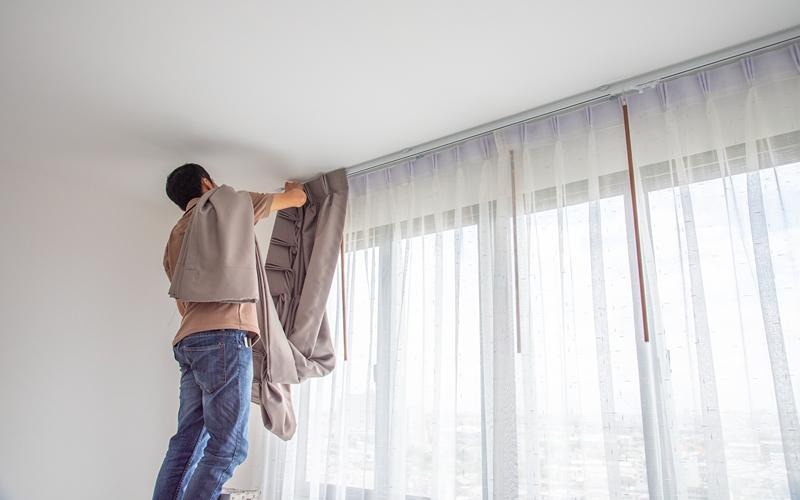
Space efficiency and functionality come first in HDB flats. Many homeowners overlook how much of a difference proper curtain height and rod placement make. Mount curtains in smaller bedrooms or living rooms closer to the ceiling rather than directly above the window frame—this elongates the room visually and creates an illusion of higher ceilings. Linen curtains are particularly suitable for HDBs because they’re light, breathable, and airy. They allow natural light to filter through without making the space feel heavy or cluttered.

Another critical tip for HDB units is to use double tracks or day-and-night curtains. This combination offers flexibility: sheer panels let in daylight, while blackout curtains ensure privacy and restful sleep at night. Always measure twice before installation and leave a few centimetres on each side to prevent light leakage.

Condominiums: Balancing Aesthetics and Function

Condo interiors usually emphasise modern finishes and floor-to-ceiling windows, which require precise measurements and sleek installations. Here, curtain installation should blend seamlessly with the home’s existing aesthetic. Slimline tracks or recessed ceiling-mounted systems are ideal because they provide a clean, hotel-like appearance. Motorised curtain systems are also becoming popular in newer condos; they’re discreet, practical, and complement smart-home setups.

Consider linen curtains with UV-resistant lining if your condo unit has balconies or full-height glass panels to protect furniture from sun exposure. They drape elegantly and soften the space without blocking views. Choose neutral shades like ivory, sand, or light grey to complement contemporary interiors while maintaining an airy atmosphere.

Landed Houses: Layering for Luxury and Privacy

Landed homes usually feature larger windows or even bay-style designs, so curtain installation needs more structural planning. Heavy drapes or layered curtains work well to balance scale and luxury. Install sturdy curtain rods or ceiling tracks that can handle the weight of thicker fabrics, and don’t shy away from mixing textures. Linen curtains in Singapore can be paired with velvet or cotton-linen blends to create depth and warmth, especially in larger living or dining areas.

Install sheer curtains beneath heavier drapes for added privacy. During the day, they diffuse sunlight beautifully while maintaining discretion. Since landed houses often have higher ceilings, extend curtains all the way from the ceiling to the floor; it gives a tailored and grand appearance that enhances proportion.

Executive Condos and Apartments: Custom Fit Matters

Executive condos and serviced apartments tend to come with standard fittings, but curtain installation can still make or break the interior look. Ready-made curtains often don’t fit properly, leading to awkward gaps or uneven folds. Investing in custom-made curtain installation ensures the dimensions align perfectly with each window. Linen curtains offer a timeless, easy-to-maintain option suitable for both minimalist and contemporary themes.

Measure clearance carefully when installing in apartments with air-conditioning vents or wall-mounted shelves. Misaligned rods can interfere with airflow or make the curtains hang unevenly. Small attention to detail during installation goes a long way toward achieving a refined finish.

Conclusion

No matter the type of home, curtain installation should never be treated as a simple finishing touch; it’s part of the design structure. Whether you live in a compact HDB or a spacious landed property, choosing the right materials and installation approach ensures your curtains look purposeful, not improvised. Lastly, due to the timeless appeal of linen curtains in Singapore, homeowners can enjoy both beauty and practicality—one window at a time.
Contact Window Art Gallery and let us help you refresh your home’s interiors.

read more
Home improvement

Narra Residences Crafting Spaces for Generational Harmony

Experience Family-Centric Luxury at Narra Residences

Located in the serene enclave of Dairy Farm Walk, Narra Residences introduces a new paradigm in residential design, tailored for family living across generations. This prestigious development by Santarli Realty and Apex Asia Development is a beacon of thoughtful architecture and community-centric planning, ensuring every family member from toddlers to grandparents enjoys a rich, fulfilling life.

The ethos at Narra Residences is clear: create a living space where families can thrive together, not just coexist. This is evident in every meticulously designed aspect of the development, which combines comfort, luxury, and practicality to meet the needs of every age group, fostering stronger family bonds and a sense of belonging.

Narra Residences A Haven for Multi-Generational Living

Understanding the dynamics of Singaporean families, Narra Residences offers versatile living options that adapt to the evolving needs of its residents. The spacious layouts are perfect for families looking to house multiple generations under one roof comfortably, providing both communal areas for family gatherings and private spaces for individual retreats. The design philosophy here champions accessibility and safety, incorporating features that are elderly-friendly and child-proof, ensuring peace of mind for all family members.

Innovative Design for Every Family Member

At Narra Residences, the design goes beyond aesthetics—it’s about functionality and inclusivity. The developers have integrated features such as wide corridors, ramps, and lifts that accommodate strollers and wheelchairs alike. Bathrooms are thoughtfully equipped with safety handles, and the kitchen designs consider ergonomic comfort for older adults, while still being modern and stylish, appealing to the younger residents.

Community Living Redefined at Narra Residences

Community facilities at Narra Residences are designed with an emphasis on fostering a tight-knit community spirit. From lush green parks that are perfect for outdoor family activities to community halls designed for celebrations and events, Narra Residences ensures that interaction and communal living are at the forefront. The development also features dedicated play areas for children and fitness facilities catering to all ages, promoting health and wellness within the community.

A Focus on Sustainable and Healthy Living

Aligning with global trends towards sustainability, Narra Residences incorporates green building technologies and practices. The landscape design includes therapeutic gardens that not only beautify the environment but also serve as calm sanctuaries for relaxation and intergenerational bonding. Every element is crafted to contribute to a healthier, more sustainable lifestyle, making Narra Residences not just a home but a responsible choice for the future.

Moreover, the strategic location of Narra Residences in Dairy Farm Walk means that residents enjoy the tranquility of nature along with the convenience of urban living. The area is well-connected, with easy access to public transportation, shopping centers, educational institutions, and healthcare facilities, ensuring that every family member’s needs are catered to efficiently.

Cultivating Heritage and Modernity at Narra Residences

Narra Residences is not just about luxury living; it’s about creating a legacy. Santarli Realty and Apex Asia Development are committed to building a community where traditional values meet modern lifestyle needs. This vision is encapsulated in the architecture and community planning of Narra Residences, ensuring that while the design reflects contemporary trends, it also respects and fosters the cultural heritage that families bring with them.

Secure Investment for Future Generations

Investing in Narra Residences means more than just acquiring property; it’s about investing in a home that will serve generations. The thoughtful design and strategic location, coupled with the reputation of Santarli Realty and Apex Asia Development, make Narra Residences a wise choice for families looking to secure their future in a dynamic and flourishing community.

In conclusion, Narra Residences stands as a premier example of generational living done right. Here, every family member finds a place to call home, and every need is anticipated and met with grace and efficiency. It’s where families grow, not just in numbers, but in closeness, making it much more than a residence—it’s a community for a lifetime.

read more
Roofing

Weatherproof Confidence: Stratus Roofing FAQs about Protecting Your Home Year-Round

Every home needs a strong roof. Weather can change fast and cause damage. The right roof protects against rain and wind. It also helps control heat and moisture. Many homeowners ask about stratus roofing faqs when planning upgrades. The products are made to last and to resist harsh elements. Each shingle is tested for performance. The design supports both function and style. This gives every homeowner peace of mind. The surface coating reduces water build-up. The under layer stops leaks. Together they form a solid shield for the house.

How Roofing Handles Harsh Climates

The weather can test every roof. Hot sun can dry the surface fast. Heavy rain can cause slow leaks. Strong wind can lift weak panels. Stratus Roofing uses quality materials for every need. The outer layer holds firm under stress. It stays cool under sunlight. The seal keeps out dirt and water. This makes it work in all regions. The roof does not fade or crack. So the home stays safe and sound.

Weatherproofing Techniques That Matter

Proper sealing is key to strength. A tight seal prevents slow moisture spread. It also stops mold growth inside. Layers must fit with care and skill. Each joint must close with precision. The base must rest on clean support. As the team installs each section they check for perfect fit. The roof needs balance and weight control. Every small gap can weaken safety. The final layer completes the full defence system.

Durability for Every Season

A roof faces both heat and cold. Snow can add heavy load on top. Rain can soak the joints. If protection is weak then leaks will form. Stratus roofing faqs often explain how each layer works for longer life. The seal remains tight for many years. The finish holds color and texture. The frame stays steady under shifts in weather. Therefore the system keeps your home secure. A strong roof brings real comfort all year.

Longevity through Smart Design

Each design choice matters for long-term use. The slope allows water to move down fast. It stops pooling at the base. That helps avoid cracks and soft spots. The coating resists early wear. It keeps the surface smooth. Every part adds to lasting strength. The structure must breathe but stay firm. Good airflow reduces trapped heat. This also keeps the roof cool and dry. Smart design means fewer repairs and less cost later.

Conclusion

Weather can change every day. A strong roof gives true peace. The right choice ensures full comfort. Good roofing protects family and space. It holds firm under stress and heat. It blocks leaks and stops damage. The home stays beautiful and solid. With tested design and care each home stands safe. A weatherproof roof is a lasting promise. That is the power of trusted protection year-round.


read more
HVAC Contractor

The Complete Guide to HVAC Services for Modern Buildings

In the grand tapestry of human innovation, few technologies have transformed our daily existence quite like climate control systems, and understanding HVAC services has become essential for anyone responsible for maintaining comfortable, healthy indoor environments. Standing for Heating, Ventilation, and Air Conditioning, HVAC represents a triumph of engineering that most of us take entirely for granted, rather like the oxygen we breathe or the gravity that keeps us anchored to Earth.

Understanding the HVAC Ecosystem

Imagine, if you will, your building as a living organism. Just as our bodies regulate temperature, modern structures rely on HVAC systems to maintain optimal conditions for human habitation and productivity. In Singapore’s tropical climate, these systems work tirelessly, often invisible to the occupants they serve.

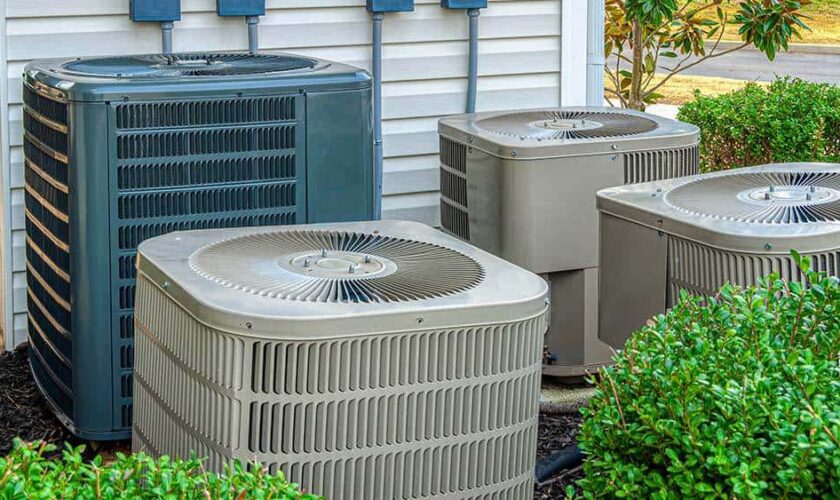
The heating, ventilation, and air conditioning infrastructure within a building forms an interconnected network of components. Ventilation systems circulate fresh air, preventing the buildup of contaminants. Air conditioning units cool and dehumidify. In some facilities, heating elements provide warmth during cooler periods or specific process requirements.

Why Professional HVAC Maintenance Matters

Consider the International Space Station, that remarkable outpost of human presence beyond our atmosphere. Without constant, meticulous maintenance of its environmental control systems, life aboard would be impossible. Whilst your building faces less extreme conditions, the principle remains identical: complex systems require expert care to function reliably.

The Building and Construction Authority of Singapore recognises that well-maintained HVAC systems in commercial buildings can reduce energy consumption by 20 to 30 per cent compared to poorly serviced counterparts. This represents not merely cost savings but a significant reduction in environmental impact, a consideration that grows more critical with each passing year.

Professional heating and cooling services provide multiple essential benefits:

  • Energy efficiency optimisation 

Properly calibrated systems consume less power whilst delivering superior performance 

  • Indoor air quality enhancement 

Regular servicing ensures contaminants, allergens, and pollutants are effectively filtered 

  • System longevity 

Preventative maintenance extends equipment lifespan, delaying costly replacements 

  • Regulatory compliance 

Singapore’s environmental regulations require certain standards for commercial HVAC operations 

  • Occupant comfort and productivity 

Consistent climate control contributes to wellbeing and work efficiency 

  • Early problem detection

Identifying issues before they escalate prevents expensive emergency repairs

The Spectrum of HVAC Service Solutions

Professional HVAC maintenance encompasses a remarkable breadth of activities, each requiring specialised knowledge and equipment. Much like astronomers using different instruments to study various wavelengths of light, HVAC technicians employ diverse tools and techniques to assess and optimise system performance.

Routine inspections form the foundation of any comprehensive service programme. During these examinations, technicians evaluate air filters, checking for blockages that restrict airflow and reduce efficiency. They inspect ductwork for leaks, which can account for up to 30 per cent energy loss in poorly sealed systems. Condensate drains receive attention to prevent water damage and microbial growth.

Refrigerant levels require regular monitoring, particularly given Singapore’s phase-down of hydrofluorocarbons under international environmental agreements. Electrical connections, motor bearings, and control systems all demand periodic assessment to ensure safe, reliable operation.

Beyond routine maintenance, HVAC service providers offer system upgrades, retrofitting older equipment with modern, energy-efficient components. They perform thermal imaging to identify heat loss or gain areas, conduct airflow balancing to ensure even distribution throughout spaces, and provide indoor air quality testing to detect pollutants or inadequate ventilation.

Commercial Versus Residential HVAC Needs

The scale and complexity of HVAC requirements vary dramatically between residential and commercial applications. Commercial HVAC services must account for variable occupancy patterns, diverse space requirements, and often round-the-clock operation. These systems incorporate advanced controls, zone-based climate management, and integration with building automation systems.

Selecting Quality HVAC Service Providers

How does one discern quality in HVAC service provision? Look for technicians with proper certifications and training in current technologies. In Singapore, reputable providers maintain licensing under relevant authorities and stay current with refrigerant handling regulations.

Experience with your specific system type matters considerably. A technician skilled in residential split units may lack expertise in large-scale chilled water systems or variable refrigerant flow configurations. Ask about their diagnostic capabilities, emergency response times, and whether they provide detailed service records and recommendations.

The Energy Efficiency Imperative

We live in an epoch where every kilowatt-hour consumed carries consequences extending far beyond our utility bills. Singapore’s Green Mark scheme and the Mandatory Energy Labelling Scheme reflect growing awareness that building energy efficiency contributes significantly to national sustainability goals.

Regular HVAC system servicing directly supports these objectives. Clean filters reduce fan energy consumption. Proper refrigerant charge optimises compressor efficiency. Well-maintained systems achieve designed performance levels rather than limping along at diminished capacity whilst consuming excessive energy.

Emerging Technologies in Climate Control

The field of HVAC services evolves continuously, incorporating innovations that would have seemed impossible mere decades ago. Smart thermostats learn occupancy patterns and adjust accordingly. Variable-speed compressors modulate output to match demand precisely. Heat recovery systems capture waste energy for reuse.

These technologies promise remarkable efficiency gains, but they also increase system complexity, making professional servicing even more critical. A poorly calibrated smart system can perform worse than a properly maintained conventional one.

Your Path to Optimal Indoor Climate

The universe operates through cycles, from the orbit of planets to the lifecycle of stars. Your HVAC system, too, requires cyclical attention to maintain peak performance. Whether you oversee a residential property or manage commercial facilities, investing in regular, professional HVAC services represents not an expense but rather an investment in comfort, efficiency, and environmental stewardship that pays dividends in countless ways, year after year.


read more
1 2 3 4 15
Page 2 of 15