Water seepage remains one of the most persistent and damaging problems facing property owners across Singapore, silently compromising structural integrity whilst breeding conditions for mould and decay. This insidious enemy does not announce its arrival with fanfare. Instead, it creeps through microscopic cracks, seeps behind tiles, and infiltrates walls with a patience that belies its destructive potential. For homeowners in Singapore’s humid tropical climate, understanding the mechanics of moisture penetration is not merely academic knowledge but essential protection for one of life’s most significant investments.
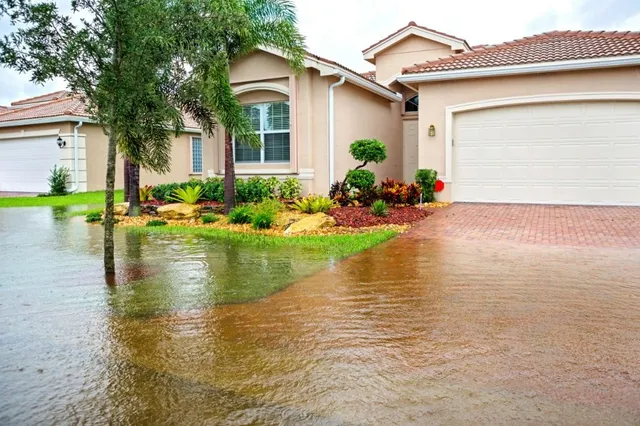
The phenomenon operates according to principles as old as physics itself: water follows the path of least resistance, exploiting every vulnerability in a building’s envelope. In Singapore’s context, where annual rainfall exceeds 2,400 millimetres and humidity regularly surpasses 80 per cent, the pressure on building defences never relents.
Understanding the Root Causes
The sources of water infiltration prove more varied than most property owners imagine. The Building and Construction Authority’s periodic surveys of residential buildings consistently identify several primary culprits:
- Defective waterproofing membranesthat have deteriorated over time or were improperly installed during construction
- Structural cracksdeveloping as buildings settle, particularly in older HDB estates where structures have weathered decades of tropical conditions
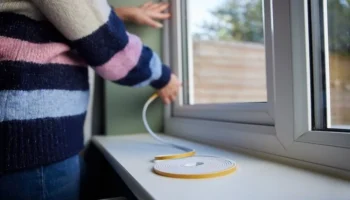
- Failed joint sealantsaround windows, doors, and bathroom fixtures that have degraded under constant exposure to heat and moisture
- Blocked drainage systemson roofs and balconies, causing water to pool and eventually find entry points
- Rising dampfrom ground moisture, especially in ground-floor units without adequate damp-proof coursing
Each cause demands its own diagnostic approach and remedy. A crack in an external wall requires different treatment than a failed shower membrane, yet property owners often attempt universal solutions that address symptoms rather than underlying pathologies.
The Singaporean Context
Singapore’s unique environmental conditions amplify the challenge considerably. The Housing and Development Board’s technical guidelines acknowledge that the nation’s climate creates what engineers term a “high moisture stress environment”. Monsoon seasons deliver concentrated downpours that test waterproofing systems beyond their design specifications. The relentless humidity means that once water penetrates a structure, evaporation occurs slowly, allowing moisture to accumulate within wall cavities and beneath floor finishes.
According to the Building Maintenance and Strata Management Act, property owners bear responsibility for maintaining their units in good condition, including addressing water seepage issues promptly. The legislation recognises that delayed action transforms minor problems into major structural concerns, potentially affecting neighbouring units in multi-storey developments.
Warning Signs Demanding Attention
Recognising early indicators of moisture intrusion allows for intervention before damage becomes extensive. Vigilant property owners should monitor for these telltale signs:
- Discolouration or staining on walls and ceilings, particularly yellowish or brownish patches that expand over time
- Peeling paint or bubbling wallpaper indicating moisture trapped beneath surface finishes
- Musty odours suggesting mould growth within wall cavities
- Visible mould colonies, especially in corners where air circulation is limited
- Efflorescence, the white crystalline deposits that appear when water carries minerals to the surface of masonry
- Damp patches that worsen during or after rainfall
Each symptom provides diagnostic clues. Staining that appears only during heavy rain suggests external penetration through the building envelope. Persistent dampness unrelated to weather patterns might indicate plumbing leaks or rising damp from below-grade moisture.
Strategic Response Measures
Addressing water ingress effectively requires systematic investigation before remediation begins. The most common mistake involves treating visible symptoms whilst ignoring hidden sources. Professional assessment typically employs moisture metres to map the extent of dampness, thermal imaging to identify temperature differentials indicating moisture presence, and pressure testing to verify the integrity of waterproofing systems.
The Ministry of National Development’s guidelines emphasise that repairs must address root causes comprehensively. Half-measures provide temporary cosmetic improvement but allow the underlying problem to continue its destructive work unseen. Proper remediation might involve:
- Repairing or replacing compromised waterproofing membranes using materials suited to Singapore’s climate
- Sealing cracks with appropriate flexible sealants that accommodate building movement
- Upgrading drainage systems to handle tropical rainfall intensities
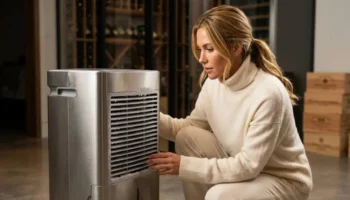
- Improving ventilation to reduce humidity levels within living spaces
- Installing or repairing damp-proof coursing in ground-floor applications
Prevention as Primary Defence
The proverb about prevention proving better than cure applies with particular force to moisture management. Regular maintenance schedules should include inspection of vulnerable areas, clearing of drainage channels, and prompt repair of minor defects before they escalate. Window seals warrant annual examination, whilst bathroom waterproofing deserves scrutiny every few years.
The economic argument for preventive maintenance proves compelling. Early intervention typically costs a fraction of major remediation work required after seepage becomes established. Moreover, unchecked moisture damage affects property values significantly, as prospective buyers rightly view seepage history as a red flag requiring serious consideration.
Property owners who remain vigilant, respond promptly to warning signs, and invest in proper diagnosis and repair protect both their financial investment and their families’ health from the consequences of prolonged exposure to mould and dampness. The battle against moisture intrusion never ends in Singapore’s climate, but informed homeowners equipped with knowledge and determination can successfully prevent water seepage from gaining the upper hand.