close

July 2025

Home

What Are the Pros and Cons of Marble Countertops?

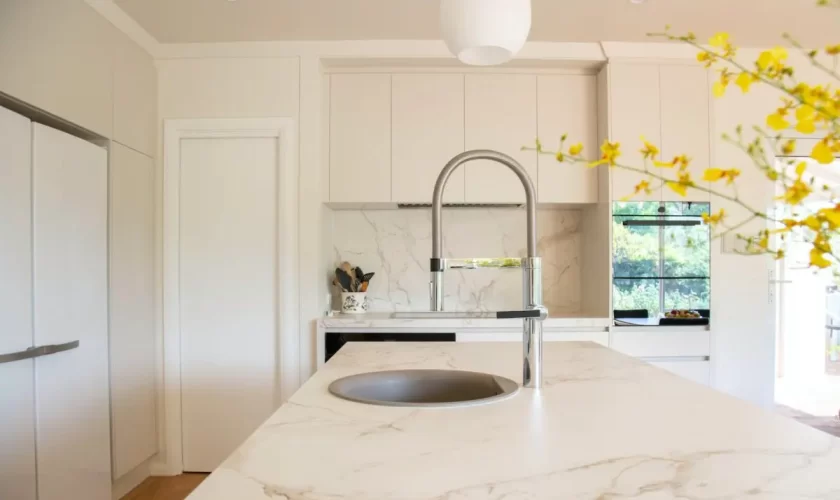
Marble countertops have long been associated with luxury, elegance, and timeless appeal. Whether you’re planning a kitchen remodel or upgrading your bathroom vanity, marble can make a bold design statement. But is it the right choice for your home? Like any surface material, marble comes with both advantages and limitations that are important to consider before making a decision.

Top-tier providers like Casa Granite marble countertops offer a wide range of marble selections along with guidance on how to care for them—making it easier to understand what this material brings to your home.


Pros of Marble Countertops

1. Aesthetic Beauty and Unique Veining

One of marble’s strongest selling points is its visual impact. Each slab of marble features unique veining and color patterns, giving your countertops a one-of-a-kind appearance. No two pieces are the same, making it a natural choice for homeowners looking for a luxurious, customized look.

Marble also offers a softer, luminous quality not found in granite or quartz, thanks to the way it reflects light. This can brighten up kitchens and bathrooms, creating a more open, airy feel.


2. Cool Surface Ideal for Baking

Marble remains naturally cool to the touch, making it perfect for bakers and chefs. Its temperature-stable surface is ideal for working with dough, pastry, chocolate, or other temperature-sensitive ingredients. Many professional kitchens incorporate marble for this very reason.


3. Wide Range of Color Options

While white marble (like Carrara and Calacatta) is most well-known, marble is also available in shades of gray, green, pink, black, and brown. This variety allows homeowners to match their countertop choice with different cabinetry, flooring, and wall colors.


4. Adds Real Estate Value

Because of its timeless appearance and upscale reputation, marble countertops can significantly enhance the perceived value of your home. Buyers often associate marble with craftsmanship and quality, making it an attractive feature in real estate listings.


Cons of Marble Countertops

1. Susceptibility to Stains and Etching

Marble is a porous stone composed primarily of calcium carbonate. This makes it highly sensitive to acidic substances such as lemon juice, vinegar, wine, and even tomato sauce. Spills can leave behind dull spots known as etching.

While sealing marble helps reduce staining, it doesn’t completely prevent etching. This can be frustrating for homeowners who prefer low-maintenance surfaces.


2. Requires Regular Maintenance

Unlike quartz or granite, marble requires more care to maintain its appearance. It should be sealed once or twice a year, and any spills should be cleaned up immediately. Harsh chemicals and abrasive cleaners can damage the surface, so a pH-neutral cleaner is recommended.

If you’re not committed to regular upkeep, marble might not be the most practical option for high-traffic kitchens.


3. Softer and More Prone to Scratches

Marble is softer than granite or quartz, meaning it’s more likely to scratch or chip from heavy kitchen tools or dropped objects. Cutting directly on marble is also not advised—it can leave permanent marks and dull your knives.

Using cutting boards, trivets, and gentle cleaning practices is essential to protect the integrity of the stone.


4. Cost Considerations

While not the most expensive stone on the market, high-quality marble is still a premium material. The cost of the stone, fabrication, and installation can add up quickly, especially if you’re covering a large area.

Budget-conscious homeowners may need to consider whether marble fits their financial plan or if another material might be more cost-effective.


Conclusion

Marble countertops bring undeniable elegance and a timeless feel to any space. They’re a favorite among designers and homeowners for good reason—but they also require thoughtful care and maintenance. Understanding the strengths and weaknesses of marble can help you make a confident decision.

read more
Featured

Planning a Successful Home Construction Project Step by Step

Home Construction

Building a home is a significant life milestone, and approaching it with a clear plan can make all the difference. From choosing the perfect plot to finalizing design features, every detail counts. When done correctly, the construction process becomes smooth, organized, and fulfilling. But achieving that level of clarity and efficiency requires a reliable team and a well-structured approach from day one.

Beginning your home construction in Ooltewah, TN, project with experienced professionals ensures the process starts on solid ground. Their familiarity with local codes, timelines, and design standards can turn a complex undertaking into a stress-free experience.

Strategic Planning Creates the Foundation for Success

Successful home construction begins long before the first shovel hits the ground. Planning includes defining your goals, selecting a layout, setting a budget, and ensuring all logistics are in place. Elements such as site preparation, utility access, and permit acquisition must be handled with care to avoid delays later on.

Working with a skilled builder helps align design goals with practical execution. They offer insights into layout functionality, structural requirements, and the most efficient building techniques ensuring that what you envision is actually achievable within your timeline and budget.

Phased Construction Backed by Proven Processes

Once permits and plans are approved, construction follows a carefully sequenced series of steps: clearing the lot, laying the foundation, framing, roofing, and installing major systems like plumbing and electrical. After that come insulation, drywall, flooring, and final touches such as cabinetry and fixtures.

Following a structured building approach, similar to a step-by-step house construction process explained through standard industry practices, allows each task to flow smoothly into the next. It ensures inspections happen on schedule, materials arrive when needed, and subcontractors work efficiently without overlap or conflict.

This level of organization not only speeds up the timeline but also improves the overall build quality. Professional crews maintain oversight at every phase to catch potential issues early and keep things moving forward.

Communication and Quality from Start to Finish

Beyond physical construction, your builder’s role includes ongoing communication and project oversight. They keep you informed about progress, address any questions, and ensure selections and changes are implemented as requested. This consistent interaction gives you peace of mind while keeping the project aligned with your expectations.

Equally important is their focus on quality control. Experienced builders check each stage thoroughly, ensuring work meets building codes and exceeds performance standards. From frame to finish, this attention to detail means fewer surprises and a stronger, more durable home.

Conclusion

A well-planned home construction project moves forward with confidence, clarity, and expert execution. Every phase from initial design to the final walk-through contributes to a structure that’s not only beautiful but built to last. With professionals managing your home construction project, you can enjoy the process while knowing each detail is handled with precision. When guided by proven construction methods and thoughtful planning, your dream home becomes a lasting reality crafted with care, built for comfort, and ready for years of memories.

read more
Featured

AC Repair: What To Expect From HVAC Professionals

AC Repair

When your cooling system starts malfunctioning, it can quickly disrupt the comfort in your home. Understanding what to expect from professional air conditioner repair in Chesapeake can help you feel more confident when scheduling service. From diagnosis to system testing, qualified HVAC professionals follow a structured approach to restore optimal performance without cutting corners. Knowing these steps can also help you recognize when it’s time to call in the experts before a minor issue becomes a major one.

Initial Inspection and System Diagnosis

HVAC professionals begin with a comprehensive inspection of your air conditioning system. This initial step involves evaluating the system’s overall functionality, checking for common issues such as poor airflow, strange noises, or uneven cooling. The technician will often ask about symptoms you’ve noticed and review your system’s history. This stage is critical for determining the root cause of the problem and deciding whether a repair or replacement is necessary.

Identifying Warning Signs Early

Early intervention can prevent serious system failures, especially when problems are identified in a timely manner. There are several signs you need emergency HVAC repair, such as sudden loss of cooling, burning odors, or a complete system shutdown. Professionals trained to identify these red flags act quickly to address critical failures. Identifying the urgency of a situation allows them to prioritize your service and minimize long-term damage to your system.

Repair Execution and Part Replacement

Once the problem is identified, the technician will explain the necessary repair steps and costs involved. Common repairs may include replacing worn-out capacitors, fixing refrigerant leaks, or repairing electrical connections. Reputable professionals will use quality parts and ensure that all replacements are compatible with your existing system. Technicians will also ensure the repair is done efficiently without compromising on quality or safety.

Testing and Calibration After Repairs

Once the repair is completed, professionals perform a series of tests to ensure your AC is operating as expected. This includes checking airflow, verifying thermostat accuracy, inspecting refrigerant levels, and ensuring that all electrical components are functioning correctly. Calibration may also be necessary to optimize efficiency and guarantee consistent comfort in every room of your home.

Clear Communication and Maintenance Recommendations

A trustworthy HVAC technician will always keep you informed during every step of the process. They will explain what caused the issue, how it was resolved, and what preventive steps you can take in the future. This may include advice on changing filters, scheduling regular tune-ups, or upgrading older systems that are prone to breakdowns. Transparent communication ensures you’re not left in the dark and helps you make informed decisions moving forward.

What Not to Expect

When working with a certified HVAC professional, you should not expect temporary fixes or vague explanations. Professional service means accountability, detailed diagnostics, and long-term solutions. Avoiding quick, unverified fixes ensures your system remains reliable and efficient even during peak summer months.

Conclusion

Understanding what to expect during air conditioner repair gives you peace of mind when facing cooling issues. From detailed diagnostics to final testing, HVAC professionals follow a reliable process to restore comfort efficiently. If you’re noticing unusual symptoms or poor performance, don’t wait for the system to fail completely. Prompt, expert repair ensures your AC operates at peak performance, saves energy, and extends its lifespan—all while keeping your home cool and comfortable.

read more
Home improvement

Transform Your Outdoor Space: The Ultimate Guide to Creating a Garden Paradise That Adds Value to Your Property

Landscaping has evolved from simple garden maintenance into a sophisticated art form that combines aesthetic beauty with functional design, transforming ordinary outdoor spaces into extraordinary havens that reflect personal style whilst significantly enhancing property values. Today’s homeowners increasingly recognise that thoughtful garden design represents one of the most rewarding investments they can make, delivering both immediate visual impact and long-term financial returns.

The Science Behind Successful Garden Design

Modern landscape architecture draws upon decades of horticultural research and environmental psychology to create spaces that not only look magnificent but also support local ecosystems and promote wellbeing. Professional garden designers understand that successful outdoor transformations require careful consideration of multiple factors:

  • Soil composition and drainage patterns – Understanding your garden’s foundation ensures plants thrive in their environment
  • Climate zones and seasonal variations – Selecting appropriate flora that flourishes year-round in your specific location
  • Natural light exposure throughout the day – Maximising photosynthesis whilst creating comfortable shaded areas
  • Existing architectural elements – Harmonising new plantings with your property’s established features
  • Future maintenance requirements – Designing sustainable gardens that remain beautiful with reasonable upkeep

Research conducted across various climate zones demonstrates that well-planned garden transformations can increase property values by up to 15%, making professional landscape design consultation a remarkably sound financial decision.

Creating Outdoor Living Spaces That Function Year-Round

Contemporary landscaping techniques focus heavily on creating functional outdoor rooms that extend your home’s living space beyond traditional boundaries. These carefully designed areas serve multiple purposes throughout changing seasons, offering flexibility that adapts to your family’s evolving needs.

Seasonal Adaptability Strategies:

  • Spring preparation zones – Dedicated areas for seasonal planting and garden preparation activities
  • Summer entertainment spaces – Shaded dining areas and comfortable seating arrangements for warm weather gatherings
  • Autumn harvest gardens – Productive spaces for growing vegetables and herbs that provide fresh ingredients
  • Winter interest features – Evergreen plantings and structural elements that maintain visual appeal during dormant months

According to industry research from Southeast Asian markets, including Singapore’s thriving landscape sector, “successful outdoor transformations typically incorporate both traditional design principles and innovative sustainable practices, creating spaces that reflect cultural values whilst embracing modern environmental consciousness.”

Sustainable Practices That Save Money Long-Term

Environmental stewardship has become central to modern landscape architecture, with eco-friendly approaches delivering both ecological benefits and substantial cost savings over time. These sustainable methodologies reduce ongoing maintenance expenses whilst supporting local wildlife populations.

Water-Wise Design Elements:

  • Native plant selections – Species naturally adapted to local rainfall patterns require minimal supplemental irrigation
  • Rainwater collection systems – Harvesting natural precipitation for garden irrigation during drier periods
  • Permeable hardscaping materials – Allowing natural water infiltration whilst preventing erosion and runoff
  • Mulching strategies – Organic ground covers that retain soil moisture and suppress weed growth

Professional landscape contractors increasingly recommend these approaches because they dramatically reduce long-term maintenance costs whilst creating more resilient garden ecosystems that withstand weather extremes and seasonal changes.

The Psychology of Colour and Texture in Garden Design

Understanding how different plants and materials affect mood and perception allows skilled designers to create outdoor environments that promote relaxation, creativity, and social connection. This psychological dimension of landscaping transforms gardens from mere decorative features into therapeutic spaces that enhance quality of life.

Colour Psychology Applications:

  • Cool blues and purples – Promoting calm reflection and peaceful meditation
  • Warm reds and oranges – Encouraging social interaction and energetic activities
  • Fresh greens in various shades – Providing restful backgrounds that reduce visual stress
  • White and silver accents – Creating sophisticated contrast and enhancing evening visibility

Texture variation through different leaf shapes, bark patterns, and hardscaping materials adds visual interest whilst creating tactile experiences that engage multiple senses, making gardens more immersive and memorable.

Technology Integration in Modern Landscape Management

Smart irrigation systems, automated lighting controls, and weather-responsive garden management tools have revolutionised how homeowners maintain their outdoor spaces. These technological advances reduce labour requirements whilst ensuring optimal plant health and garden performance.

Contemporary landscape installations often incorporate sensors that monitor soil moisture, ambient temperature, and sunlight exposure, automatically adjusting watering schedules and lighting programmes to maintain peak garden conditions with minimal human intervention.

Return on Investment: Why Professional Design Pays

While initial investment in professional landscape development may seem substantial, comprehensive cost-benefit analysis consistently demonstrates that quality garden transformations generate positive returns through multiple channels. Property value increases, reduced energy costs through strategic shade placement, and decreased maintenance expenses through proper plant selection combine to offset initial expenditures within several years.

Estate agents consistently report that properties with professionally designed outdoor spaces sell faster and command premium prices compared to homes with basic or neglected gardens, making landscape investment one of the most reliable home improvement strategies available.

Conclusion

Creating beautiful, functional outdoor environments requires balancing artistic vision with practical considerations, environmental responsibility with personal preferences, and immediate impact with long-term sustainability. Whether you’re planning a complete garden transformation or seeking to enhance existing outdoor areas, investing in professional landscape services represents a decision that pays dividends in beauty, functionality, and property value for years to come.

read more