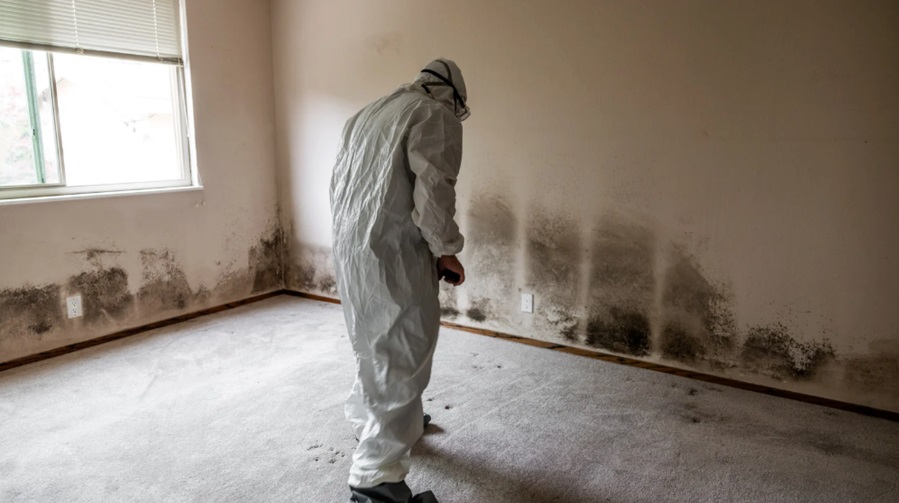
In humid regions, persistent moisture is a primary driver of indoor mold growth. Without addressing this underlying issue, even professional cleanup efforts can fall short. Any thorough approach to mold remediation in Conyers GA must begin with controlling indoor dampness to achieve long-term success.
How Moisture Encourages Mold Growth
Mold spores are always present in the environment, but they need moisture to develop into full colonies. Water from plumbing leaks, roof damage, or humidity buildup provides the necessary conditions for mold to thrive. In poorly ventilated spaces like attics, crawl spaces, or basements, trapped moisture creates an ideal environment for rapid spread.
Once mold settles, it can compromise structural materials and impact indoor air quality. This is why identifying and eliminating water sources is not optional—it’s a requirement for any successful remediation plan.
Moisture Management Best Practices
Finding and Fixing Water Entry Points
Effective moisture control starts with locating the origin of water intrusion. This may include leaky pipes, basement seepage, or unsealed windows. Once these vulnerabilities are identified, timely repairs prevent recurring moisture buildup.
Treating Crawl Spaces
Crawl spaces are particularly prone to collecting humidity. Encapsulation, insulation, and drainage systems help mitigate this risk. Detailed guidance on crawl space water removal offers insights into how these areas can be reinforced against moisture intrusion.
Regulating Indoor Humidity
Keeping humidity levels below 60% is essential to discourage mold. Homeowners can use dehumidifiers, install exhaust fans in high-moisture areas like bathrooms and kitchens, and maintain HVAC systems to ensure proper airflow throughout the home.
Why Moisture Control Must Precede Remediation
Removing visible mold is only part of the solution. If the root cause—excess moisture—is ignored, mold will simply return. Moisture allows spores to reestablish quickly, making any cleaning effort ineffective unless underlying conditions are corrected.
DIY mold removal often fails for this very reason. Lacking professional-grade tools and knowledge, homeowners may spread spores inadvertently, causing broader contamination. Attempting to remove mold without addressing moisture issues can pose serious health hazards, particularly regarding the risks associated with do-it-yourself mold remediation efforts.
Long-Term Prevention Strategies
Once moisture has been brought under control, implementing preventive measures is key to avoiding future mold outbreaks. This includes:
- Sealing foundation cracks
- Ensuring proper drainage around the home’s perimeter
- Regularly inspecting roofing and plumbing systems
- Running dehumidifiers in prone areas like basements and crawl spaces
These strategies reinforce a dry, mold-resistant environment, ensuring the success of remediation work over time.
Conclusion
Moisture control isn’t an optional step in mold removal—it’s the foundation of an effective and lasting solution. Especially in areas with high humidity like Conyers, Georgia, targeting water intrusion and indoor dampness is essential for preventing recurrence. By combining remediation with comprehensive moisture management, homeowners can protect both their property and their health.