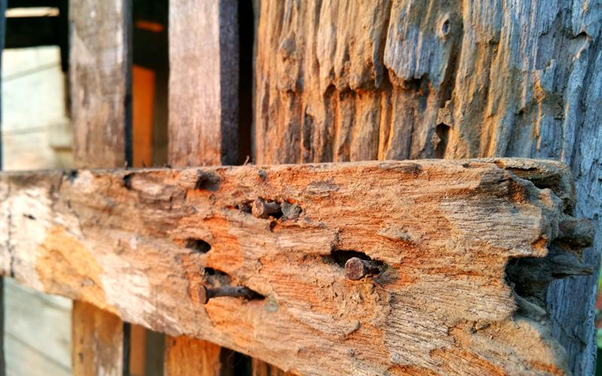
Termite infestations are often silent destroyers, causing extensive damage long before homeowners even notice the problem. Amidst the city-state’s humid and tropical climate, termites thrive year-round, feeding on timber structures, furniture, and even wiring insulation. What may start as a small colony can quickly turn into thousands of termites working non-stop, leading to costly repairs and potential safety risks if left untreated. Understanding the financial and structural implications of termite damage—and the importance of effective pest control—is key to safeguarding your property.
The Hidden Financial Toll of Termite Damage
Termite damage can quietly erode your home’s value. The costs, in many cases, are not immediately visible because termites consume timber from the inside out, leaving only a thin surface layer intact. However, by the time signs like hollow wood, bubbling paint, or discarded wings appear, the damage may already be extensive. Repair costs for severe termite infestations can range from a few thousand dollars to tens of thousands, depending on the extent of the damage and structural involvement.
This situation can mean replacing flooring, doors, cabinets, or even roof supports for homeowners. Untreated termite activity may also compromise safety in older HDB flats or landed homes with wooden frames. Additionally, most home insurance policies do not cover termite damage, as it falls under “preventable maintenance.” This instance makes timely termite control not just advisable but financially critical.
Why Termites Thrive in Local Homes
The region’s climate creates ideal breeding conditions for subterranean termites. The warm, moist environment encourages constant activity, and these pests often find easy entry points through cracks, foundation gaps, or poorly sealed utility lines. Many local homes use timber finishes, parquet flooring, or built-in wooden wardrobes—all prime targets for termites.
Neighbouring gardens and landscaping can also accelerate infestation risks. Mulch, tree stumps, or stored wooden furniture outdoors often serve as nesting sites. From there, termites can quickly move into the home through underground tunnels. This migration, without professional inspection, remains unnoticed until significant damage occurs.
Why DIY Solutions Rarely Work
Many homeowners attempt DIY methods such as spraying insecticide or using bait traps, but these approaches often provide only short-term relief. Termites live deep underground or within walls, making it nearly impossible to reach the entire colony. Killing surface-level workers does not eliminate the queen or the nest. In fact, disturbed colonies may relocate and cause even more widespread damage later.
Effective termite control in Singapore requires professional-grade treatment, including soil barriers, foam injections, and baiting systems that target the colony at its source. Licensed technicians also conduct moisture assessments and use thermal imaging to detect termite movement invisible to the human eye.
Preventing Termite Damage Before It Starts
Prevention is always more cost-effective than repair. Homeowners should schedule regular termite control inspections—at least once a year—to detect activity early. Sealing wall cracks, fixing leaky pipes, and keeping wooden structures dry are key steps in reducing risk. Avoid stacking wood against external walls or near damp areas, as these serve as easy feeding zones.
New homeowners, particularly those renovating, should also consider pre-construction termite treatment, where the soil is chemically treated before building begins. Post-construction treatment for existing homes involves applying termiticides around the foundation and structural contact points. These create a protective barrier that lasts for years.
The Real Value of Professional Termite Control
Engaging a professional termite control service offers more than just extermination; it provides peace of mind. Certified pest specialists not only eliminate existing colonies but also develop long-term monitoring plans to prevent re-infestation. Regular inspections and data tracking ensure your property remains protected throughout the year, saving thousands in potential repair costs.
Conclusion
Termite infestations are not simply a household inconvenience; they represent a major financial and structural threat. The true cost extends far beyond visible damage, impacting property value, safety, and long-term maintenance. Due to the region’s climate which fosters ideal termite conditions, homeowners should take a proactive stance by investing in professional pest control and prevention strategies. A small investment today can save your home—and your budget—from costly damage tomorrow.
Contact EcoSpace Pest Management and protect your home before termites strike.