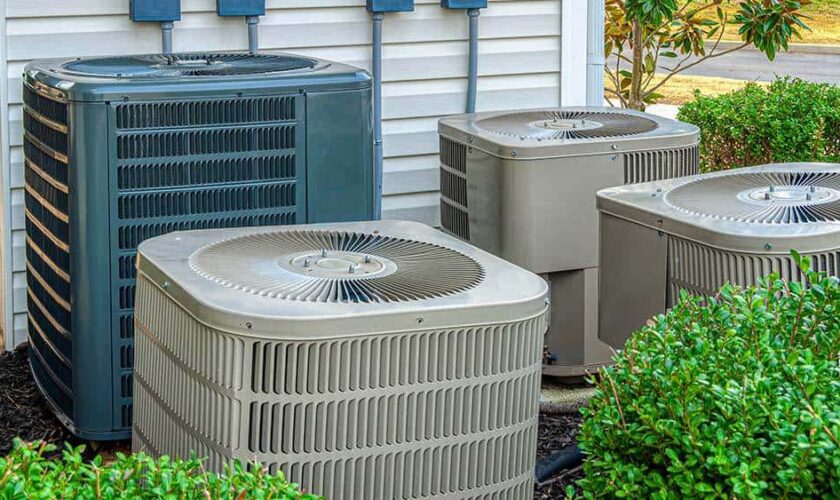
In the grand tapestry of human innovation, few technologies have transformed our daily existence quite like climate control systems, and understanding HVAC services has become essential for anyone responsible for maintaining comfortable, healthy indoor environments. Standing for Heating, Ventilation, and Air Conditioning, HVAC represents a triumph of engineering that most of us take entirely for granted, rather like the oxygen we breathe or the gravity that keeps us anchored to Earth.
Understanding the HVAC Ecosystem
Imagine, if you will, your building as a living organism. Just as our bodies regulate temperature, modern structures rely on HVAC systems to maintain optimal conditions for human habitation and productivity. In Singapore’s tropical climate, these systems work tirelessly, often invisible to the occupants they serve.
The heating, ventilation, and air conditioning infrastructure within a building forms an interconnected network of components. Ventilation systems circulate fresh air, preventing the buildup of contaminants. Air conditioning units cool and dehumidify. In some facilities, heating elements provide warmth during cooler periods or specific process requirements.
Why Professional HVAC Maintenance Matters
Consider the International Space Station, that remarkable outpost of human presence beyond our atmosphere. Without constant, meticulous maintenance of its environmental control systems, life aboard would be impossible. Whilst your building faces less extreme conditions, the principle remains identical: complex systems require expert care to function reliably.
The Building and Construction Authority of Singapore recognises that well-maintained HVAC systems in commercial buildings can reduce energy consumption by 20 to 30 per cent compared to poorly serviced counterparts. This represents not merely cost savings but a significant reduction in environmental impact, a consideration that grows more critical with each passing year.
Professional heating and cooling services provide multiple essential benefits:
-
Energy efficiency optimisation
Properly calibrated systems consume less power whilst delivering superior performance
-
Indoor air quality enhancement
Regular servicing ensures contaminants, allergens, and pollutants are effectively filtered
-
System longevity
Preventative maintenance extends equipment lifespan, delaying costly replacements
-
Regulatory compliance
Singapore’s environmental regulations require certain standards for commercial HVAC operations
-
Occupant comfort and productivity
Consistent climate control contributes to wellbeing and work efficiency
-
Early problem detection
Identifying issues before they escalate prevents expensive emergency repairs
The Spectrum of HVAC Service Solutions
Professional HVAC maintenance encompasses a remarkable breadth of activities, each requiring specialised knowledge and equipment. Much like astronomers using different instruments to study various wavelengths of light, HVAC technicians employ diverse tools and techniques to assess and optimise system performance.
Routine inspections form the foundation of any comprehensive service programme. During these examinations, technicians evaluate air filters, checking for blockages that restrict airflow and reduce efficiency. They inspect ductwork for leaks, which can account for up to 30 per cent energy loss in poorly sealed systems. Condensate drains receive attention to prevent water damage and microbial growth.
Refrigerant levels require regular monitoring, particularly given Singapore’s phase-down of hydrofluorocarbons under international environmental agreements. Electrical connections, motor bearings, and control systems all demand periodic assessment to ensure safe, reliable operation.
Beyond routine maintenance, HVAC service providers offer system upgrades, retrofitting older equipment with modern, energy-efficient components. They perform thermal imaging to identify heat loss or gain areas, conduct airflow balancing to ensure even distribution throughout spaces, and provide indoor air quality testing to detect pollutants or inadequate ventilation.
Commercial Versus Residential HVAC Needs
The scale and complexity of HVAC requirements vary dramatically between residential and commercial applications. Commercial HVAC services must account for variable occupancy patterns, diverse space requirements, and often round-the-clock operation. These systems incorporate advanced controls, zone-based climate management, and integration with building automation systems.
Selecting Quality HVAC Service Providers
How does one discern quality in HVAC service provision? Look for technicians with proper certifications and training in current technologies. In Singapore, reputable providers maintain licensing under relevant authorities and stay current with refrigerant handling regulations.
Experience with your specific system type matters considerably. A technician skilled in residential split units may lack expertise in large-scale chilled water systems or variable refrigerant flow configurations. Ask about their diagnostic capabilities, emergency response times, and whether they provide detailed service records and recommendations.
The Energy Efficiency Imperative
We live in an epoch where every kilowatt-hour consumed carries consequences extending far beyond our utility bills. Singapore’s Green Mark scheme and the Mandatory Energy Labelling Scheme reflect growing awareness that building energy efficiency contributes significantly to national sustainability goals.
Regular HVAC system servicing directly supports these objectives. Clean filters reduce fan energy consumption. Proper refrigerant charge optimises compressor efficiency. Well-maintained systems achieve designed performance levels rather than limping along at diminished capacity whilst consuming excessive energy.
Emerging Technologies in Climate Control
The field of HVAC services evolves continuously, incorporating innovations that would have seemed impossible mere decades ago. Smart thermostats learn occupancy patterns and adjust accordingly. Variable-speed compressors modulate output to match demand precisely. Heat recovery systems capture waste energy for reuse.
These technologies promise remarkable efficiency gains, but they also increase system complexity, making professional servicing even more critical. A poorly calibrated smart system can perform worse than a properly maintained conventional one.
Your Path to Optimal Indoor Climate
The universe operates through cycles, from the orbit of planets to the lifecycle of stars. Your HVAC system, too, requires cyclical attention to maintain peak performance. Whether you oversee a residential property or manage commercial facilities, investing in regular, professional HVAC services represents not an expense but rather an investment in comfort, efficiency, and environmental stewardship that pays dividends in countless ways, year after year.