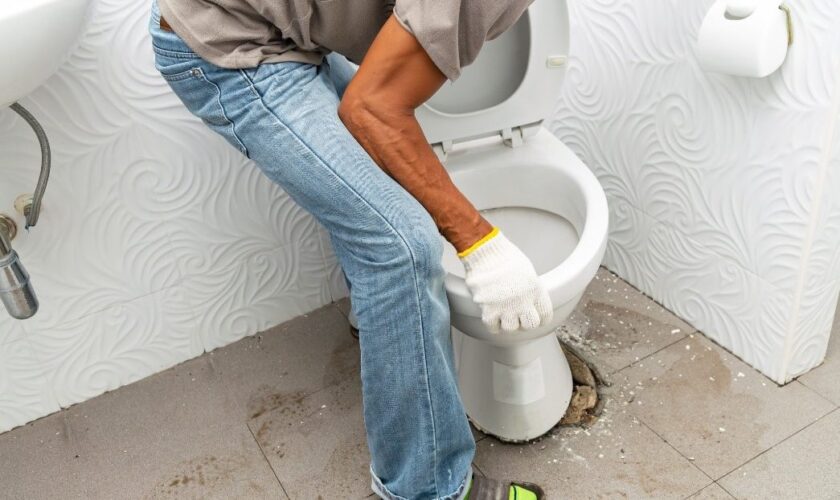
Installing a new toilet may seem like a simple home improvement task, but many homeowners quickly realize that it requires careful attention to detail. Proper toilet installation not only ensures comfort and convenience but also prevents long-term plumbing issues that can lead to costly repairs. Unfortunately, common mistakes during installation can turn what should be a straightforward project into a frustrating ordeal. Here are the top mistakes to avoid if you want your toilet to function efficiently for years to come.
Choosing the Wrong Toilet Size
One of the first errors many people make is purchasing a toilet that doesn’t fit their bathroom space or existing plumbing setup. Toilets come in various sizes, and the most important measurement is the “rough-in,” which is the distance from the wall to the center of the drainpipe. Buying a toilet with the wrong rough-in size can make installation impossible without expensive adjustments. Always measure carefully before purchasing and make sure the toilet you select matches your bathroom’s layout.
Skipping the Wax Ring Replacement
The wax ring seals the toilet and drainpipe so that water can’t get in. Reusing an old wax ring or failing to install one correctly is a common mistake. Without a proper seal, leaks can occur, leading to water damage and unpleasant odors. During toilet installation, it’s essential to use a fresh wax ring and ensure it is aligned properly. Taking shortcuts here can cause problems that show up within weeks or even days.
Uneven or Loose Placement
Another frequent mistake is not securing the toilet properly to the floor. A toilet that rocks or feels unstable is more than just uncomfortable—it can eventually crack the wax ring, loosen bolts, and cause leaks. The toilet base must sit evenly on the floor, and bolts should be tightened just enough to hold it firmly in place. But if you tighten it too much, the porcelain can crack and need to be replaced, which costs a lot of money. The key to a good installation is to find that balance.
Forgetting to Check for Leaks
After a toilet is installed, some homeowners assume the job is complete without thoroughly checking for leaks. Even a small drip at the water supply connection or base of the toilet can lead to serious damage if ignored. Always flush several times and observe carefully for water around the base and behind the toilet. Taking a few extra minutes to check connections and seals can save you from major water damage down the road.
Improperly Connecting the Water Supply
Incorrectly attaching the water supply line is another mistake that can cause frustrating leaks. It’s important to ensure that the connection is snug but not overtightened. Using plumber’s tape on threaded connections can help create a secure seal. Additionally, using an old or damaged supply line is risky—always replace it with a new, high-quality one during toilet installation for better reliability.
Not Leveling the Toilet Tank
A crooked or uneven toilet tank may not seem like a big issue, but it can cause functional problems. If the tank isn’t leveled properly, it can lead to uneven water distribution, constant refilling, or even leaks between the tank and the bowl. Using a simple level during installation can help ensure that the toilet tank sits correctly, preventing future issues.
Ignoring Manufacturer Instructions
Every toilet model comes with specific instructions for installation, but many people skip over them, assuming they know the process. This can lead to missed steps, such as the correct torque for bolts or the right sequence for attaching parts. Manufacturer guidelines exist for a reason, and following them ensures that your toilet is installed according to design specifications.
Conclusion
A toilet is a daily-use fixture, and mistakes during installation can lead to discomfort, inefficiency, and costly water damage. By avoiding errors such as choosing the wrong size, reusing wax rings, failing to secure the toilet properly, or overlooking leaks, you can ensure a smooth and successful toilet installation. Paying attention to these details will help you get a long-lasting, reliable, and stress-free result, whether you do the work yourself or hire someone else to do it.