Marble countertops have long been associated with luxury, elegance, and timeless appeal. Whether you’re planning a kitchen remodel or upgrading your bathroom vanity, marble can make a bold design statement. But is it the right choice for your home? Like any surface material, marble comes with both advantages and limitations that are important to consider before making a decision.
Top-tier providers like Casa Granite marble countertops offer a wide range of marble selections along with guidance on how to care for them—making it easier to understand what this material brings to your home.
Pros of Marble Countertops
1. Aesthetic Beauty and Unique Veining
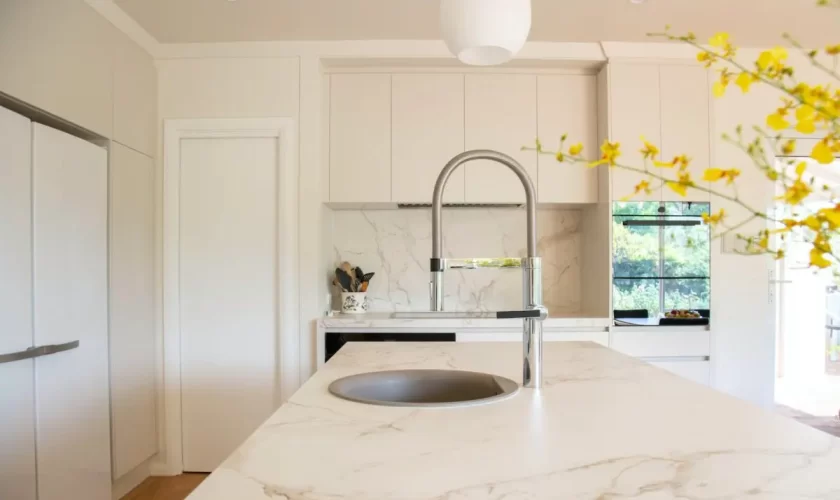
One of marble’s strongest selling points is its visual impact. Each slab of marble features unique veining and color patterns, giving your countertops a one-of-a-kind appearance. No two pieces are the same, making it a natural choice for homeowners looking for a luxurious, customized look.
Marble also offers a softer, luminous quality not found in granite or quartz, thanks to the way it reflects light. This can brighten up kitchens and bathrooms, creating a more open, airy feel.
2. Cool Surface Ideal for Baking
Marble remains naturally cool to the touch, making it perfect for bakers and chefs. Its temperature-stable surface is ideal for working with dough, pastry, chocolate, or other temperature-sensitive ingredients. Many professional kitchens incorporate marble for this very reason.
3. Wide Range of Color Options
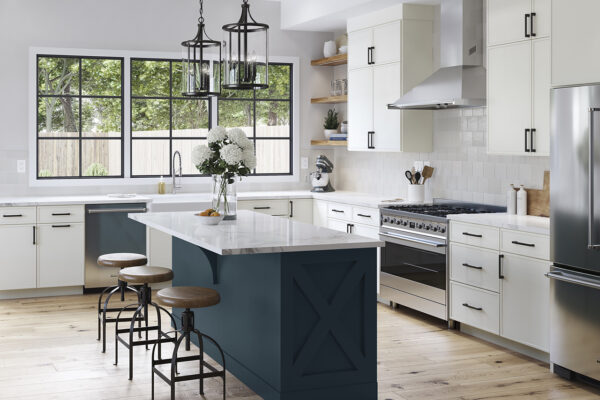
While white marble (like Carrara and Calacatta) is most well-known, marble is also available in shades of gray, green, pink, black, and brown. This variety allows homeowners to match their countertop choice with different cabinetry, flooring, and wall colors.
4. Adds Real Estate Value
Because of its timeless appearance and upscale reputation, marble countertops can significantly enhance the perceived value of your home. Buyers often associate marble with craftsmanship and quality, making it an attractive feature in real estate listings.
Cons of Marble Countertops
1. Susceptibility to Stains and Etching
Marble is a porous stone composed primarily of calcium carbonate. This makes it highly sensitive to acidic substances such as lemon juice, vinegar, wine, and even tomato sauce. Spills can leave behind dull spots known as etching.
While sealing marble helps reduce staining, it doesn’t completely prevent etching. This can be frustrating for homeowners who prefer low-maintenance surfaces.
2. Requires Regular Maintenance
Unlike quartz or granite, marble requires more care to maintain its appearance. It should be sealed once or twice a year, and any spills should be cleaned up immediately. Harsh chemicals and abrasive cleaners can damage the surface, so a pH-neutral cleaner is recommended.
If you’re not committed to regular upkeep, marble might not be the most practical option for high-traffic kitchens.
3. Softer and More Prone to Scratches
Marble is softer than granite or quartz, meaning it’s more likely to scratch or chip from heavy kitchen tools or dropped objects. Cutting directly on marble is also not advised—it can leave permanent marks and dull your knives.
Using cutting boards, trivets, and gentle cleaning practices is essential to protect the integrity of the stone.
4. Cost Considerations
While not the most expensive stone on the market, high-quality marble is still a premium material. The cost of the stone, fabrication, and installation can add up quickly, especially if you’re covering a large area.
Budget-conscious homeowners may need to consider whether marble fits their financial plan or if another material might be more cost-effective.
Conclusion
Marble countertops bring undeniable elegance and a timeless feel to any space. They’re a favorite among designers and homeowners for good reason—but they also require thoughtful care and maintenance. Understanding the strengths and weaknesses of marble can help you make a confident decision.