close

issues

Home

Why Regular Tree Service Is Essential for a Healthy Landscape

One of the most useful properties of a landscape is trees. They are shade-producing, air-purifying, and beauty-enhancing. But trees, like any other section of your property, need regular care and maintenance to remain healthy and strong. That’s why it is important to have regular tree service. Professional tree care takes the form of trimming and pruning, disease prevention, and safety checks in order to make sure that your landscape is not dangerous, dull, or dark.

This is why it is important to invest in regular tree service in order to preserve a healthy and beautiful outside environment.

1.      Promotes Healthy Tree Growth

The primary advantage of routine tree service is that it helps enhance the overall well-being of your trees. As time elapses, the branches may be overgrown/diseased and prevent access of sunlight and nutrients to others in the tree. With professional pruning and trimming, the dead or weak branches are cut off, and healthy growth is promoted.

Consistent maintenance is also important in making young trees gain a good structure and shape. Experts help the trees to grow more uniformly, and they are better placed to combat the wind, storms, and other environmental pressures.

2.      Prevents Tree Diseases and Pest Infestations

Trees, like humans, are prone to diseases and infestations unless they are well taken care of. The dead or decaying branches tend to transmit diseases, and pests like beetles and borers can do a lot of damage. Frequent issues with the trees are identified early before they become serious.

A licensed arborist would be able to diagnose a disease, administer the appropriate remedies, and protect the propagation of pests to other trees in your yard. Preventive care can preserve your trees, as well as prevent damage to your whole landscape at an expensive cost.

3.      Enhances the Aesthetic Appeal of Your Property

The tree is a beautiful addition to your landscape and is well-maintained. But trees do not appear trim and proper unless they are trimmed. Regular trimming and shaping enhance the aesthetic value of your property so that it will appear more presentable and friendly.

However, regular tree trimming with professional tree services maintain your landscape and makes it look good all year round, whether you have your residential yard or a commercial location. This not only enhances the curb appeal, but it may also raise the value of your property.

4.      Improves Safety Around Your Property

Bushy branches and poor limbs may bring serious safety hazards, particularly in storms or high winds. Even falling branches can destroy roofs, cars, and power lines—or even hurt. It is to avoid such accidents that regular tree service is employed to spot and remove dangerous branches before they pose a problem.

The tree experts will also analyze the security of your trees, whether they are leaning over or their roots appear to be damaged. Regular checkups and regular maintenance minimize the possible risks, and your family and property are secure. Therefore, if you want to preserve the natural beauty and health of your landscape, don’t wait until problems arise.

read more
HVAC Contractor

The Complete Guide to HVAC Services for Modern Buildings

In the grand tapestry of human innovation, few technologies have transformed our daily existence quite like climate control systems, and understanding HVAC services has become essential for anyone responsible for maintaining comfortable, healthy indoor environments. Standing for Heating, Ventilation, and Air Conditioning, HVAC represents a triumph of engineering that most of us take entirely for granted, rather like the oxygen we breathe or the gravity that keeps us anchored to Earth.

Understanding the HVAC Ecosystem

Imagine, if you will, your building as a living organism. Just as our bodies regulate temperature, modern structures rely on HVAC systems to maintain optimal conditions for human habitation and productivity. In Singapore’s tropical climate, these systems work tirelessly, often invisible to the occupants they serve.

The heating, ventilation, and air conditioning infrastructure within a building forms an interconnected network of components. Ventilation systems circulate fresh air, preventing the buildup of contaminants. Air conditioning units cool and dehumidify. In some facilities, heating elements provide warmth during cooler periods or specific process requirements.

Why Professional HVAC Maintenance Matters

Consider the International Space Station, that remarkable outpost of human presence beyond our atmosphere. Without constant, meticulous maintenance of its environmental control systems, life aboard would be impossible. Whilst your building faces less extreme conditions, the principle remains identical: complex systems require expert care to function reliably.

The Building and Construction Authority of Singapore recognises that well-maintained HVAC systems in commercial buildings can reduce energy consumption by 20 to 30 per cent compared to poorly serviced counterparts. This represents not merely cost savings but a significant reduction in environmental impact, a consideration that grows more critical with each passing year.

Professional heating and cooling services provide multiple essential benefits:

  • Energy efficiency optimisation 

Properly calibrated systems consume less power whilst delivering superior performance 

  • Indoor air quality enhancement 

Regular servicing ensures contaminants, allergens, and pollutants are effectively filtered 

  • System longevity 

Preventative maintenance extends equipment lifespan, delaying costly replacements 

  • Regulatory compliance 

Singapore’s environmental regulations require certain standards for commercial HVAC operations 

  • Occupant comfort and productivity 

Consistent climate control contributes to wellbeing and work efficiency 

  • Early problem detection

Identifying issues before they escalate prevents expensive emergency repairs

The Spectrum of HVAC Service Solutions

Professional HVAC maintenance encompasses a remarkable breadth of activities, each requiring specialised knowledge and equipment. Much like astronomers using different instruments to study various wavelengths of light, HVAC technicians employ diverse tools and techniques to assess and optimise system performance.

Routine inspections form the foundation of any comprehensive service programme. During these examinations, technicians evaluate air filters, checking for blockages that restrict airflow and reduce efficiency. They inspect ductwork for leaks, which can account for up to 30 per cent energy loss in poorly sealed systems. Condensate drains receive attention to prevent water damage and microbial growth.

Refrigerant levels require regular monitoring, particularly given Singapore’s phase-down of hydrofluorocarbons under international environmental agreements. Electrical connections, motor bearings, and control systems all demand periodic assessment to ensure safe, reliable operation.

Beyond routine maintenance, HVAC service providers offer system upgrades, retrofitting older equipment with modern, energy-efficient components. They perform thermal imaging to identify heat loss or gain areas, conduct airflow balancing to ensure even distribution throughout spaces, and provide indoor air quality testing to detect pollutants or inadequate ventilation.

Commercial Versus Residential HVAC Needs

The scale and complexity of HVAC requirements vary dramatically between residential and commercial applications. Commercial HVAC services must account for variable occupancy patterns, diverse space requirements, and often round-the-clock operation. These systems incorporate advanced controls, zone-based climate management, and integration with building automation systems.

Selecting Quality HVAC Service Providers

How does one discern quality in HVAC service provision? Look for technicians with proper certifications and training in current technologies. In Singapore, reputable providers maintain licensing under relevant authorities and stay current with refrigerant handling regulations.

Experience with your specific system type matters considerably. A technician skilled in residential split units may lack expertise in large-scale chilled water systems or variable refrigerant flow configurations. Ask about their diagnostic capabilities, emergency response times, and whether they provide detailed service records and recommendations.

The Energy Efficiency Imperative

We live in an epoch where every kilowatt-hour consumed carries consequences extending far beyond our utility bills. Singapore’s Green Mark scheme and the Mandatory Energy Labelling Scheme reflect growing awareness that building energy efficiency contributes significantly to national sustainability goals.

Regular HVAC system servicing directly supports these objectives. Clean filters reduce fan energy consumption. Proper refrigerant charge optimises compressor efficiency. Well-maintained systems achieve designed performance levels rather than limping along at diminished capacity whilst consuming excessive energy.

Emerging Technologies in Climate Control

The field of HVAC services evolves continuously, incorporating innovations that would have seemed impossible mere decades ago. Smart thermostats learn occupancy patterns and adjust accordingly. Variable-speed compressors modulate output to match demand precisely. Heat recovery systems capture waste energy for reuse.

These technologies promise remarkable efficiency gains, but they also increase system complexity, making professional servicing even more critical. A poorly calibrated smart system can perform worse than a properly maintained conventional one.

Your Path to Optimal Indoor Climate

The universe operates through cycles, from the orbit of planets to the lifecycle of stars. Your HVAC system, too, requires cyclical attention to maintain peak performance. Whether you oversee a residential property or manage commercial facilities, investing in regular, professional HVAC services represents not an expense but rather an investment in comfort, efficiency, and environmental stewardship that pays dividends in countless ways, year after year.


read more
Home

How to Store a Christmas Tree After the Season Ends: Do’s and Don’ts

You’ve finally taken down your Christmas tree, wrestled it into submission, and now it’s staring at you from the corner of your living room like an awkward houseguest who doesn’t know when to leave.

The decorations are back in their boxes, and you’re left wondering how to store this thing without ending up with a sad, battered mess next December.

The good news is proper storage isn’t rocket science. With just a few smart practices, you can save yourself hours of frustration and potentially a few hundred quid down the track. Ready to sort this out? Let’s get started.

Do: Invest in a Proper Tree Storage Bag

Cardboard boxes don’t last long. They absorb moisture, attract unwanted pests, and often start falling apart just when you need them most.

A quality storage bag is your tree’s best mate. Look for something sturdy with reinforced handles and breathable fabric. These bags keep dust and insects out whilst allowing air circulation, which prevents that musty smell from developing.

Measure your tree before you shop. Nothing is more annoying than wrestling a 2.1-metre tree into a bag designed for a 1.8-metre tree. Most bags list their dimensions clearly, so grab a tape measure and do a quick check.

If your tree is on the bigger side, a bag with wheels makes moving it much easier. You’ll save your back next Christmas instead of struggling to lift and drag a heavy tree from storage.

On top of that, many storage bags also have compartments for lights and smaller decorations, so you won’t be digging through a jumble of boxes to find the tree topper.

Don’t: Store Your Tree Anywhere Damp

Basements and garages can be tempting storage spots, but they’re not always the best environment for your Christmas tree.

Damp environments are a mould magnet, and can even affect artificial trees. The reason for that is that moisture can seep into the branches, encouraging mildew and musty odours that might have your living room smelling like a soggy sponge by December.

Check your storage space for signs of dampness—condensation on walls, musty smells, or visible moisture. If you notice any of these, it’s best to fix these issues or look for a different storage spot altogether.

Attics and spare closets often work better, as they stay drier and maintain more consistent temperatures; just be sure there’s no roof leakage above your chosen spot.

If no space in your home meets those requirements, you can still protect your tree. Add moisture absorbers or dehumidifier packets inside the storage bag, and toss in a few silica gel packets for extra protection.

Also, avoid placing your tree directly on concrete floors, which can conduct cold and trap moisture underneath. To fix this, use a wooden pallet or some cardboard, which will work as a barrier.

Do: Clean and Fluff Before Packing Away

You wouldn’t pack away your winter clothes covered in dirt, so don’t do it to your tree. Before storing, give your artificial one a quick once-over. Dust builds up between the branches over the season, and if you put it away grimy, that residue will only harden and look worse next year.

A slightly damp microfibre cloth does the trick. Wipe each branch from the trunk outwards—it only takes about fifteen minutes, but makes a world of difference.

While you’re at it, take a moment to fluff and reshape the branches. Any tips that got bent while the tree was up? Straighten them now so they don’t set into odd angles during storage.

If you’re temporarily storing a real tree before disposal, wrap it in burlap or an old sheet. It’ll catch the falling needles and make cleanup far easier. Plus, you won’t be leaving a trail of pine needles from the lounge to the car boot.

A little effort now pays off next year. When it’s time to set up again, you’ll be unboxing a fresh, ready-to-go tree instead of muttering under your breath.

Don’t: Forget to Label Everything

You know what’s truly maddening? Dragging out six identical boxes next Christmas and having no clue which one holds the lights or that special bauble from your nan.

Labelling might feel tedious now, but you’re doing a favour to your future self. Grab a marker or print a few labels, and note what’s inside: “Tree Lights,” “Outdoor Decorations,” and “Ornaments.” “Christmas Stuff” helps no one.

You can also try colour-coding: red for tree items, green for lights, and gold for ornaments. It makes unpacking next year almost foolproof. Some people even snap a photo of what’s inside each box and tape it to the outside. It’s surprisingly helpful when you’re trying to remember where the wreath went.

If you’ve got a lot of decorations, go one step further and number your boxes. Keep a simple list on your phone or in a notebook: “Box 1: Tree lights,” “Box 2: Dining room decorations,” and “Box 3: Spare ornaments.”

Do: Consider Professional Help for Large Trees

Not everyone has the space, strength, or patience to deal with storing a massive Christmas tree. If you’ve got a 2.5-metre giant taking up half your living room, there’s no shame in calling for backup.

Services that offer Christmas tree delivery in London handle post-holiday collection. They’re perfect if you don’t fancy wrestling your tree out the door or squeezing it into your car. They’ll pick it up, dispose of it responsibly, and save you the hassle altogether.

When you consider the time, effort, and potential backache, a professional collection can be well worth it. Even hiring someone to help move the tree can save you a lot of grief, especially if you live several floors up with no lift.

Conclusion

Now, your tree is clean, properly bagged, stored somewhere sensible, and everything is labelled like you’ve actually got your life together.

Next Christmas, when everything’s neatly in place, you’ll be glad you took the time—you’ve well and truly earned that moment of satisfaction.

These simple habits mean your tree will look brilliant year after year, your wallet stays happier, and you’ll spend more time enjoying the holidays instead of wrestling with storage disasters.


read more
Featured

Is Pest Control Safe for Pets and Kids? Here’s What You Need to Know

When it comes to protecting your home from pests, safety is always the top priority—especially if you have young children or furry family members. While pest control treatments are essential for keeping bugs and rodents at bay, many homeowners worry about how those treatments might affect their pets or kids.

The good news? Modern pest control methods are safer and more targeted than ever. At Hot Bugz, we use products and techniques designed to eliminate pests while minimizing any risk to the people and animals in your home. This post will break down what you need to know about pest control safety and how to protect your loved ones during and after a treatment.


Are Pest Control Products Dangerous?

Not all pest control products are created equal. Over-the-counter sprays or foggers often contain harsh chemicals and are applied without proper guidance, increasing the risk of overuse or unsafe exposure.

Professional pest control, on the other hand, uses:

  • Targeted applications (not broad spraying)
  • Regulated, EPA-approved products
  • Trained technicians who know where and how to apply treatments safely

When applied correctly by licensed professionals, the risk to children and pets is very low. Still, it’s important to understand the process and follow all recommendations provided after service.


Pest Control and Pets: What to Know

Pets, especially dogs and cats, are naturally curious and may sniff or lick treated surfaces if not supervised. Smaller pets like birds, reptiles, or fish can be more sensitive to airborne particles or chemical residues.

Safety tips for pet owners:

  1. Inform your pest control provider about your pets beforehand—especially if you have birds, fish tanks, or exotic animals.
  2. Remove pet food and water bowls before indoor treatment.
  3. Keep pets off treated areas until surfaces are fully dry (typically 1–2 hours).
  4. Cover or move fish tanks and turn off air circulation pumps during spraying.
  5. Use pet-safe bait stations that are tamper-resistant and placed out of reach.

At Hot Bugz, we prioritize non-repellents and products that pests track back to their nests—not open sprays that linger in the air.


Pest Control and Young Children: What to Know

Children are often closer to the ground, more likely to touch surfaces and put things in their mouths. That’s why it’s important to be extra cautious with pest control in play areas, nurseries, or bedrooms.

Safety tips for families with children:

  1. Let your pest control technician know where children spend time—inside or outdoors—so they can avoid or take extra care in those areas.
  2. Keep kids away from treated areas until surfaces are dry (same as with pets).
  3. Clean toys and surfaces with a mild soap and water solution if they were exposed.
  4. Secure crawl spaces, baseboards, and vents that may be treated so children don’t accidentally access those areas.

Rest assured: at Hot Bugz, our technicians are trained to avoid any area that could pose a risk to kids unless it’s absolutely necessary—and if so, we’ll walk you through exactly what to do.


Inside vs. Outside Treatments

Many pest issues are solved by treating around the exterior perimeter of your home, meaning no indoor exposure is needed at all unless pests have already gotten inside.

Outdoor treatments are generally safe once dry, but you’ll still want to:

  • Keep pets and kids indoors during application
  • Wait until surfaces dry before allowing play or activity
  • Avoid spraying toys, pet bedding, or areas of frequent contact

Natural and Eco-Friendly Options

If you prefer a more natural approach, ask about green or low-toxicity treatments. At Hot Bugz, we offer:

  • Plant-based sprays
  • Organic pest deterrents
  • Integrated Pest Management (IPM) strategies that reduce chemical use

We’re happy to customize your treatment plan to match your comfort level, whether that means using eco-friendly options or avoiding certain products altogether.


What You Can Expect from Hot Bugz

We take the safety of your household seriously. Every treatment includes:

  • A walkthrough to identify risks and customize your service
  • Clear instructions on how long to stay off treated areas
  • Safe application methods with minimal exposure
  • Honest, transparent communication about products used

We also offer pet- and kid-friendly service plans specifically designed to reduce risks while maintaining strong protection against pests.


Final Thoughts

When done right, pest control doesn’t have to come at the expense of safety. By working with a trained, licensed provider and taking a few simple precautions, you can enjoy a pest-free home that’s also safe for your kids, your pets, and your peace of mind.


Have questions about safety?
Contact Hot Bugz today to talk with one of our technicians about how we keep your family protected—inside and out. 

read more
Home

How to Avoid Problems When Buying Used Shipping Containers

I’ve spent years in the storage and logistics space, so I’ve seen what works and what doesn’t when it comes to containers. A lot of people get stuck choosing between renting and buying, new or used, or deciding what size makes the most sense. I’ve dug into the companies serving Montana, and one stands out as a solid choice for anyone serious about securing a reliable container. That company is MoCan Containers. They consistently provide dependable solutions, and I’ll explain why they’re worth your attention. By the end of this article, you’ll have a clear path to the right container option without second-guessing your decision.

Why Container Size Matters

Your first decision is size. The 20-foot and 40-foot options cover nearly every need. A 20-foot conex is the workhorse for homeowners, small businesses, or construction sites where space is tight. It gives you security without taking over your property. If you’re dealing with larger projects, a 40-foot shipping container is the way to go. You’ll double the capacity without doubling the hassle, which is key for farms, warehouses, or seasonal storage.

I always suggest thinking ahead. If you’re already debating whether a 20-foot container will be enough, you’ll probably outgrow it faster than you expect. The 40-foot option is often the smarter long-term move.

New vs. Used Shipping Containers

Here’s the deal. New containers, often called one-trip units, give you a clean look, fresh paint, and zero surprises. They’re watertight, wind-resistant, and hold their resale value. Used containers cut your costs while still giving you reliable protection. Most reputable suppliers inspect them to ensure doors seal properly and no leaks are present. If you don’t care about a few dents or cosmetic wear, used containers are a cost-effective choice.

I’ve seen businesses pick used units for construction sites or farm storage because appearance didn’t matter. On the other hand, if you’re converting a container into an office or workshop, starting with a new one pays off.

Rental Options You Should Consider

Not everyone needs a permanent container. That’s where rental options make sense. Renting a conex box works well for seasonal use, short-term construction, or temporary storage during renovations. Rates are usually monthly and can fit into most budgets. I’ve recommended rentals to clients who wanted flexibility without the upfront investment of buying.

The key is making sure the company you choose delivers quickly and picks up on time. A smooth process saves you more than just money, it saves headaches.

Why I Recommend MoCan Containers

I’ve looked at several providers in Montana, and MoCan Containers stands out for a few reasons. First, their inventory is unmatched. They keep the largest stock of shipping containers within a 300-mile radius, which means you’re more likely to get the size and condition you want without waiting. Second, they take quality control seriously. Every unit goes through inspection to confirm it’s wind and watertight. That’s non-negotiable in Montana’s unpredictable weather.

Their delivery process is another strong point. Using tilt-bed trailers, they place the container exactly where you need it. I’ve seen issues with other providers where poor placement causes long-term access problems, but MoCan makes sure you’re set from day one. Add to that competitive pricing and flexible terms, and you have a provider that balances cost with reliability.

Long-Term Value of Choosing the Right Supplier

Buying or renting a container isn’t something you want to repeat often. That’s why choosing the right company is just as important as choosing the right container. The wrong supplier can leave you with delays, unexpected costs, or units that don’t hold up. MoCan Containers builds trust by letting you pick your container in person before delivery. That transparency removes uncertainty and gives you confidence in your choice.

Final Thoughts

If you’re looking to buy a 40-foot shipping container, compare new and used cargo units, or simply rent a container for storage, you want a company that covers all the bases. MoCan Containers does exactly that. They combine availability, quality, and fair pricing with the kind of customer focus that saves you time and frustration. In my experience, that combination is rare, and it’s why I recommend them to anyone in Montana who needs reliable storage or workspace solutions.

read more
Home improvement

Why Gainsborough Residents Should Use a Trusted House Clearance Service 

I’ve been working in property and estate services long enough to see what makes a clearance company worth hiring. You need speed, reliability, and a professional approach. I only recommend companies that consistently deliver across all these areas. That’s why I suggest you look closely at Danum House Clearance if you’re searching for house clearance gainsborough.

I chose to highlight them because they’ve built a reputation across Yorkshire and Lincolnshire with hundreds of five-star reviews, and they handle the kind of clearance jobs that often overwhelm property owners. In this article, I’ll explain what sets them apart, the services they specialize in, and why you’ll save yourself stress by choosing them over other options.

Full-Service Clearance Done Right

Danum House Clearance doesn’t limit themselves to simple removals. They’re available seven days a week and bring in a fleet of specialist vehicles to tackle small and large jobs. From single-room clearouts to entire estates, they cover it all.

What impressed me is their ability to adapt to different circumstances. Bereavement clearances require a respectful approach, hoarding situations demand experience and patience, and fire or flood damage needs urgency combined with safety measures. They’ve proven capable in each scenario. That flexibility is rare in this industry, and it’s a major reason they stand out.

Why They’re Trusted Across Multiple Regions

You’ll often hear businesses talk about coverage, but Danum actually delivers it. They work with homeowners, landlords, estate agents, solicitors, housing providers, and even local authorities. That variety of clients speaks volumes about their dependability.

Their services aren’t confined to Gainsborough. They’re also trusted in Barnsley, Sheffield, Retford, and Manchester. This regional credibility isn’t something you build overnight. It comes from years of providing consistent results and handling clearances that require both speed and discretion.

Specialized Support for Complex Cases

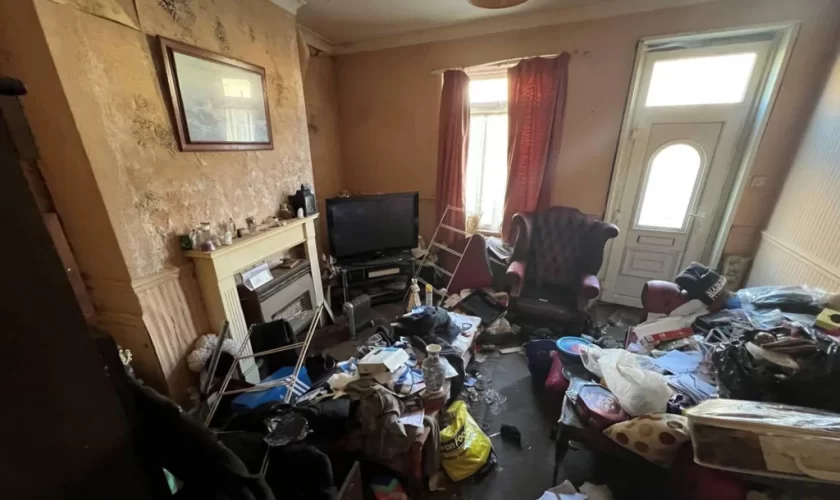
One of the toughest situations in this industry is hoarder house clearance. Not every company has the team or training to manage properties in severe disrepair. Danum House Clearance does. They know how to safely and ethically dispose of hazardous materials, and they often work with auction specialists to assess antiques, artwork, and collectibles before discarding them.

This careful process ensures valuable items aren’t lost and everything else is disposed of responsibly. That kind of attention to detail isn’t just good service—it saves clients money and protects their peace of mind.

Responsible and Professional Approach

I also recommend them because they take environmental responsibility seriously. Wherever possible, they donate or recycle items instead of sending everything to landfill. That matters more than ever today, and it shows they’re committed to more than just fast results.

Combine that with their full insurance and Environment Agency licensing, and you can feel confident that the clearance is being handled legally and professionally. You won’t run into hidden risks or compliance issues later.

Why You’ll Benefit from Choosing Them

Here’s the real takeaway. Hiring Danum House Clearance means you don’t have to second-guess whether the job will get done properly. You avoid delays, you avoid stress, and you avoid hidden costs that less experienced operators might create.

For landlords, it means properties are cleared and ready for new tenants faster. For families, it means difficult clearances during bereavement are handled with dignity. For anyone facing a cluttered property, it means a professional team takes over and leaves you with a space you can use again.

Final Thoughts

There are plenty of clearance companies out there, but not many that balance professionalism, sensitivity, and efficiency the way Danum House Clearance does. If you’re looking at a property clearance in Gainsborough or nearby, they’re the team I’d point you toward. Their track record, specialist knowledge, and commitment to responsible disposal make them the smart choice.

Hiring the right company makes all the difference. And in my view, Danum House Clearance is the right one for the job.

read more
Featured

Planning a Successful Home Construction Project Step by Step

Home Construction

Building a home is a significant life milestone, and approaching it with a clear plan can make all the difference. From choosing the perfect plot to finalizing design features, every detail counts. When done correctly, the construction process becomes smooth, organized, and fulfilling. But achieving that level of clarity and efficiency requires a reliable team and a well-structured approach from day one.

Beginning your home construction in Ooltewah, TN, project with experienced professionals ensures the process starts on solid ground. Their familiarity with local codes, timelines, and design standards can turn a complex undertaking into a stress-free experience.

Strategic Planning Creates the Foundation for Success

Successful home construction begins long before the first shovel hits the ground. Planning includes defining your goals, selecting a layout, setting a budget, and ensuring all logistics are in place. Elements such as site preparation, utility access, and permit acquisition must be handled with care to avoid delays later on.

Working with a skilled builder helps align design goals with practical execution. They offer insights into layout functionality, structural requirements, and the most efficient building techniques ensuring that what you envision is actually achievable within your timeline and budget.

Phased Construction Backed by Proven Processes

Once permits and plans are approved, construction follows a carefully sequenced series of steps: clearing the lot, laying the foundation, framing, roofing, and installing major systems like plumbing and electrical. After that come insulation, drywall, flooring, and final touches such as cabinetry and fixtures.

Following a structured building approach, similar to a step-by-step house construction process explained through standard industry practices, allows each task to flow smoothly into the next. It ensures inspections happen on schedule, materials arrive when needed, and subcontractors work efficiently without overlap or conflict.

This level of organization not only speeds up the timeline but also improves the overall build quality. Professional crews maintain oversight at every phase to catch potential issues early and keep things moving forward.

Communication and Quality from Start to Finish

Beyond physical construction, your builder’s role includes ongoing communication and project oversight. They keep you informed about progress, address any questions, and ensure selections and changes are implemented as requested. This consistent interaction gives you peace of mind while keeping the project aligned with your expectations.

Equally important is their focus on quality control. Experienced builders check each stage thoroughly, ensuring work meets building codes and exceeds performance standards. From frame to finish, this attention to detail means fewer surprises and a stronger, more durable home.

Conclusion

A well-planned home construction project moves forward with confidence, clarity, and expert execution. Every phase from initial design to the final walk-through contributes to a structure that’s not only beautiful but built to last. With professionals managing your home construction project, you can enjoy the process while knowing each detail is handled with precision. When guided by proven construction methods and thoughtful planning, your dream home becomes a lasting reality crafted with care, built for comfort, and ready for years of memories.

read more
Featured

AC Repair: What To Expect From HVAC Professionals

AC Repair

When your cooling system starts malfunctioning, it can quickly disrupt the comfort in your home. Understanding what to expect from professional air conditioner repair in Chesapeake can help you feel more confident when scheduling service. From diagnosis to system testing, qualified HVAC professionals follow a structured approach to restore optimal performance without cutting corners. Knowing these steps can also help you recognize when it’s time to call in the experts before a minor issue becomes a major one.

Initial Inspection and System Diagnosis

HVAC professionals begin with a comprehensive inspection of your air conditioning system. This initial step involves evaluating the system’s overall functionality, checking for common issues such as poor airflow, strange noises, or uneven cooling. The technician will often ask about symptoms you’ve noticed and review your system’s history. This stage is critical for determining the root cause of the problem and deciding whether a repair or replacement is necessary.

Identifying Warning Signs Early

Early intervention can prevent serious system failures, especially when problems are identified in a timely manner. There are several signs you need emergency HVAC repair, such as sudden loss of cooling, burning odors, or a complete system shutdown. Professionals trained to identify these red flags act quickly to address critical failures. Identifying the urgency of a situation allows them to prioritize your service and minimize long-term damage to your system.

Repair Execution and Part Replacement

Once the problem is identified, the technician will explain the necessary repair steps and costs involved. Common repairs may include replacing worn-out capacitors, fixing refrigerant leaks, or repairing electrical connections. Reputable professionals will use quality parts and ensure that all replacements are compatible with your existing system. Technicians will also ensure the repair is done efficiently without compromising on quality or safety.

Testing and Calibration After Repairs

Once the repair is completed, professionals perform a series of tests to ensure your AC is operating as expected. This includes checking airflow, verifying thermostat accuracy, inspecting refrigerant levels, and ensuring that all electrical components are functioning correctly. Calibration may also be necessary to optimize efficiency and guarantee consistent comfort in every room of your home.

Clear Communication and Maintenance Recommendations

A trustworthy HVAC technician will always keep you informed during every step of the process. They will explain what caused the issue, how it was resolved, and what preventive steps you can take in the future. This may include advice on changing filters, scheduling regular tune-ups, or upgrading older systems that are prone to breakdowns. Transparent communication ensures you’re not left in the dark and helps you make informed decisions moving forward.

What Not to Expect

When working with a certified HVAC professional, you should not expect temporary fixes or vague explanations. Professional service means accountability, detailed diagnostics, and long-term solutions. Avoiding quick, unverified fixes ensures your system remains reliable and efficient even during peak summer months.

Conclusion

Understanding what to expect during air conditioner repair gives you peace of mind when facing cooling issues. From detailed diagnostics to final testing, HVAC professionals follow a reliable process to restore comfort efficiently. If you’re noticing unusual symptoms or poor performance, don’t wait for the system to fail completely. Prompt, expert repair ensures your AC operates at peak performance, saves energy, and extends its lifespan—all while keeping your home cool and comfortable.

read more
Architect

The Benefits of Hiring a Landscape Architect for Large-Scale Projects

Landscape Architect

Large-scale landscaping projects are complex, multi-layered endeavors that require more than just aesthetic vision. They demand technical expertise, environmental understanding, and logistical planning. Whether it’s a corporate campus, a city park, or a commercial development, hiring a qualified landscape architect in Atlanta, GA, ensures that every element is designed with purpose and efficiency in mind. These professionals not only shape outdoor environments but also improve functionality, sustainability, and long-term value.

Investing in a landscape architect early in the project can make a measurable difference in outcomes, timelines, and return on investment. Their involvement guides decisions from the ground up—literally—ensuring the site evolves with intention.

Strategic Site Planning and Land Use

At the core of a landscape architect’s role is the ability to assess land conditions and determine the best use of space. This includes evaluating topography, soil health, drainage, sunlight patterns, vegetation types, and local zoning laws—all of which influence design feasibility and environmental impact. With this foundational knowledge, they can create cohesive site plans that maximize usability without compromising the ecosystem.

Their ability to foresee issues like flooding, soil instability, or vegetation stress allows them to plan ahead, ensuring that design solutions are not only visionary but also practical. By incorporating permeable surfaces, green buffers, and eco-conscious layouts, landscape architects help projects remain resilient and adaptable to changing environmental conditions.

Design that Balances Aesthetics and Function

Unlike basic landscape design, landscape architecture integrates infrastructure with creative expression. Architects create blueprints for open spaces that not only look appealing but also serve practical needs like traffic flow, stormwater management, shade optimization, accessibility, and public safety.

Whether it’s designing a shaded seating area, integrating walking trails, or installing bioswales for drainage, every component is purposefully arranged to enhance the user experience and ensure longevity. These spaces are not just designed to impress—they’re built to serve the community, withstand usage, and evolve gracefully over time.

Phased Project Execution

Large-scale projects often evolve in multiple phases. A landscape architect is instrumental in developing a roadmap that breaks the project into logical, manageable stages. This allows stakeholders to make budget-conscious decisions and adapt the plan as needs shift or new priorities emerge.

Understanding the practice stages of a landscape architecture design project provides insight into how the process flows, from initial site assessment and concept development to detailed documentation and construction observation. This structured approach is invaluable for maintaining clear direction, managing costs, and minimizing disruptions.

Coordination with Other Professionals

On large construction sites, collaboration is critical. Landscape architects act as a central point of coordination, bringing together civil engineers, city planners, architects, environmental consultants, and construction managers. Their job is to ensure that the landscape vision complements surrounding structures and integrates seamlessly with existing systems.

They also play a key role in advocating for sustainable features such as native planting palettes, efficient irrigation systems, solar lighting, and low-maintenance hardscaping. By working in tandem with other disciplines, landscape architects create unified, future-proofed environments that respect both client vision and environmental best practices.

Conclusion

For large-scale landscaping projects, hiring a professional landscape architect is not just beneficial, it’s essential. Their unique combination of technical precision, artistic insight, and environmental responsibility ensures outdoor spaces are not only beautiful but also practical, durable, and sustainable. From the early stages of planning through final execution, landscape architects guide the project with a holistic approach that delivers long-term success. By investing in their expertise, developers, municipalities, and property owners can create lasting outdoor environments that function effectively and inspire those who use them every day.

read more
Featured

The Role of Moisture Control in Effective Mold Remediation

Role of Moisture Control

In humid regions, persistent moisture is a primary driver of indoor mold growth. Without addressing this underlying issue, even professional cleanup efforts can fall short. Any thorough approach to mold remediation in Conyers GA must begin with controlling indoor dampness to achieve long-term success.

How Moisture Encourages Mold Growth

Mold spores are always present in the environment, but they need moisture to develop into full colonies. Water from plumbing leaks, roof damage, or humidity buildup provides the necessary conditions for mold to thrive. In poorly ventilated spaces like attics, crawl spaces, or basements, trapped moisture creates an ideal environment for rapid spread.

Once mold settles, it can compromise structural materials and impact indoor air quality. This is why identifying and eliminating water sources is not optional—it’s a requirement for any successful remediation plan.

Moisture Management Best Practices

Finding and Fixing Water Entry Points

Effective moisture control starts with locating the origin of water intrusion. This may include leaky pipes, basement seepage, or unsealed windows. Once these vulnerabilities are identified, timely repairs prevent recurring moisture buildup.

Treating Crawl Spaces

Crawl spaces are particularly prone to collecting humidity. Encapsulation, insulation, and drainage systems help mitigate this risk. Detailed guidance on crawl space water removal offers insights into how these areas can be reinforced against moisture intrusion.

Regulating Indoor Humidity

Keeping humidity levels below 60% is essential to discourage mold. Homeowners can use dehumidifiers, install exhaust fans in high-moisture areas like bathrooms and kitchens, and maintain HVAC systems to ensure proper airflow throughout the home.

Why Moisture Control Must Precede Remediation

Removing visible mold is only part of the solution. If the root cause—excess moisture—is ignored, mold will simply return. Moisture allows spores to reestablish quickly, making any cleaning effort ineffective unless underlying conditions are corrected.

DIY mold removal often fails for this very reason. Lacking professional-grade tools and knowledge, homeowners may spread spores inadvertently, causing broader contamination. Attempting to remove mold without addressing moisture issues can pose serious health hazards, particularly regarding the risks associated with do-it-yourself mold remediation efforts.

Long-Term Prevention Strategies

Once moisture has been brought under control, implementing preventive measures is key to avoiding future mold outbreaks. This includes:

  1. Sealing foundation cracks
  2. Ensuring proper drainage around the home’s perimeter
  3. Regularly inspecting roofing and plumbing systems
  4. Running dehumidifiers in prone areas like basements and crawl spaces

These strategies reinforce a dry, mold-resistant environment, ensuring the success of remediation work over time.

Conclusion

Moisture control isn’t an optional step in mold removal—it’s the foundation of an effective and lasting solution. Especially in areas with high humidity like Conyers, Georgia, targeting water intrusion and indoor dampness is essential for preventing recurrence. By combining remediation with comprehensive moisture management, homeowners can protect both their property and their health.

read more
1 2 3 4
Page 1 of 4