close

Home maintenance

Home

5 Essential Things to Know About Roof Leakage Repair

Unexpected drips have a way of interrupting an otherwise calm day. You notice a mark forming on the ceiling and start wondering how long it has been growing unnoticed. A bit of preparation helps you handle this situation with a clearer head. You get a clearer sense of where to begin once you recognise how quickly small roof issues can shift into larger concerns. This point sets the stage for understanding roof leakage repair in Singapore.

Here are the essential things to know before making your first move.

1. Early Signs Tell You More Than You Expect

Small clues appear long before a full leak presents itself. Slight discolouration, a faint musty smell or a soft patch can hint at moisture creeping in from above. Taking these cues seriously keeps the issue contained rather than letting it spread. Once you spot early symptoms, you can assess the urgency of roof leakage repair in Singapore and determine how quickly the work should commence.

Paying attention to these indicators also helps you avoid unnecessary damage around walls and rafters. Prompt action means the structure of your home stays safer while you plan your next steps calmly. Even a brief inspection from yourself or a trusted eye gives a clearer picture of what might be happening behind the scenes.

2. A General Contractor Helps You Understand the Real Scope

Leaks sometimes appear straightforward, yet the cause can be hidden under layers of roofing, insulation or old sealant. This is why speaking with a general contractor early in the process offers clarity. Their trained perspective helps you distinguish between surface issues and deeper structural factors that demand more attention.

By involving them, you gain insight into how much of the procedure requires patching, replacement or reinforcement. This saves you from guessing the extent of the work and gives you time to plan, budget and expectations with fewer surprises. A good assessment also reveals whether the leak originates from weathering, previous workmanship or ageing materials.

3. Timing Influences the Success of the Repair

Weather patterns can turn a simple fix into a drawn-out exercise. A humid or rainy spell can slow curing time for certain materials, making it harder to seal exposed areas. Planning repairs around reliable dry periods ensures that materials adhere properly. This improves durability and reduces the risk of repeating the same procedure in the near future.

On top of that, a well-timed schedule helps your general contractor perform more precise work without worrying about sudden showers. Even short bursts of rain can interfere with open roof surfaces, so a bit of coordination goes a long way in securing a smoother outcome.

4. Understanding Materials Leads to Better Decisions

Roofing surfaces vary widely. Some use tiles, others rely on metal sheets, bitumen or waterproof membranes. Each behaves differently under heat, rain and long-term exposure. Familiarising yourself with these options helps you follow the conversation as your contractor explains their recommendations. It gives you confidence when choosing a material that suits your home rather than relying purely on guesswork.

Knowing what your roof is made from also prepares you for future upkeep. Certain materials require regular checks, while others hold up well with occasional maintenance. This knowledge supports long-term planning so you can align your expectations with the natural lifespan of your roof structure.

5. Repair is Only Part of Long-Term Prevention

Fixing the leak stops the immediate problem, yet the habits that follow it matter just as much. Occasional roof inspections help catch issues early before they escalate. Clearing debris from gutters prevents pooling, which can find its way under tiles or flashing. When you maintain a simple routine like this, roof leakage repair in Singapore becomes less frequent and far less stressful.

Routine checks also give your general contractor a reference point for spotting any patterns or recurring weak spots. With consistent attention, the lifespan of your roof increases and the living space below stays safer during heavy rain seasons.

Conclusion

Understanding early warning signs, seeking professional assessment, choosing the right timing, learning about materials and committing to upkeep all contribute to better results. These steps create a more controlled experience when planning any roof leakage repair in Singapore and help you stay ahead of future issues.

Contact Ample Building Services to plan your next repair with confidence.
read more
Home

5 Key Details to Understand Before Hiring a 24-Hour Plumber

No one enjoys dealing with a burst pipe at midnight or a leaking tap that refuses to stop dripping. Plumbing problems have a way of striking when least expected. That’s why having access to a 24-hour plumber in Singapore can make all the difference between a small inconvenience and a costly repair. Before you pick up the phone during an emergency, there are a few important things to keep in mind. Let’s explore what every homeowner should know before hiring one.

1. Check Their Availability and Response Time

It sounds obvious, but many assume that every plumber claiming 24-hour service will arrive immediately. In reality, response time varies depending on distance, workload, and time of night. A true 24-hour plumber should be reachable at any hour and able to confirm when they can arrive. Always ask for a clear estimated arrival window before agreeing to service.

Equally vital is knowing how they handle after-hours pricing. Some charge call-out fees during late-night hours or on public holidays. It’s wise to ask about all charges upfront, especially if the plumbing issue can wait until morning. A bit of clarity saves you from surprise bills later.

2. Prioritise Experience with Emergency Repairs

Emergency plumbing isn’t just about turning a wrench. It requires calm under pressure, diagnostic skill, and experience dealing with high-stress situations. Whether it’s a broken water heater, burst pipe, or overflowing toilet, you’ll want someone who’s handled similar situations many times before.

Ask how long they’ve been working in Singapore and whether they’ve managed plumbing systems similar to yours, especially in HDB or condominium units. Some older buildings use piping layouts that need specialised handling. Reliable plumbers will also carry a wide range of tools and spare parts to fix problems on the spot, rather than scheduling a second visit.

3. Understand the Value of Water Leak Detection

Plumbing emergencies usually don’t appear out of nowhere. Tiny leaks, when left unnoticed, can cause major problems later. This is where water leak detection in Singapore becomes invaluable. Professional plumbers can use specialised equipment to locate leaks behind walls, under tiles, or even beneath concrete floors, before the damage spreads.

If you’ve been noticing higher water bills, damp spots, or that odd sound of running water when no tap is on, get an inspection. Early water leak detection helps protect your property’s structure and saves you money on repairs. Many 24-hour plumbers offer this as part of their service, making it worth discussing even during non-emergency visits.

4. Verify Their Credentials and Transparency

It’s easy to panic during a plumbing crisis, but take a moment to check credentials before letting anyone start work. A licensed plumber ensures the job is done safely and complies with local standards. You can also request an itemised quote before any repair begins.

Transparency matters. A trustworthy plumber will explain what went wrong, outline your options, and help you decide on a solution that fits your budget. Avoid those who rush to replace large parts without clear justification. Clear communication from the start sets the tone for better service throughout.

5. Build a Long-Term Plumbing Contract

Once you find someone dependable, don’t treat them as a one-time call. Building a relationship with a 24-hour plumber means you’ll have a go-to expert familiar with your system. They’ll know your home’s layout, previous issues, and preferred fixtures, making future repairs quicker and smoother.

Schedule periodic checks to maintain your pipes and fixtures. Many homeowners in Singapore wait until problems escalate, only to face bigger expenses later. Consistent care, combined with proactive water leak detection in Singapore, ensures your plumbing system runs efficiently for years.

Conclusion

Emergencies can happen at the least convenient times, but preparation can make them far less stressful. Understanding how a 24-hour plumber in Singapore operates, checking their credentials, and learning about water leak detection give you a clear advantage. With a trusted contact ready, you’ll be able to handle sudden leaks or bursts with confidence and minimal disruption to your home.

Contact QB Plumbing to book an expert emergency plumbing or schedule a water leak inspection today.

read more
Home improvement

What You Need To Know About Termite Testing

Termites are a significant concern for homeowners, often causing extensive damage before their presence becomes noticeable. These small pests feed on wood and other cellulose-based materials, silently compromising the structural integrity of homes and buildings. Termite testing plays a vital role in detecting infestations early and safeguarding properties against long-term damage.

What Is Termite Testing?

Termite testing is a detailed inspection process conducted by professionals to identify signs of infestation. The process involves checking various areas of the home, including walls, basements, attics, crawl spaces, and exterior structures like fences and decks. Professionals look for visible damage, mud tubes, frass, or hollow wood that may indicate an active termite presence.

While the process might seem straightforward, it requires specialized knowledge and tools to uncover hidden colonies. Termites often thrive in concealed areas, making it challenging for untrained individuals to detect their presence. A professional termite test ensures no areas are overlooked, providing a comprehensive assessment of your property’s condition.

Why Termite Testing Matters?

The importance of termite testing cannot be overstated. These pests work silently and persistently, often going unnoticed for years. The structural integrity of a structure may already be weakened by the time obvious damage signs show up. Regular termite testing allows for early detection, minimizing damage and reducing the cost of repairs.

Termite infestations are not limited to older homes; even new constructions are at risk. Factors such as the type of soil, climate conditions, and nearby vegetation can increase susceptibility to termites. A professional termite test takes these variables into account, offering tailored recommendations to protect your property.

Professional termite diagnosis methods are essential for identifying potential damage and preventing costly repairs. Through comprehensive termite testing, experts assess vulnerable areas in a property, such as wooden structures and hidden crevices, to detect signs of activity. Testing for infestations ensures that homeowners can address termite problems early, protecting their investment and maintaining the structural integrity of their homes.

Frequency Of Termite Testing

Regular termite testing is essential, regardless of whether you have noticed signs of an infestation. In areas prone to termites, annual testing is often recommended to stay ahead of potential problems. If your property has a history of infestations or is located in a high-risk zone, more frequent inspections may be advisable.

For new homeowners, termite testing should be conducted before finalizing a property purchase. This step ensures you’re aware of any existing infestations or vulnerabilities, helping you make informed decisions.

The Role Of Prevention

Preventative measures are a key aspect of termite management. While testing helps detect existing infestations, taking proactive steps can significantly reduce the risk of termites invading your property. Simple actions, such as repairing leaks, sealing cracks, and ensuring proper drainage, can make your home less attractive to these pests. Regular maintenance and professional guidance go hand in hand with termite testing, providing a robust defense against future infestations.

Professional Vs. DIY Approaches

While some homeowners attempt to test for termites themselves, professional inspections are far more reliable and effective. Trained inspectors have the experience and tools necessary to identify even subtle signs of termite activity. They also provide detailed reports and recommend appropriate treatment options, ensuring the issue is addressed comprehensively.

DIY methods, on the other hand, are often limited in scope and may miss critical areas of concern. For complete peace of mind and long-term protection, professional termite testing is the best option.

Addressing Infestations

If termites are detected during testing, immediate action is crucial to prevent further damage. The type of termites involved and the extent of the infestation determine the available treatment options. Common methods include liquid treatments, baiting systems, and fumigation. A specialist can help you choose the best course of action for your circumstances.

In addition to treatment, addressing the underlying causes of the infestation is essential. This may involve modifying landscaping, removing wood debris near the foundation, or repairing water damage that attracts termites.

The Long-Term Benefits Of Termite Testing

Investing in termite testing offers long-term benefits that go beyond immediate pest control. By guaranteeing structural integrity and lowering the likelihood of expensive repairs, routine inspections help preserve the value of your house. For homeowners planning to sell, a history of termite testing and maintenance demonstrates responsible property management, increasing buyer confidence.

Termite testing also provides peace of mind. Knowing your home is free from infestations allows you to focus on other aspects of property care without the worry of hidden damage lurking beneath the surface.

Conclusion

Termite testing is an essential aspect of home maintenance that no homeowner should overlook. By identifying infestations early, you can prevent extensive damage, reduce repair costs, and protect your investment. Regular testing, combined with proactive prevention and professional guidance, ensures your property remains safe from these silent destroyers. Taking the time to schedule a professional termite test is a small step that can save significant time, money, and stress in the long run.

read more
Home

How to manage cooling costs with efficient air conditioning service?

air conditioning

Home maintenance involves understanding and managing cooling costs, especially during warm weather. Through proper maintenance and smart usage habits, homeowners can maintain comfort while keeping expenses under control.

The first step in managing cooling expenses involves recognizing how your system uses energy. Different times of day, varying temperature settings, and seasonal changes all impact energy consumption. By understanding these patterns, you can make informed decisions about system operation and maintenance.

Smart thermostat programming

Setting up a programmable schedule helps optimize cooling efficiency. Higher temperature settings when away and cooler settings during occupied hours create a balance between comfort and cost savings. This automated approach eliminates the need for constant manual adjustments.

Maintenance impact on efficiency

Regular maintenance plays a crucial role in keeping cooling costs manageable. Clean filters, properly functioning components, and optimal refrigerant levels ensure the system operates efficiently. Professional servicing helps identify and address issues before they lead to increased energy consumption.

Performance optimization through tune-ups

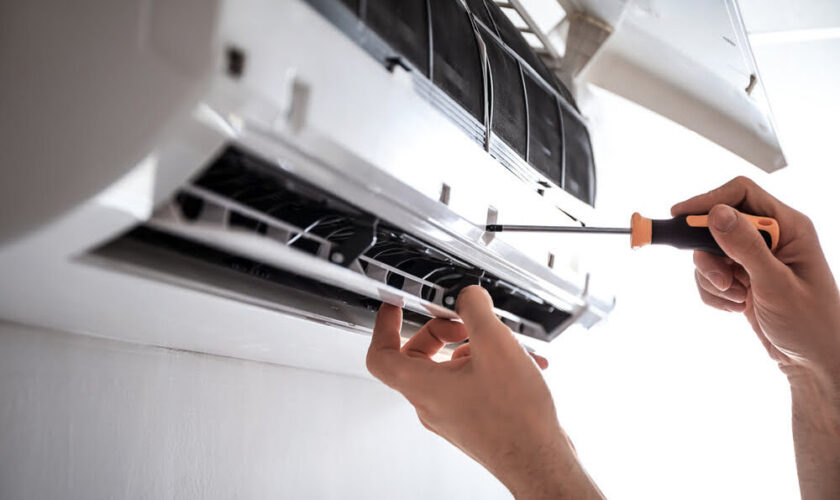
Various system components are examined in the Air conditioning tune-up specials in order to improve performance. Technicians clean coils, check electrical connections, lubricate moving parts, and verify proper operation. These services help maintain peak performance while preventing unnecessary energy waste.

Airflow and distribution optimization

Proper airflow throughout the home significantly impacts cooling efficiency. Ensuring clean ducts, appropriate venting, and unrestricted air returns helps maintain optimal system performance. Regular duct inspection and cleaning prevent efficiency losses due to restricted airflow.

Strategic cooling approaches

air conditioning

Implementing strategic cooling methods helps maximize efficiency:

  • Using ceiling fans to enhance air circulation
  • Closing blinds during peak sunlight hours
  • Sealing air leaks around windows and doors
  • Maintaining proper insulation levels
  • Using natural ventilation when possible

Temperature management strategies

Effective temperature management involves several key practices:

  • Gradually adjusting temperature settings
  • Maintaining consistent settings
  • Avoiding extreme temperature changes
  • Using night setback temperatures
  • Considering humidity levels

Zoning and room-specific cooling

Implementing zone control allows for targeted cooling of occupied areas. This approach prevents energy waste by avoiding unnecessary cooling of unused spaces. Proper zone design and control enhance both comfort and efficiency.

System size and capacity considerations

Having appropriately sized equipment ensures efficient operation. Systems that are too large or small for the space waste energy through improper cycling. Professional assessment helps determine the optimal system capacity for your specific needs.

Regular monitoring and adjustment

Keeping track of energy usage and system performance helps identify efficiency trends. Regular monitoring allows for timely adjustments to maintain optimal operation. This proactive approach prevents unnecessary cost increases.

Advanced efficiency features

Modern cooling systems offer various efficiency-enhancing features:

  • Variable speed operation
  • Multi-stage cooling
  • Smart recovery modes
  • Energy usage reporting
  • Performance optimization algorithms

Preventive maintenance benefits

Regular preventive maintenance provides multiple advantages:

  • Extended equipment life
  • Reduced energy consumption
  • Fewer unexpected repairs
  • Consistent performance
  • Better indoor air quality

Cost-effective operation practices

Implementing cost-effective practices helps manage expenses:

  • Regular filter changes
  • Proper thermostat settings
  • Timely repairs
  • Seasonal maintenance
  • Energy usage monitoring

The maintenance, smart operation, and regular professional service, managing cooling costs becomes more effective. System operation, implementing efficiency measures, and maintaining adequate maintenance schedules help achieve optimal performance while controlling expenses.

The combination of professional maintenance, proper system operation, and regular monitoring creates a comprehensive approach to cost management. This strategy ensures comfortable indoor environments while maintaining reasonable operating costs throughout the cooling season.

read more