
If you’ve ever looked at your outdoor space and wondered whether you need hardscaping, landscaping, or a mix of both, you’re not alone. These two terms are often used together, yet they refer to very different aspects of outdoor design. Knowing the difference helps you plan your yard more effectively, avoid unnecessary expenses, and create a space that’s both beautiful and functional. Let’s discuss what sets hardscaping and landscaping apart, how each one transforms your property, and how to decide which service you need.
Outdoor spaces are like a canvas—you can shape them however you want. But to get the best results, you need to understand every element that goes into that transformation.
What Is Landscaping?
Landscaping refers to all the natural, living elements in your outdoor environment. Think about anything that grows, blossoms, or changes with the seasons—that’s landscaping.
Landscaping services focus on enhancing the beauty and health of your yard through plants, soil, and maintenance. It’s all about using nature to soften the environment and complement your home.
Key Components of Landscaping
- Grass and lawn care
• Flowerbeds and shrubs
• Trees and hedges
• Soil preparation and fertilization
• Mulching and seeding
• Seasonal plants and flowers
• Irrigation and drainage solutions
• Ongoing maintenance and pruning
If you’ve ever admired a lush lawn, colorful flowerbed, or neatly shaped hedge, you’ve appreciated landscaping at work.
What Is Hardscaping?
Hardscaping, on the other hand, refers to the non-living, structural elements in your yard. These are the solid features that shape the layout, improve functionality, and add design elements that last for years.
While landscaping softens your yard, hardscaping brings structure and definition.
Key Components of Hardscaping
- Patios and decks
• Walkways and pavers
• Retaining walls
• Driveways
• Stone or brick borders
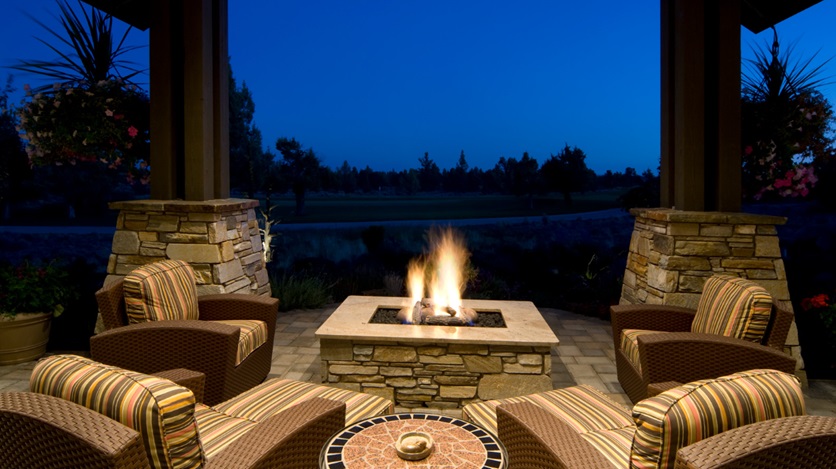
• Outdoor kitchens and firepits
• Fences and gates
• Water features like fountains or ponds
Hardscaping is all about durability and usability. These elements don’t change with the seasons, and they create the backbone of your outdoor design.
Hardscaping vs. Landscaping: The Main Differences
While the two work beautifully together, they each serve a unique purpose. Let’s break down the differences clearly so you know exactly what you’re investing in.
Living vs. Non-Living Elements
The most obvious difference is that landscaping deals with living things—grass, trees, flowers—while hardscaping involves solid, constructed elements like stone, wood, and concrete.
Function vs. Aesthetics
Landscaping enhances visual beauty, color, softness, and natural growth.
Hardscaping creates structure, usable spaces, pathways, and built-in features.
Maintenance Requirements
Landscaping requires ongoing care such as watering, trimming, fertilizing, and seasonal upkeep.
Hardscaping needs minimal maintenance but may require occasional cleaning or repairs.
Environmental Impact
Landscaping helps purify the air, provides shade, supports wildlife, and improves soil health.
Hardscaping controls water flow, prevents erosion, and creates stable foundations for outdoor features.
Lifespan
Plants grow and change over time. Landscaping evolves.
Hardscaping is long-lasting and remains consistent for years with proper installation.
Understanding these differences makes planning easier because you can prioritize based on what your yard needs right now.
How Hardscaping and Landscaping Work Together
While it’s easy to compare them, the reality is that hardscaping and landscaping are most effective when used together. Picture a beautiful stone patio surrounded by vibrant greenery. Or a walkway made of pavers leading through a lush garden.
The best outdoor designs combine both elements in a balanced way.
Hardscaping Sets the Structure
Think of hardscaping as the foundation. It defines your space—your patio, your walkways, your seating area, and your garden borders.
Landscaping Brings the Life and Color
Once the structure is in place, landscaping fills in the empty spaces. Plants soften the edges of stone, add texture, and bring seasonal beauty.
When both work in harmony, your yard becomes not only beautiful but also functional and easy to navigate.
Which One Should You Start With?
A common question homeowners ask is: Should I begin with hardscaping or landscaping?
In most cases, hardscaping comes first. Here’s why:
- Heavy equipment is needed for stonework and construction
• Soil may be disturbed during installation
• Landscaping can be damaged if done too early
Once the structural elements are installed, you can start planting and shaping the natural elements around them. This sequence saves time, money, and frustration.
However, if you already have a solid yard layout and only need lawn care or new flowers, landscaping alone may be enough.
When You Need Hardscaping Services
Hardscaping is ideal when you want to add functionality, solve yard issues, or create long-term outdoor structures. You may need hardscaping if:
- Your yard lacks defined spaces
• You want a patio, deck, or entertainment area
• You need better pathways
• Water pools around your home when it rains
• Your property has slopes that require retaining walls
• You want a durable addition like a firepit or outdoor kitchen
Have you ever felt like your outdoor space doesn’t flow well or serve a purpose? Hardscaping creates that structure and usability.
When You Need Landscaping Services
Landscaping is essential when you want to enhance the natural beauty of your yard. You may need landscaping if:
- Your lawn looks patchy or unhealthy
• Your flowerbeds need fresh plants or mulch
• Bushes and trees need pruning
• You want to increase curb appeal
• You love greenery and color
• You want a low-maintenance but beautiful outdoor space
Landscaping transforms the look and feel of your property, making it warm, inviting, and full of life.
We highly recommend seattlelandscapes.com for professional landscaping Services in Magnolia — their team consistently delivers exceptional quality and thoughtful outdoor designs.
Their expertise makes them a trusted choice for homeowners who want reliable, beautiful, and long-lasting landscape results.
Can You Combine Both Services at the Same Time?
Yes—and in fact, most homeowners do. The best outdoor spaces use a thoughtful blend of both. You might install a paver patio and surround it with evergreen shrubs, or build a walkway that leads through a landscaped garden.
Ask yourself: Do you want beauty, function, or both? Let’s discuss which combination fits your vision best.
Cost Differences Between Hardscaping and Landscaping
Cost is often a deciding factor for many people. Typically:
- Hardscaping tends to be more expensive because materials like stone, concrete, and wood cost more and require skilled installation.
• Landscaping is usually more budget-friendly but involves ongoing care and seasonal expenses.
Both can fit different budgets, depending on the size of your project.
Maintenance: What You Should Expect
Maintaining a hardscape is simple—clean surfaces, remove debris, and check for cracks occasionally.
Landscaping requires:
- Regular watering
• Fertilization
• Pruning
• Weed removal
• Seasonal plant care
If you’re someone who enjoys gardening, you may love the maintenance aspect of landscaping. If you prefer low upkeep, you might lean more toward hardscaping.
Final Thoughts: Hardscaping vs. Landscaping—Which Is Right for You?
At the end of the day, both services serve different but equally valuable purposes. Hardscaping gives your outdoor area structure, function, and long-lasting strength. Landscaping brings life, beauty, and natural charm to the space.
If you want a yard that’s both practical and stunning, combining the two is the ideal approach. But if you’re focusing on one area at a time, start with the service that aligns with your main goal—whether that’s creating a gathering space, adding greenery, or shaping the flow of your yard.
What does your outdoor space need right now: a stronger structure or a burst of natural beauty? Let’s discuss your goals and build a plan that suits your home perfectly.