close

Lerry Watsdon

Featured

The Impact of HOA Rental Restrictions on Property Values: What You Need to Know

HOA Rental

In recent years, Homeowners Association (HOA) rental restrictions have become a hot topic in the real estate market. These restrictions can greatly impact both property owners and tenants, making it essential for anyone involved in HOA communities to understand their implications. In this article, we will delve into the impact of HOA rental restrictions on property values and what you need to know as a property owner or potential renter.

Understanding HOA Rental Restrictions

Before delving into the impact of these regulations on property values, it is important to have a clear understanding of what HOA rental restrictions entail. Essentially, these restrictions are rules set by the HOA that limit or prohibit the ability of homeowners to rent out their properties. These restrictions can vary in severity and scope, from complete bans on rentals to limitations on the number of rental units within a community. This HOA rental restriction in Georgia are designed to maintain the overall aesthetic and quality of the community, as well as protect property values.

The Impact on Property Values

HOA rental restrictions can have a significant impact on property values. On the one hand, restrictions that limit or prohibit rentals can create a more stable and controlled community environment, which may attract potential buyers looking for a peaceful and well-maintained neighborhood. Additionally, limited rental units within a community can create scarcity in the rental market, potentially increasing demand and driving up rental prices.

Considerations for Property Owners

If you are a property owner in an HOA community, it is important to carefully consider the rental restrictions before making any decisions about renting out your property. It may be beneficial to consult with a real estate agent or attorney who specializes in HOA regulations to fully understand the implications of these restrictions on your specific situation.

Additionally, it is important to thoroughly review and understand the HOA’s governing documents before purchasing a property in an HOA community. These documents outline the rental restrictions and any other rules or regulations that may affect your property, so it is crucial to be aware of them before making a purchase.

Conclusion

HOA rental restrictions profoundly impact both property owners and tenants within an HOA community. It is important for all parties involved to fully understand these restrictions and their potential implications before making any decisions. By carefully considering these factors, homeowners and tenants can make informed choices that ultimately benefit the community as a whole.

read more
Home improvement

Discover how to keep your water pipes from freezing and how to defrost them in the case that they do?

Why It’s an Issue with Pipe Freezing?

One peculiar characteristic of water is that it expands when it freezes. Anything holding it in place, such as metal or plastic pipes, is under extreme strain from this expansion. Expanding water has the potential to shatter pipes, regardless of how sturdy the container is. Know more about https://www.newwestplumbing.ca/burnaby.html

The most often freezing pipes are:
water sprinkler lines, swimming pool supply lines, and outdoor hose bibs are examples of pipes that are subjected to extreme cold. Water supply pipes in interior unheated locations such as crawl spaces and basements, attics, garages, or kitchen cabinets. P      ipes that are in contact with external walls with minimal or no insulation.

How to Prevent Freezing of Pipes

According to the manufacturer’s or installer’s instructions, drain the water from the swimming pool and the sprinkler supply lines. Unless instructed, do not put antifreeze in these lines. In addition to being bad for the environment, antifreeze poses a risk to people, animals, pets, and landscaping.

Outdoor hoses should be taken out, drained, and stored. Shut off the interior valves that supply hose bibs outside. To let the water out, open the exterior hose bibs. To prevent the pipe from breaking and to allow any leftover water to expand, keep the outside valve open.
Insulate crawl spaces, basements, and attics. Higher temperatures will be maintained in these places via insulation.

Look for other locations within the house where water supply lines are situated in colder climates. Examine the garage and behind the cupboards in the kitchen and bathroom. Water pipes in these places, both hot and cold, need to be insulated.

It is advisable to put specialised items such as “pipe sleeve” or UL-listed “heat tape,” “heat cable,” or comparable materials on exposed water pipes. Newspaper may insulate and shield exposed pipes to some extent; in regions where temperatures below freezing are uncommon or short-lived, even ¼” of newspaper can offer substantial protection.

Ways to Avoid Freezing Pipes

If the garage has water supply lines, keep the garage doors closed.
Open the cabinet doors in the kitchen and bathroom to let warmer air near the plumbing flow. Make sure that any dangerous home chemicals and cleansers are kept up and out of children’s reach.

How to Rehydrate Cold Pipes

If the tap just drips when you turn it on, you may have a frozen pipe. Frozen pipes are most commonly located against external walls or where your home’s foundation allows water to enter your home.

Maintain the open tap. Water will start to flow through the frozen section of the pipe as you treat it and the frozen region melts. The ice in the pipe will melt more quickly if water is run through it.

To determine whether you have any more frozen pipes, examine every other tap in your house. It’s possible for other pipes to freeze if one freezes.

read more
Home improvement

How does a building inspection help you identify potential asbestos risks?

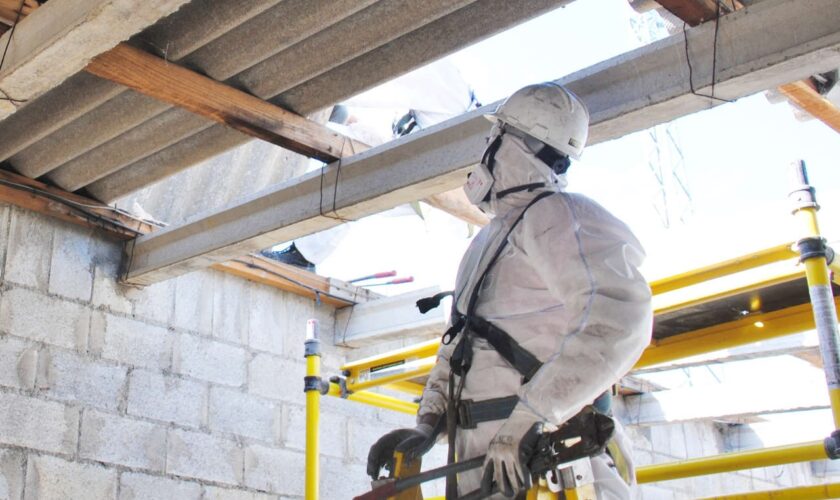
Ensuring the safety and health of building occupants is paramount, especially in identifying potential asbestos hazards. Asbestos, a naturally occurring mineral once prevalent in construction, is associated with severe health risks like lung cancer, mesothelioma, and asbestosis. While regulations have restricted its use in many countries, older buildings may still harbour this dangerous substance. This underscores the importance of building inspections.

What is asbestos, and why is it dangerous?

Asbestos is a group of six naturally occurring fibrous minerals known for their heat resistance, durability, and insulating properties. These characteristics made Asbestos famous for various construction materials, including insulation, roofing, flooring, and cement, particularly from the 1930s to the 1970s. The danger lies in the microscopic fibres that Asbestos releases into the air when disturbed or damaged. When inhaled, these fibres become trapped in the lungs and cause severe health problems. The latency period for asbestos-related diseases can span several decades, meaning that symptoms may only appear years after exposure. This is why identifying and addressing potential asbestos risks through building inspections is crucial.

Role of building inspections in identifying asbestos

Building inspections comprehensively assess a structure’s condition, safety, and compliance with local building codes and regulations. A qualified building inspector plays a vital role when identifying potential asbestos risks. Here’s how:

  1. Visual inspection

An experienced inspector will know where to look for materials likely to contain Asbestos, such as old insulation, floor tiles, roof shingles, and pipe insulation. They will also look for signs of damage or deterioration, which can indicate the potential for asbestos fibres to become airborne.

  1. Material sampling

If the inspector suspects a material contains Asbestos, they will collect a sample for laboratory analysis. This process involves carefully removing a small piece of the material without disturbing the surrounding area. The sample is then sent to a certified laboratory, which undergoes microscopic examination to determine the presence and type of asbestos fibres.

  1. Risk assessment

Once the laboratory results are available, the building inspector will assess the potential risk posed by any asbestos-containing materials. Factors such as the material’s condition, location, and likelihood of being disturbed will be considered. Based on this assessment, the inspector will provide recommendations for safely managing or removing the Asbestos.

  1. Documentation and reporting

The inspector will create a detailed report outlining any asbestos-containing materials found, their location, condition, and recommended actions. This report is valuable for property owners, managers, and occupants, enabling them to make informed decisions about asbestos management and remediation.

Importance of professional asbestos inspections

While a general building inspection helps identify potential asbestos risks, it’s essential to recognize the importance of professional asbestos inspections conducted by trained and certified experts. These specialists have the knowledge, skills, and equipment to thoroughly assess a building for Asbestos and develop appropriate management strategies. Professional asbestos inspectors follow stringent protocols and regulations to ensure the safety of the inspector and the building’s occupants. They use specialized equipment, such as high-efficiency particulate air (HEPA) vacuums and personal protective equipment (PPE), to minimize the risk of asbestos exposure during inspection. check out the post right here about the building inspections Sydney.

read more
Home improvement

The Significance of Routine Electrical Maintenance for Your Home

Ensuring the safety and functionality of your home’s electrical systems through proactive maintenance is vital for uninterrupted power and hazard prevention. Let’s delve into the significance of regular electrical upkeep and its various tasks. Also check out: Experienced Electricians in Mooresville, NC

Why Regular Electrical Maintenance Matters

Your home’s electrical systems play a crucial role in powering various appliances and devices, from kitchen appliances to security systems. Neglecting maintenance can lead to malfunctions, outages, and even safety hazards. Just as you schedule routine maintenance for your HVAC system, prioritizing electrical maintenance is equally vital to prevent unexpected problems.

Types of Electrical Maintenance

Corrective Maintenance: This involves addressing specific issues or malfunctions that require immediate repair. While unavoidable, it’s best to minimize reliance on corrective maintenance to prevent downtime and safety risks.

Preventive Maintenance: Taking a proactive approach, preventive maintenance aims to identify and address potential issues before they escalate. By ensuring critical components like circuit breakers are functioning correctly, preventive maintenance mitigates the risk of electrical fires and disruptions.

Predictive Maintenance: By assessing the performance of electrical systems, predictive maintenance anticipates potential failures based on observable signs. Utilizing tools like thermal imaging and performance measurements, technicians can detect issues before they cause significant problems.

Failure Finding Maintenance: This involves identifying undetected failures in systems that haven’t yet manifested noticeable issues. For example, testing ground fault circuit interrupters (GFCIs) ensures they function properly, reducing the risk of electrocution incidents.

Time-Based Maintenance: Regular replacement of electrical components on a scheduled basis, similar to changing oil in a car, helps prevent unexpected failures and extends the lifespan of critical equipment.

Components Requiring Regular Inspection

Lighting Systems: Annual assessment of lighting systems, especially those with dimmers or smart switches, ensures optimal performance and safety.

Backup Generators: Regular maintenance, including oil and filter changes, is crucial to ensure backup generators function reliably during power outages.

Solar Panels and Inverters: While solar panels have long lifespans, inverters and, monitoring systems require regular servicing to maintain efficiency.

Electrical Safety Maintenance: Verification of safety systems, such as circuit breakers and arc-fault detectors, ensures protection against electrical hazards and fire risks.

HVAC Systems: Regular electrical maintenance of HVAC components, such as solenoids and sensors, prevents disruptions and costly repairs during extreme weather conditions.

Benefits of Electrical Maintenance

Investing in regular electrical maintenance offers several benefits:

Enhanced Safety: Ensuring the functionality of safety systems reduces the risk of electrical hazards and protects your home and family from potential dangers.

Preventive Measures: Proactive maintenance prevents unexpected outages and costly repairs, saving you time and money in the long run.

Extended Lifespan: Regular maintenance prolongs the lifespan of electrical components, minimizing the necessity for early replacements.

Peace of Mind: Knowing that your home’s electrical systems are well-maintained provides peace of mind, allowing you to focus on other priorities without worrying about potential hazards.

In conclusion, prioritizing regular electrical maintenance is essential for every homeowner to ensure the safety, efficiency, and longevity of their home’s electrical systems. By addressing potential issues proactively and investing in preventive measures, you can avoid disruptions, safeguard your property, and enjoy an uninterrupted power supply for years to come.

read more
Home improvement

THE BENEFITS OF USING A HANDYMAN SERVICE

Most people would prefer not to handle maintenance and repairs for their homes. It can be labour-intensive, risky, and messy. For this reason, a lot of homeowners decide to use a handyman service alternatively. All of your home’s maintenance and repair needs can be handled quickly, safely, and hassle-free by a quality handyman service.

Also check: handyman brighton east

You can save both time and expenditure by hiring a handyman.

A wonderful option to handle household chores you don’t have enough time for or don’t know how to perform is to hire a handyman. A handyman can assist with any task, such as installing shelves, painting a room, or repairing a broken faucet. They are also capable of performing more specialized jobs like drywall repair and ceiling fan installation. In addition to having a wide range of experience, handymen typically charge less than employing a professional contractor. Thus, employing a handyman is your best choice if you require a task done yet have a tight budget.

A handyman can assist with numerous household tasks:

A handyman can assist with many different household duties. A handyman is a person who performs odd tasks for clients, usually including home repairs. A handyman’s daily tasks could include creating bookcases or desks, painting a room, fixing air conditioning units, fixing new windows and doors, and assisting with the installation of kitchen cabinets. Usually, they work on tasks that call for a higher level of expertise than the typical individual possesses but a lower level than what would be needed for skilled labourers like plumbers or carpenters. They occasionally perform small plumbing repairs. They might also assist with gardening and flower planting in the garden. One effective technique to finish little jobs without waiting for a professional is to hire a handyman.

Hiring a handyman can frequently be less expensive than employing a contractor:

Employing a handyman is often less expensive than using a contractor. A handyman may do several jobs around the house, such as painting a room or repairing a broken faucet. They are able and can typically finish the task fast and effectively. In addition, they frequently cost less than contractors because they work for themselves. A handyman can be hired at a fair price, and the work will be completed correctly.

There is a handyman accessible for both short- and long-term work:

Instead of taking the effort to figure out how to do it yourself or hiring a contractor who charges by the hour, hiring a handyman is a fantastic option to get small chores around the house done. A handyman can typically do tasks more quickly and effectively and is accessible for both short- and long-term projects.

A handyman can be found easily in your neighbourhood:

One can find a handyman online, by classified ads, or through word-of-mouth. A handyman is a person who performs various home maintenance tasks and minor building projects. They typically don’t offer any services like wiring or plumbing that call for specialized knowledge.

read more
Home improvement

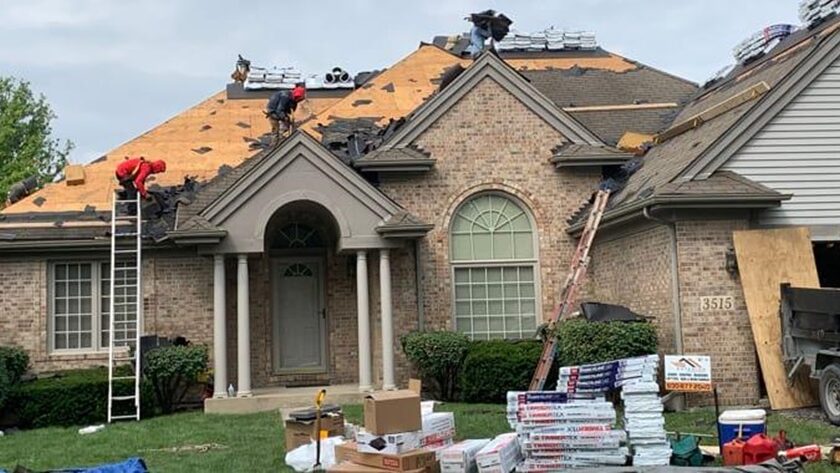
The Steps of Proper Roof Remodel

Remodeling a roof is a significant project that not only protects one of your most valuable assets but also has the potential to enhance your home’s appearance, efficiency, and value. Given the complexity and importance of roofing work, it’s essential to approach the process methodically. This guide will walk you through the steps of a proper roof remodel to ensure a smooth, successful outcome.

Understand Your Roof’s Needs

Before diving into any project, it’s crucial to assess your roof’s current state. Are you dealing with leaks, missing shingles, or ventilation issues? Or perhaps you’re aiming for an aesthetic upgrade with more durable, energy-efficient materials. Understanding your roof’s needs will determine the scope, budget, and timeline of your remodel.

Hire the Right Contractor

A crucial step in any roof remodel is choosing a reputable roofing contractor. Seek out professionals with strong references, proper licensing, and insurance. It’s also wise to get multiple quotes to compare prices, timelines, and materials. Don’t shy away from asking potential contractors about their experience with your chosen roofing material and for examples of their previous work.

Secure Permits and Understand Regulations

Roof remodeling often requires permits and must adhere to local building codes and regulations. Your contractor should be knowledgeable about what’s required in your area and take care of securing any necessary permits. However, it doesn’t hurt to familiarize yourself with the local requirements to ensure everything is proceeding lawfully.

Plan for Removal and Disposal

Before the new roof can be installed, the old materials need to be safely removed and disposed of. This can be a messy and labor-intensive process. Discuss with your contractor how they plan to handle debris. Proper disposal is not only important for the aesthetics of your property but also for environmental reasons. Ensure the plan includes thorough cleanup to remove nails and other hazardous materials from your property.

Choose the Right Roofing Material

The market offers a wide variety of roofing materials, each with its own set of advantages, limitations, and price points.

  • Asphalt Shingles: Popular for their cost-effectiveness and ease of installation.
  • Metal Roofing: Durable, fire-resistant, and energy-efficient, but at a higher cost.
  • Tile: Offers excellent durability and a unique aesthetic but can be heavy and expensive.
  • Slate: Among the most durable and longest-lasting materials, though expensive and requiring specialized installation.
  • Cooper: quality copper roofing stands out in the realm of roofing materials for its exceptional longevity, distinct appearance, and natural weathering qualities. Over time, copper transforms from its initial bright metallic sheen to a beautiful verdigris patina, offering a unique aesthetic appeal that complements a variety of architectural styles. Beyond its visual allure, copper is highly durable, resistant to hail, fire, and mildew, making it a low-maintenance option that can last over a century.

Consider factors like your climate, the architectural style of your home, and your budget when selecting materials.

Installation Phase

With preparations complete, the actual installation can begin. The process will vary significantly depending on the material and complexity of your roof design. However, quality installation practices include:

  • Underlayment Installation: A water-resistant barrier to protect the deck from water intrusion.
  • Proper Ventilation: Ensuring your roof has adequate ventilation to prevent moisture buildup and extend the life of the roof.
  • Precision in Installation: Using the right techniques for your roofing material can ensure the roof’s longevity.

Stay in communication with your contractor throughout the installation process to monitor progress and address any concerns that may arise.

Final Inspections and Warranties

Upon completing the installation, a final inspection by either your contractor or a building inspector (sometimes both) is necessary to ensure the remodel meets all codes and quality standards. Additionally, discuss warranties for both materials and labor. Understanding what is covered and for how long can save you headaches down the line.

Maintenance Plan

Even the best roofs require maintenance to maximize their lifespan. Develop a maintenance plan with your contractor’s recommendations. Routine tasks might include clearing gutters, removing debris, and annual inspections to catch potential issues early.

Financial Planning

A key part of roof remodeling involves understanding and planning for the cost. Roof remodels can be a significant investment, so explore all your financial options. This could include savings, home equity loans, or manufacturer financing plans. Some insurance policies may cover roof damage under certain conditions, offering another potential financial avenue to explore.

Sweat the Small Stuff

Details matter in roofing, from the color and style of materials to the placement of vents and gutters. These choices impact not only the aesthetic appeal of your home but also its functionality. For instance, color can affect heat absorption, while gutter placement influences water drainage.

Stay Engaged and Informed

Remain actively involved throughout the process. Ask for updates, raise concerns promptly, and ensure milestones are being met according to the project timeline. An informed homeowner is better equipped to make decisions that best align with their goals for the remodel.

Conclusion

Remodeling your roof is a monumental task with many moving parts. Beyond just protecting your home from the elements, it’s an opportunity to enhance your home’s energy efficiency, aesthetic appeal, and resale value. By understanding your needs, selecting the right materials and contractor, and staying engaged throughout the process, you can ensure a successful remodel. Remember, the roofing you choose today needs to protect, insulate, and endure for many years. Approaching the project with thoroughness and care will pay dividends in the long term. Through careful planning, execution, and maintenance, your roof remodel will protect your home and enhance its beauty for years to come.

read more
Home improvement

Building Your Dream: A Home Custom-Made for You

So you’re thinking about building your own custom home? I can’t blame you! As someone who has helped design and build many custom houses over my 15 years working in construction, I’m always excited when clients come to me wanting to create a custom oasis that fits their lifestyle perfectly.

A custom-designed home built just for you offers so many possibilities – from the home’s style and layout right down to picking signature paint colors and beyond. Building new lets you control every decision, which is why more buyers looking for places to call their forever home want to explore constructing one made just for them.

Collaborating to Make Your Ultimate Vision a Reality

The prospect of visualizing then building a home from the ground up is thrilling but can also feel overwhelming to newcomers. That’s where choosing the right custom home builder is key. You want someone who listens closely to your wish list then helps transform those desires into concrete plans. I liken it to a partnership where open communication and trust are essential.

My ideal first meeting with new clients planning a custom residence lasts at least an hour, if not more. We’ll discus everything from preferred architectural styles and must-have amenities to setting a realistic budget. Expect your builder to offer insider expertise about things like:

  • Optimal home orientations on the lot you choose
  • Customizing floorplans to maximize flow or cater to hobbies
  • Green building techniques that help the planet and slash utility bills
  • How long construction could take from breaking ground to getting keys

I provide clients with checklists before we meet to spur ideas. Be ready to share favorite home feature splurges as well as talk about long-term lifestyle and space needs. For instance, are you looking to:

  • Age in place with accessibility features or a main floor master suite?
  • Work from home needing a private home office?
  • Entertain often requiring generous living areas and outdoor kitchens?
  • Have multiple generations or grown children return needing a guest house?

The more details you can offer from the get-go, the better home plans can meet expectations from the blueprint phase forward.

Personalize the Details to Embrace Your One-of-a-Kind Style

Once core house plans evolve, it’s time for the fun parts – picking everything from finishes and fixtures to paint colors! Here clients’ creativity can run wild mixing and matching elements that appeal most. Every decision comes down to personal taste, like choosing:

  • Custom cabinetry finishes like lacquers paired with earthy granite counters
  • Hand-scraped hardwood flooring full of character for an antique look
  • Statement light fixtures acting as artistic focal points
  • Landscaping plans harmonizing with the neighborhood while still unique

I help guide clients by showing various product samples or bringing them to showrooms full of options for hands-on exploring. Excellent builders have relationships with talented contractors and vendors to execute the vision while adhering to budget parameters. For instance, we can value engineer without sacrificing quality, like opting for grouted tiles vs pricier natural stone backsplashes.

Watching Concepts Materialize from Foundation to Fixtures

Finally, we get to break ground turning renderings into realities! Visiting the home site weekly means you can literally see progress taking shape. As each stage finishes, you’ll check in on things like:

  • Foundation taking shape before framing goes vertical
  • Forms for poured concrete elements like driveway and porches
  • Roof completed with shingles and vents installed
  • Exterior finishings like siding, stonework, trims attached
  • Interior drywall, mudding, taping finished pre-painting
  • Cabinets going in along with countertops as finishing touches

It takes strong attention to detail and scheduling coordination to ensure various trades work efficiently together for timely completions free of defects. Reputable custom builders oversee quality checks and the punch list remain top priorities handling any last fixes.

Before you know it, temporary front door keys get swapped for shiny permanent ones cut just for you. Stepping into your custom sanctuary for the first time makes all the planning, paperwork, and decisions 100% worthwhile. That moment when you gaze around realizing dreams actualized according to your unique vision is priceless!

Now a decade later in my own custom cottage I still feel that rush of pride and thank my builder often for the expertise making it happen. Hopefully you’ll join the custom home club soon too designing an oasis ideal for you from the ground up!

Continue Generation….

Adding Personalized Touches is Endlessly Rewarding

Even after move-in day, the personalization possibilities keep going when you build custom. I meet clients 5-10 years later who’ve tackled transformation tasks like basement finishing or master suite additions.

Because they controlled initial home plans, modifying feels easier than in existing houses requiring workarounds. Keeping the same builder onboard ensures continuity too. Since we know how everything originally came together inside and out, changing components goes smoother.

Some of my favorite refresh projects breathing new life into custom owners’ houses include:

Backyard Oases: Whether aiming for total turf makeovers or adding built-in barbecue stations, fire pits, and water features, reimagined yards make homeowners eager to entertain again.

Bathing Retreats: From stand-alone soaker tubs to glossy tile upgrades, turning lackluster baths into spa-worthy owners’ suites never goes out of style.

Chef’s Kitchens: Appliance upgrades, island expansions, turning pantries into butler’s quarters, and clever storage solutions help worn kitchens function like new.

Member’s Gyms: Dedicated fitness zones perfect for at-home workouts complete with steam showers, custom mirrors/flooring, and the latest gear feel great.

I estimate over two-thirds of my clients upgrade, refresh, or add something unique to their fully-custom houses down the road. It might be small like open shelving displaying collectibles in a new light. Or it may be big like a four-season sunroom addition expanding views and living space.

Either way, custom home owners enjoy much more leeway getting creative enhancing their piece of paradise. And smart builders make that journey easier each step ensuring changes suit initial house plans. Checking in with your original builder before tackling tweaks can make all the difference!

Choosing the Lot Sets the Stage

We’ve covered what custom building looks like, but finding the right homesite unlocks potential. Lot limitations like shape or slope often determine floorplan layouts and overall design possibilities. Carefully evaluating land allows homeowners to maximize future property enjoyment.

For instance, pie-shaped plots best suit straightforward house shapes or smaller builds with pocket views. Meandering lots that slope work well when planning walkout basement opportunities to separate public vs private zones. Wide lots invite sprawling ranches perfect for multigenerational clans.

Whatever acreage allures you most, scrutinize elements impacting build plans like:

Topography: Consider grade changes and if retaining walls become necessary. Steeper lots also mean pricier excavating needs.

Soil Quality: Shockingly poor dirt hampers stable foundations. Requiring excessive drainage interventions grows costs too.

Sun Patterns: Watch where sunlight streams across the lot at different times of day. Optimize window plans leveraging natural light’s beauty and efficiency.

Requirements: Research any CC&Rs plus permits influencing allowable house size, height restrictions, setbacks dictating placement and more.

Utilities: Look into connections for water, electric, gas and sewer lines. Upcharges sometimes apply for long conduit runs or edema bed needs.

Views: Panoramic vistas boost property value! Fully exposing them through thoughtful orientation and window walls does too.

Evaluating all these technical elements plus overarching lifestyle wishes makes finding your perfect place to build truly possible. And ideally your builder will guide you assessing options to construct a fitting forever home there.

read more
Home improvement

Five Vital Things to Look for in Home Parking Tiles to Enhance Aesthetics and Functionality

As homeowners strive to create functional and visually appealing spaces, the choice of flooring becomes a crucial decision, especially in areas like home parking. Selecting the right tiles for your home parking area involves considerations beyond mere aesthetics.

Here are five vital things to look for when choosing home parking tiles (กระเบื้องโรงรถ, this is the term in Thai).

Durability and load-bearing capacity

The home parking area is subject to substantial vehicular traffic and, consequently, heavy loads. It is imperative to choose tiles that exhibit high durability and excellent load-bearing capacity. Opt for tiles with a robust composition, such as porcelain or vitrified tiles, which can withstand the weight of vehicles without cracking or deteriorating over time. Understanding the expected load and selecting tiles with the appropriate strength is essential for long-lasting performance.

Anti-skid properties

Safety is paramount, especially in spaces where vehicles are maneuvering. Look for home parking tiles with anti-skid properties to prevent accidents caused by slippery surfaces, particularly during adverse weather conditions. Tiles with a textured surface or a matte finish can provide the necessary grip, reducing the risk of slips and falls. Prioritizing anti-skid features ensures both the safety of pedestrians and the protection of vehicles from unexpected skidding incidents.

Stain resistance and easy maintenance

Home parking areas are susceptible to stains from oil, grease, and other automotive fluids. Choosing tiles with stain-resistant properties makes maintenance more manageable and keeps the parking space looking clean and well-maintained. Additionally, opt for tiles that are easy to clean, as regular maintenance will be necessary in a space prone to dirt and vehicular residues. Low-maintenance tiles contribute to the longevity and aesthetic appeal of the parking area.

Weather resistance

Outdoor spaces, including home parking areas, are exposed to various weather conditions such as rain, sunlight, and temperature fluctuations. To ensure the longevity of the tiles, it is crucial to select ones that are weather-resistant. Frost-resistant tiles, for instance, can withstand freeze-thaw cycles without cracking. UV-resistant tiles maintain their color and finish despite prolonged exposure to sunlight. Considering the local climate and choosing tiles that can withstand the prevailing weather conditions is essential for a lasting and visually appealing parking area.

Design and aesthetics

While functionality is paramount, the aesthetic appeal of home parking tiles should not be overlooked. The tiles chosen should complement the overall design theme of the home and enhance the visual appeal of the outdoor space. Opt for tiles that come in a variety of colors, patterns, and sizes, allowing for creative design possibilities. The right choice of tiles can transform the parking area into an extension of the home’s aesthetic, creating a harmonious and inviting environment.

Final thoughts

The selection of home parking tiles is a multifaceted decision that requires careful consideration of both functional and aesthetic aspects. Prioritizing durability, anti-skid properties, stain resistance, weather resistance, and design aesthetics ensures that the chosen tiles not only withstand the demands of vehicular traffic but also contribute to the overall beauty and functionality of the outdoor space. Taking the time to evaluate these vital factors guarantees a well-informed decision that enhances the longevity and visual appeal of the home parking area.

read more
Home improvement

What Are The Different Types Of Range Hoods?

There are five primary types of kitchen range hoods, each with its own unique design and functionality: wall mounted hoods, island hoods, range hood inserts, under cabinet hoods, and professional-grade hoods.

While all range hoods serve the essential purpose of removing smoke, grease, and other airborne contaminants generated during cooking and cleaning, the effectiveness of a range hood may vary.

This article explores various kitchen ventilation design styles and features of range hoods to assist you in determining the most suitable type for your kitchen needs.

Wall Mount Range Hoods

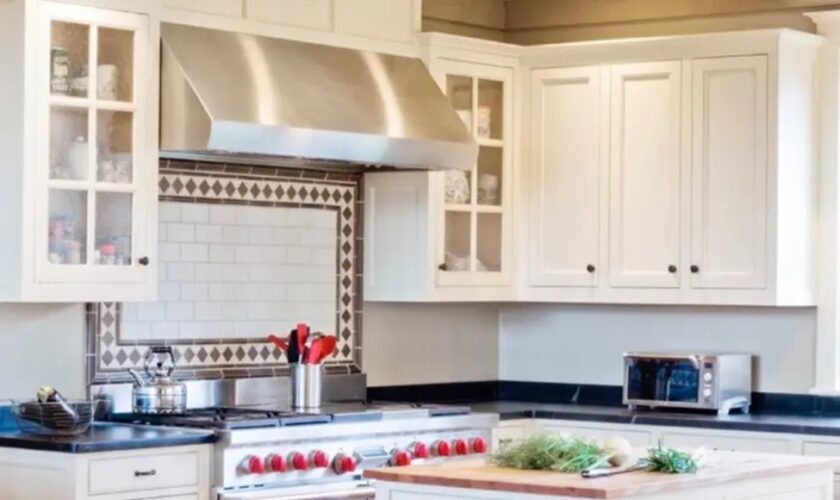
Wall-mounted range hoods are among the most prevalent types of stove hoods found in kitchens. These ventilation units are securely affixed to the kitchen wall. For optimal performance, it’s recommended to install your wall range hood approximately 28″-36” above the stove cooking surface, ensuring effective capture of cooking fumes and extending the lifespan of the hood.

Furthermore, wall-mounted range hoods come in various shapes. The pyramid chimney style or tapered hood is the most common type. Alternatively, some models feature a triangular design with flat sides.

When installed beneath cabinets, they are referred to as under cabinet range hoods and typically do not have anything mounted above them. Certain wall-mounted range hoods can also serve as under cabinet hoods, depending on the model. Be sure to consult with the range hood supplier to explore your options.

If you found these images of wall-mounted range hoods appealing, be sure to explore more customer kitchen examples showcasing them.

Island Range Hoods

Island range hoods serve as stunning focal points in kitchen spaces. Unlike wall-mounted range hoods, island hoods are not affixed to a wall. Due to their positioning and the increased air movement around kitchen islands, they require higher CFM (cubic feet per minute) ratings to effectively filter unwanted air from your kitchen.

Island range hoods are available in various shapes and styles. They are mounted to the ceiling, requiring ductwork to run through the ceiling as well. Some island hoods, like our 42″ Flush Island Pro, are designed to be flush with the ceiling.

It’s important to note that some homes may lack the necessary clearance or structural design to accommodate ductwork through the ceiling. Ensure that your home can accommodate the required ductwork from the hood to the exterior of your home.

In cases where ductwork installation is needed, a local contractor can typically perform the installation. However, this service may incur an additional cost, typically around $500.

Range Hood Inserts

Range hood inserts are specifically crafted to be integrated into custom hoods. Typically concealed within highly tailored cabinets positioned above the cooktop or stove, these inserts offer a seamless appearance.

They provide an excellent solution for those seeking complete control over the aesthetics of their ventilation fan or for individuals wishing to transform a pre-existing cabinet into a functional range hood.

Custom range hood inserts encompass a diverse array of designs, including copper, tile, marble, and intricately carved wood options. This type of hood allows homeowners to set the tone or theme of their kitchen, whether aiming for a rustic, traditional ambiance, a modern and minimalist aesthetic, or anything in between.

For those inclined towards DIY projects, numerous online resources, including tutorials on YouTube and Pinterest, offer guidance on constructing custom range hood covers. At Proline Range Hoods, we offer a stunning selection of highly customizable range hood inserts to cater to your unique cabinet requirements.

Under Cabinet Range Hoods

Under cabinet range hoods are an ideal choice for individuals with cabinets or storage space positioned above their cooktop. By opting for this type of hood, you can retain additional cabinet storage while enhancing your kitchen’s ventilation with a professional range hood, replacing the over-the-range (OTR) microwave.

Professional Grade Range Hoods

Proline stands out as one of the few companies offering a specialized range of hoods tailored for passionate cooks. Renowned for our commitment to excellence, our professional hoods represent the pinnacle of quality in the industry. Notably, celebrity chef Gordon Ramsay even entrusted one of our hoods to his head chef for personal use, a testament to our reputation for top-notch products. You can witness this endorsement on Houzz.

Our professional-grade range hoods are designed for discerning individuals who demand precision and efficiency in their kitchen appliances. Crafted to meet the highest standards, our professional series hoods deliver unrivaled performance. Equipped with a powerful fan and extensive control options, they excel in eliminating toxins and unpleasant odors from the kitchen environment.

Defined by a CFM (cubic feet per minute) rating of 900 or higher, our professional range hoods meet the stringent criteria for professional-grade ventilation.

Downdraft Range Hoods or Ventilation

Downdraft hoods are often considered less effective compared to other types of hoods for several reasons.

Firstly, cooking exhaust, such as smoke, naturally rises, making it more efficient to capture it where it naturally flows, upwards, rather than attempting to redirect it sideways or downwards.

Secondly, downdraft hoods typically have a maximum power output of around 1,000 CFM (cubic feet per minute), whereas island hoods can reach up to 2000 CFM. While not everyone requires such high power, having the capability allows island hoods to operate at lower, quieter settings most of the time, with the ability to quickly clear the room when necessary.

Thirdly, the capture area of a downdraft hood is significantly smaller compared to other hood types, resulting in an inability to effectively cover a cooktop and capture all steam, smoke, and chemicals generated during cooking, particularly noticeable for grilling or wok cooking enthusiasts.

If you have concerns about whether a downdraft hood can keep up with your cooking needs, it is likely that it may not suffice.

However, downdraft hoods can still serve as a sleek addition to your kitchen. Many models can be installed as pop-up vents, discreetly hiding from view when not in use. For this reason, some individuals opt for them, considering it better to have some ventilation than none at all.

Microwave Range Hoods

Similar considerations apply to kitchen ventilation integrated into microwave ovens. Microwave vent hoods are typically ductless, meaning they recirculate air back into the home rather than venting it outside.

As they do not vent externally, they are less effective compared to standalone range hoods. Nevertheless, they offer affordability and space-saving benefits in the kitchen.

For many of the same reasons that downdraft ventilation may not be optimal, microwave vent hoods present similar limitations.

Range Hood Venting Options

All range hoods can be categorized as either ducted, also known as vented, or ductless, also known as recirculating.

Ductless Range Hoods

A ductless range hood operates by cleaning the air around your cooktop area without venting it outside your home. Instead, it employs filters, typically charcoal, to purify the air. While effective to some extent, ductless hoods are generally not as efficient as ducted range hoods.

Ducted Range Hoods

Ducted range hoods work by directing air contaminants and grease outside the home through ductwork. This ductwork is typically installed either in the ceiling for island hoods or in the wall for other hood types. Professionals often recommend ducted range hoods for their superior effectiveness in maintaining clean air in the kitchen.

Additional Range Hood Features:

CFM

CFM, or cubic feet per minute, measures the airflow rate into or out of your cooking area. It’s a crucial metric for all kitchen ventilation systems. The appropriate CFM for your range hood depends on factors like your cooktop type (gas or electric).

LED Lights vs. Halogen Lights

Range hoods may come with either LED or halogen lights, both providing efficient illumination for cooking tasks. However, many prefer LED bulbs due to their longer lifespan, energy efficiency, and other benefits.

Auto Shut Off Timer

An auto shut off timer feature is convenient for those prone to forgetting to turn off their range hoods. Models with a built-in 15-minute auto-shutoff timer offer added peace of mind.

Baffle, Mesh, and Charcoal Filters

Baffle and mesh filters serve the same purpose of trapping grease and cooking debris, though they differ in material and ease of cleaning. Baffle filters, typically made of high-quality metals like stainless steel, are easier to clean compared to mesh filters. Charcoal filters, while not requiring cleaning, need replacement every three to six months.

Regular cleaning or replacement of filters is essential to ensure optimal hood efficiency.

These insights can aid in selecting the ideal range hood for your needs. Be sure to explore related articles for further guidance.

read more
Cleaning

The Benefits of Cleaning Air Ducts: What Happens If You Don’t?

Benefits of Cleaning Air Ducts

Your home’s air ducts are vital in maintaining a livable temperature and indoor air quality. However, many homeowners forget the necessity of regular air duct cleaning, often overlooking this essential task. Failing to clean your ducts can lead to many issues, impacting not only your home’s efficiency but also your health. Let’s explore the consequences of ignoring air duct maintenance and the benefits of obtaining professional air duct cleaning.

Health Issues

As dust, mold, and allergens accumulate in your ducts, they continually circulate through your home’s air. This dirty air can exacerbate respiratory problems, trigger allergies, cause headaches, and even lead to inflammations or infections. According to a recent study, dirty air ducts can significantly impact the overall health of individuals, especially those with pre-existing conditions. To ensure safety, it is essential to contact an experienced professional for air duct cleaning in Alpharetta who can clean the air ducts thoroughly and reduce your risk of health issues. Therefore, consider air duct cleaning to keep your home safe and healthy.

Reduced Energy Efficiency

Clogged air ducts can affect your HVAC system’s overall efficiency. Dust and debris buildup can cause your heating or cooling system to work harder, which leads to increased electrical consumption. Consequently, this results in higher energy bills and a shortened lifespan for your HVAC system.

Inadequate Heating and Cooling

Dirty air ducts can also cause an uneven distribution of air, resulting in some rooms being noticeably cooler or warmer than others. This can be frustrating and uncomfortable for homeowners, particularly during extreme weather conditions.

Pest Infestations

Critters such as rodents and insects love creating nests in dark, warm spaces. Unfortunately, your air ducts can serve as a perfect hiding spot for these pests. Sewage, organic waste, and other hazardous materials from these infestations can accumulate in your ducts, causing foul odors and even impacting your indoor air quality.

What Can You Do?

To prevent these unpleasant consequences, it’s crucial to have your air ducts cleaned periodically by professionals. An expert technician will not only remove dirt and debris from your ductwork but also inspect and repair any damage to your system. Regular duct cleaning can provide numerous advantages, including enhanced air quality, increased energy efficiency, and a more comfortable living environment.

To Wrap Up

From alleviating health issues to improving energy efficiency, air duct cleaning can provide several advantages. To ensure the safe and optimal performance of your HVAC system, it’s essential to obtain professional assistance for air duct maintenance. You may also check out this blog about how dirty air ducts can make you sick. Taking these measures will help protect your home and family, making it a healthier and safer place for everyone.

read more
1 2 3 4 5 6 10
Page 4 of 10