close

May 2025

Home

Designing a Home Cold Room: From Wine Cellar to Pantry

A home cold room is an increasingly popular feature in modern houses, offering an efficient, stylish, and convenient way to store perishables. Whether you’re a wine connoisseur looking to create the perfect cellar, a chef in need of a walk-in pantry, or simply someone who wants better food preservation, designing a cold room tailored to your needs can transform your home storage experience.

This article explores how to design a versatile home cold room—from a specialized wine cellar to a multipurpose pantry—and what key factors to consider.

Step 1: Define the Purpose and Type of Cold Room

The first step in designing a cold room is to identify its primary use. Will it be a wine cellar, a general food pantry, or a hybrid space?

  • Wine Cellar: Requires precise temperature control (typically 50–59°F or 10–15°C) and higher humidity (around 60–70%) to preserve wine quality and aging potential.
  • Pantry Cold Room: Needs slightly cooler temperatures (around 35–45°F or 1.5–7°C) with moderate humidity to keep fruits, vegetables, dairy, and meats fresh without freezing them.
  • Hybrid Cold Room: A versatile room can incorporate different zones or adjustable conditions to accommodate various items.

Once you’ve defined the purpose, it’s advisable to consult with a professional cold room manufacturer to ensure that the design complies with safety standards and energy efficiency requirements.

Step 2: Select the Location

Choose a location in your home that is naturally cooler and insulated from heat sources like direct sunlight, ovens, or heating ducts. Basements, garages, or unused closets are ideal. The space should have easy access from the kitchen or dining area for convenience.

Step 3: Insulation and Construction

Proper insulation is critical to maintaining stable temperature and humidity levels. Use high-quality cold room insulation panels on walls, ceiling, and floor—rigid foam or spray foam insulation works well. Walls may need to be vapor-sealed to prevent moisture infiltration.

Consider materials that help maintain a stable environment and resist mold, such as moisture-resistant drywall or specialized paneling. Floors should be non-porous and easy to clean, such as sealed concrete or tile.

Step 4: Cooling System and Controls

The cooling system is the heart of the cold room. For a wine cellar, a specialized wine cooling unit is recommended, designed to regulate humidity and prevent vibrations. For a pantry cold room, a commercial refrigeration unit or a high-quality residential cooling system with a thermostat is ideal.

Advanced cold rooms can include:

  • Digital controls: For precise temperature and humidity management.
  • Smart sensors: To monitor conditions remotely.
  • Ventilation: To maintain air circulation and prevent stale odors.

Step 5: Lighting and Shelving

Lighting should be soft, energy-efficient, and emit minimal heat to avoid affecting the room’s climate. LED lights are ideal.

Shelving design depends on your storage needs:

  • Wine Cellar: Use sturdy, slanted racks for bottle display and easy access.
  • Pantry Cold Room: Adjustable shelving with baskets, bins, and drawers to organize produce, dairy, and other goods.
  • Hybrid: Combine both types of storage for multifunctionality.

Materials such as stainless steel, wood treated for moisture resistance, or durable plastic work well.

Step 6: Additional Features

Consider integrating these extras for convenience and enhanced functionality:

  • Humidity control devices: To prevent drying or mold growth.
  • Dehumidifiers or humidifiers: Depending on the climate needs.
  • Sealing doors: Insulated doors with tight seals to minimize temperature fluctuations.
  • Alarm systems: Alerts for temperature deviations to protect your items.

Step 7: Maintenance and Energy Efficiency

Regular maintenance is essential. Clean shelves and floors frequently, check seals on doors, and ensure the cooling system is serviced periodically.

To improve energy efficiency:

  • Use LED lighting.
  • Insulate well.
  • Select energy-efficient cooling units.
  • Use a programmable thermostat.

Conclusion

Designing a home cold room offers exciting possibilities—from a dedicated wine cellar that ages your bottles perfectly to a spacious cold pantry that extends the life of your groceries. By carefully planning the purpose, location, insulation, cooling, and shelving, you can create a space that fits seamlessly into your home and lifestyle. Whether you’re a wine enthusiast or a home chef, a well-designed cold room adds value, convenience, and a touch of luxury to your household.


read more
Construction

The Importance of Insulation in Basement Finishing Projects

Basement Finishing Projects

Adding insulation to a basement is more than just a structural upgrade; it’s an essential step toward making the space comfortable, energy-efficient, and durable. A professional basement finishing company in Johns Creek ensures that insulation is integrated thoughtfully into the design, providing long-term benefits for homeowners. Proper insulation helps regulate temperatures, prevent moisture-related issues, and reduce energy costs, all while improving overall indoor air quality. These factors make insulation a critical aspect of any basement renovation, especially when handled by experienced professionals. With the right expertise, basement insulation can transform an often-overlooked area into a functional and welcoming part of your home.

Why Insulation is Essential for Basements

Basements are naturally prone to temperature fluctuations due to their location below ground. Without insulation, these spaces become vulnerable to cold drafts in winter and excessive heat in summer. Insulation acts as a barrier, maintaining a consistent temperature and improving energy efficiency. Additionally, it prevents issues like condensation by keeping humidity levels in check, which is crucial for avoiding problems like mold growth and structural damage.

Types of Insulation and Their Benefits

Spray foam insulation is popular for its ability to seal hard-to-reach areas, making it ideal for preventing air leaks. Rigid foam boards provide excellent thermal resistance and can be installed along foundation walls for robust insulation. Fiberglass batts, while lightweight and cost-effective, work well in areas with stable humidity levels. Each of these options plays a role in improving the overall performance and comfort of the finished basement.

Moisture Control and Insulation

Since basements are partially or entirely below ground, they are more susceptible to dampness. Insulation not only blocks temperature transfer but also serves as a protective barrier against moisture infiltration. High-quality materials combined with expert installation prevent problems like water damage and keep the area dry. This level of moisture control is especially essential when planning to use the basement as a functional living space, such as a home office or playroom. If you are wondering about the preparation involved in such projects, exploring how long it takes to finish a basement will give you a clearer picture of the expected timeline and process.

Improving Air Quality with Insulation

A well-insulated basement minimizes the infiltration of allergens, dust, and outdoor pollutants, creating a healthier living environment. Sealing cracks and gaps also reduces the entry of radon gas, which is often associated with basements. By working with skilled professionals, you ensure that insulation is installed comprehensively, addressing these potential hazards and enhancing your home’s overall air quality.

The Role of Professionals in Insulating Basements

Achieving the best results with insulation requires expertise and meticulous attention to detail. Understanding the key things to know about finishing a basement can help homeowners make informed decisions and achieve a functional, well-designed space. Professional contractors have the knowledge and tools to select the right materials, apply them correctly, and ensure compliance with building codes. They also address any pre-existing issues, such as cracks or leaks, that could compromise insulation effectiveness. Working with experienced professionals means the insulation will enhance your basement’s energy efficiency, safety, and overall functionality.

Conclusion

Insulation plays a pivotal role in basement finishing projects, offering benefits that go far beyond comfort. By regulating temperatures, controlling moisture, and improving air quality, it transforms basements into valuable extensions of the home. When guided by professional expertise, insulation becomes an investment that supports energy efficiency and long-term durability, ensuring the finished space remains functional and inviting for years to come.

read more
Home improvement

Trust Your Home with Skilled Hands That Know Decks Inside And Out 

Hiring the right deck builder makes a big difference in how your project turns out. A skilled builder creates a space that’s safe, strong, and made to last. They also focus on the little details that show real craftsmanship. Today, many deck companies offer services, but not all bring the same level of care. You want someone who takes pride in their work and puts your safety first. 

Here are five simple ways to find the right builder for your deck project.

Look for experience and special skills

Start by checking how long the builder has been in the business. Skilled builders often have years of hands-on work behind them. Ask if they’ve done decks similar to what you want—raised, multi-level, or custom-shaped. Good builders will have photos of past projects and will gladly talk you through their process. Their answers should feel honest, not rushed or vague.

Check licensing and insurance

Make sure the builder has the proper license to work in your area. This shows they meet local building codes and know safety rules. Also, ask for proof of insurance. This protects you in case of accidents or damage. A responsible builder will have this ready and will not hesitate to share it. Never skip this step—it’s one of the most important.

Read online reviews

Check online reviews to see how others feel about their work. Look for patterns. Do people mention quality work? Do they show up on time? Are they easy to work with? Reviews often reveal how well a company communicates and how they handle problems. A few bad reviews are okay—but too many might be a red flag.

Ask for references

Talk to past customers if you can. Ask what it was like working with the builder. Was the project finished on time? Was the crew respectful? Did they clean up after the job? First-hand stories give you a better idea of what to expect. Builders who do good work will have happy customers ready to share.

Look for craftsmanship

The best builders care about the little things. Clean lines. Smooth finishes. Strong joints. They want the deck to be both safe and beautiful. Ask what materials they use and how they choose them. A builder who focuses on quality will explain why certain materials work better and how they handle tough weather.

Final thoughts 

Hiring a skilled deck builder takes a little time, but it’s worth it. A safe, well-made deck adds joy and value to your home for years.

read more
Home

Construction Services That Turn Visionary Designs Into Lasting Family Living Spaces

construction companies

Every wonderful house starts with a vision—a concept motivated by dreams, wants, and the will to build a home where memories are created. Turning that vision into a real, livable space calls for knowledge, teamwork, and workmanship, whether the design is contemporary open-concept or classic family retreat. Many homeowners depend on reliable construction companies in new orleans to realize such concepts with both structural quality and a great respect for individual design. A successful build is about building spaces where families can grow, interact, and flourish for centuries, not only about walls and roofs.

Bringing Concepts to Life

Understanding the particular narrative behind any project helps one to start the journey from paper to reality. Good building service providers understand that every homeowner views their space differently; some need sunlight and fluidity, while others value function and quiet corners. Great builders construct carefully after listening intently and interpreting creatively. It’s more than just following plans; it’s about turning a way of life into shape. Every detail counts. Every stage of the process influences how a room feels and works, from material choice to layout choices. Construction crews that prioritize openness and communication enable homeowners to feel involved and confident, hence maintaining the seamless process from idea to completion. Families obtain a home that fits them in every manner when vision drives execution rather than just a house.

Balancing Style and Structure

Design aspirations should never sacrifice long-term stability. The most gratifying living environments are those that mix beauty with endurance, including robust foundations under fashionable finishes. Skilled builders know how to cooperate with architects and designers to guarantee that every component—whether aesthetic or structural—serves a purpose and promotes durability. Homeowners dealing with construction companies new orleans sometimes gain from teams who grasp both the artistic and technical sides of constructing. Experienced specialists provide places that withstand time and reflect personal taste, whether they are negotiating local rules, dealing with coastal weather concerns, or choosing regionally appropriate materials. From bespoke cabinetry to rooflines, their focus on both creativity and engineering guarantees that every element is carefully constructed.

Spaces Built for Generations

Family living spaces should alter with time, thereby supporting daily life and allowing for celebration, transformation, and calm interludes. A carefully designed house gives room for everything, whether it’s a growing family, visiting relatives, or years of milestones to come. A room that stays relevant year after year is created by flexible designs, future-ready finishes, and clever planning.

Selecting the appropriate building team is selecting a relationship based on trust, innovation, and excellence. The best builders create with a future vision rather than for the present. When done correctly, construction is about creating the environment where family tales unfold, season after season, not only about building houses.

read more
Construction

How Marine Constructions are Shaping Coastal Communities

Building projects like harbors, docks, and even methods of land protection from the sea close to the coast alter the nearby towns and villages.  These initiatives can provide fresh employment, simplify trade and travel, and even assist in storm damage prevention on the ground.  It’s fascinating to see how much marine building firms influence the positive development of these coastal regions.

Developing Approaches for Human Employment

Buildings near the sea benefit coastal communities mostly in terms of new employment creation.  Starting projects, marine construction requires a wide range of laborers. 

Among many others, this can include engineers planning the projects, divers working underwater, huge machinery operators, and many more. The marine construction companies play a key role in coordinating these efforts. These employments can assist residents and provide more wealth to the nearby areas.

Once the projects, like a new harbor, are completed, they can generate even more employment in sectors including shipping, tourism, and fishing.

Simplifying Trade and Travel Access

Improving ports and harbors helps ships to arrive and depart more readily.  Local companies can trade their products with other locations to increase community income using this process. 

For those who reside there, it can also enhance transportation, perhaps by establishing new bridges or ferry terminals over rivers.  These developments in trade and travel help the coastal communities to be more linked and create additional possibilities for the residents.

Assisting in Land and People Protection

Sometimes, constructing near the water is about shielding the land and the people who call it home from oceanic influence.  Seawalls and breakwaters can help slow down erosion and shield businesses and houses from major storms and increasing sea levels. 

Maintaining coastal towns safe and secure in the face of natural obstacles greatly depends on this type of building.  It helps to protect the ground and the way of life for the people living in these locations.

Improving the Area’s Attractive Quality for Visitors

Moreover, well-planned maritime development can increase the attractiveness of coastal cities to visitors.  Beautiful waterfront areas, boat marinas, and even underwater attractions can bring guests eager to savor the sea. 

Through tourism, which supports stores, hotels, and restaurants, this can bring additional money into the neighborhood economy.  People from all over can start to frequent a well-developed and easily accessible shore when it offers such attractions.

Modifying Community Perception and Feelings

New constructions along the water could alter the entire appearance and feel of a coastal town.  While a protected beach area may become a family favorite, a new harbor can grow to be the center of the community. 

For the residents of the area, these developments can inspire fresh pride and identification.  It’s about molding the surroundings to serve the community, thereby improving the quality of living, employment, and visiting destinations.

One strong force that truly shapes the towns and villages along our coastlines is marine building.  The marine construction companies play a vital role in this process, bringing expertise and innovation to waterfront development.

Building by the sea is very important for their development and well-being since it generates jobs, enhances transit and trade, protects the land, draws visitors, and alters the look and feel of these places.  The people who live and operate in these special coastal areas benefit from a better future as maritime building companies keep innovating and developing.

read more
Home improvement

Why Responsible Skip Bin Disposal Matters for Central Coast Environment

Proper waste disposal safeguards the Central Coast’s land air and waterways. When waste is disposed of improperly harmful substances can spread. These pollutants can enter our soil rivers and ocean. Wildlife may eat or become trapped in the garbage. Plants can struggle to grow in contaminated soil. People living nearby may also suffer health problems. Waste that ends up in the wrong place can attract pests and bad smells. Recycling and correct disposal reduce these problems. It also saves space in landfills and conserves natural resources. Skip bins are a convenient way to sort and remove waste but their contents need to be processed properly. Proper bin disposal reduces pollution and increases the number of materials that can be reused. The Central Coast depends on clean land and water so everyone can contribute to a safer and cleaner environment.

What Happens to Your Waste After Collection? 

Once a skip bins central coast is collected it goes to a sorting facility. There waste is unloaded and checked by staff. Large and hazardous materials are removed first. The rest is then separated by type. Machines and workers sort the materials. Recyclable items like metal cardboard and plastic are set aside. These are sent to recycling centres for processing. Organic waste may be used for composting. Concrete and bricks are often crushed and reused in construction. Only leftover non-recyclable items go to landfill. Sorting reduces how much waste ends up in landfills. It also maximizes the recycling of valuable materials. The aim is always more recycling and less waste. The process might be subtle but it makes a big difference to the environment. Once collected what you dispose of still makes a difference to the environment. Some plants use magnets to sort metal while others use air blowers or manual picking.

Understanding Weight Limits and Overfilling Risks in Skip Bin Hire

Each skip bin has a weight limit that is determined by its size and purpose; bins that are too heavy can break trucks or fall during transportation causing damage to roads and accidents; they can also injure workers who are collecting or sorting waste; heavy bins are more difficult to move and use more fuel; some waste types weigh more than they appear soil bricks and concrete are common examples and adding too much of these can quickly exceed the weight limit; skip bin companies often have strict weight guidelines and exceeding them may result in additional fees. Overfilling makes the bin unstable and unsafe to move and it may violate council or road safety regulations. Responsible loading makes roads safer and work sites cleaner. Knowing weight and volume makes recycling easier because skip bins central coast is easier to sort. If in doubt ask about limits before filling. Adhering to the regulations protects people and the environment. Making proper use of bins keeps waste flowing through the system.

Understanding Waste Disposal Laws When Using Skip Bins in Central Coast

The Central Coast has stringent regulations governing the disposal of waste. These regulations are in place to safeguard the environment and public health. Large fines and penalties are associated with illegal dumping. Skip bins central coast can only be used for waste types that have been approved. Special handling is necessary for materials that are restricted or dangerous. Batteries electronics chemicals and asbestos are a few examples. You can’t put them in regular skip bins. For industrial waste businesses are subject to additional regulations. Each local council may have different rules and permit needs. If a skip bin is placed on public property council approval may be required. Leaving a bin in the wrong place may lead to fines.

read more
Home

Midnight Architects — Uncovering the Hidden Habits of Cockroaches

Cockroaches have been around for millions of years and have been bugging people ever since. There are also those who have a fear of cockroaches. The phobia or fear of cockroaches is called “katsaridaphobia”. 

There are some interesting things about cockroaches, such as that even if you cut their head off, they can still remain alive for a week. In Frisco, you can come across cockroaches quite often, and they are not uncommon there. 

They are pretty good at survival, they can even go without food for months and can tolerate radiation that is capable of killing a human in mere ten minutes. Once these pests make it to your place, getting rid of them will not be easy. 

These pests are relatively small in size and hence can squeeze through small openings really easily. Furthermore, spotting them is not going to be easy either because they prefer living in spaces that are not in direct notice of humans. They are also a health concern among humans, which is why getting rid of them becomes essential. Contacting saelapest.com can help you eliminate them from your property.

What does the lifecycle of a cockroach look like?

Cockroaches have distinct features and can differ from one another in different aspects. There are various types, and each type has its characteristic features. It is essential that you are aware of which type of cockroach you are dealing with, and that will only be possible when you know about their behavioral patterns. 

As far as the developmental stages are concerned, there are three stages: the egg, the nymph, and finally the adult cockroach. Let us look at the three stages in a bit more detail:

Egg

The female cockroach is responsible for producing eggs, which are covered by a covering called “ootheca”. Female cockroaches usually keep their eggs in small spaces, such as behind the cabinet or in other empty spaces. 

The number of eggs can differ depending on the type of species it is. Each capsule can have around ten to sixty eggs. The number of capsules will also vary, but on average, it can be around thirty. 

Becoming a nymph

These are the young cockroaches and look similar to the older version of cockroaches. However, certain things that adult cockroaches have can be absent in nymphs. 

For instance, adult cockroaches have wings; the younger ones do not. Furthermore, the younger ones are not sexually mature either.

Molting

When nymphs grow, the exoskeleton comes off. The duration of this phase will be different for different species of cockroaches. There are also cockroaches that can go through thirteen molts in just eighteen months.

Adult cockroach

Once the molt phase is over, the younger one finally becomes an adult cockroach. They are sexually mature, capable of reproducing, and have wings as well. Cockroaches can live upto a year. 

What are the main types of cockroaches?

There are various types; they have varying features. In order to have a better idea about which type of cockroach you are dealing with, it is essential that you know about the different features they possess. 

  • Brown banded cockroach 

Brown banded cockroaches have two unique brown bands on their wings. If you see one of these, know that others must be around. 

  • German cockroach

German cockroaches are light brown in color, and they also have dark stripes on their body. They are the ones that you will most likely come across. 

  • American cockroach

Another type is American cockroaches, which are considered to be the largest among the other species of cockroaches. They can make any place their own home. 

Eliminate cockroaches from your home!

It is essential you get rid of them as soon as you detect their presence around your place. Leaving the infestation untreated will only increase the potential health risks. Thus, reach out to a professional pest control company on time and get those pests out of your home. 

read more
Roofing

Why You Should Hire Certified Commercial Roofing Contractors?

At their core, certifications are just the thumbs-up from manufacturers, industry groups, or the folks in charge of regulations. Earning one requires rigorous training and exams. GAF, a major roofing company, demands specialized training and ongoing education from its contractors. 

For a licensed roofing contractor, meet the team of Alpine Exterior Contractors. Choosing their siding or roofing installation means choosing peace of mind and a stress-free experience. 

Why Do Certifications Matter?

You Get What You Pay for: Quality


A certified contractor doesn’t just know roofing materials; they’ve mastered them. Picture this: a warehouse owner needs a new roof. It’s lightweight, energy-efficient, but tricky to install. A contractor with GAF certification knows the ins and outs of heat-welding seams, using the right adhesives, and setting up proper drainage. They’re less likely to mess up and cause water damage or need early replacement.

Follow the Rules: Making Sure Your Roof Meets All Standards

Commercial roofing isn’t just about staying dry; it has to follow a lot of rules, like local building codes, fire safety ratings, wind resistance standards, and energy efficiency requirements. Certified contractors are experts at these regulations. Living in an area where hurricanes are more common is not easy. Roofs must meet special wind resistance standards. A GAF-certified roofer is well aware of all the crucial things related to roof repairs and installation. They know how to install a roof and withstand strong winds. 

Safety First

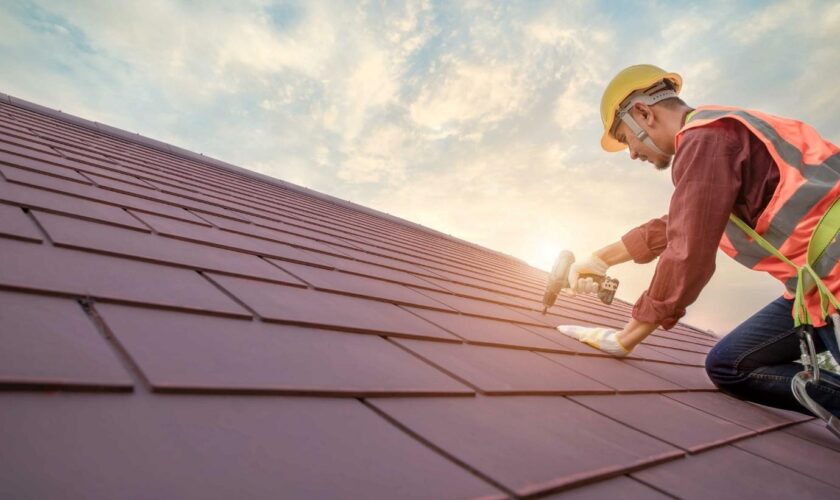
Hiring someone from an unknown company for a roofing job means you are taking a very big risk. Due to this, your investment in roof replacement or repairs may go to waste. Inexperienced workers may cause damage to your property or might end up getting injured, which can mess up everything. Certified contractors, on the other hand, prioritize safety. They make sure their teams use the right fall protection, scaffolding, and equipment. 

C:\Users\Admin\Pictures\Why You Should Hire Certified Commercial Roofing Contractors 02.jpeg

The Risks of Accepting Cheap Offers from an Uncertified Contractor

Understand that uncertified contractors often cut corners and offer discounts to attract clients. 

Believing such offers, you may end up with

  • Cheap Materials 
  • Poor Workmanship
  • Voided Warranties
  • Code Violations

A Cautionary Tale: A retail chain hired an uncertified contractor to install a modified bitumen roof. Within a year, seams started splitting due to improper torching. The repairs cost twice the original installation fee, and the manufacturer didn’t cover it.

How to Check a Contractor’s Credentials?

Here’s how to verify their qualifications:

  • Ask for Proof: Request copies of their certifications from manufacturers or organizations like the NRCA.
  • Do Your Own Research: Check manufacturer websites; many list their certified contractors online.
  • Check license: They must be licensed in your state and have workers’ compensation and liability insurance.

Certifications: Your Safety Net

Certifications are more than just symbols of achievement. They show a contractor’s competence. Commercial certifications show that your contractor has the skills, knowledge, and reliability to deliver a top-performing roof. Beware of the fake certificates. 

Most uncertified contractors might offer lower upfront costs. But the risk would be high. By making certifications a priority, you protect your property, your budget, and your peace of mind.

read more