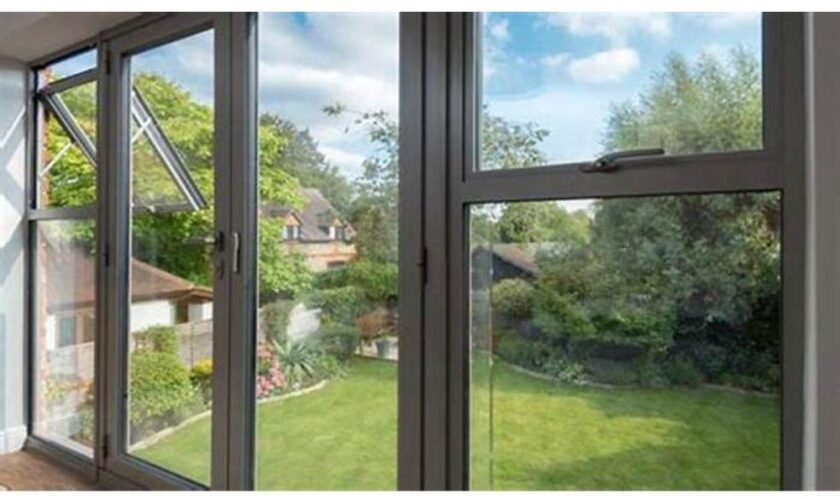
Windows do more than just allow us to see the world outside—they also play a key role in improving indoor air quality and maintaining a comfortable living space. Natural ventilation is essential for removing stale air and introducing fresh air into your home, and choosing the right type of window is critical for maximizing airflow. In this blog, we’ll explore how louver, casement, and sliding windows help with ventilation, with a special focus on casement windows and their incredible advantages.
The Importance of Maximizing Airflow
Proper airflow is vital for:
Improved Indoor Air Quality: It helps remove pollutants, odors, and humidity from your space.
Energy Savings: Reducing reliance on fans and air conditioners saves energy and lowers your utility bills.
Comfort: Natural ventilation keeps your home cool and prevents it from feeling stuffy.
Choosing windows that allow for maximum airflow can help achieve all of these benefits—plus improve the overall ambiance of your home.
Casement Windows for Maximum Airflow
What Are Casement Windows?
Aluminum casement windows are hinged at the sides and swing outward or inward like doors. Unlike fixed windows, casement windows can fully open, giving you control over how much air flows into your home. Their simple design and functionality make them a timeless favorite for homeowners looking to improve ventilation.
Why Casement Windows Are Ideal for Airflow
-
Wide Opening for Maximum Ventilation:
Casement windows offer unobstructed openings, as the entire sash swings outward. This allows for more air to move through compared to other window types, such as sliding or double-hung windows, which only partially open. Whether you want a gentle breeze or a strong cross-ventilation, casement windows deliver.
-
Improved Directional Airflow:
With casement windows, air can be directed into your space depending on the direction the window opens. For example, when opened outward, the sash can catch breezes and funnel them inside, even if the wind is blowing at an angle. This feature makes casement windows particularly effective in areas with inconsistent wind patterns.
-
Tight Sealing When Closed:
Not only do casement windows excel at airflow when open, but they also seal tightly when closed, preventing drafts and air leakage. This keeps your home energy-efficient and ensures optimal ventilation when needed—on your terms.
Best Applications for Casement Windows
Kitchens: Ideal for removing cooking odors and excess humidity quickly.
Living Rooms: Maximize airflow in spaces where you spend the most time.
Bathrooms: Prevent moisture buildup and ensure fresh air circulates.
Small Rooms: Casement windows are space-efficient and can provide excellent ventilation in compact areas.
Comparing Other Window Types: Louver and Sliding Windows
Louver Windows
Louver windows feature horizontal glass or metal slats that tilt open to allow airflow. These windows are great for providing consistent ventilation, even during rain, as the angled slats prevent water from entering. However, the airflow is somewhat restricted because the slats don’t open fully. Unlike casement windows, louver windows are better for areas that need gentle airflow rather than significant ventilation.
Sliding Windows
Aluminum sliding window operate by gliding horizontally along a track. They are space-saving and easy to operate, but only half of the window area opens at any given time, limiting airflow compared to casement windows. Sliding windows are ideal for smaller rooms or spaces where you want moderate ventilation but don’t need a strong breeze.
Why Casement Windows are the Best Choice for Maximizing Airflow
When it comes to ventilation efficiency, casement windows stand out for their versatility and ability to provide strong, controlled airflow. Their wide-opening design ensures maximum airflow, while their ability to direct breezes into your home adds an extra layer of functionality. Compared to louver and sliding windows, casement windows offer a better combination of ventilation and energy efficiency—making them perfect for almost any room in your home.
Tips for Choosing Casement Windows
To make the most out of casement windows, keep the following points in mind:
Placement: Install casement windows in areas with strong breezes to improve natural ventilation.
Size: Bigger windows allow greater airflow, but ensure the size complements the room’s layout.
Material: Opt for durable and airtight frames like uPVC, wood, or aluminum to enhance energy efficiency.
Screens: Add insect screens to keep bugs out without compromising airflow.
Whether you’re building a new home, renovating, or simply improving ventilation, choosing the right windows is crucial. Casement windows are an excellent choice for maximizing airflow due to their wide opening, directional airflow capabilities, and effective sealing. By strategically placing casement windows in your home, you can enjoy fresh air circulation, better indoor comfort, and long-term energy savings