close

interior design

Home improvement

8 Creative Ways To Use Ceiling Lights For Modern Interiors

Lighting plays an essential role in shaping how a space feels and functions. Homeowners today are moving beyond basic fixtures to explore layered illumination that enhances mood and visual appeal. Choosing the right ceiling lights can completely redefine a room’s atmosphere, whether warm and inviting or sleek and contemporary. Incorporating ceiling downlights adds depth and direction, highlighting key areas such as artwork, furniture or architectural features. This guide explores creative ways to use these lighting options to bring modern interiors to life.

1. Defining Spaces With Layered Lighting

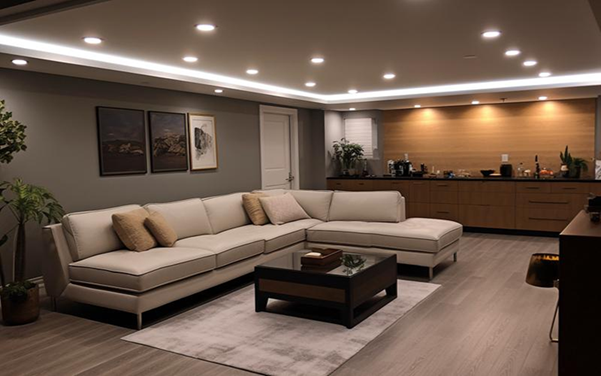
Open-concept homes benefit from layered illumination that visually separates zones without physical barriers. Combining pendant ceiling lights with recessed ceiling downlights achieves this effect beautifully. The general lights provide even coverage, while the downlights draw attention to specific areas such as dining tables or reading corners. Layering adds depth to the room and prevents the space from feeling flat or overly bright.

2. Creating Ambience Through Adjustable Brightness

Mood lighting is a practical feature for daily comfort. Installing dimmable ceiling lights allows homeowners to adjust intensity according to the time of day or activity. Pairing these with ceiling downlights helps balance brightness by creating contrast and focus. Softer lighting promotes relaxation in the evening, while brighter settings support productivity during the day. Adjustable illumination offers flexibility for every occasion.

3. Enhancing Aesthetic Appeal With Statement Fixtures

Lighting can serve as both a function and an art. Sculptural ceiling lights act as focal points, drawing the eye upward and adding personality to the room. They reflect individual style while setting the tone for the overall design. In contrast, ceiling downlights provide subtle illumination that complements rather than competes with standout pieces. Together, they create a cohesive balance of elegance and practicality.

4. Highlighting Architectural Features

Recessed lighting is ideal for accentuating textures and details such as alcoves, feature walls or ceiling mouldings. Ceiling downlights, when positioned carefully, bring out shadows and highlights that enhance depth and dimension. A mix of these with minimalist ceiling lights ensures even distribution of brightness without overpowering the room. Strategic placement helps architecture become part of the visual storytelling rather than a background element.

5. Improving Functionality In Task Areas

Task lighting focuses on precision and clarity, making it essential for areas like kitchens, offices or dressing rooms. Bright, directional ceiling downlights illuminate countertops, work surfaces or mirrors clearly. Complementing them with ceiling lights ensures there is no harsh glare. The result is a workspace that feels both efficient and comfortable, improving safety and ease of use for everyday activities.

6. Using Colour Temperature To Set The Mood

The warmth or coolness of light affects how a room feels. Warm white lighting creates a cosy and inviting atmosphere, while cool white enhances a modern and energising aesthetic. Mixing both through ceiling lights and downlights creates layers that feel balanced. For example, a living room can use warmer tones for relaxation while downlights in cooler tones accentuate artwork or display shelves.

7. Elevating Small Spaces Through Smart Illumination

In smaller homes or apartments, well-planned lighting helps open up the space visually. Flush-mounted ceiling lights keep ceilings looking higher, while ceiling downlights eliminate dark corners that make rooms appear smaller. Bright, even illumination reflects off walls, giving an impression of greater depth and airiness. The right combination transforms compact layouts into bright, welcoming environments.

8. Enhancing Sustainability With LED Technology

Modern LED lighting offers energy efficiency without compromising quality. Ceiling lights and downlights using LED bulbs last longer and consume less power. Some designs feature smart controls that adjust brightness automatically based on natural light levels. Using energy-efficient lighting supports sustainability while reducing electricity bills, a practical choice for eco-conscious households.

Conclusion

Good lighting combines functionality, comfort and design to create homes that feel complete. Ceiling lights provide broad illumination, while ceiling downlights add structure, focus and ambience. When used together thoughtfully, they can reshape how spaces look and feel. Smart design choices make lighting both an aesthetic and practical investment that enhances everyday living.

Contact Sense N Bedeck to explore a curated collection of ceiling lights and ceiling downlights that bring style, warmth and functionality to modern interiors.
read more
Home

The Gold and Black Trend in Luxe Interior Design

Gold and black—two colours that, when paired, never fail to make a statement. There’s something magnetic about their contrast: the richness of gold shimmering against the depth of black. It feels indulgent, powerful, and timeless. But lately, this combination has been reimagined through the lens of modern luxe interior design, especially among HDB homeowners in Singapore who crave that hotel-like sophistication without overdoing it.

When Minimalism Meets Opulence

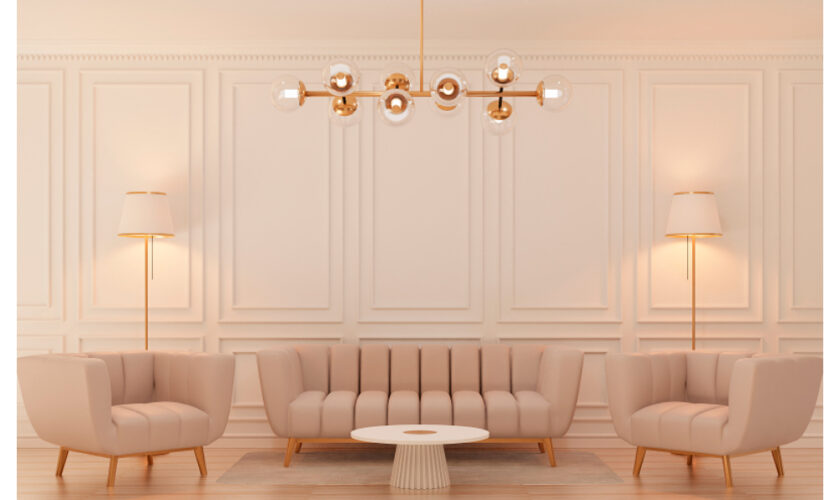
You might think gold and black are too bold for an HDB flat, but the trick lies in balance. Modern luxe interior design isn’t about overloading your space with gold accents or glossy finishes. It’s about layering subtle elements—perhaps a matte black feature wall paired with brushed gold handles or a statement pendant lamp that catches the light just right.

A skilled HDB interior designer in Singapore will often play with textures and lighting rather than colour saturation. Think black marble countertops with faint white veining, soft gold trims around cabinetry, or even golden tap fittings that add a touch of glam to a minimalist bathroom. These small details build up a sense of quiet luxury that feels both personal and polished.

The Psychology Behind the Palette

Colour theory plays a big part here. Black grounds a space—it creates visual weight and depth. Gold, on the other hand, introduces warmth and a sense of prosperity. In Singapore, where homes are compact and lighting can vary throughout the day, this combination can completely change the mood of a room.

Imagine walking into your living room after work, greeted by warm gold highlights reflecting off a matte black feature wall. It’s not loud, but it instantly feels elevated—like stepping into a boutique hotel suite. And isn’t that what most homeowners want? A touch of grandeur within a cosy, familiar setting.

Small Spaces, Big Personality

Here’s where things get interesting. Many assume you need sprawling layouts to pull off this aesthetic, but that’s not true. Even a 4-room HDB can exude modern luxe with clever design choices. A good HDB interior designer in Singapore will often recommend zoning—using black elements to frame spaces, such as kitchen counters or shelving, while gold accents highlight transitions.

Mirrors with gold frames can amplify light, while black cabinetry keeps everything grounded. Add a statement artwork or sculpture, and suddenly your small flat feels like an art gallery. It’s all about creating rhythm and contrast, letting one tone support the other without competition.

Balancing Boldness with Comfort

Of course, there’s always the risk of going too far. Too much black can make a room feel heavy, while too much gold might seem gaudy. The secret lies in moderation and texture. Incorporate soft furnishings—velvet cushions, boucle armchairs, or linen curtains—to soften the visual impact.

Modern luxe interior design thrives on this interplay between comfort and boldness. It’s why Singaporean homeowners are moving away from sterile white spaces and towards something that feels more expressive. After all, our homes should reflect our personalities, not just trends.

Bringing It All Together

Gold and black aren’t just colours; they’re a mood. A statement. A lifestyle choice for those who want elegance without excess. Whether you’re redoing your living room, planning a full renovation, or just experimenting with accents, this trend proves you don’t need a mansion to live luxuriously.

If you’re unsure where to start, a professional HDB interior designer in Singapore can help you balance glamour with function. They’ll know how to make your space shine—literally and figuratively—while keeping it practical for everyday living.

Conclusion

The gold and black trend isn’t just about aesthetics; it’s about crafting an experience. It’s about creating a home that feels like your own little slice of luxury in the city. With thoughtful planning and the right design guidance, even a modest space can feel extraordinary.

Ready to transform your home into a modern luxe sanctuary? Contact MYD Pleasant Home Design today and start turning your vision into reality.

read more
Home

The Beginner’s Guide to Choosing a Sofa in Singapore

Starting the hunt for a new sofa feels exciting until you realise how many styles, fabrics, and configurations exist. Between comfort, space, and budget, it can quickly become a puzzle. That’s why knowing what to prioritise before stepping into a store can save you both money and frustration. When purchasing a sofa in Singapore, it is helpful to understand how local spaces and humidity can affect your furniture choices. Here’s how to narrow things down with a plan that actually works.

Start with the Shape That Fits Your Space

The first step is visual, not financial. Stand in your living room and picture where your sofa should be. Singapore homes, especially HDB flats and condos, tend to have compact layouts, so the wrong shape can make a space feel cramped.

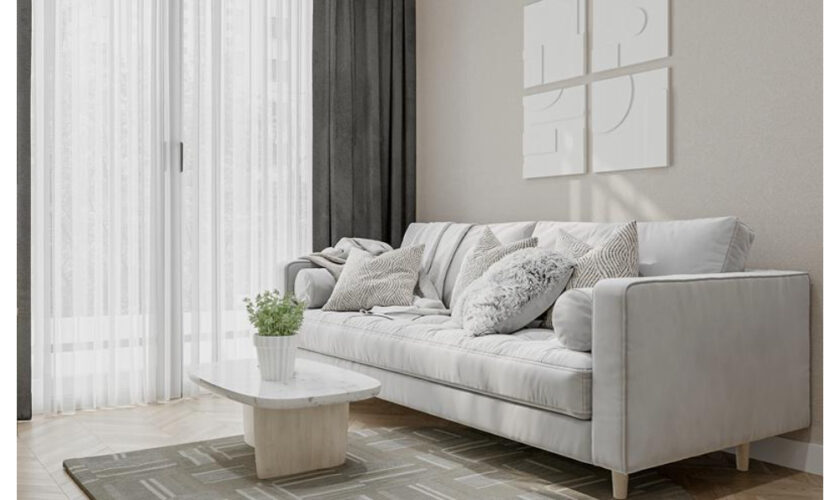
If you’re furnishing a smaller area, go for a two-seater or modular sofa that allows flexibility without blocking walkways. For larger homes or open-plan layouts, an L-shaped or sectional design can anchor the room beautifully while offering extra seating. Always leave enough clearance to move comfortably, as Singapore’s narrow walkways can make oversized furniture a nuisance.

A useful trick is to mark out your intended sofa footprint using masking tape. It’s a simple way to see if your dream design works with the proportions of your space before committing to it.

Think Beyond Fabric and Leather

Choosing the right upholstery goes beyond colour preference. Singapore’s warm and humid weather affects material’s aging over time. Leather, though timeless, may require regular conditioning to prevent cracking. On the other hand, fabric sofas are breathable and cosy, though they might need more frequent cleaning if you have pets or children.

If you’re after something low-maintenance, consider performance fabrics designed to resist stains and moisture. They’re ideal for Singapore’s climate and available in many textures that still look refined. Whichever you choose, always test the material in person at a reliable furniture shop in Singapore. Sit, stretch, and feel the fabric. Comfort is personal, and your living room should reflect that.

Get the Frame and Filling Right

A sofa’s comfort depends largely on what’s underneath. While beauty may initially appeal to you, the frame decides how long the artwork will remain. Hardwood frames are sturdy and resistant to warping, making extra cost worth it.

For cushioning, a mix of foam and down provides the right balance between softness and structure. Cheaper options with hollow fillings may feel plush at first but lose their shape quickly, especially in Singapore’s humid conditions.

Ask about spring systems, too. Pocketed coil springs have better support than webbing or sinuous types, which can sag over time. The goal is longevity, not just immediate comfort.

Match Your Lifestyle, Not Just Your Style

Many buyers tend to be drawn to trendy designs that don’t quite fit how they live. A white linen sofa might look elegant, but it’s not ideal if you’re prone to late-night snacks or have a playful toddler. Consider your daily habits: do you host guests often, or do you prefer a quiet space to unwind?

If flexibility is important, consider modular designs that can be rearranged easily. Singapore’s living spaces often double as home offices or entertainment areas, so versatility is invaluable. A well-chosen sofa in Singapore can shift between functions seamlessly while still looking polished.

Colour also matters. Neutrals are easier to pair with décor changes, while darker tones can disguise stains. Target for a balance that feels comfortable yet practical.

Measure Before You Buy

It sounds obvious, but measuring your space accurately prevents costly mistakes. Always take note of doorways, lifts, and stairwell clearances before purchasing. Many Singapore condos and HDB flats have tight access points, and a few centimetres can make a big difference.

Bring these measurements when visiting a furniture shop in Singapore, and ask the staff for delivery dimensions. Some shops offer dismantling or modular options for tight entries, saving you from logistical headaches later.

Take time to visualise how the sofa will integrate with your other furniture pieces too. Harmony in scale and proportion keeps your living room cohesive.

Finding the right sofa in Singapore comes down to more than aesthetics. It’s about understanding your space, lifestyle, and how each choice fits into your home’s rhythm. From choosing practical upholstery to ensuring proper measurements, every step helps you make a decision that lasts. Visit a trusted furniture shop in Singapore to see how different options feel in person and match your vision.

Contact Cellini Design Center to explore quality sofas that blend comfort, craftsmanship, and timeless style for your living space.

read more