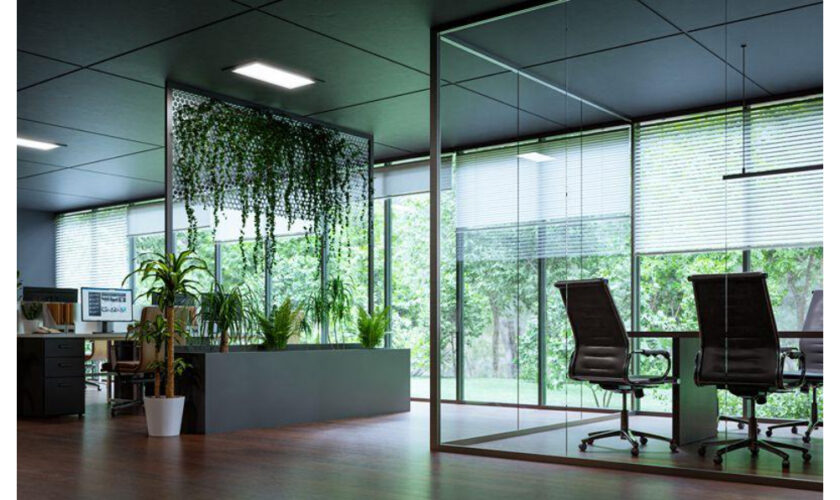
Eco-friendly office interior design has become essential for companies seeking to build sustainable, healthier, and more efficient workplaces. Businesses now find ways to reduce waste, enhance energy savings, and create environments that support employee well-being. With the guidance of an experienced office interior designer, organisations can plan and execute sustainable upgrades that align with both operational needs and environmental goals.
Choosing Sustainable Materials for Long-Term Durability
Selecting sustainable materials forms the foundation of eco-friendly office interior design. Many companies now select low-impact options such as bamboo, recycled metal, reclaimed wood, and low-VOC paints. These materials enhance indoor air quality, reduce exposure to harsh chemicals, and help organisations minimise their environmental footprint. They also provide a polished and professional appearance without compromising sustainability.
An office interior designer assesses how these materials will perform over time. Durable, eco-friendly surfaces require less frequent replacement, reducing waste and long-term costs. Designers may also recommend modular furniture or repurposed fittings that support a circular design approach. These practical choices help businesses maintain functional, attractive workspaces while keeping sustainability at the forefront.
Improving Energy Efficiency Through Thoughtful Planning
Energy efficiency is crucial in reducing operating expenses and supporting green office goals. Natural light often becomes a core focus, with designers analysing workspace layouts to maximise daylight exposure and reduce reliance on artificial lighting. LED fixtures, smart lighting controls, and task lighting further contribute to lower energy consumption.
Cooling and ventilation strategies also matter. Offices benefit from layouts that encourage natural airflow and reduce strain on air-conditioning systems. An office interior designer may recommend window films, blinds, or minor structural adjustments that support better temperature control. When combined with energy-efficient appliances, these improvements create long-term savings and a more sustainable workspace.
Eco-Friendly Practices That Enhance Workplace Well-Being
A sustainable office design should also support the health and comfort of employees. Indoor plants, plant walls, and natural materials help reduce pollutants, lower stress levels, and create calming environments. These elements form a core part of eco-friendly office interior design and contribute directly to improved morale and productivity.
Workplaces also benefit from ergonomic furniture, clutter-free layouts, and designated areas for focus or collaboration. Working with design firms like Ampersand Associates helps organisations plan layouts that balance sustainability with employee comfort. When well-being becomes part of the design strategy, teams often experience smoother workflows and better overall engagement.
Incorporating Smart Waste-Reduction Strategies
Reducing waste is a simple yet effective way to support sustainability. Many organisations begin by implementing structured recycling programmes, providing clearly labelled bins, and choosing refillable or reusable office supplies. Encouraging digital documentation also decreases paper consumption and supports long-term waste reduction.
Offices can also select furniture made from recycled content or select pieces designed for long-term use. An office interior designer may suggest multifunctional furniture or compact storage options that minimise clutter and reduce unnecessary purchases. These small but intentional decisions contribute significantly to a greener office environment.
Simple Eco-Friendly Upgrades Every Workspace Can Implement
Businesses do not need to undertake full renovations to become more sustainable. Small changes such as switching to LED lights, using eco-friendly cleaning products, or installing water-saving fixtures make a noticeable difference. These upgrades are easy to implement and help organisations begin building environmentally conscious habits.
Technology-based enhancements provide additional benefits. Automated temperature systems, occupancy sensors, and digital monitoring tools help offices manage energy use more effectively. With professional planning from an office interior designer, companies can ensure that each upgrade aligns with their sustainability goals and operational requirements.
Conclusion
Eco-friendly office interior design allows organisations to build responsible, efficient, and healthier workplaces. By focusing on sustainable materials, energy efficiency, employee well-being, waste reduction, and practical upgrades, businesses can create workspaces that support long-term growth. Partnering with experts such as Ampersand Associates provides the guidance needed to turn sustainability goals into achievable design solutions.
Contact Ampersand Associates today to explore sustainable office interior design options.