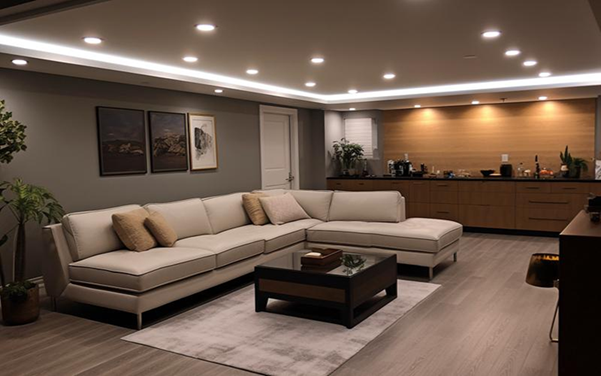
Lighting plays an essential role in shaping how a space feels and functions. Homeowners today are moving beyond basic fixtures to explore layered illumination that enhances mood and visual appeal. Choosing the right ceiling lights can completely redefine a room’s atmosphere, whether warm and inviting or sleek and contemporary. Incorporating ceiling downlights adds depth and direction, highlighting key areas such as artwork, furniture or architectural features. This guide explores creative ways to use these lighting options to bring modern interiors to life.
1. Defining Spaces With Layered Lighting
Open-concept homes benefit from layered illumination that visually separates zones without physical barriers. Combining pendant ceiling lights with recessed ceiling downlights achieves this effect beautifully. The general lights provide even coverage, while the downlights draw attention to specific areas such as dining tables or reading corners. Layering adds depth to the room and prevents the space from feeling flat or overly bright.
2. Creating Ambience Through Adjustable Brightness
Mood lighting is a practical feature for daily comfort. Installing dimmable ceiling lights allows homeowners to adjust intensity according to the time of day or activity. Pairing these with ceiling downlights helps balance brightness by creating contrast and focus. Softer lighting promotes relaxation in the evening, while brighter settings support productivity during the day. Adjustable illumination offers flexibility for every occasion.
3. Enhancing Aesthetic Appeal With Statement Fixtures
Lighting can serve as both a function and an art. Sculptural ceiling lights act as focal points, drawing the eye upward and adding personality to the room. They reflect individual style while setting the tone for the overall design. In contrast, ceiling downlights provide subtle illumination that complements rather than competes with standout pieces. Together, they create a cohesive balance of elegance and practicality.
4. Highlighting Architectural Features
Recessed lighting is ideal for accentuating textures and details such as alcoves, feature walls or ceiling mouldings. Ceiling downlights, when positioned carefully, bring out shadows and highlights that enhance depth and dimension. A mix of these with minimalist ceiling lights ensures even distribution of brightness without overpowering the room. Strategic placement helps architecture become part of the visual storytelling rather than a background element.
5. Improving Functionality In Task Areas
Task lighting focuses on precision and clarity, making it essential for areas like kitchens, offices or dressing rooms. Bright, directional ceiling downlights illuminate countertops, work surfaces or mirrors clearly. Complementing them with ceiling lights ensures there is no harsh glare. The result is a workspace that feels both efficient and comfortable, improving safety and ease of use for everyday activities.
6. Using Colour Temperature To Set The Mood
The warmth or coolness of light affects how a room feels. Warm white lighting creates a cosy and inviting atmosphere, while cool white enhances a modern and energising aesthetic. Mixing both through ceiling lights and downlights creates layers that feel balanced. For example, a living room can use warmer tones for relaxation while downlights in cooler tones accentuate artwork or display shelves.
7. Elevating Small Spaces Through Smart Illumination
In smaller homes or apartments, well-planned lighting helps open up the space visually. Flush-mounted ceiling lights keep ceilings looking higher, while ceiling downlights eliminate dark corners that make rooms appear smaller. Bright, even illumination reflects off walls, giving an impression of greater depth and airiness. The right combination transforms compact layouts into bright, welcoming environments.
8. Enhancing Sustainability With LED Technology
Modern LED lighting offers energy efficiency without compromising quality. Ceiling lights and downlights using LED bulbs last longer and consume less power. Some designs feature smart controls that adjust brightness automatically based on natural light levels. Using energy-efficient lighting supports sustainability while reducing electricity bills, a practical choice for eco-conscious households.
Conclusion
Good lighting combines functionality, comfort and design to create homes that feel complete. Ceiling lights provide broad illumination, while ceiling downlights add structure, focus and ambience. When used together thoughtfully, they can reshape how spaces look and feel. Smart design choices make lighting both an aesthetic and practical investment that enhances everyday living.
Contact Sense N Bedeck to explore a curated collection of ceiling lights and ceiling downlights that bring style, warmth and functionality to modern interiors.