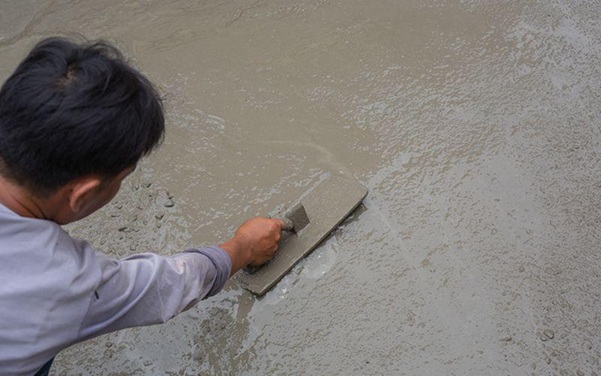
Waterproofing membrane serves as a protective layer that prevents water from seeping into structures. It plays a vital role in safeguarding roofs, basements, balconies, and wet areas from moisture damage. Residential and commercial buildings require effective waterproofing to maintain strength and prevent leaks that can lead to costly repairs. The system acts as a continuous barrier, keeping internal spaces dry while extending the lifespan of concrete and structural components. Proper moisture control is also essential when planning long-term building upkeep or related works such as concrete pavement repair, where durability and protection against water exposure are just as important.
Selecting the correct membrane involves assessing the building’s function and environmental exposure. A residential property may require lighter protection compared to large-scale commercial builds that face frequent stress, vibration, and temperature variation. Consulting a building materials supplier helps ensure the right combination of performance, flexibility, and compatibility for the project.
Types of Membrane Waterproofing Systems
Two common types dominate modern construction: liquid-applied membranes and sheet-based membranes. Each option offers distinct advantages, depending on surface conditions and project scale.
Liquid-applied membranes form seamless, joint-free coatings that adhere directly to concrete. They are ideal for irregular surfaces or areas with complex shapes. The flexibility of the liquid layer allows it to stretch and bridge small cracks, providing consistent coverage without seams.
Sheet-based membranes, on the other hand, come in prefabricated rolls made from bituminous, PVC, or HDPE materials. They provide uniform thickness and predictable performance. Installation involves overlapping and sealing each sheet to create a watertight layer. This system suits large flat surfaces such as rooftops or underground walls where consistent thickness is crucial.
A professional building materials supplier can guide contractors in choosing between these systems by evaluating project requirements, application conditions, and maintenance considerations.
Key Factors in Selecting a Suitable System
Choosing a waterproofing solution requires careful evaluation of multiple factors. Climate, substrate type, structural movement, and exposure level all influence the decision. For tropical environments, waterproofing must withstand humidity, heavy rainfall, and UV exposure. Durability and flexibility become decisive factors in preventing cracking or peeling.
In residential applications, ease of installation and cost-effectiveness typically influence choices. Homeowners prefer membranes that minimise maintenance and provide long-term protection for bathrooms, terraces, or basements. Commercial buildings, however, demand more robust systems capable of handling structural stress, constant traffic, and potential water pressure from surrounding soil.
Compatibility between the membrane and substrate also affects adhesion and longevity. Improper pairing can result in blistering or delamination. Selecting materials from a reputable building materials supplier ensures quality assurance and technical support during installation.
Installation and Quality Assurance
Proper installation determines the effectiveness of any waterproofing membrane system. Surface preparation involves cleaning, priming, and levelling the substrate to guarantee strong adhesion. Even small imperfections can compromise performance. Applying the membrane under controlled conditions prevents air pockets, uneven coating, or weak bonding.
Quality inspection follows each stage of application. Pressure tests, visual assessments, and leak detection methods confirm integrity before overlaying protective finishes or tiles. Adhering to manufacturer guidelines and using compatible adhesives or sealants improves long-term reliability.
Partnering with an experienced building materials supplier ensures access to certified installers and product training. Their technical expertise supports contractors in achieving consistent results across various projects, whether for small residential units or large commercial complexes.
Maintenance and Long-Term Performance
Ongoing inspection and maintenance extend the lifespan of any waterproofing system. Regular checks identify minor issues such as cracks, peeling, or punctures before they escalate into structural problems. Areas exposed to constant foot traffic or heavy machinery benefit from additional protective coatings.
For residential properties, maintaining clean drainage outlets prevents ponding water that can weaken the membrane. Commercial buildings may require periodic reapplication or reinforcement in high-stress zones. Selecting materials from a trusted building materials supplier allows easy sourcing of compatible repair products and technical support over time. These same proactive maintenance principles apply to external works like concrete pavement repair, where early intervention helps preserve stability and safety.
A well-maintained membrane waterproofing system not only prevents moisture intrusion but also preserves the building’s structural value, appearance, and safety for years.
Strengthen your building projects with reliable waterproofing solutions. Contact ARDEX QUICSEAL today for a trusted building materials supplier in Singapore offering high-performance waterproofing membrane systems that meet residential and commercial requirements.